Master the ultimate “set-it-and-forget-it” soil-less cultivation method using static water dynamics and zero electricity. The fundamental science and step-by-step assembly of the Kratky hydroponic system. We explain how to balance the critical air-to-water root ratio without mechanical aeration or power pumps. Growers will learn ideal electrical conductivity (EC) profiles using our specialized binary Alpha & Omega hydroponic Nutrients to prevent root rot and maximize home food yields.
Summary
Introduction
Are you looking to grow your own fresh produce but feel overwhelmed by traditional gardening methods, messy soil, or expensive equipment?
Hydroponics—the practice of cultivation without soil—has gained massive global popularity due to faster growth rates and reduced water usage. One of the simplest and most beginner-friendly hydroponic architectures ever designed is the Kratky Method. Developed by Dr. Bernard Kratky at the University of Hawaii, this completely passive system does not require pumps, electricity, or timers, making it a true “set-it-and-forget-it” asset for growing fresh food at home.

The Kratky Hydroponic System might be the perfect solution for you! This passive hydroponic method is ideal for beginners and those with limited space or time. In this blog, we’ll explore what the Kratky method is, how it works, and how you can set up your own system at home.
What is the Kratky Hydroponic System?
The Kratky method is a passive sub-irrigation technique that relies entirely on the natural principles of nutrient diffusion and capillary uptake. Instead of moving water mechanically with a pump, plants are suspended statically over a sealed reservoir of nutrient-rich water.

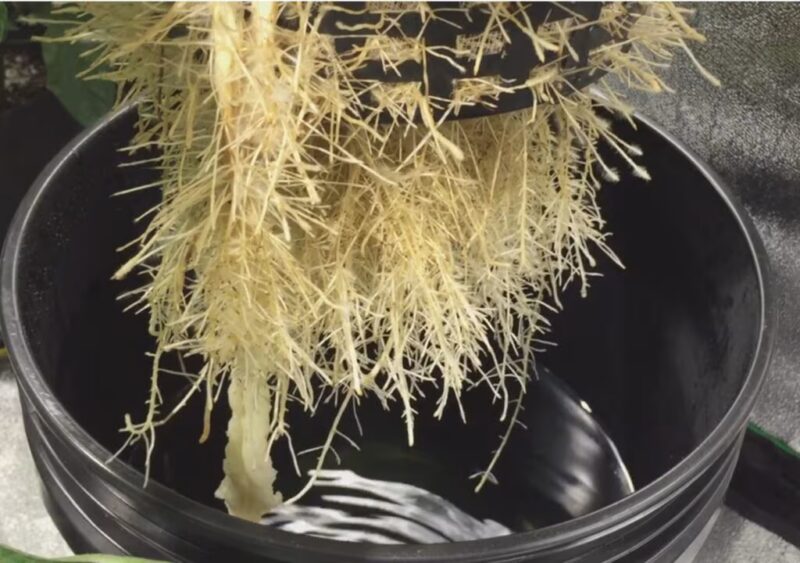
As the plant consumes the water, the liquid baseline gradually drops. This creates an expanding, high-humidity air gap between the base of the plant net pot and the top of the water line. The plant adapts by dividing its root anatomy: the upper roots exposed to the air gap evolve into specialized “air roots” that pull in oxygen from the ambient pocket, while the lower submerged roots continue to drink water and minerals. This simple fluid shift completely eliminates the need for noisy air stones or power-heavy oxygenation.
Setting Up Your Kratky System: Step-by-Step
Building a Kratky reservoir requires basic tools and minimal setup time:
- Build Your Reservoir: Select a completely watertight, opaque container (a plastic bucket, storage tote, or large jar with a lid). Use a hole saw to cut a clean opening in the lid matching your net pot diameter (typically 75mm).
- Hydrate the Base: Fill the reservoir with clean water until the level rests exactly 75mm from the top lip, or just brushing the bottom 1-2mm of your empty net pot.
- Calibrate Nutrients & pH: Mix your hydroponic nutrients thoroughly into the water. For leafy greens, test the solution with a pH kit to ensure it sits comfortably between 5.5 and 6.5 to prevent mineral lockout.
- Anchor the Plant: Place your established seedling inside the net pot, securing it with a porous growing medium such as clay pellets, rockwool, or a sterile sand-vermiculite mix. Move the system to a sunny windowsill or under grow lights.
- Let the System Breathe: As the plant grows, leave the water level alone. The dropping liquid creates the crucial oxygen zone that prevents root rot. Only check the reservoir periodically to ensure it doesn’t dry out completely before the plant reaches harvest maturity.
The Nutrient Target Blueprint (Using Alpha & Omega Binary Liquid Concentrates)
A frequent bottleneck for beginners is mixing confusing formulas or trying to dissolve stubborn dry powders in small indoor spaces. To make passive growing completely seamless, our Pre-Mixed Liquid Alpha & Omega Kit comes pre-dissolved at a pharmaceutical-grade 100g/L stock solution. This eliminates the water-tax overhead found on heavy, imported liquid nutrients—giving you local, professional Act 36/1947 chemistry right out of the bottle.
Because a Kratky reservoir is static, less is more. Water evaporates and transpires through the leaves faster than the plant extracts minerals, causing the nutrient concentration to naturally spike as the water line recedes. To show you the engineering difference between active and passive setups, we have contrasted conventional commercial targets against calibrated Kratky Concentrations below, calculated per 5 Litres of clean source water:
| Target Crop Typology | Conventional Hydro EC (μS/cm) | Calibrated Kratky EC (μS/cm) | Liquid Alpha & Omega Kratky Dosage (Per 5L Water) |
|---|---|---|---|
| Lettuce & Microgreens | 1200 – 1600 μS/cm | 800 – 1000 μS/cm | 17.5 ml Part A + 17.5 ml Part B (Safe Baseline) |
| Herbs (Basil, Mint, Chives) | 1400 – 1800 μS/cm | 1000 – 1200 μS/cm | 22.5 ml Part A + 22.5 ml Part B |
| Kale & Swiss Chard | 1800 – 2400 μS/cm | 1200 – 1400 μS/cm | 27.5 ml Part A + 27.5 ml Part B |
| Bell Peppers & Chillies | 2000 – 2500 μS/cm | 1400 – 1600 μS/cm | 32.0 ml Part A + 32.0 ml Part B |
| Cucumbers & Spinach | 1800 – 2400 μS/cm | 1400 – 1600 μS/cm | 32.0 ml Part A + 32.0 ml Part B |
| Fruiting Tomatoes | 2500 – 4500 μS/cm | 1800 – 2200 μS/cm | 42.0 ml Part A + 42.0 ml Part B (Maximum static ceiling) |
The Kratky Efficiency Advantage: Notice how much leaner the passive target is? By cutting the mineral strength down for static water columns, your 500ml liquid kit actually stretches significantly further than it would in a noisy, pump-driven NFT system. You save on raw nutrient costs while protecting your plant’s sensitive air-roots from toxic salt accumulation.
STS Strategy Tip: Always start young seedlings at the lowest recommended EC range. In a static system, it is incredibly easy to add a dash more nutrient later, but impossible to remove it once the roots are scorched.
The Golden Rule of Binary Liquids
To prevent immediate chemical “knockout” (where Calcium and Phosphorus bond and drop out of solution as unusable sediment), never mix the raw Part A and Part B concentrates together directly. Always fill your 5L container with water first, pour in Part A and stir thoroughly, then introduce Part B and stir again.
Ready to grow? Skip the mixing math entirely. Grab a set of our ultra-pure, cold-sterilized concentrates, packaged in lightproof white bottles to prevent internal algae growth: Get the Alpha & Omega [2x 500ml] Passive Nutrient Kit here.
Critical Kratky Pitfalls & Troubleshooting
1. The Refilling Suffocation Trap
The most common mistake is refilling an empty reservoir back up to the top. If you drown the newly developed air roots, the plant will suffocate and die of root rot within days.
- The Fix: Once the plant has drunk the initial water supply down, never refill more than the lower one-third (33%) of the container. This preserves the upper two-thirds oxygen gap while allowing the drinking roots to stay hydrated.
2. Algae Ingress & Algae Blooms
Sunlight penetrating transparent or semi-clear container walls causes rapid green algae blooms. Algae will aggressively consume the dissolved oxygen, rob your plants of minerals, stain the root structures, and invite root pathogens.
- The Fix: Use strictly solid opaque containers. If using clear jars or buckets, paint the exterior with a waterproofing acrylic paint or wrap them in a dense, light-proof paper sleeve.
- White exteriors are double-effective because they reflect radiant heat, keeping the root zone cool, preventing plants from bolting prematurely.
3. Biological Seedling Substrates
Standard commercial potting soils will waterlog, pack tightly, and rot out inside a static net pot.
- The Fix: Transition to a clean, highly aerated biological engine mix by volume: 50% clean building sand, 20% medium vermiculite, and 30% living organic vermicompost (introducing our premium VitaCore). For a quick alternative, buffered coco coir can be used, but monitor it closely as it can retain excessive moisture for sensitive herb varieties.
4. pH Imbalances – Yellowing Leaves?
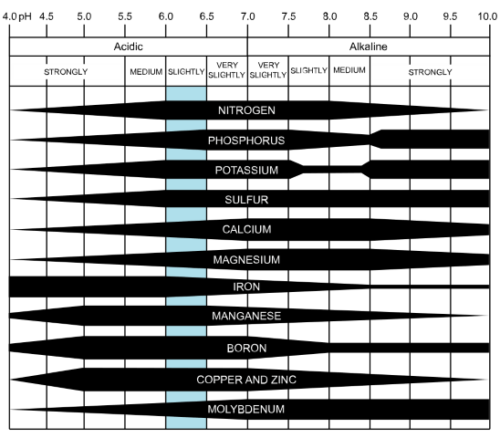
Another issue that may arise is pH imbalance in the nutrient solution. The pH level affects the availability of nutrients to the plants, and if it is too high or too low, the plants may suffer from nutrient deficiencies or toxicities. Regularly testing the pH of the nutrient solution and adjusting it using pH up or pH down solutions is essential for maintaining optimal plant health.
NOTE: Chart to left is indicative, but some plants prefer a certain pH range, like acidic for Gardenia or alkaline for Lavender and Cabbage.
Conclusion
The Kratky Hydroponic System is an excellent entry point into the world of hydroponics. Its simplicity and efficiency make it accessible for anyone, regardless of gardening experience. Give it a try and enjoy the satisfaction of growing your own fresh, healthy produce at home!
In conclusion, the Kratky hydroponic system offers a simple and low-maintenance way to grow plants without soil. With minimal equipment and maintenance requirements, it is an ideal choice for beginners in hydroponics. By following the steps outlined in this guide and paying attention to plant selection, care, and troubleshooting, anyone can successfully grow their own fresh and nutritious produce using the Kratky hydroponic system.
Happy gardening! 🌱
-
STS
Alpha & Omega [Kratky & Passive Hydro...
Original price was: R495.R95Current price is: R95. Add to basket🛠 Dual-part liquid Kratky hydroponic nutrient concentrates
🛠 Refined Hoagland solution pre-diss… -
STS
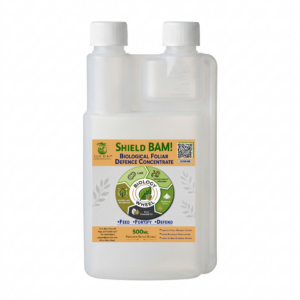
Eco Bini™ Shield BAM! Biological Foliar Defense...
Original price was: R370.R295Current price is: R295. Add to basket🌱 Living microbial foliar concentrate powered by VermiLIN.
🧄 Contains LAB-fermented Elephant … -

Yellow Sticky Fruit Fly & Fungus Gnat Traps
R11 Select options This product has multiple variants. The options may be chosen on the product page🏗️Bright yellow colour attract flying insects
🏗️Odourless, Safe and Non-toxic
🏗️Durable – UV r… -
STS
Organic Elephant Garlic Rounds – 10 off &...
Original price was: R395.R295Current price is: R295. Add to basket🌱 Large, mild-flavoured single bulbs
🌱 10 Organic Elephant Garlic Rounds (Solo / Ajo Macho)
…
Socratic Question
how to refill kratky method without drowning rootsbest ph and ec targets for kratky hydroponicshow to stop root rot in passive hydroponicsdiy kratky system using recycled 5l bottlesmixing liquid two part hydroponic nutrients for kratky