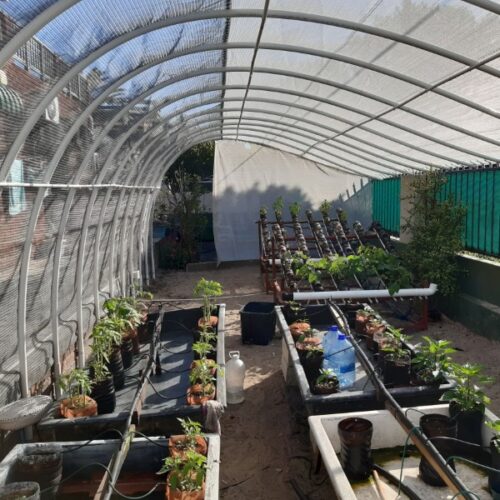
Yes, you can absolutely grow garlic in warm, subtropical climates! However, the strategy depends entirely on whether you are growing Elephant Garlic for massive cloved bulbs, or Normal Garlic for gourmet green leaves and sprouts. Traditional hardneck and softneck garlic varieties require a prolonged winter freeze (vernalization) to signal the garlic to store energy and the underground bulb to split into individual cloves. Without this chill, standard garlic will either rot in the damp heat or fail to bulb completely. By understanding the unique biology of these plants, you can easily adapt your growing methods to achieve incredible results in warm regions.
1. The Elephant Garlic Strategy (For Massive Cloved Bulbs)
Unlike true garlic, Elephant Garlic (Allium ampeloprasum) is actually a variant of the leek family. Because of this, it is highly adaptable to mild-winter, coastal climates and does not require a freezing winter to split into cloves. To grow giant Elephant Garlic heads in warm or humid areas, follow this subtropical blueprint:
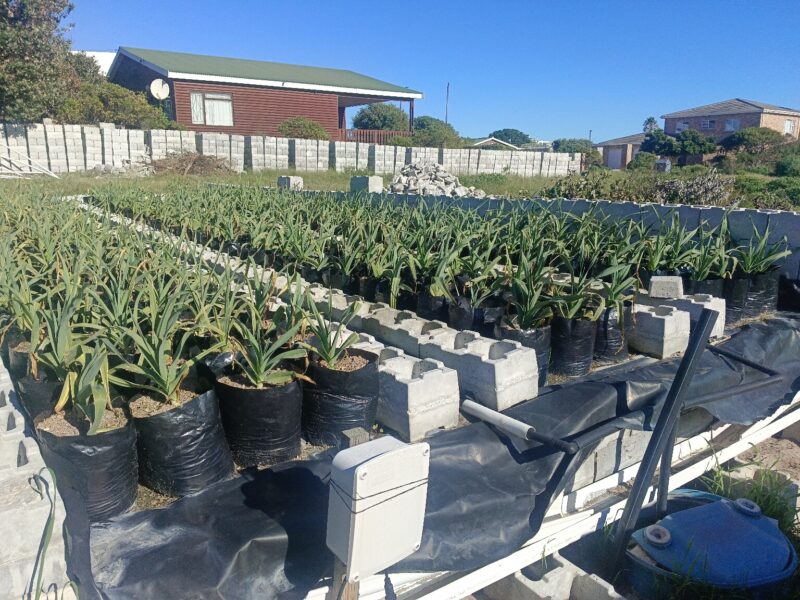
- Right ‘Seed’ Choice: Elephant garlic is a perennial and actually takes up to 3 years to grow into traditional giant cloved bulbs if starting from scratch. The growth stages are corms (the true hard seed), Rounds (solo bulbs), and Cloves. Planting a corm will give you a solo round; planting a round or a large clove will yield the final multi-cloved head.
- Flawless Drainage: Subtropical regions often experience heavy summer or autumn downpours. Plant your Elephant Garlic in raised beds or heavily mounded rows (at least 20–30 cm high) to keep the roots from drowning and aid drainage down to the water table level.
- Keep Soil Cool with Mulch: High soil temperatures early in the season will prematurely halt growth or induce early leaf die-back. Apply a thick 5 cm layer of a light-colored organic mulch (like clean straw or dried sugarcane leaves in coastal areas) immediately after planting to reflect solar heat.
- The Irrigation Taper: Water deeply and infrequently during the early vegetative stage. Once the plant begins shifting its energy to bulb formation underground, drop watering back significantly to prevent the outer protective wrappers from rotting. In a subtropical dry winter season, watering well just once a week is typically sufficient.
- Subtropical Curing: Humidity is the ultimate enemy of long-term storage. Harvest exactly when the bottom 3 leaves have yellowed and died back. Do not wash the harvested bulbs. Move them immediately to a dry, heavily shaded area with high, continuous airflow for 2 to 3 weeks until the central stem is bone-dry.
2. The Normal Garlic Hack (For Gourmet Green Garlic & Sprouts)
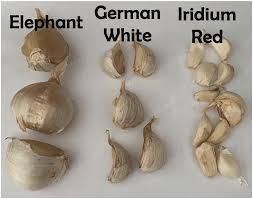
If you plant standard supermarket garlic in a hot climate, it will explode with lush green growth but will rarely form a multi-cloved bulb. In coastal or warm climates, this is often grown as “Wild Garlic”—closely resembling heavy chives with wide garlic leaves. The secret is to change your harvest goal from underground bulbs to “Green Garlic” or “Garlic Sprouts.”
- Harvesting Garlic Greens: You can harvest the entire young plant within 60 to 90 days of planting when it resembles a thick spring onion. The entire white base and tender green leaves possess a fresh, mild garlic flavor that is incredible for culinary use. Alternatively, you can snip the green leaves continuously like chives.
- The Fridge Trick: To get the most vigorous leaf growth, place your loose cloves in a paper bag in the refrigerator for 3 to 4 weeks before planting. Called “Vernalization,” this cold storage tricks the clove into waking up with massive root energy and immediate vigor the moment it hits the warm soil.
- High-Density Planting: Because you aren’t trying to leave room for massive underground bulbs to expand outwards, you can plant your cloves tightly together—just 5 to 8 cm apart—for a exceptionally dense, high-yielding green garlic patch.
STS Pro-Tip:
- If your Elephant Garlic experiences a sudden warm winter, it may harvest as a single, giant, solid bulb called a “Round” (internationally known as Ajo Macho). Do not worry! These are completely edible, highly prized by gourmet chefs, and actually make the absolute best planting stock for the following autumn season to guarantee a colossal multi-cloved yield. Keep in mind it could also simply mean you planted a small corm, which visually mimics a normal garlic clove during its first year growth cycle!
- Don’t waste your tiny, undersized, or internal “fringe” cloves. Since they will never grow into massive heads anyway, separate them out and plant them ultra-densely specifically for your green garlic sprout patch. It turns potential garden waste into a premium culinary harvest. The leaves taste great in salad to give slight garlic Umami.
Pasteurizing Bio-Engineers
Plant-Available Nutrients
Selective Nutrition
Bundu Teq Hub
-
STS
#13 STS Prac: Shelf-Stable Soil Biome Concentra...
Original price was: R499.R349Current price is: R349. Add to basket🧫 Mycelium Essential mineralized nutrients
🧫 Designed to stabilize cultures.
🧫 Selective nu… -
STS
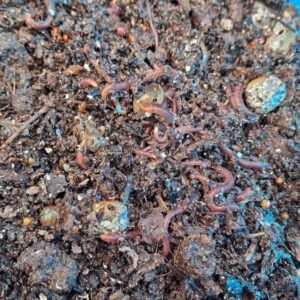
Vermicomposting Starter Kit – Easy!
Original price was: R300.R250Current price is: R250. Add to basket🪱 Includes 300-600 healthy Red Wigglers
🪱 In a breathable 1L Polypropylene screw-tub,.
🪱 320m… -
STS
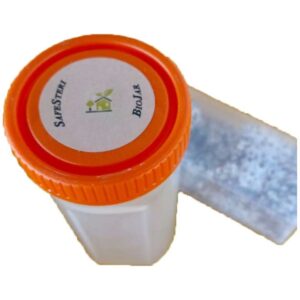
Mushroom Spawn Jar 320ml – Sterilized Sor...
Price range: R150 through R720 Select options This product has multiple variants. The options may be chosen on the product page📦 Sterilized Sorghum Grain Mother Spawn Jar
📦 320ml Reusable BioJar, Shatterproof PP5.
📦 Po… -
STS
BlockGrip | NHBRC Approved Thinbed Mortar (TBM)...
Original price was: R995.R795Current price is: R795. Add to basket🛠 1kg Thin-bed Mortar, TBM, Concentrate.
🛠 Makes 150kg Mortar.
🛠 NHBRC Approved – Dip-and-Stac…