Yes, you can grow bulb-forming garlic in warm climates like coastal South Africa!
Answer
Forget the myth that proper garlic needs freezing winters. By choosing the right varieties and understanding key triggers, home gardeners in mild-winter regions can achieve abundant, cloved garlic heads, not just leafy greens. This guide uncovers the secrets to success.
1. Can Garlic Truly Thrive in Warm Climates?
For many South African gardeners, especially those in coastal or mild-winter regions like Cape Town, the answer to “Can I grow garlic?” often feels like a resounding “No!” You might have planted supermarket garlic only to get lush green shoots that look like spring onions, or perhaps a tiny, undivided “round” bulb underground. This experience is so common that the term “wild garlic” often refers to indigenous leafy plants rather than true bulbing Allium sativum.
However, this widespread perception is a myth we’re here to bust. You can, in fact, grow abundant, cloved garlic heads in warm, mild-winter, or subtropical climates (such as USDA Zones 8 through 11). It just requires understanding the plant’s biology and adapting your approach.
2. The Science: Garlic’s Environmental Triggers
Garlic originated in cool, temperate Central Asia, and its life cycle is finely tuned to specific environmental triggers. These triggers are what make growing it challenging in warmer regions if not understood:
Vernalization (The Cold Requirement): To signal the plant to divide a single seed clove into multiple distinct cloves within a head, garlic needs a prolonged cool period. This “cold trigger” typically involves 4 to 10 weeks of temperatures consistently below 40°F (4°C). Without this crucial vernalization, garlic will primarily grow green foliage but form only a single, solid, unseparated bulb – what we call a “round” or “solo garlic.”
Photoperiod & Heat Triggers: After the cold period, garlic spends winter and early spring growing its foliage. As day length increases (photoperiod) and temperatures regularly exceed 80–85°F (27–29°C), the plant shifts its energy from leaf growth to swelling its underground bulb. If your spring gets hot too fast, the plant can bulb prematurely, resulting in tiny, underdeveloped heads.
3. Engineering a Solution: The Right Variety & The Fridge Trick
The key to growing true bulbing garlic in warm climates lies in two primary strategies:
Choose the Right Garlic Variety: Not all garlic is created equal. Garlic is broadly divided into Hardneck and Softneck types.
- Softneck Garlic (Best for Warm Climates): These varieties evolved in milder Mediterranean environments and are far more forgiving. They require significantly less winter cold to form bulbs and handle spring heat gracefully.
- Artichoke Family: Very adaptable, low chill requirement, producing large heads. Examples include California Early, California Late.
- Silverskin Family: The most heat-tolerant of all garlics, known for the longest shelf life (up to 9-12 months). Examples include Silver White.
- Creole Garlic (The Hardneck Exception): While most hardneck garlics demand deep winter freezing, Creoles are a unique subtype adapted to warm regions like Southern Europe, Texas, and Louisiana. They yield rich, spicy, small-to-medium bulbs with beautiful magenta skins.
- Avoid: Standard cold-climate Hardnecks (like Rocambole or Porcelain) unless you plan to pre-chill them extensively.
The Secret Trick: Pre-Chilling (Vernalization): If your local winters rarely provide the necessary cold duration, you can “fool” garlic using your refrigerator.
How to Vernalize Garlic: Start 6 to 10 weeks before your planned planting date. Leave the garlic heads fully intact (do not break into cloves yet). Place them in a paper bag, mesh bag, or breathable cardboard box (avoid sealed plastic to prevent mold). Store in your refrigerator’s crisper drawer at 35–40°F (2–4°C). Keep away from ethylene-producing fruits like apples or bananas. Plant immediately after chilling, separating into individual cloves just before planting.
4. Optimized Planting & Care for Warm Regions (South African Context)
For Cape Town’s winter-rainfall, mild Mediterranean climate, or similar warm regions in South Africa, here’s how to adapt your planting and care:
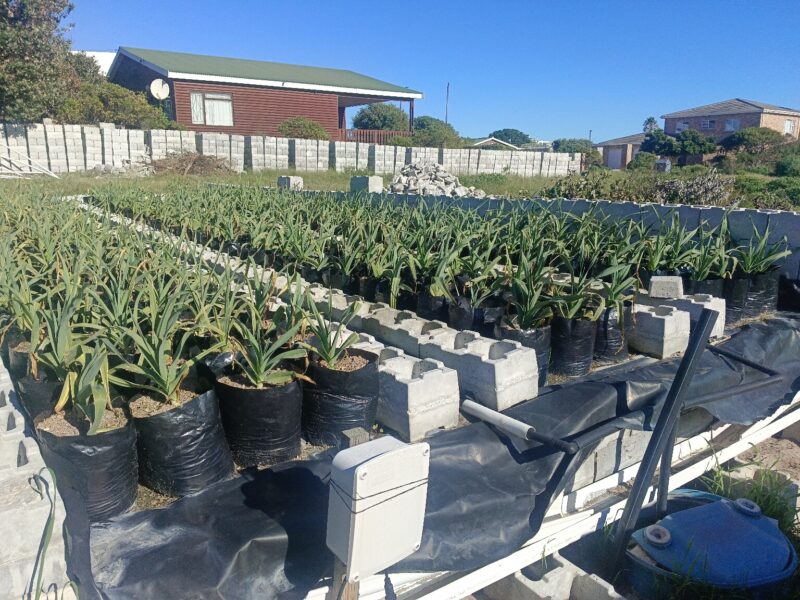
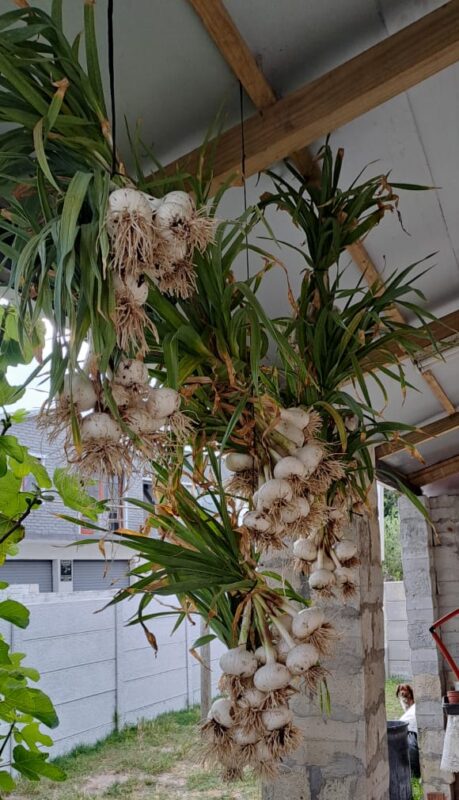
Local Success Stories: The Western Cape (including Stellenbosch, Paarl, and the West Coast) is a major commercial garlic-producing hub, proving that bulbing garlic thrives here. The key is not to use irradiated supermarket garlic, which is often imported and treated to prevent sprouting.
Recommended South African Strains:
- Egyptian Pink (SA Pink Garlic): This is the “King” for the Western Cape. It has pinkish-purple skins, a strong punchy flavor, and produces medium-to-large heads effortlessly in Cape Town winters.
- Egyptian White (SA White Garlic): Produces clean white heads with large outer cloves, slightly milder than the Pink, and stores exceptionally well.
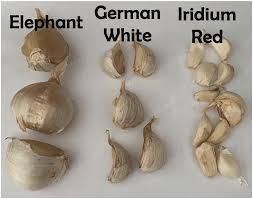
- Giant / Elephant Garlic (Allium ampeloprasum): Extremely popular in Cape Town home gardens. It produces massive, palm-sized heads with huge cloves, loves mild coastal winters, and has a smooth, mild garlic flavor. (More details on its unique lifecycle in Discover the Wonders of Elephant Garlic).
Location: Choose a spot with full winter sun. In extremely hot regions (Zones 9–10), a spot with afternoon shade in late spring can prevent early heat stress.
Soil & Depth: Plant cloves 2 inches deep, flat base down, pointy end up, spaced 4–6 inches apart. Ensure soil is loose, rich in organic matter (compost!), and well-draining – essential to prevent rot in moist conditions.
Heavy Mulching: Cover the bed with 2 to 4 inches of straw, shredded leaves, or pine needles immediately after planting. Mulch insulates, keeping soil temperatures significantly cooler during warm spring spikes.
Watering Caution: Keep soil consistently moist while the plant actively produces green leaves. However, as soon as the bottom leaves begin turning yellow in late spring, stop watering completely. Drying out the soil is critical for curing the outer papery skin before harvest and preventing rot.
Fertilization: Garlic is a heavy feeder. Add compost/aged manure at planting, and top-dress with a nitrogen organic fertilizer (like blood meal or fish emulsion) every 3 weeks in winter/early spring. Stop fertilizing as soon as day length increases and bulbing begins (around the spring equinox).
5. Key Takeaway: Success is in Adaptation
The answer to “Can I grow garlic in warm climates?” is a resounding “Yes!” for true bulbing garlic, and an even more enthusiastic “Yes!” if you’re happy to harvest delicious green garlic or sprouts.
By selecting appropriate heat-tolerant varieties, employing pre-chilling techniques, and adapting your planting and care schedule to local conditions, you can achieve abundant harvests of cloved garlic, even in the mildest South African winters.
It’s about working with nature’s triggers, not fighting them, and understanding that local conditions demand a smarter approach than simply following a cold-climate playbook.
Pasteurizing Bio-Engineers
Plant-Available Nutrients
Selective Nutrition
Bundu Teq Hub
-
STS
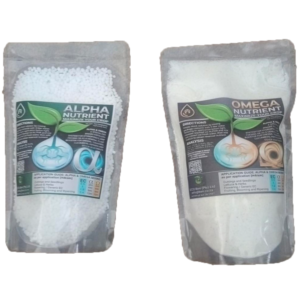
Binary Hydroponic Nutrient Kit – 2 x 5L Concentrates
Original price was: R275.R149Current price is: R149. Add to basket🌱 Makes 2 x 5L professional nutrient concentrate
🌱 Binary Alpha & Omega formula prevents nutrient lockout
🌱 Complete macro & chelated micronutrients
🌱 Professional hydroponics made simple -
STS
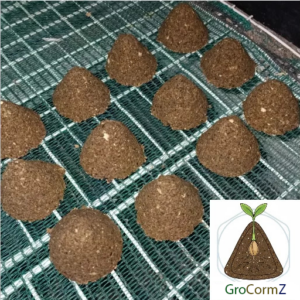
Elephant Garlic Start Kit | GroCormZ
Original price was: R75.R49Current price is: R49. Add to basket🌱 Produces Authentic Ajo Macho (Solo Garlic)
🌱 Encapsulated Elephant Garlic Corm Included
🦠 Terra Preta Nova Biological Grow Ball
💧 Just Plant, Water & Grow — Pointy Side Up! -
STS
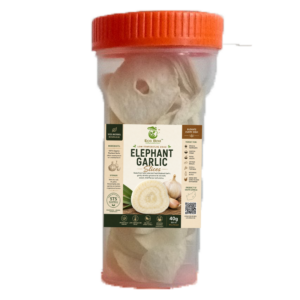
Dried Elephant Garlic Slices – Sweet, Mild Flavour (40g)
Original price was: R115.R95Current price is: R95. Add to basket🧄Organic Elephant Garlic
🧄Low-temp dried gourmet slices
🧄Naturally sweet & mild
🧄Small-batch South African -
STS

Eco Bini™ BioaKt Media/Substrate Conditioner | 2000 ml
Original price was: R195.R149Current price is: R149. Add to basket🏗 Bundu-Tek additive with kelp alginates – No autoclave needed.
🏗 Alkaline pH Pasteurizer
🏗 Self-sterilizing formula
🏗Boost yields and colonizing times