Turn cheap supermarket charcoal and kitchen scraps into a permanent, self-regenerating soil battery. The STS Bundu Teq protocol exploits active lactic acid fermentation to bypass expensive charging steps, siphoning nutrient-dense organic acids directly into the carbon matrix right under your kitchen sink—producing highly-charged Terra Preta Nova ready to build an enduring soil biome for under ZAR 50.
Summary
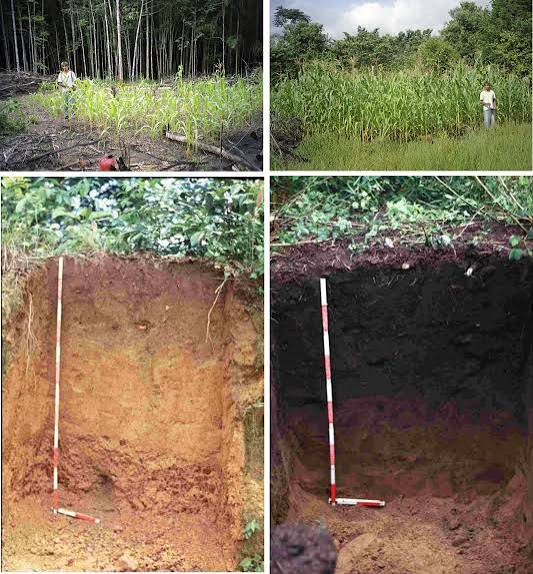
In the Amazon basin, the native soil is mostly Oxisol—acidic, yellow-red clay that has had every scrap of life and nutrient washed out of it by millennia of tropical downpours. It is functionally dead.
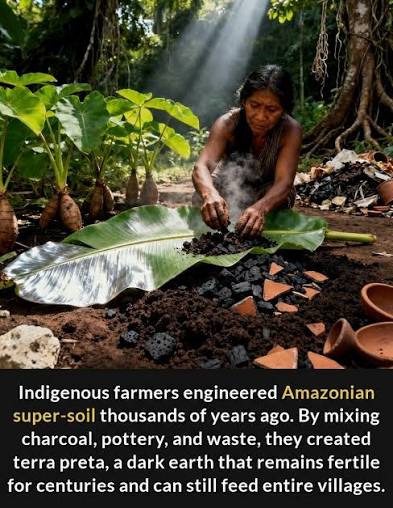
Yet, scattered right through this barren landscape are deep, jet-black patches of Terra Preta de Índio (Amazonian Dark Earth). These fertile zones were engineered thousands of years ago by pre-Columbian communities who threw their kitchen waste, fish bones, and hearth charcoal into trash pits. This soil has remained highly fertile for thousands of years without a single bag of synthetic fertilizer.
Even wilder: it is biologically active and actively regenerates itself over time.
Most modern attempts to recreate this—often called Terra Preta Nova (New Black Earth)—involve expensive, multi-stage biochar “charging” recipes using industrial gear and utilizing man-made, lab designed, EM (Efficient Microbes).
Here is the kicker: you don’t need an industrial lab or an expensive imported EM kit to replicate this in your backyard. You can build Terra Preta Nova (New Black Earth) right under your kitchen sink for less than the price of a single bag of commercial fertilizer.
Section 1: The Three Pillars of the Terra Preta Matrix
Ancient tribes didn’t just throw raw charcoal into the dirt. Raw charcoal is chemically inert, dry, and actually robs your soil of nutrients when you first apply it. To make it work, you have to build a three-part biological matrix:
1. The Carbon Sponge (Biological Char)
Raw charcoal is chemically inert and highly hydrophobic (water-repelling). But when biomass is charred via low-oxygen pyrolysis, it leaves behind a highly porous carbon skeleton. This structure has a massive surface area with a strong negative electrical charge. This provides an incredible amount of Cation Exchange Capacity (CEC), allowing the soil to physically grab hold of positively charged nutrients (like calcium, magnesium, and ammonium) and stop them from washing away in the rain.
2. The Microbe Hotels
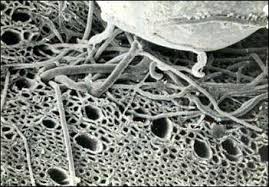
Because the carbon skeleton is full of microscopic pores, it creates a protected environment for biology. These tiny caverns are large enough for beneficial fungi (like mycorrhizae) and bacteria to move into, but too small for larger predatory protozoa or nematodes to enter. This gives beneficial microbes a permanent home where they can survive droughts, floods, or cold winters.
3. The Biological “Glue” (Nutrient Inoculation)
Ancient tribes tossed their kitchen scraps, fish bones (calcium phosphate), animal waste, and pottery shards directly into these charred pits. This organic waste reacted with the porous charcoal, filling the empty micro-pores with concentrated nutrients and organic acids. This process effectively neutralized the charcoal’s tendency to absorb nutrients from the surrounding environment, turning it into a slow-release nutrient source instead.
Section 2: Transitioning to Terra Preta Nova
When you throw raw charcoal directly into your garden, it behaves like a sponge in a dry basin: it aggressively sucks up water, nitrogen, and minerals from the surrounding soil, temporarily starving your plants.
The secret to Terra Preta Nova is to saturate that carbon sponge before it ever touches your garden beds.
By placing raw, un-combusted charcoal directly into an active Lactic Acid Fermentation (Bokashi) environment, we exploit the natural dynamics of the pickle:
- The Acid Draw: As Lactic Acid Bacteria (LAB) consume the sugars in your food waste, they drop the pH of the bucket below 4.0. This acidic environment softens the cellular walls of the food waste, releasing nutrient-rich plant fluids, organic acids, and proteins.
- The Capillary Vacuum: The porous micro-caverns inside the charcoal act like a physical vacuum, pulling these acidic, nutrient-dense fluids deep into the carbon skeleton.
- Nitrogen Lock-In: Because the bucket is sealed airtight, the nitrogen and volatile organic compounds (VOC’s) released by the food scraps cannot escape into the atmosphere as gases (like ammonia or CO2). Instead, they are physically trapped and bound to the inner walls of the carbon.
When this fermented mix is eventually buried, you aren’t burying rotting garbage and raw coal; you are burying highly charged, slow-release biological batteries.
Terra Preta Nova is the modern practice of replicating this ancient process in a fraction of the time. Instead of waiting decades for kitchen middens to weather, we use accelerated anaerobic biological processes to activate the carbon matrix.
| Attribute | Ancient Terra Preta | Modern Terra Preta Nova |
| Time to Create | Decades to centuries of accumulation | 14 to 30 days via accelerated bio-charging |
| Carbon Base | Hearth charcoal scraps | Granular Activated Carbon (GAC) or Biochar |
| Nutrient Source | Fish bones, manure, wild game waste | Organic household, garden and kitchen waste |
| Microbial Engine | Wild jungle floor succession | Targeted microbial inoculants (LAB, EM, Vermicompost) |
The Secret Engine: Anaerobic Domination
Most gardeners make the mistake of throwing raw biochar into an aerobic compost heap. This is a massive waste of energy. High-heat aerobic composting oxidizes your materials, gassing off precious nitrogen (as ammonia) and carbon (as CO2) directly into the atmosphere.
To build true Terra Preta, we use Phase 1 Anaerobic Lactic Acid Fermentation first, as done in the STS Double-tap method.
By pickling our food scraps in a sealed, low-oxygen space dominated by Lactic Acid Bacteria (LAB), we drop the pH below 4.0. This low-pH environment preserves every single molecule of nitrogen, protein, and volatile organic compounds. It also softens the cellular walls of your kitchen waste, prepping it for an aggressive, explosive breakdown the second it hits the aerobic soil biome in your garden.
Section 3: The STS Bundu Teq method
To run this loop, you only need three things:
- Two 20-Liter Plastic Buckets (Free): Recycle two old 20 liter paint buckets
- One Bag of Standard Charcoal Briquettes (Under R50): Skip the fancy, imported “biochar” brands. Go to your local supermarket and buy a cheap bag of raw, chemical-free, invader bush charcoal briquettes. (Not the loose charcoal, but the round pressed balls).
- Bokashi Bran or Bokashi BAM!: Your active microbial inoculant to drive the lactic acid fermentation.
This method, developed at the STS, is aimed for low cost preparation of Terra Petra Nova – without breaking the bank, or your back.
Section 4: The Daily Layering SOP
Instead of running a messy pre-mix operation in your backyard, you build the Terra Preta matrix layer-by-layer as you cook:
Step 1: Prep the Double-Bucket Chassis
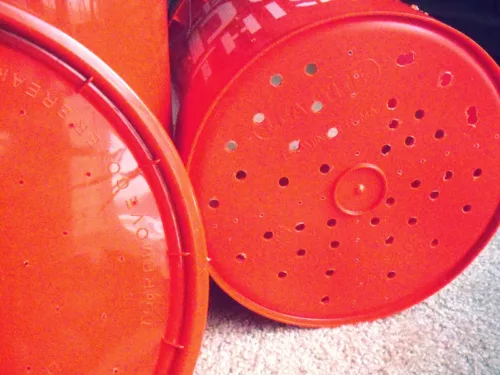
Take your Inner Bucket and drill twenty to thirty small 3-5mm drainage holes in the bottom. Use the cleaned Outer Bucket as is, and nest the Inner Bucket inside it. This catches the acidic leachate (effluent) so your food waste never sits in a swamp and rots.
Step 2: The Base Inoculation
Sprinkle two tablespoons of your Bokashi BAM! over the bottom of your dry Inner Bucket. Toss in one or two raw charcoal briquettes.
Step 3: The Daily Feeding Loop
Every time you add a layer of fresh kitchen scraps (fruit peels, coffee grounds, eggshells, onion skins) to the bucket:
- Add the Carbon: Toss one or two raw charcoal briquettes directly on top of the pile in bucket.
- Recycle: Add your load of scraps to the bucket on the briquettes.
- Dust the scraps: Sprinkle a thin dusting (1-2 tablespoons) of Bokashi BAM! over the scraps.
- Compress: Take a flat potato masher, a block of wood, or your hand, and press down the scraps added lightly. You want to squeeze out as much oxygen as possible to keep the LAB in charge.
- Seal: Keep the lid sealed airtight between feedings.
Repeat this daily. As the food waste releases its liquids, the charcoal briquettes sitting in the layers will act like natural siphons, soaking up the nutrient-dense leachate and neutralizing organic odors in situ. The briquettes are pressed with starch, or molasses, which is a natural LAB (Lactic Acid Bacteria) food source.
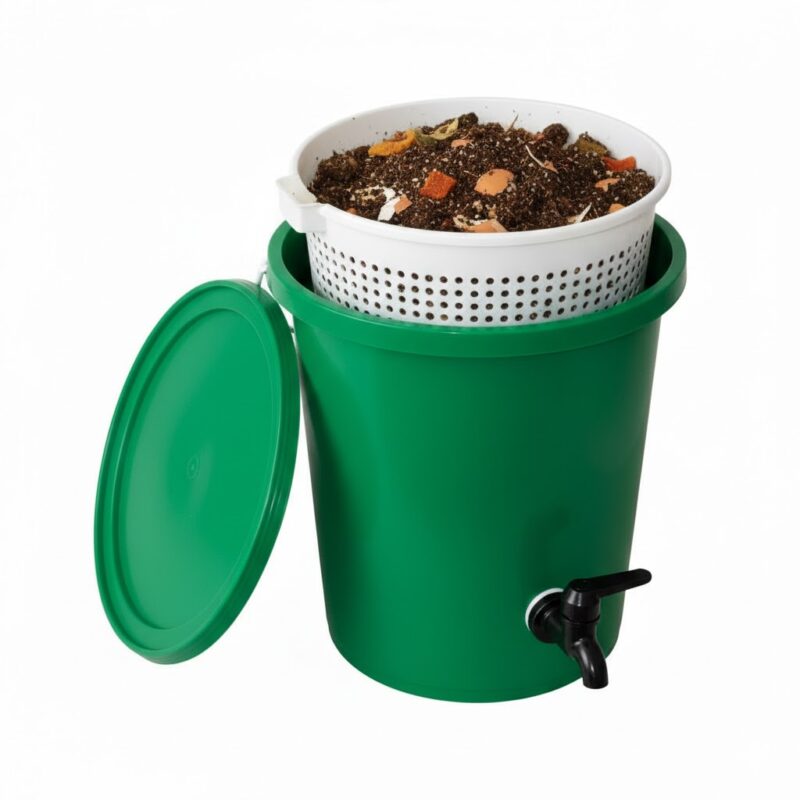
As the LAB eat the sugars and multiply they will also soften the briquettes to fall apart into granular carbon.
Every so often check that the bottom bucket has no leachate and drain as applicable to keep the inner bucket in a hands-free optimal moisture zone.
Section 5: The Garden Burial (The Matrix Wakes Up)
Once your double-bucket is packed to the top, let it sit sealed in a warm spot for two weeks to complete the fermentation process. Note that the buckets can be stored in garage, or shaded stoep, for a long time. As long as sealed and moisture retained the LAB will preserve the status quo.
When you open the lid, you should smell a clean, sweet-and-sour pickle aroma. The charcoal briquettes will still look solid, but they will be completely saturated with lactic acid, microbial proteins, and liquid organic nutrients and break apart with a poke.
The Trench Burial:
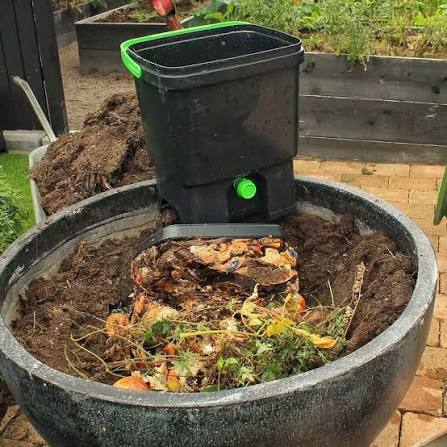
- Dig a trench in your garden bed about 20cm deep.
- Dump the fermented kitchen scraps and pickled charcoal briquettes into the trench.
- Take a spade and lightly smash the soft, acid-soaked briquettes. They will crumble incredibly easily now because the LAB has consumed the organic binders. Mix the crushed carbon directly with the pickled food scraps.
- Cover the trench with 10cm of native soil.
The moment this pickled, carbon-loaded matrix hits the oxygen and moisture of your garden, the dormant soil biology wakes up aggressively. Earthworms, beneficial fungi, and aerobic bacteria will swarm the burial site.
Because the charcoal is already fully charged with nutrients, it won’t steal anything from your soil. Instead, the fungi will thread their mycelium straight into the micro-pores of the crushed briquettes, locking the nutrients in place permanently. Within three weeks, the food scraps will have completely vanished, leaving behind a deep, rich, self-regenerating patch of genuine Terra Preta Nova.
-
STS
High-Viscosity Sodium Alginate | 99% Pure Food Grade Polymer
Original price was: R470.R333Current price is: R333. Add to basket🧫 99% Pure Reagent-Grade Sodium Alginate
🧫 High Viscosity (724 cP) for superior gel strength
🧫 Ideal for Preta Pearls, encapsulation & molecular gastronomy
🧫 Supplied in a reusable laboratory clip-top PP tub with silica pouch -
STS
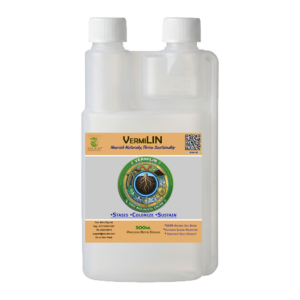
Eco Bini™ VermiLIN BAM! Living Microbial Concentrate | 500ml Bettix
Original price was: R185.R130Current price is: R130. Add to basket🌱 Living Microbial Concentrate from premium vermicast
🌱 Controlled Biological Stasis for extended shelf stability
🌱 Built-in Bettix dosing chamber for accurate mixing
🌱 Perfect for living soil, compost, biochar & regenerative growing -
STS
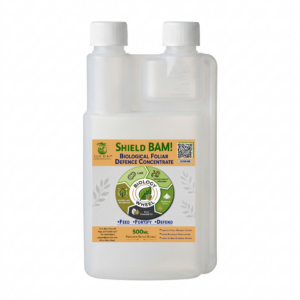
Eco Bini™ Shield BAM! Biological Foliar Defense Concentrate | Natural Pest Deterrent
Original price was: R280.R195Current price is: R195. Add to basket🌱 Living microbial foliar concentrate
🧄 Contains Garlic Extract, Mint and Castile Soap
🛡 Helps deter common soft-bodied garden pests.
🐝 Bee-friendly, animal-friendly and GRAS. -
STS
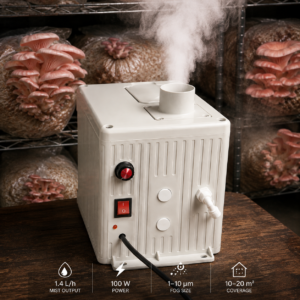
STS 1.4kg/h Industrial Ultrasonic Humidifier – Variable Fan
Original price was: R6,999.R5,599Current price is: R5,599. Add to basket🧫Industrial 24/7 Stainless Steel Ultrasonic Discs
🧫High-Volume 1.4kg/Hour Fog Output
🧫Integrated Variable Fan Speed Control
🧫Ruggedized Corrosion-Proof ABS Chassis