Biochar is not charcoal—it is biologically activated charcoal.
Answer
True biochar combines stable carbon with living biology to create permanent soil infrastructure. Raw charcoal is only the carbon skeleton. Once biologically activated, it becomes a long-term home for microorganisms that recycle nutrients and improve soil resilience.
What is Biochar?
Today almost every form of charcoal is marketed as “biochar.” This has created enormous confusion. Charcoal is simply carbon produced by heating biological material in the absence of oxygen.
Biochar begins as charcoal—but charcoal only becomes biochar once it has been biologically activated.
At Bundu Teq we use a simple definition:
Biochar = Biology + Char
The word Bio refers to the living biological community, not the biological origin of the wood.
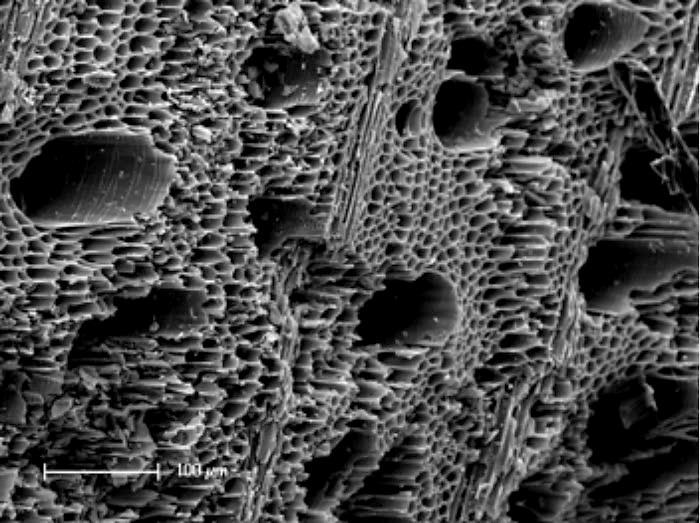
Without biology, it is simply charcoal. Without biological activation, raw charcoal can actually harm plant growth by locking up nitrogen (Nitrogen Theft) and stripping available nutrients from your soil.
Why Raw Charcoal Fails?
Raw charcoal is far from ready for agricultural use.
Fresh charcoal behaves like an empty carbon matrix with enormous internal surface area. Before microorganisms occupy these pores, the carbon aggressively absorbs water, nutrients and dissolved organic compounds from the surrounding soil.
Fresh charcoal also contains highly soluble mineral ash. When first wetted, these salts dissolve rapidly, producing localized high electrical conductivity (EC) around the particles. In sensitive crops this temporary salt flush can stress young roots.
Biological activation solves both problems.
The carbon is first conditioned, then colonized by beneficial fungi, bacteria and other soil organisms while simultaneously becoming saturated with nutrients and organic compounds.
The result is no longer an inert carbon particle.
It becomes living biological infrastructure.
How True Biochar Is Engineered
Terra Preta provides the best proof that biochar is more than charcoal.
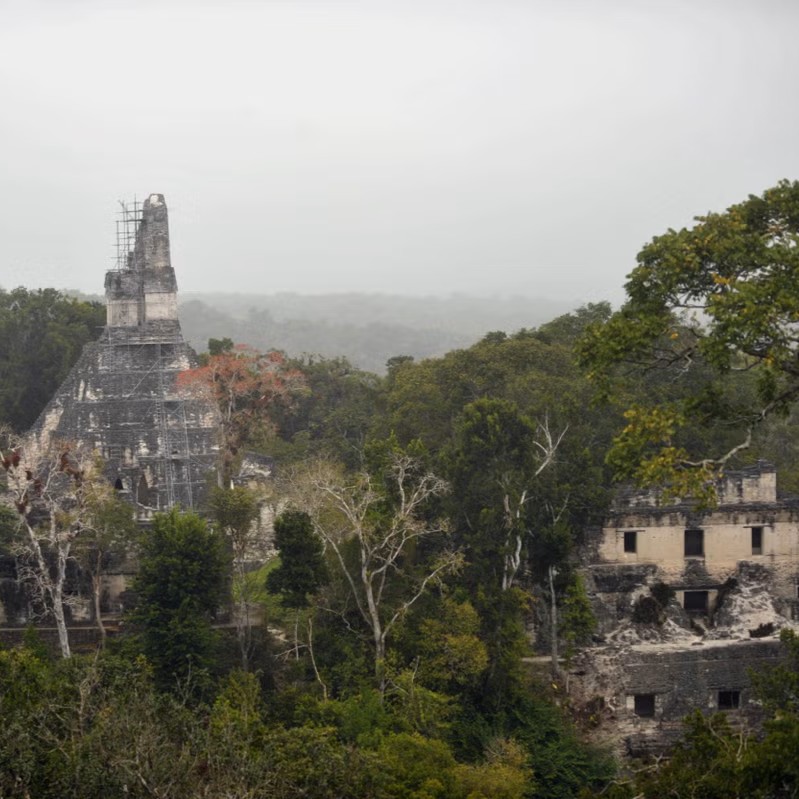
Ancient Amazonians did not spread raw charcoal onto their fields.
Over generations they combined charcoal fines with food waste, bones, manure and other organic residues, allowing the carbon to become permanently integrated into a living soil ecosystem.
Modern Terra Preta Nova follows exactly the same engineering principle.
Rather than adding charcoal to the soil and hoping nature does the rest, the carbon is biologically activated before installation.
The result is a permanent biological foundation that supports nutrient cycling, improves resilience and reduces nutrient losses.
Key Takeaway
Biochar is not fertilizer. Plants cannot eat carbon.
Its true role is structural—supporting the living biological systems that feed the plant. Think of it as building a permanent, home for beneficial microbes. It increases crop resilience, prevents nutrient leaching during heavy rains, and stabilizes living soils under tough, real-world Bundu conditions.
Do not search for Biochar, search for charcoal ,or even make your own when clearing invader bush.
- Biochar is not another fertilizer.
- Plants cannot eat carbon.
- Carbon provides the infrastructure.
- Biology provides the function.
- When combined, they create one of the most durable biological production systems ever discovered.
This is the scam!
Pasteurizing Bio-Engineers
Plant-Available Nutrients
Selective Nutrition
Bundu Teq Hub
Socratic Questions
- Is biochar the same as charcoal?
- Why should charcoal be activated before adding it to soil?
- What does the “bio” in biochar actually mean?
- Can raw charcoal damage plants?
- How did Terra Preta create fertile soil?