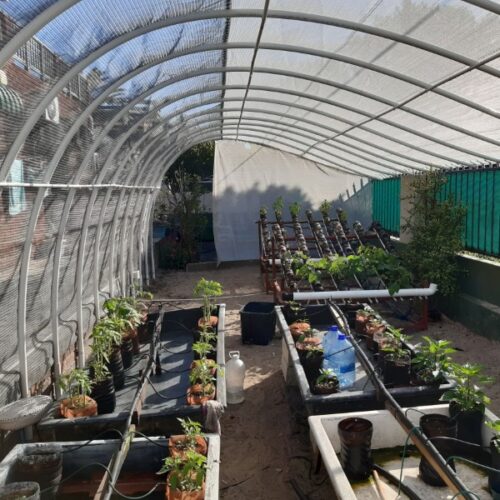
A newly joined vegetable graft possesses zero functional root structure to draw up ground water, making a spike in Vapor Pressure Deficit instantly fatal. Maintaining an ultra-precise atmospheric window between 92% and 96% RH is mandatory to halt transpiration and prevent cellular turgor collapse. This lab note details the fluid dynamic differences between coarse mechanical misting and 1-5 micron ultrasonic dry fog. Learn the volumetric calculations and low-velocity manifold plumbing layouts required to guarantee zero transplant mortality across high-density seedling benches.
Summary
In commercial, high-density plant propagation and precision vegetable grafting (such as commercial tomato, pepper, or grapevine operations), managing the atmospheric environment is a matter of strict crop survival. When an unrooted seedling plug or a newly joined graft is placed into a propagation facility, it enters a high-risk physiological state.
With zero developed root architecture to draw up groundwater, the plant cannot replenish water lost to the atmosphere. This lab note details the engineering principles of Vapor Pressure Deficit (VPD), the physical mechanics of cellular collapse in propagation, and how to deploy ultrasonic micro-vapor systems to eliminate transplant mortality.
The Plant Physiology: Stomatal Mechanics and VPD
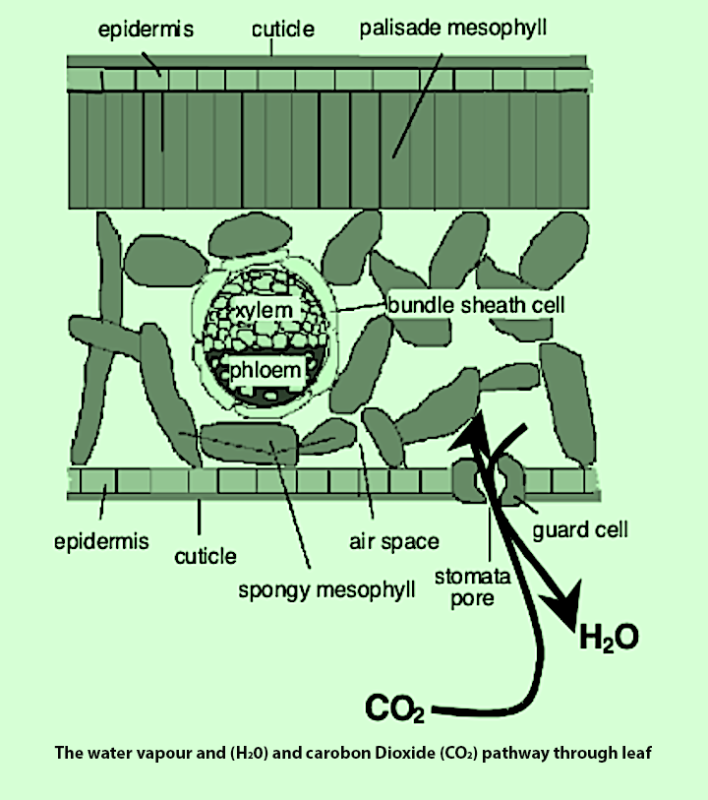
To understand why traditional misting systems fail in high-density propagation, you must analyze the Vapor Pressure Deficit (VPD). VPD is the difference between the pressure exerted by the water vapor inside the internal leaf structure (100% saturation) and the water vapor pressure of the surrounding ambient air. It represents the true drying power of the atmosphere.
VPD = VPsat – VPair
When ambient humidity drops—even for a brief 15-minute window during a hot afternoon—the VPD spikes. This wide pressure differential acts like an environmental vacuum, pulling moisture out of the plant’s leaves through its microscopic pores (stomatal apertures).
For an established plant with a mature root system, this transpiration drive is healthy—it pulls nutrients up from the soil. However, for an unrooted cutting or a freshly spliced graft, the water loss cannot be replaced. The plant’s internal cellular turgor pressure (the fluid pressure that keeps cell walls rigid and upright) drops to zero. The cell walls collapse, the graft union dries out before vascular reconnection can occur, and the plug dies.
The Hardware Breakdown: High-Pressure vs. Ultrasonic Mist
Maintaining a low VPD requires keeping the environment at a near-saturated 92% to 98% RH during the initial 4 to 7 days post-grafting or sticking. Traditionally, growers attempted this using high-pressure mechanical misting lines.
The Failure of Mechanical Misting
High-pressure hydraulic nozzles rely on sheer line pressure (4,000 to 7,000 kPa) to force water through tiny brass orifices. This method generates a nominal droplet size ranging from 20 to 100 microns.
Because these droplets are relatively heavy, they cannot remain suspended in the air. They drop rapidly out of the air column, physically wetting the leaf surface and soaking the propagation media (such as peat or rockwool plugs). Over-saturating the media drives oxygen completely out of the plug, creating an anaerobic root zone that triggers stem rot (Pythium) and prevents adventitious root initiation.
The Ultrasonic Dry Fog Standard
Ultrasonic transducer arrays utilize submersed piezoceramic discs vibrating at ultra-high frequencies (2.4 MHz). This kinetic action instantly shatters liquid water into an incredibly fine micro-vapor with a uniform droplet size of under 10 microns.
This micro-vapor behaves physically like a gas rather than a liquid spray. It creates a dense, hovering “dry fog” that blankets the entire propagation canopy.
- The Vapor Barrier: The ambient air reaches a locked-in, high-saturation state, reducing the VPD vacuum to near zero. Transpiration halts entirely, preserving the seedling’s internal moisture.
- Dry Media Integrity: Because the droplets are so small, they bounce off solid surfaces and evaporate into the air column rather than condensing into liquid pools. The plug media remains perfectly damp and highly oxygenated, providing the ideal aerobic environment for rapid root development.
Engineering Design & Volumetric Calculations
To integrate an automated ultrasonic system into a commercial propagation greenhouse or dedicated grafting chamber, you must size your humidification output based on the total air volume and ventilation turnover.
Calculating Required Humidification Output
To find the required water output needed to sustain a near-saturated environment, use this fluid volume formula:
Example Application Profile:
You are engineering a dedicated, insulated vegetable grafting chamber measuring 5 meters long, 4 meters wide, and 2.5 meters high (50 m3 total volume). The facility operates at a minimal baseline ventilation rate of 2 air changes per hour to prevent air stagnation, and you must raise ambient air from 40% RH up to a continuous 95% RH at (requiring an additional injection of roughly of water per cubic meter of air).
While the raw calculation demands 1.15 L/h, real-world commercial greenhouses must account for structural layout leakage, plant surface absorption, and sudden door openings. For industrial reliability, always apply an engineering safety factor of to propagation chambers.
Therefore, for this space, your facility requires an ultrasonic system capable of delivering a minimum of (such as a heavy-duty, stainless-steel multi-disc industrial humidifier) to ensure the environment never drops below the critical turgor threshold.
Step-by-Step Installation & Control Layout
1. Plumbing the Overhead Low-Velocity Manifold
To distribute the micro-vapor uniformly across high-density seedling benches without creating high-velocity drafts that trigger mechanical stress in the plants, construct a low-velocity distribution network:
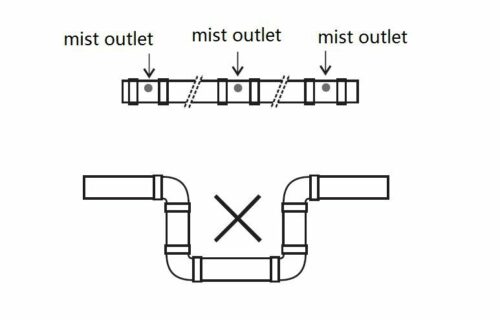
- Plumb Main Feed Trunk: Run a rigid 110mm uPVC pipe directly from your ultrasonic mist generator output along the central spine of the propagation room, positioning it roughly 1.5 meters above the seedling canopy.
- Drill Low-Velocity Ports: Drill 25mm discharge ports along both sides of the 110mm trunk line, spaced exactly 40cm apart. Angle these ports horizontally (90 degrees away from the pipe center) so the fog drifts outward and blankets the room naturally, rather than forcing a high-velocity downward blast onto the plugs.
- Configure Drainage Slope: Slope the entire uPVC manifold line at a slight 2-degree downward incline back toward the mist generator reservoir. This ensures any minor internal condensation runs cleanly backwards into the machine rather than pooling in low spots and choking the internal blower fan.
2. Sensor Placement and Automated Calibration
Position your environmental controller probe (such as an SHT25 digital sensor equipped with a hydrophobic sintered cap) directly inside the seedling canopy layer.
- The Placement Rule: Mount the probe at exact plant height, precisely halfway down the production bench length. Never mount it near the ceiling or directly under a manifold discharge port, as this leads to false high readings while the rest of the crop starves for moisture.
- Hysteresis Parameters: Program your digital environmental controller with an ultra-tight band. Set the primary humidification circuit to trigger ON at 92% RH and shut OFF at 96% RH. This tight, 4% operational buffer prevents severe climate cycling, keeping the seedling’s stomata stabilized and completely preventing cellular wilting.
Critical Troubleshooting for Propagation Environments
When environmental data fields drift or plant mortality rates spike, execute this diagnostic sequence immediately:
- Symptom 1: Seedlings along the edges of the benches are wilting, while the center remains upright.
- Root Cause: Severe micro-climatic dry pockets caused by internal air drafts bypassing the main vapor manifold.
- Correction: Install slow-moving, low-velocity internal circulation fans pointed away from the plants to gently homogenize the air layer, eliminating localized dry zones.
- Symptom 2: Seedling stems are damping-off or falling over at soil level with a mushy, translucent appearance.
- Root Cause: Free liquid water is condensing on the plants due to oversized droplets or running the system past 98% RH into complete condensation.
- Correction: Tighten your controller hysteresis window down to a maximum shut-off ceiling of 95% RH. Inspect the ultrasonic water reservoir; ensure the water level isn’t too high above the piezoceramic discs, which causes heavy, coarse spitting instead of a fine dry fog.
- Symptom 3: The ultrasonic generator runs constantly, but the room cannot break past 70% RH.
- Root Cause: Your greenhouse or grafting chamber has excessive ventilation air-exchange turnover, or the mineral content in the water has coated the transducer discs.
- Correction: Check your exhaust fan cycle timers; reduce the active air turnover during the critical initial 72-hour grafting window. Perform a routine descaling wash on the ultrasonic array using a light vinegar solution to restore full acoustic vibration amplitude.
-
STS
Dried Elephant Garlic Slices – Sweet, Mild Flavour (40g)
Original price was: R115.R95Current price is: R95. Add to basket🧄Organic Elephant Garlic
🧄Low-temp dried gourmet slices
🧄Naturally sweet & mild
🧄Small-batch South African -
STS

RIA Rhizomorphic Induction Agar – 190g – XA-Midnight
Original price was: R750.R350Current price is: R350. Add to basket🧫 RIA Nutrient Agar premix.
🧫 Engineered for Rhizomorphic Induction.
🧫 Why settle for Tomentose “fluff” when you can have “ropes”?
🧫 XA-Gel Tek with Carbon – makes 7 litres. -
STS
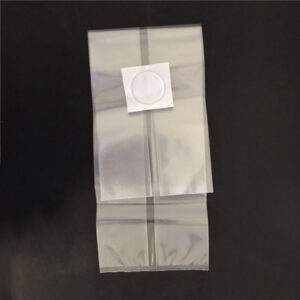
13x12x50cm Gusseted Spawn Bag [0.2μm Filter]
Price range: R15 through R1,146 Select options This product has multiple variants. The options may be chosen on the product page🧫 Commercial-grade 60 Micron Polypropylene
🧫 Non-woven 0.2µm ePTFE filter patch
🧫 Maximum sterility during grain spawn production
🧫 Gusseted design – Autoclavable up to 126°C -
STS
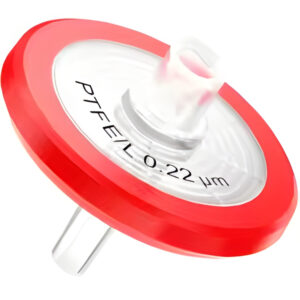
0.22µm PTFE Syringe Filters (25mm) | Bulk or Sterilized
Price range: R26 through R349 Select options This product has multiple variants. The options may be chosen on the product page🧫 Hydrophilic 25mm PTFE Syringe Filters.
🧫 0.22µm pore size for total sterility.
🧫 Chemical resistant and easy-flow.
🧫 Available as SafeSteri autoclaved singles or bulk.