Achieve superior biosecurity in urban farming with SteriPmax, a no-residue Peracetic Acid (PAA) solution.
Summary
This guide details precise metric dosing for cleaning irrigation lines, pasteurizing seeds and cuttings, treating soil, combating foliar pathogens like powdery mildew, and ensuring post-harvest cleanliness. Learn how PAA integrates seamlessly into closed-loop systems, eliminating pathogens without toxic chemical baggage.
⚠️ Technical Operator Note: SteriPmax is an educational open-source protocol developed by SPeS. The metric dosages, volumetric ratios, and PPM thresholds detailed in this field note are optimized for standard, commercially stabilized 5% Peracetic Acid (PAA) formulations available through local industrial, laboratory, and agricultural chemical suppliers. Always verify the concentration of your PAA product before calculating dilutions.
The Problem: Pathogen Outbreaks in Closed-Loop Urban Farming
In the intricate world of sustainable urban farming, particularly within closed-loop systems that cycle waste streams between plants, mushrooms, and earthworms, maintaining a delicate biological balance is crucial. While highly efficient, these concentrated environments, often characterized by higher humidity, are highly susceptible to sudden outbreaks of molds, bacteria, or other pathogens. Such outbreaks can swiftly devastate months of hard work, leading to significant crop losses and economic setbacks.

Traditional industrial farming often relies on harsh solutions like chlorine bleach or synthetic fungicides to control these outbreaks. However, in a closed-loop urban farm, these conventional chemicals pose a lethal threat. Residual chlorine salts accumulate in the growing media, effectively killing off beneficial vermicompost worms, stunting mushroom mycelium, and disrupting the entire microbial ecosystem that forms the backbone of a sustainable farm. The challenge, therefore, is to find a biosecurity solution that is both aggressively effective against pathogens and entirely compatible with the delicate, living components of a closed-loop system, leaving no toxic trace behind.
The Principle: PAA as the Biological Reset Button
The solution lies in leveraging the unique properties of Peracetic Acid (PAA), specifically through products like SteriPmax. As detailed in Peracetic Acid – The Cold Sterilization Blueprint, PAA is a powerful oxidizer that destroys pathogens on contact. Crucially, it then rapidly degrades into harmless water, oxygen, and trace plant acids (acetic acid). This decomposition profile is what makes PAA the ultimate “biological reset button” for urban farming.
When an outbreak occurs, or when preventative measures are needed, SteriPmax allows operators to precisely target and eliminate pathogens without poisoning the broader closed-loop ecosystem. Its aggressive oxidative action ensures no pathogen can develop resistance, while its clean breakdown guarantees that beneficial soil microbes, vermicompost worms, and mushroom mycelium remain unharmed. This principle enables a proactive and reactive biosecurity strategy that is both highly effective and perfectly aligned with the ecological integrity of sustainable urban farming practices.
Application: PAA Methodology in the Field
Integrating Peracetic Acid (PAA) into urban farming operations requires precise methodologies to ensure maximum efficacy against pathogens while safeguarding the delicate balance of a closed-loop system. This section outlines targeted applications and dosing protocols for SteriPmax across various critical areas of an urban farm.
Water Systems & Drip Line Maintenance
Biofilm – a resilient, rubbery sugar slime produced by bacteria – is the primary culprit behind clogged hydroponic emitters and fouled irrigation lines. This protective matrix not only shields root-rot pathogens from weaker treatments but also significantly depletes the dissolved oxygen levels in your water, stressing plants.
A. Algae & Slime Control in Storage Tanks
To maintain crystal-clear standing water lines, sand filters, humidification systems, and reservoirs, preventing the growth of algae and bacterial slime:
Dose: 50 PPM active 5% PAA. This translates to mixing 1 ml of SteriPmax per Liter of water.
Method: Apply as a continuous maintenance dose. During warm, sunny periods, when algae blooms are accelerated, maintain this low-level dose in your water systems.
B. Drip Line & Hydronic System Purging
To actively dissolve existing biofilm slimes and scale buildup within active piping without the need to uncouple your plumbing:
Dose: 100 PPM active 5% PAA. Mix 20 ml of 5% Peracetic Acid per 10 Litres of water (or 2ml per 1L).
Method: Run this mixture directly through your irrigation lines during a standard 30-minute watering cycle. PAA will not react with or degrade organic nutrients, stable fertilizers, or non-ionic surfactants. Crucially, do not flush the lines with raw water immediately after the cycle ends; allow the PAA solution to sit in the lines to prolong its cleaning action.

Seed, Root, and Cuttings Pasteurization
Pathogens such as Pythium (root rot), Fusarium, and Phytophthora (blights) frequently hitchhike into nursery beds on contaminated seed coats, imported bulbs, or unverified root cuttings, leading to early crop failure.
[ Raw Seed / Infected Cutting ] ──> [ 2-Min SteriPmax Bath ] ──> [ Clean Slate ] ──> [ Inoculate with Living BAM! ]
A. Pre-Plant Root & Cutting Dips
To sanitize clones, cuttings, or bare-root transplants before introducing them to your main growing system, ensuring a pathogen-free start:
Dose: Mix 3.2 ml of SteriPmax per 1 Litre of water (or 160 ml per 50L).
Method: First, clean away any dead or dying foliage. Submerge the entire root zone, bulb, or cutting completely into the solution for 60 to 90 seconds. Remove, allow to drain completely, and plant directly. Do not rinse.
B. Seed Coat Pasteurization
This step is essential for protecting high-value heirloom seeds or sensitive crops from early damping-off fungi and other seed-borne pathogens:
Dose: Mix 3.2 ml of SteriPmax per 1 Liter of water.
Method: Soak seeds completely submerged for exactly 2 minutes. Strain the liquid off and allow the seeds to drain.
The Biological Reset Follow-Up: After PAA treatment, the seed coat is a perfectly clean biological canvas. This is the ideal moment to inoculate the seed with beneficial microbes by dusting them with dry BAM! powder or soaking them in a mature vermicast tea, promoting robust early growth and disease resistance.

Soil and Bedding Applications
PAA is highly effective in managing common soil-borne wilts and root diseases like Verticillium and Rhizoctonia, applicable in both open beds and container media. Its performance remains entirely unaffected by previous biochar additions or soil fumigation.
A. Pre-Planting Shock Treatment (No Plants Present):
To thoroughly clear a contaminated bed or seedling hole before transplanting, eliminating residual pathogens:
Dose: Use a high-strength 500 PPM drench. Mix 9.5 ml of SteriPmax per 1 Liter of water.
Method: Pour 25ml to 50ml of this mixture directly into each seedling hole. Allow the bed to stand undisturbed for 15 minutes to allow the PAA to complete its oxidative burn and dissipate before carefully placing your seedling.
B. Established Crops Maintenance (With Plants Present):
To treat soil with active living plants or delicate young seedlings present, requiring a gentler but still effective approach:
Dose: Reduce the strength to 50–100 PPM. Mix 1 ml to 2 ml of SteriPmax per 1 Liter of water as a direct soil drench.
C. Hydroponic Reservoir Adjustments:
When adding SteriPmax directly into an active deep-water culture or flood-and-drain reservoir at a 50 PPM maintenance dose (1 ml per 1 Liter), always verify your system’s water pH after 30 to 60 minutes. This ensures the pH has balanced back into your crops’ preferred operational range, maintaining nutrient availability and plant health.
Foliar Crop Protection (Fungal Control)
Deploying SteriPmax directly onto leaf surfaces offers a non-toxic method to halt active fungal outbreaks such as Powdery Mildew, Blights, Rusts, and Trichoderma on contact, without leaving oily residues or chemical odors.
A. The Curative Strike (Active Outbreak):
To rapidly address an active fungal infestation:
Dose: Mix 5 ml to 10 ml of SteriPmax per 1 Liter of clean water.
Method: Mist the plants heavily, ensuring all leaf surfaces, stems, and the undersides of the leaves are completely wetted.
Note on Leaf Damage: PAA instantly kills the fungus, but it cannot repair physical cell damage already done to the plant. Treated powdery mildew spots will turn brown and dry up after application. You can then safely prune away these dead leaves without the risk of spreading active spores through your greenhouse.

B. The Weekly Preventative:
To establish a protective shield against future fungal infections:
Dose: Mix 1 ml to 1.5 ml of SteriPmax per 1 Liter of clean water.
Method: Spray your crops once a week as a preventative measure. Repeat immediately after any heavy rain event that might wash away the protective layer from leaf surfaces.
Post-Harvest & Processing Room Protocols
Maintaining hygiene after harvest and within processing areas is crucial for extending shelf life and preventing spoilage.
[ Harvested Produce ] ──> [ 60-Sec SteriPmax Submersion (80 PPM) ] ──> [ Spin Dry & Pack (No Rinse Required) ]
A. Produce Washing:
To protect harvested fruits, potatoes, and vegetables from early rot and spoilage during transport and storage:
Dose: Submerge or spray them with an 80 PPM solution (1.6 ml of SteriPmax per 1 Liter of water).
Method: Ensure a minimum contact time of 45 to 60 seconds. Because PAA is approved under National Organic Program (NOP) regulations for organic crop processing, no final potable water rinse is required. The produce can go straight from the wash to the shelf or packaging.
B. Cleanroom Fogging:
To clear the air of floating wild yeasts, mold spores, and non-public health microbes in packaging or mushroom inoculation rooms:
Dose: Apply 3 ml to 17.5 ml of SteriPmax concentrate per cubic meter of room volume through a mechanical fogger.
Method: Close the space completely and allow it to fog for a minimum of 4 hours. Ensure the room is thoroughly ventilated before re-entering to work, as concentrated PAA vapour can be irritating.
Conclusion: The Golden Rules for Field Operations
SteriPmax represents the ultimate bridge between absolute cleanliness and the principles of living organic farming. By deploying it at targeted Parts Per Million (PPM) strengths across your irrigation, nursery beds, foliar applications, and post-harvest lines, you gain the power to decisively eliminate destructive pathogens on contact. Simultaneously, you ensure your broader closed-loop ecosystem remains completely free of toxic chemical baggage, fostering a healthy, productive, and sustainable urban farm.
To maintain total control over your farm’s biosecurity and ensure optimal performance, memorize these golden rules for SteriPmax field operation:
Mix Fresh Daily: Never mix a batch of diluted PAA and store it for future use. Once diluted in water, the chemical equilibrium shifts, and the PAA begins reverting back to water and vinegar within 24 to 48 hours. Mix only what you need, use it, and safely discard any remaining solution.
The UV Kill Switch: If you use SteriPmax in a closed hydroponic reservoir or a wash tank and need to neutralize its chemical activity immediately before introducing living biological assets (like Biologically Active Carbon (BAC) or active vermicast extracts), simply expose the water to an inline UV-C sterilizer or direct, bright sunlight. High-intensity UV light completely destroys the PAA molecule instantly, leaving nothing but a clean, oxygenated water base, ready for beneficial biology.
Organic & GRAS Status: PAA is a uniquely powerful sanitizer, being the only one approved by the USDA Organic under the National Organic Program (NOP) for organic processing surfaces. While chlorine dioxide and standard chlorine treatments legally mandate verification and logging that residual chemical concentrations have dropped below threshold limits, PAA requires zero residual verification. This is due to its complete breakdown into non-toxic components, leaving no harmful salts behind and simplifying compliance.
-
STS
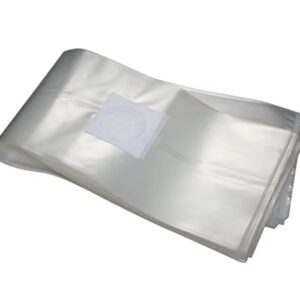
10x8x35cm Mother Spawn Bag [0.2μm Filter]
Price range: R12 through R745 Select options This product has multiple variants. The options may be chosen on the product page📦 Commercial-grade 60 Micron Polypropylene.
📦 Non-woven 0.2µm ePTFE filter patch.
📦 Maximum sterility during grain spawn production.
📦 Gusseted design – Autoclavable up to 126°C. -
STS
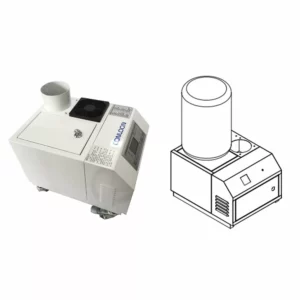
STS 7kg/h Commercial Ultrasonic Humidifier
Original price was: R28,500.R24,999Current price is: R24,999. Add to basket🏗 Commercial 7 kg/h ultrasonic humidifier.
🏗 Dual water supply (autofill or 20L bottle interface).
🏗 Gen³ heads, stainless steel, auto shut-off.
🏗 Smart Humidity control – CE Accredited. -
STS
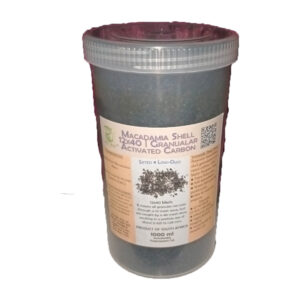
Macadamia Shell Granulated Activated Carbon | 1L Autoclavable Tub
Original price was: R169.R135Current price is: R135. Add to basket🛠️Mesh 12×40 macadamia activated biochar
🛠️Pre-packed in 1L autoclavable tub
🛠️Dual-pore network traps internal primers
🛠️Water filtration, odour removal, or horticultural use. -
STS
Passive Organic Hydroponics Start Kit & Course | Vermiponics
Original price was: R499.R359Current price is: R359. Add to basket🛠 5L Passive Vermiponic Starter System
🛠 Includes 2 dm³ VermiCore Living Growth Medium
🛠 Free STS Practical #11 Digital Manual Included
🛠 Learn to Build & Scale Your Own Vermiponic Systems
5 Socratic Questions:
1. How can farmers effectively monitor PAA concentration in active irrigation lines for optimal biofilm control?
2. What are the precise environmental conditions that necessitate increased PAA dosing for foliar pathogen prevention?
3. Can SteriPmax be safely used in conjunction with beneficial insect releases in a closed-loop greenhouse?
4. What are the long-term effects of continuous low-dose PAA application on soil microbial diversity?
5. How do you safely dispose of expired or unused concentrated SteriPmax solutions in an urban setting?