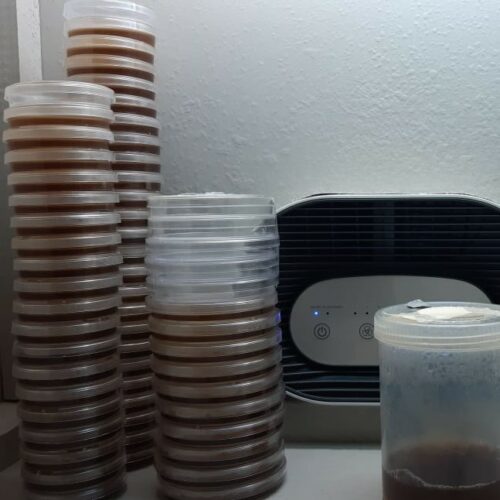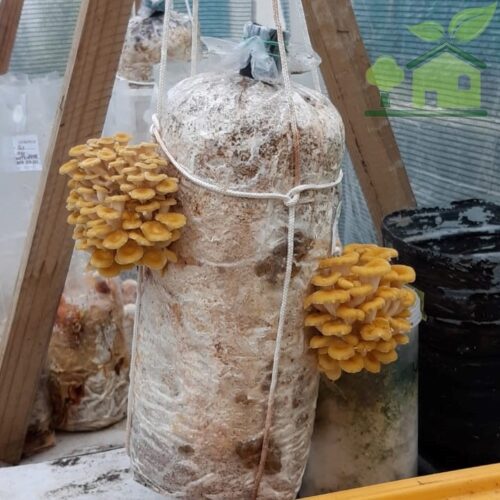
Decades of fungal viability, zero electricity needed. Lock in your elite genetics with sterile water.
Summary
Tired of your precious mushroom strains degrading with every transfer? Sick of the constant need for refrigeration and costly lab gear? The Castellani Method, developed nearly a century ago, offers a ridiculously simple yet incredibly effective way to preserve fungal genetics for decades. This isn’t just about keeping cultures alive; it’s about safeguarding your best work and ensuring stability.
Why This Matters: The Slow Fade of Subculturing
Every time you transfer mycelium to fresh agar, you’re essentially asking it to start life anew.
This constant cycle of growth, while necessary for propagation, also leads to strain senescence. Think of it like this: the mycelium ages a little with each transfer, it can mutate slightly, and gradually, its vigour and unique characteristics start to fade. Agar slants slow this down, and liquid cultures speed it up because they’re designed for growth, not storage.
When your goal is preserving genetics for the long haul – not just making more spawn – you need a different approach. Aldo Castellani cracked this code back in 1939 by removing the conditions that drive growth.
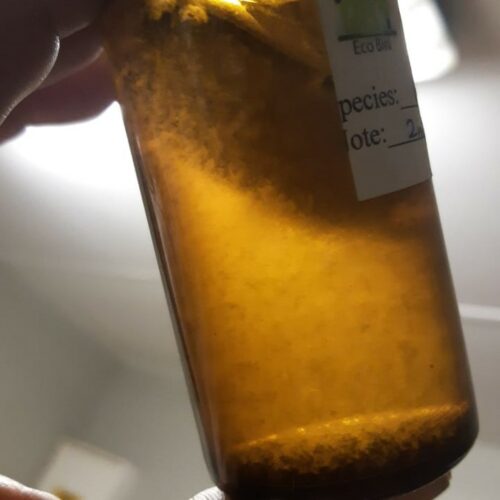
Over decades, studies like the 1989 Venezuelan paper “Preservation of fungi in water (Castellani): 20 years” by Claudia Hartung de Capriles et al. have validated its efficiency, showing 90% of 20-year-old strains surviving.
The Core Principle: Dormancy by Design
The Castellani Method is elegantly simple: you place healthy, actively growing mycelium into sterile distilled water. This water is essentially nutrient-free. Life needs energy to grow, and without food (carbon, nitrogen, etc.), the mycelium can’t expand.
Instead of dying, it shifts into a low-metabolic survival state. It’s not dead; it’s just waiting. Because so little biological work is happening, the ageing process slows dramatically. This has been proven over decades, with studies showing 90% viability in strains stored for 20 years. It’s a dormant state that preserves the genetics with minimal degradation.
Practical Application: Crafting and Storing Your Genetic Vault
The true power of the classic Castellani method lies in its simplicity and accessibility. This isn’t rocket science, but it requires precision. We’re aiming for a sterile environment and a dormant state.
Materials Required:
Healthy, actively growing mycelium: From fresh agar plates or slants. The cleaner, the better.
Sterile distilled water: This is non-negotiable. Tap water has too many minerals and unpredictable ions that can interfere.
Airtight vials or tubes: Small glass vials (like HPLC vials, 50mL conical tubes, or even small screw-top test tubes) with secure caps are ideal. They need to be able to hold a sterile seal.
Sterilization equipment: A pressure cooker (autoclave) is best for sterilizing water and vials.
Sterile transfer tools: Scalpel, tweezers, or inoculation loops.
Optional: A dark, stable room temperature environment for storage.
Sterile Workspace: While not a full lab, a Still Air Box (SAB) or a laminar flow hood is highly recommended to minimize airborne contaminants during the inoculation process. Minimizing exposure to room air is the goal.
Sanitizing Agents: 70% Isopropyl Alcohol (IPA) or a peracetic acid solution like SteriPmax for surface sterilization.
Aseptic Techniques: Learn about increasing your aseptic method of working – bear in mind that often you are the biggest contaminant – excuse the pun. Always shower and wear clean clothes, don’t come in from the garden and think its ok.
Step-by-Step Classic Castellani Method for Preservation:
1. Prepare Your Vials:
Fill your chosen vials about halfway to two-thirds full with sterile distilled water.
Crucial Sterilization: If you’re sterilizing the water in the vials, loosely cap them (just a quarter turn) and run them in a pressure cooker at 15 PSI for 20-30 minutes. Let them cool completely. This ensures the water is sterile and any dissolved gases that could interfere with dormancy are driven off.
2. Select Your Mycelium:
Using a clean agar plate or slant, identify a healthy, vigorous-looking section of mycelium. You want a piece that’s actively growing but not overly aged or showing signs of stress.
The Goal: Transfer a small, viable fragment. Avoid bringing over excess agar or substrate material, as this can introduce nutrients and interfere with dormancy.
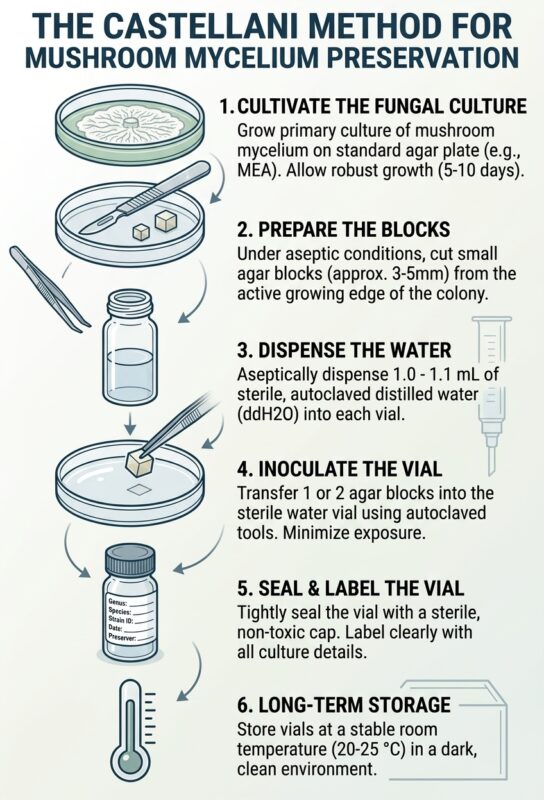
3. The Sterile Transfer:
Work in a sterile environment (like a flow hood or a clean space with minimal air movement).
Carefully open your prepared sterile vial.
Using your sterilized scalpel or tweezers, gently cut a small piece of mycelium (e.g., 5mm x 5mm) and transfer it into the sterile distilled water.
Immediately and securely seal the vial. A tight cap is essential to maintain the sterile barrier and prevent evaporation.
4. Incubation (Optional but Recommended for Stability):
While the Castellani method relies on dormancy, a brief incubation period of 10-12 days at a stable room temperature (around 23-27°C) can help the mycelium settle into its new environment before entering long-term dormancy. This isn’t for propagation, but for stabilization.
5. Storage:
Store the sealed vials at a stable room temperature, away from direct sunlight. Some sources suggest refrigeration (around 4°C) can extend viability further, but the classic method relies on room temperature dormancy. Avoid freezing, as ice crystals can damage the mycelium.
Label clearly with the strain name, date, and any relevant information.
STS Notes (Practical Insights):
Cleanliness is Paramount: Any contamination introduced at the transfer stage will grow and potentially ruin your culture. Work as aseptically as possible.
Avoid Agar Carryover: This is the most common mistake. Even a tiny bit of agar can provide enough nutrients to kickstart unwanted growth or prevent true dormancy.
Vial Size Matters: Narrower vials can be more efficient for later retrieval of the mycelium.
Check for Clarity: After a few days of optional incubation, the water might show sediment as the mycelium settles. This is normal. If it becomes thick and misty, slightly opaque, this is unfortunately normally a bacterial contaminant – start over.
Long-Term Viability: Studies show this method can preserve cultures for 1-20 years, with some isolates surviving longer. The exact duration depends on the species and how clean the initial transfer was.
For the STS we made Culture bottles with integrated SHIP (Self-healiing Injection Ports). If using standard screw-top jars or bottles, consider using Parafilm, high-quality microporous laboratory tape, or PE film to further secure the seal after the initial tightening for a Hermetic seal.
Why Does the Castellani Method Work?
It’s all about removing the requirements for growth. By stripping away nutrients and oxygen (sealed vials limit this), you force the mycelium into a dormant, low-energy state. This drastically slows down the aging process and genetic drift that occurs with continuous subculturing. It’s a simple, effective way to hit the pause button on your valuable fungal genetics.
Practical Conclusions

The Castellani Method is a game-changer for serious cultivators and mycologists. It’s:
Cost-Effective: Requires minimal materials – distilled water, sterile vials, and your culture. No expensive equipment needed beyond basic sterilization.
Low Maintenance: Once stored, it requires no ongoing care or energy input.
Genetically Stable: Significantly reduces strain senescence compared to repeated transfers.
Space-Efficient: Vials take up far less space than agar plates.
Kudos to Castellani…
for providing a near-century-old solution that still stands as one of the most reliable methods for long-term fungal preservation.
A Different Approach: Bundu Castellani
While the classic Castellani method is excellent for pure dormancy, we’ve explored a variation called “Bundu Castellani” (detailed in STS Lab Note #34). This method uses a low-level selective mineral solution (VermiLIN) instead of pure distilled water. This allows for both long-term storage and the ability to directly use the vial as a “shake-to-activate” liquid inoculant, offering a different kind of practical advantage.
-
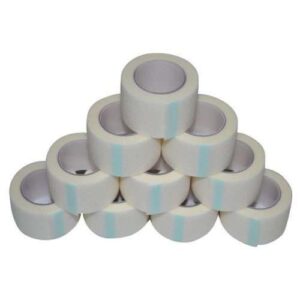
Microporous Breathable Tape (5m)
R55 Add to basket🧫 5m roll of breathable microporous tape.
🧫 Latex-free and easy to tear.
🧫 Providing filtered gas exchange.
🧫 Fully autoclavable and hypoallergenic. -
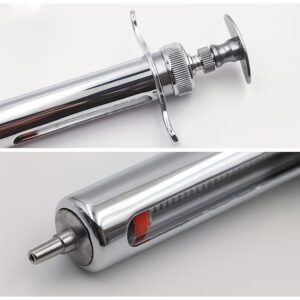
Vetinary Stainless Steel Syringe (20ml) – Autoclavable
R745 Add to basket🧫 Fully autoclavable build
🧫 Medical-grade 316 Stainless Steel
🧫 Master Liquid Culture inoculations. -
Extra Light Malt Extract (LME) 250g | Mycology Grade
R75 Add to basket🧫250g Extra Light Malt Extract (LME)
🧫 Low Precipitate spray-dried LME.
🧫 Prepares mycelium for grain transition (No-Lag.)
🧫 Resealable metallic clear stand-up pouch -
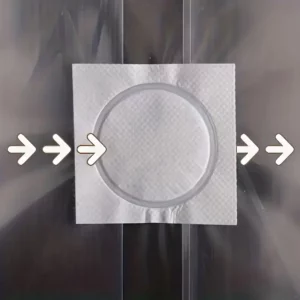
0.2μm Mushroom Bag Filter Patch – 55x55mm
R6 Add to basket🧫 High-quality virgin 0.2 micron filter patches (55x55mm).
🧫 Large surface area ensures optimal gas exchange.
🧫 Commercical spawn filters for DIY use.
Socratic Questions
- How to preserve mushroom genetics without a fridge
- Castellani method for long-term fungal storage
- Preventing strain senescence in mushroom cultivation
- Low-tech mushroom culture preservation for preppers
- Long-term viability of mycelium in sterile water