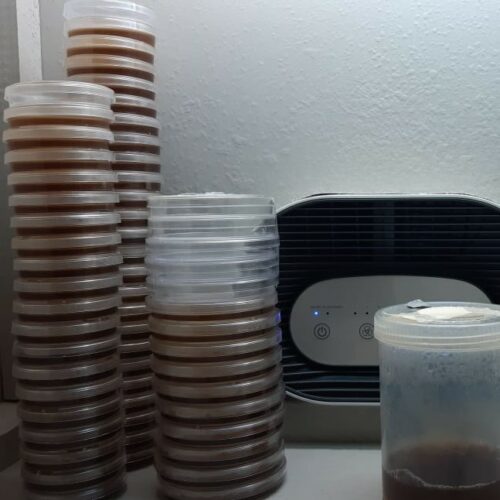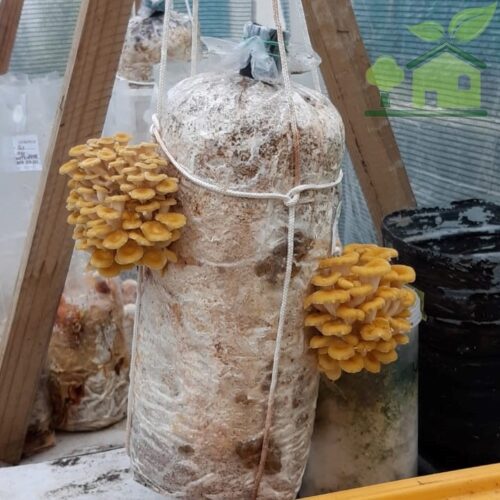
Store fungal cultures for years at room temperature, then revive them with a simple shake.
Summary
Bundu Castellani applies the Third Paradigm Shift—Selective Nutrition—to the classic Castellani method by replacing sterile water with VermiLIN mineral solution. The result is a dormant, contamination-resistant culture that doubles as a ready-to-use Liquid Inoculant without replating or blending.
Background to Bundu Castellani
The challenge with traditional long-term fungal culture preservation methods, like the classic Castellani technique using sterile distilled water, is the subsequent revival process. After years of dormancy, the mycelium must be re-activated, typically by transferring it to fresh agar or substrate. This adds steps, increases the risk of contamination, and requires time for growth before inoculation. For practical, on-demand cultivation, especially in environments with limited resources or time, a method that allows for direct inoculation from storage is highly desirable. The “Bundu Castellani” method, an evolution of the Castellani principle, addresses this by preparing the preserved culture to be directly usable as a liquid inoculant, requiring only a simple shake to activate and dispense. This eliminates the need for intermediate agar work and streamlines the entire process from preservation to application.
What Is Living Inoculant (LI)?
This is distinct from Liquid Culture (LC): LC involves growing mycelium in a nutrient-rich broth (e.g. Honey, Dextrose, Peptone, malt extract), expanding its mass for later use. LC is called ‘Liquid Spawn’ in the East, and as spawn has a limited shelf life due to nutrients. LI contains dormant mycelium rather than actively expanding biomass.
Biological Principle: Activated Dormancy in a Mineral-Rich Medium
The Bundu Castellani method builds upon the concept of induced dormancy from the classic Castellani technique but enhances it with a specialized mineral solution.
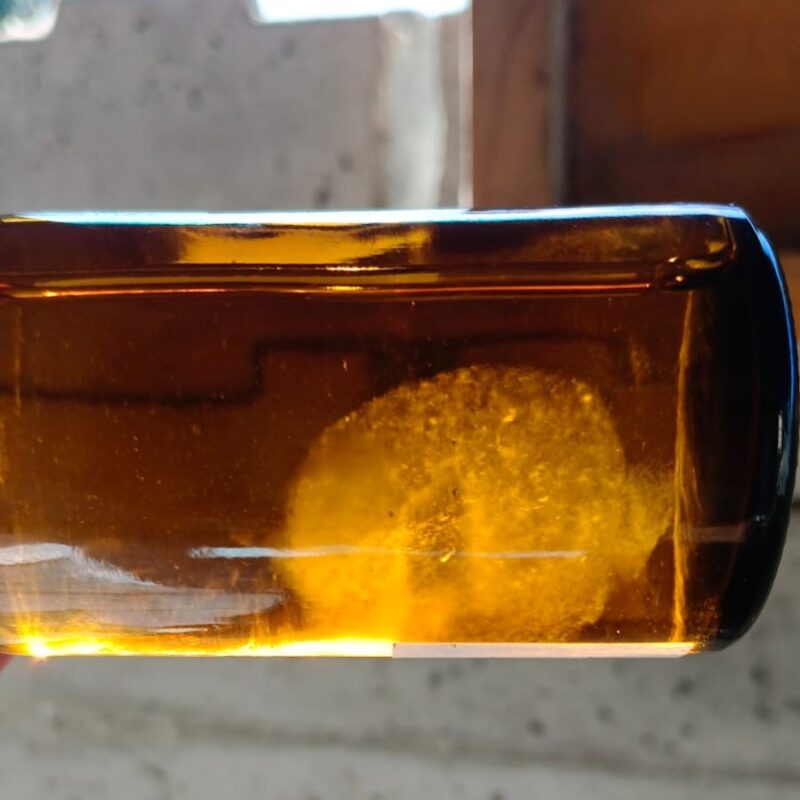
Classic Castellani preserves fungi by surrounding an agar wedge with sterile distilled water. The surrounding water contains essentially no available nutrients, allowing the culture to remain dormant for years.
Bundu Castellani applies the Third Paradigm Shift—Selective Nutrition. Instead of plain sterile distilled water, we use a carefully formulated, dilute mineral solution. This solution does not provide readily metabolizable carbon or nitrogen, thus preventing active growth and contamination by unwanted microbes. However, it provides essential inorganic ions that support the long-term cellular integrity and viability of the fungal hyphae and spores during their dormant state.
When it’s time to use the culture, the preservation medium is no longer just a passive storage environment. A vigorous shake disperses the dormant mycelium within the mineral solution. The aeration achieved during shaking and the presence of essential salts in the solution help to prepare these fragments for immediate inoculation. The medium, while not a growth substrate itself, is optimized to awaken the preserved propagules quickly and efficiently, allowing them to begin their metabolic processes upon contact with a suitable substrate. This “shake-to-activate” mechanism transforms the preserved culture into a self-contained, ready-to-deploy liquid inoculant.
Practical Application: From Deep Storage to Direct Inoculation
The Bundu Castellani method is engineered for efficiency and ease of use. It transforms a long-term preservation vessel into a direct inoculation tool, saving time, resources, and reducing contamination risks.
Materials Required:
Healthy Mycelium: Actively growing and uncontaminated mycelium is the starting point. The healthier the culture, the better the long-term viability.
Bundu Castellani Mineral Solution: This is a specific, low-concentration mineral solution formulated to support dormant fungal structures without promoting growth. (Note: Specific formulation details are proprietary and part of the BTK. For general use, a dilute solution of inorganic salts like magnesium sulfate, potassium chloride, and trace elements can be tested, ensuring no organic carbon or nitrogen sources are present).
Sterile Culture Vessels: Autoclavable, sealable bottles or vials (e.g., SafeSteri™ SHIP Culture Bottles) are ideal. Vessels with injection ports can be beneficial for sterile dispensing later, but are not strictly required for the basic method.
Sterile Transfer Tools: Scalpel, tweezers, or a sterile syringe for transferring the mycelium.
Sterilization Equipment: Pressure cooker or autoclave (121°C / 15 PSI).
Sterile Workspace: A Still Air Box (SAB) or laminar flow hood for inoculation.
Sanitizing Agents: 70% Isopropyl Alcohol or SteriPmax (Peracetic Acid) solution.
Step-by-Step Bundu Castellani Method:
1. Prepare the SHIP Vessel with Mineral Solution:
Fill clean SafeSteri™ SHIP Culture Bottles or similar sterile vessels with the prepared Bundu Castellani mineral solution. Leave adequate headspace (approx. one-third of the volume).
- Loosen caps a quarter-turn for sterilization.
- Autoclave at 121°C (15 PSI) for 30-45 minutes.
- Allow to cool completely without disturbing the caps, letting the vacuum seal form.
- 2. Inoculate with Healthy Mycelium:
- Work within your sterile workspace (SAB or Flow Hood).
- Select a small, vigorous piece of healthy mycelium from your master culture.
- Using sterilized tools, carefully transfer the mycelium fragment into the mineral solution in the vessel. Avoid introducing any agar or substrate.
- Seal the vessel tightly.
3. Incubate for Stabilization (Recommended):
For 10-12 days, incubate the inoculated vessels at a stable room temperature (23-27°C). This allows the mycelium to stabilize and adapt to the mineral solution before entering long-term dormancy. This is not a growth phase but a transition period.
4. Store:
Store the sealed vessels at room temperature in a dark, stable environment. Avoid extreme temperatures or direct sunlight. The mineral solution keeps the fungal structures viable and ready for activation.
How to Use (Shake-to-Activate)
- Shake for 10-30 seconds — to disperse the mycelium.
- Disinfect the SHIP and withdraw the desired amount of Liquid Inoculant with a sterile syringe.
- Use immediately or store short-term.
- Return bottle to room temperature storage, when reuse then a gentle shake should disperse mycelium.
Dosage Guide
- PF Tek / substrate: 5 ml per 500 ml
- Agar plates: 4–5 drops
- Grain spawn: 5 ml per kg
Engineering Notes:
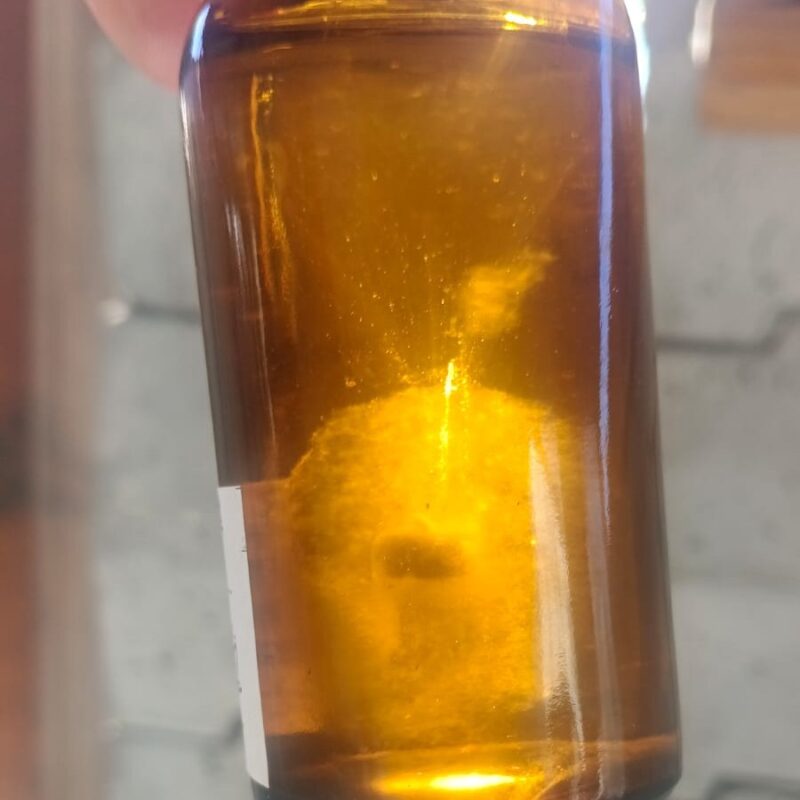
- The ultra clear solution makes contamination (especially bacterial) instantly visible as water clouds.
- Use Red RTV silicone on the inside of SHIP lids for a true hermetic seal if self-made.
- Check every few months for cloudiness.
- Excellent results reported on Pink Oyster, Ganoderma (tropical species) after 5+ years.
Note: When installing a conventional Self-Healing Injection Port (SHIP) into a drilled hole, please be aware that the connection is purely a mechanical interface. Under the heat and pressure of sterilisation, the port may dislodge or “pop out”. Furthermore, because mechanical seals are not hermetic, contamination can—and according to Murphy’s Law, will—eventually bypass the mechanical seal. It is therefore imperative to apply Red RTV silicone to the internal surface to bond the SHIP to the lid. This ensures the port remains secure, prevents leaks, and maintains a sterile barrier.
Comparison Summary
| Feature | Liquid Inoculant (LI) | Liquid Culture (LC) | Castellani Method | Bundu Castellani |
|---|---|---|---|---|
| Purpose | Rapid dispersal | Biomass expansion | Long-term preservation | Long-term, easy revival & dispersal |
| Media | Sterile water | Nutrient broth | Low-nutrient agar + water | Agar wedge + Selective Mineral Solution |
| Mycelium Source | Colonized substrate | Agar/spores/LI | Agar wedge/mycelium | Agar wedge/mycelium |
| Process | Blend/Process | Inoculate, incubate | Add Agar to water | Add Agar to SHIP Bottle |
| Vessels | Sterile jar/tube | Bottle/jar with vent | Tube/bottle with seal | SHIP Tube or SteriSafe bottle |
| Storage Duration | Days–weeks | Weeks–months | Months–years | Months–years |
| Application | Direct inoculation | Inoculate spawn | Revive to agar/slant | Inoculate |
| Revival/Use | Shake, withdraw | Shake, withdraw | Sample water/myc | Agitate to mix, withdraw |
| Contamination Risk | Moderate–high | Moderate | Low after flooding | Very low if flooded via 0.22um filter |
| Advantages | Fast, simple | Scalable, high output | Reliable, time-tested | Easy, robust, no blending, easy revival |
| Limitations | Short shelf-life | LC prone to contam | Revival slower, some species fail | Requires XA agar, or soluble media. |
Practical Conclusions
The Bundu Castellani method represents a significant advancement in practical fungal culture preservation. By integrating a specialized mineral solution with the classic Castellani principle of induced dormancy, it creates a self-contained, room-temperature liquid inoculant. This “shake-to-activate” system bypasses the need for time-consuming and contamination-prone agar revival steps, allowing for direct inoculation from storage. It offers unparalleled longevity, ease of use, and efficiency, making it an indispensable tool for any cultivator serious about safeguarding their genetic lines while maintaining a ready supply of viable fungal material.
🍄Happy cultivating!
-
STS
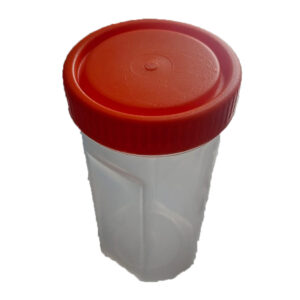
Ready-to-Use 2% Sodium Alginate Master Solution
Original price was: R285.R179Current price is: R179. Add to basket🛠️ Sterile, premixed solution
🛠️ Convenient and ready to use
🛠️ High-quality sodium alginate
🛠️ Accurate 2% concentration -
STS
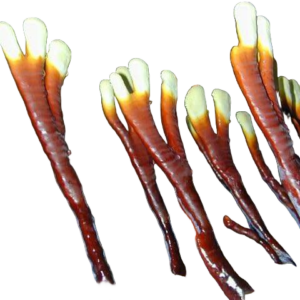
Immortal Deerhorn Reishi Mushroom Spawn Kit
Original price was: R1,399.R995Current price is: R995. Add to basket✔ Immortal Deerhorn Reishi Spawn Kit (Ganoderma lucidum)
✔ Includes 100 ml Living Inoculant (LI) in a reusable Culture Bottle
✔ Includes 1 kg Sterilized Sorghum Grain Spawn with SHIP & 0.2 µm PTFE filter
✔ Premium Deerhorn strain producing elegant antler-shaped fruiting bodies -
STS

Nootropic Lion’s Mane Mushroom Spawn Kit
Original price was: R1,399.R995Current price is: R995. Add to basket✔ Lion’s Mane Mushroom Spawn Kit (Hericium erinaceus)
✔ Includes 100 ml Living Inoculant (LI) in a reusable Culture Bottle
✔ Includes 1 kg Sterilized Sorghum Grain Spawn with SHIP & 0.2 µm PTFE filter
✔ Renowned for its unique appearance and seafood-like flavour -
STS
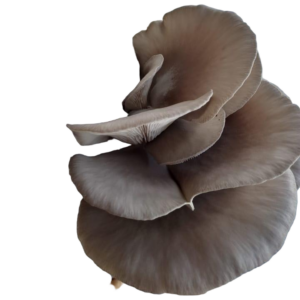
HK-35 Low-Spore Oyster Mushroom Spawn Kit
Original price was: R1,399.R995Current price is: R995. Add to basket✔ Commercial HK-35 Low-Spore Oyster Mushroom
✔ Includes 100 ml Living Inoculant in Reusable Culture Bottle
✔ Includes 1 kg Sterilized Sorghum Grain Spawn with SHIP
✔ Aggressive colonization and reduced airborne spore production
Socratic Questions:
- What is the primary purpose of the Bundu Castellani method, and how does it differ from liquid spawn?
- How does the specialized mineral solution in Bundu Castellani keep fungal cultures viable for long-term storage without promoting growth?
- What are the risks associated with traditional revival methods from preserved cultures, and how does Bundu Castellani mitigate them?
- Can I use regular distilled water with the Bundu Castellani method, or is the specific mineral solution essential?
- What is the recommended procedure for storing Bundu Castellani preserved cultures for optimal longevity?