
Lesson 1.2: Why Organic Hydroponics Matters
Organic hydroponics has long been considered an unattainable dream due to the unique challenges of integrating natural, organic materials into a soilless, water-based growing system. In this lesson, we’ll explore why achieving organic hydroponics matters for sustainable agriculture, delve into the barriers that made it seem impossible, and explain how Vermiponics overcomes these hurdles to offer a chemical-free, eco-friendly alternative. By understanding these challenges and solutions, you’ll see why Vermiponics is a transformative step toward regenerating soils and reducing reliance on synthetic inputs, paving the way for healthier plants and a healthier planet.
The Importance of Organic Hydroponics
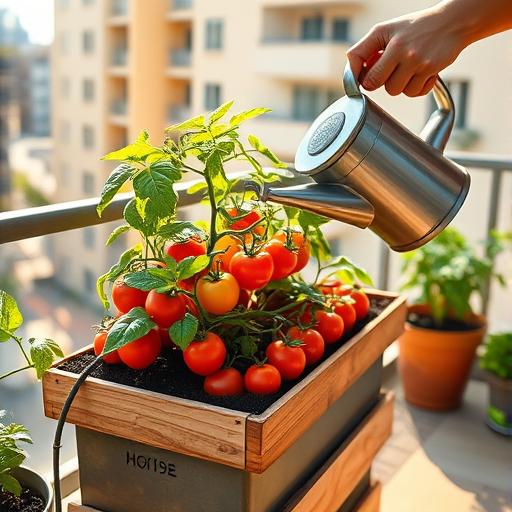
Hydroponics, traditionally reliant on synthetic nutrient solutions derived from the oil and hydrocarbon industry, offers precise control over plant nutrition but at a cost. These synthetic fertilizers, while effective, bypass the natural microbial processes that enrich soil ecosystems, leading to depleted soils, weakened plant defenses, and increased dependence on chemical pesticides (see Composting Misconceptions). Organic hydroponics matters because it seeks to marry the efficiency of hydroponics with the sustainability of organic farming, eliminating environmentally harmful inputs.
By using natural materials like vermicompost, organic hydroponics can regenerate soil health, reduce carbon footprints, and make urban farming accessible in spaces like balconies or kitchens, turning waste into food. This approach aligns with global needs for sustainable food systems, especially in resource-scarce regions like South Africa, where loadshedding and water constraints demand low-tech, resilient solutions.
Barriers to Organic Hydroponics
For years, organic hydroponics was deemed nearly impossible due to three critical challenges posed by organic materials like manure or compost in water-based systems:
- Biofilm Buildup: Organic materials require microbial decomposition to release plant-available nutrients. In hydroponics, these microbes form a slimy biofilm that clogs pipes, drippers, and pumps, disrupting nutrient delivery and system functionality.
- Lack of Measurable Nutrients: Unlike synthetic nutrients, which have a detectable electrical conductivity (EC) to monitor nutrient strength, raw organics lack a charge, making it impossible to measure nutrient levels in the water. This unpredictability hinders precise plant feeding.
- Anaerobic Conditions: Insoluble organic matter settles at the bottom of reservoirs, creating oxygen-deprived (anaerobic) conditions that foster harmful bacteria and pathogens, risking plant health and system failure. Compounded by the fact of a common reservoir that feeds all the plants.
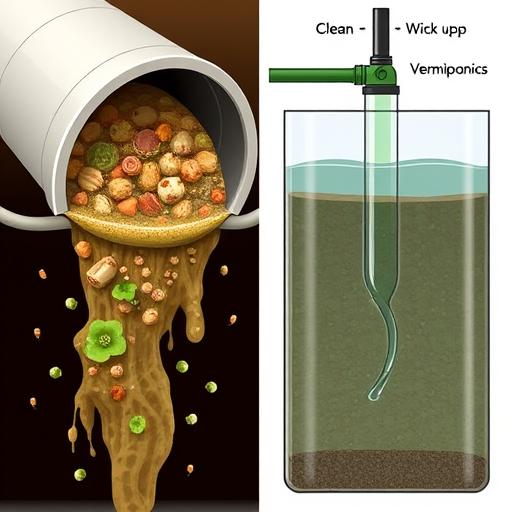
These barriers made traditional organic materials impractical for hydroponics, forcing reliance on synthetic solutions that harm long-term soil vitality and environmental health.
Vermiponics: The Solution
Vermiponics overcomes these challenges by leveraging vermicompost—worm castings produced by earthworms like red wigglers—and bottom-feed systems to create a viable organic hydroponic method (see What is Vermiponics?). Here’s how it addresses each barrier:
- Preventing Biofilm: Vermiponics uses bottom-feed systems, like wick-based soda bottles or flow-under setups with plastic sheeting, where water is wicked up through the media rather than pumped through it. This minimizes microbial buildup in pipes, as the organic material stays in the media, acting as a natural biofilter (e.g., soda bottle systems for Elephant Garlic).
- Measurable Nutrients with Worm Tea: Vermicompost, rich in plant-available nutrients due to worms’ microbial processing, allows for measurable EC when used as worm tea (1L vermicompost + 1 tbsp molasses in 20L water, aerated). This enables precise nutrient management, especially during fruiting (e.g., ~2000 μS/cm for tomatoes), rivaling synthetic systems.
- Avoiding Anaerobic Conditions: The bottom-feed approach ensures oxygen-rich conditions, as water flows under media or wicks up, preventing the stagnation that leads to anaerobic decay. Vermicompost’s microbial balance further reduces pathogen risks, promoting healthy plant growth.
Why It Matters Now
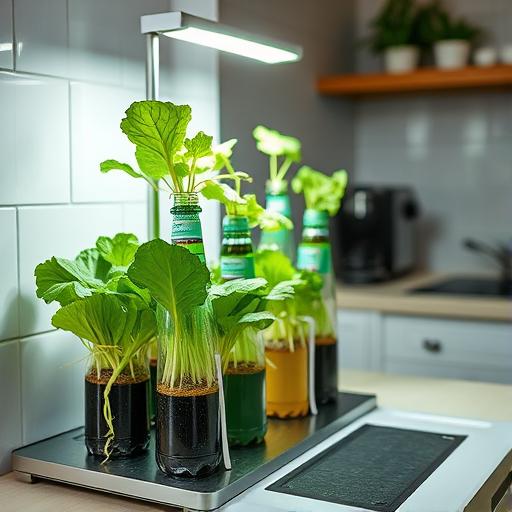
Vermiponics enables anyone, from urban dwellers to small-scale farmers, to grow crops like lettuce, bush beans, or garlic without synthetic inputs, reducing environmental impact and restoring microbial ecosystems. Real-world successes, like plumper tomatoes and high-yield mini peppers (17-18 buckets from nine plants), demonstrate its viability. By eliminating oil-based fertilizers, Vermiponics supports a regenerative future, making it a critical innovation for sustainable agriculture.
Socratic Wrap:
- Why do you think the reliance on synthetic fertilizers in traditional hydroponics poses long-term challenges for soil health and sustainability?
- How does the bottom-feed system in Vermiponics help overcome the issue of biofilm buildup compared to traditional organic hydroponic attempts?
- In what ways might the ability to measure EC with worm tea change the way you approach nutrient management in organic gardening?