
Lesson 1.1: What is Vermiponics?
Welcome to the exciting world of Vermiponics, a revolutionary approach that combines the precision of hydroponics with the natural power of vermicompost to create a world-first method for organic hydroponic gardening. In this lesson, we’ll explore what Vermiponics is, its origins, and why it’s a game-changer for sustainable agriculture. By the end, you’ll understand how this method overcomes the barriers that once made organic hydroponics seem impossible, setting the stage for your journey as an urban farmer.
Defining Vermiponics
Vermiponics is the fusion of vermiculture (worm-based composting) and hydroponics, a soilless growing technique that traditionally relies on synthetic nutrient solutions. By incorporating 25-30% vermicompost—nutrient-rich worm castings—into hydroponic media like coco coir, vermiculite, or sand, Vermiponics delivers plant-available nutrients without chemicals. Unlike conventional hydroponics, which uses synthetic fertilizers derived from the oil and hydrocarbon industry, Vermiponics leverages the microbial activity of vermicompost to provide a balanced, eco-friendly nutrient source.
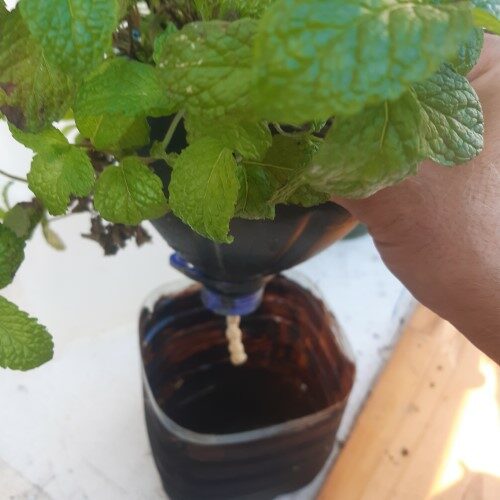
This method uses bottom-feed systems, such as wick-based soda bottles or flow-under setups, to wick water up through the media, avoiding the clogs and biofilm issues that plagued earlier attempts at organic hydroponics.
The Journey to Vermiponics
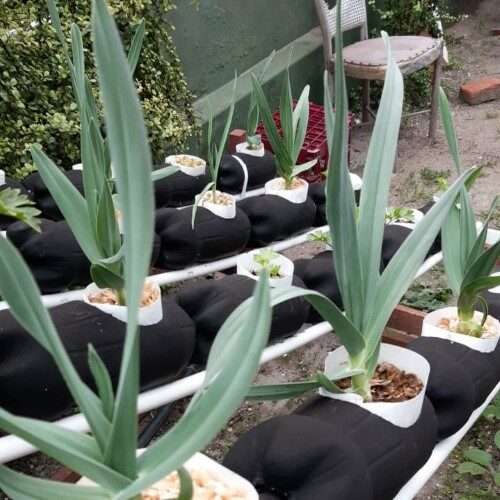
The story of Vermiponics began with a quest to make hydroponics sustainable. In 2011, inspired by the environmental mantra of “Reuse, Reduce, Recycle,” I started experimenting with recycled soda bottles to grow plants hydroponically (read more in our blog: Hydroponics 101).
These early systems, tilted at 30 degrees to retain water like mini Dutch buckets, were a proof-of-concept for low-tech, sustainable growing. However, they relied on synthetic nutrients, which clashed with my goal of eco-friendly agriculture.
The challenge was clear: traditional organic materials like manure couldn’t work in hydroponics. Why? They require microbial decomposition to become plant-available, and in a water-based system, this leads to three major problems:
- biofilm buildup that clogs pipes
- lack of measurable electrical conductivity (EC) to gauge nutrient level
- insoluble organics creating anaerobic conditions that foster pathogens.
Years of trial and error, from “Hybrid Hydroponics” (using organic sawdust media) to “BioPonics” (mixing spent mushroom substrate – SMS), led to a breakthrough.
By integrating vermicompost, which earthworms naturally “pasteurize” into a microbe-rich, nutrient-dense medium, I developed a system that avoided these pitfalls. The first success came with soda bottle systems growing Elephant Garlic, followed by large-scale setups using plastic sheeting and planter bags for garlic, onions, and lettuce. These systems, resembling a modified Nutrient Film Technique (NFT), pump water under bags to wick up through a mix of 20L sand and 10L vermicompost, proving Vermiponics’ versatility across scales.
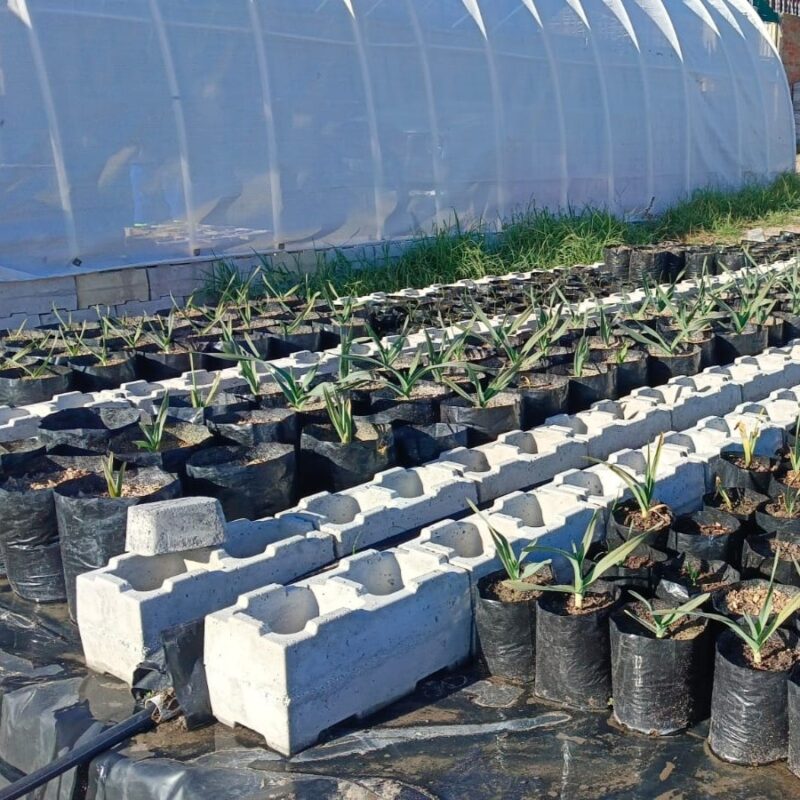
And also, unlike Hydroponics, it shows Vermiponics suitability for growing soil crops.
Why Vermiponics Matters
Vermiponics is more than a growing technique—it’s a step toward regenerating our soils and reducing reliance on synthetic inputs.
The hydrocarbon-based fertilizers used in conventional hydroponics deplete soil microbial life, weaken plant resilience, and contribute to environmental degradation. Vermiponics, by contrast, restores natural ecosystems by harnessing worms and microbes to deliver nutrients, improve soil structure, and enhance plant defenses. Its adaptability makes it ideal for urban settings, from balconies to small gardens, where anyone can turn waste (like kitchen scraps) into food.
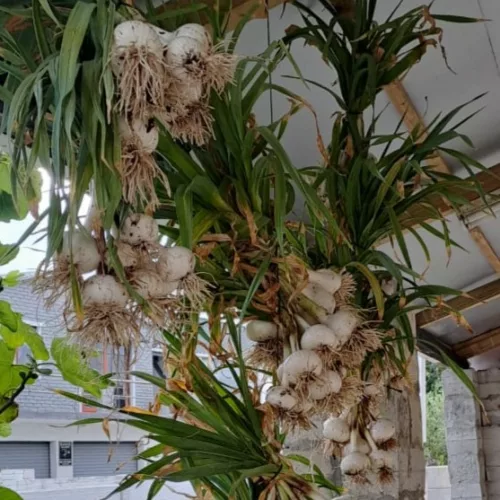
Success stories, like plumper tomatoes and 17-18 buckets of mini peppers from nine plants (see What is Vermiponics?), show its potential to rival synthetic systems while staying eco-friendly. As the image shows bumper Elephant Garlic crops also achieved, while typical hydroponics fails for soil crops.
Getting Started
This course will guide you through building your own Vermiponics system, starting with the Vermiponic BAM Seedling Starter Kit. You’ll learn to create simple wick-based setups, scale up to larger systems, and use worm tea for nutrient boosts. Vermiponics isn’t just about growing plants—it’s about growing smarter, nourishing naturally, and contributing to a sustainable future.
Socratic Wrap:
- Why do you think traditional organic materials like manure failed in hydroponic systems, and how does Vermiponics address these challenges?
- How might the use of recycled materials in Vermiponics systems contribute to both personal and environmental sustainability?
- Based on the lesson, what role do earthworms play in making Vermiponics a viable organic hydroponics method?