
Lesson 1.3: Course Tools and Setup
Welcome to the practical starting point of your Vermiponics journey!
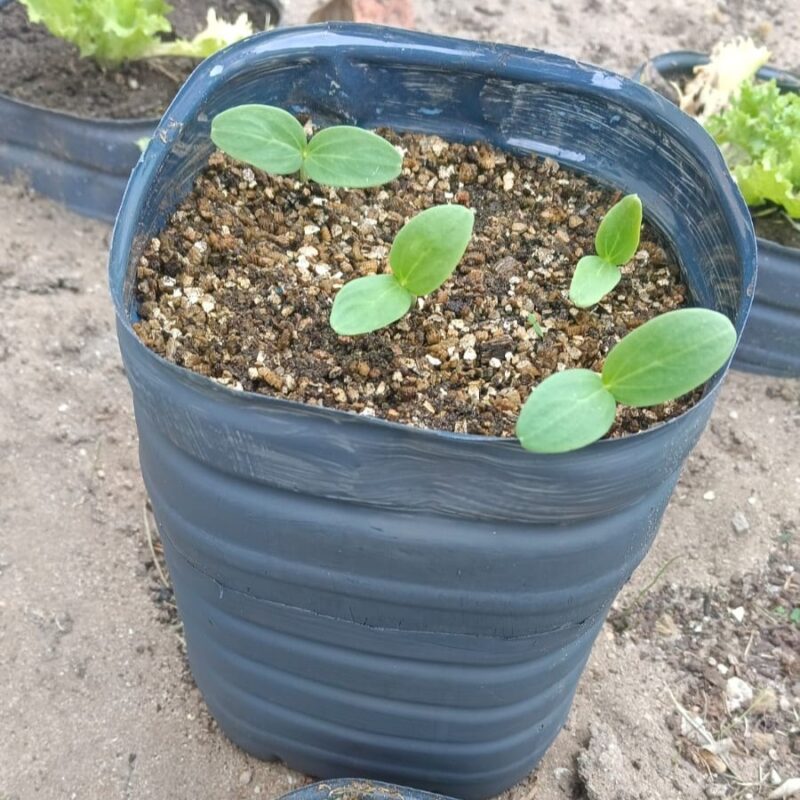
In this lesson, we’ll cover the essential tools and setup needed to begin growing with Vermiponics, focusing on the Vermiponic BAM Seedling Starter Kit and other accessible materials. Whether you’re an urban farmer with a balcony or a beginner with a windowsill, this lesson will equip you with the knowledge to gather supplies and prepare for hands-on projects. By understanding the tools and their roles, you’ll be ready to build your first Vermiponics system and grow sustainable, organic crops like lettuce, herbs, or Bush Beans…
Core Tools for Vermiponics
Vermiponics is designed to be low-tech and sustainable, using recycled and readily available materials to create efficient, organic hydroponic systems. The star of this course is the Vermiponic BAM Seedling Starter Kit (detailed at Vermiponic BAM Seedling Starter Kit), which includes everything you need for a beginner-friendly setup:
- Recycled 5L Soda Bottle Wick System: A hand-painted 5L bottle (to block light and prevent algae) with a microfiber wick for passive capillary action, eliminating the need for pumps. The bottle is stabilized with 19mm gravel ballast in the reservoir.
- 500ml Premium BAM Seedling & Cloning Mix: A blend of sifted vermicompost (from spent mushroom substrate), medium-grade vermiculite, and ground kelp, optimized for aeration, moisture retention, and plant growth hormones (pH 6.5, low density).
- 320ml VitaVermi BAM: A concentrated dry mix of biologically active microbes (BAM) that, when activated with warm water (Tablespoon BAM in 500ml water), acts like worm tea to boost root development and plant resilience. Also add 1/4 teaspoon BAM per planting hole when transplanting the seedlings
- Quick-Start Guide: Step-by-step instructions for setup, germination, and maintenance, with links to free tutorials on Eco-Bini.
This kit is perfect for small spaces and embodies the “Reuse, Reduce, Recycle” ethos, turning waste into food without electricity or complex equipment.
Additional Supplies
Beyond the kit, you’ll need a few basic tools and materials, many of which you likely already have at home:
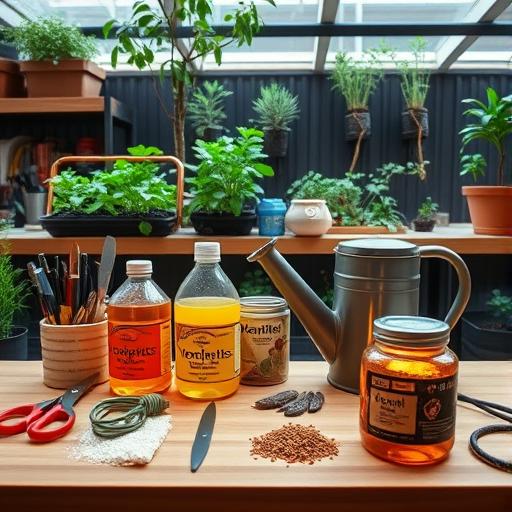
- Recycled Containers: Additional 2L or 5L soda bottles for experimenting or scaling up. Paint them with budget waterproofing acrylic paint or cover with paper sleeves to block light (see Hydroponics 101).
- Basic Tools: Scissors, a soldering iron (or 6mm drill) for creating wick holes, and a 32mm hole saw for connecting bottles in larger setups.
- Media Components: If you’re sourcing your own, get sifted vermicompost (local worm farms or DIY from kitchen scraps), medium-grade vermiculite, and buffered coco coir. For large-scale systems, coarse building sand is useful (e.g., 20L sand : 10L vermicompost for Elephant Garlic bags).
- Watering Can or Bucket: For mixing and applying VitaVermi BAM or worm tea (1L vermicompost + 1 tbsp molasses in 20L dechlorinated water, aerated overnight).
- Optional: A small submersible pump (minimum 2m head) for larger setups, a mechanical timer for loadshedding resilience, and 19mm gravel for stability.
Setting Up Your Space
Choose a well-lit spot, like a balcony, windowsill, or backyard, with access to sunlight (ideally 6-8 hours daily). Ensure your setup is stable, as top-heavy plants (e.g., herbs) can tip unpainted bottles – reason for 19mm gravel in reservoir. For urban farmers, the kit’s compact design fits small spaces, and its passive wicking system means no power is needed—perfect for South Africa’s loadshedding. If scaling up, consider a sloped area for a modified NFT system with plastic sheeting and a 200L reservoir, as used for garlic and lettuce.
Why These Tools Matter
The tools and kit are designed for accessibility and sustainability, minimizing environmental impact while maximizing plant health. The vermicompost-based media and BAM eliminate synthetic fertilizers, supporting microbial ecosystems that make nutrients plant-available. The bottom-feed design prevents clogs and anaerobic conditions, ensuring a clean, efficient system. With these tools, you’re not just growing plants—you’re building a regenerative, eco-friendly garden.
Socratic Wrap:
- How does the use of recycled materials like soda bottles in the Vermiponic BAM Seedling Starter Kit contribute to both cost savings and environmental sustainability?
- Why is the bottom-feed wicking system critical for Vermiponics, and how does it differ from traditional hydroponic setups that require pumps?
- What role does the VitaVermi BAM play in enhancing plant growth, and how might it change your approach to starting seeds compared to traditional soil methods?