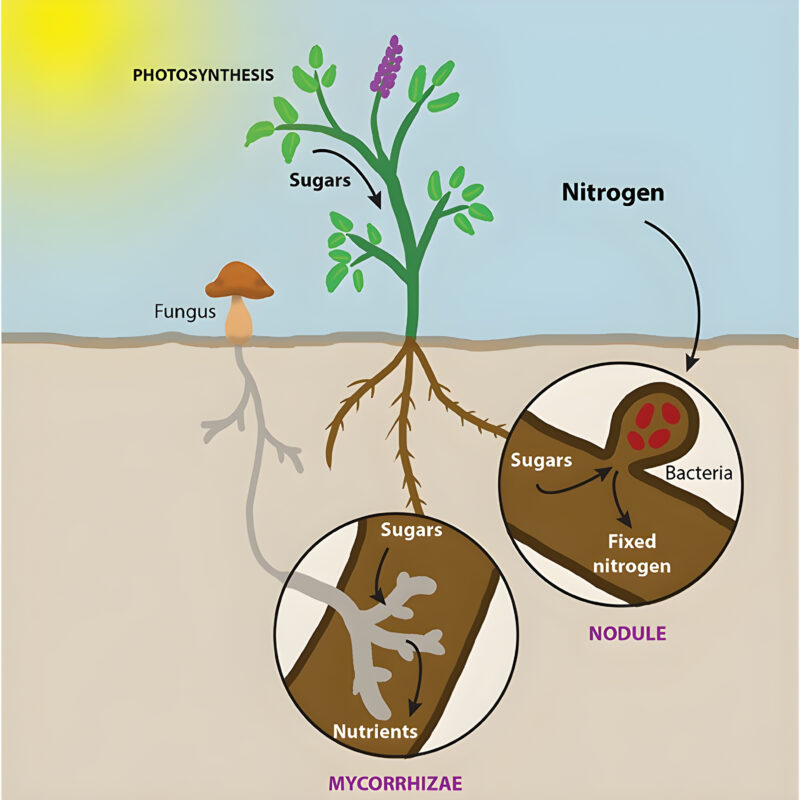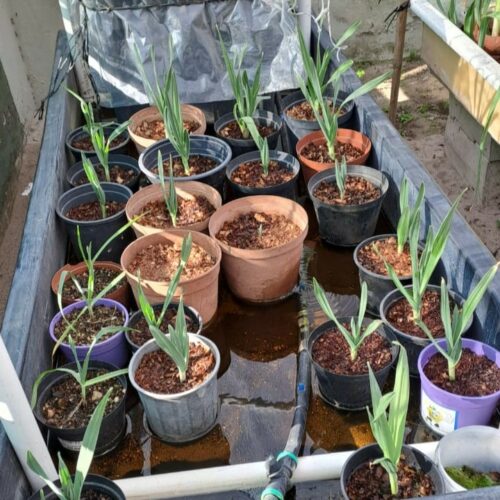
Double-Tap: Engineer your biochar from a dormant nutrient sponge into a living soil engine.
Summary
This note unpacks the principles behind our rapid, two-stage conditioning process that transforms raw biochar into a potent, biologically active soil amendment, ready to partner with your plants and soil microbes from day one.
1. Introduction: Why This Matters
Biochar stands at the crossroads of modern regenerative agriculture, often linked to the legendary Terra Preta soils of the Amazon Basin – some of the most fertile anthropogenic soils ever recorded. These ancient dark earth systems were built on a foundation of stable carbon, rich organic matter, vigorous microbial activity, and long-term biological cycling. The principle is elegantly simple: stable carbon + biological activity + nutrients = long-term soil fertility.
However, in contemporary applications, especially in commercial agriculture, this concept has often become diluted. In many regions, biochar is marketed as a premium amendment, yet in practice, it’s frequently little more than raw charcoal with minimal biological preparation.

This raises a critical question: If both raw charcoal and biochar originate from biological carbon sources, what truly defines “biochar” beyond branding and processing? The answer lies not just in the feedstock, but crucially, in its post-processing biological activation state.
We distinguish between three key concepts:
Weathering: A slow, natural conditioning process where biochar is exposed to moisture, oxygen, minerals, and biological activity over extended periods. Traditionally, this meant leaving biochar in fields to be rained on and naturally colonised. It’s a passive, gradual change.
Traditional Charging: This involves deliberately soaking biochar in nutrient solutions, compost teas, manure, or urine. It’s a biological and nutrient loading process, often done over time, allowing passive adsorption and microbial inoculation. While effective, it’s a slow saturation.
Double-Tap: Our accelerated, two-stage charging method that actively conditions biochar through a controlled sequence of anaerobic fermentation followed by aerobic activation. It combines biological loading with rapid carbon conditioning.
2. Core Principle of Double-Tap
The Double-Tap process is built upon a foundation of controlled biological transformations, moving from an anaerobic to an aerobic state. Raw wood biochar is first subjected to a carefully managed anaerobic fermentation, followed by an aerobic activation phase.
2.1 Anaerobic Charging
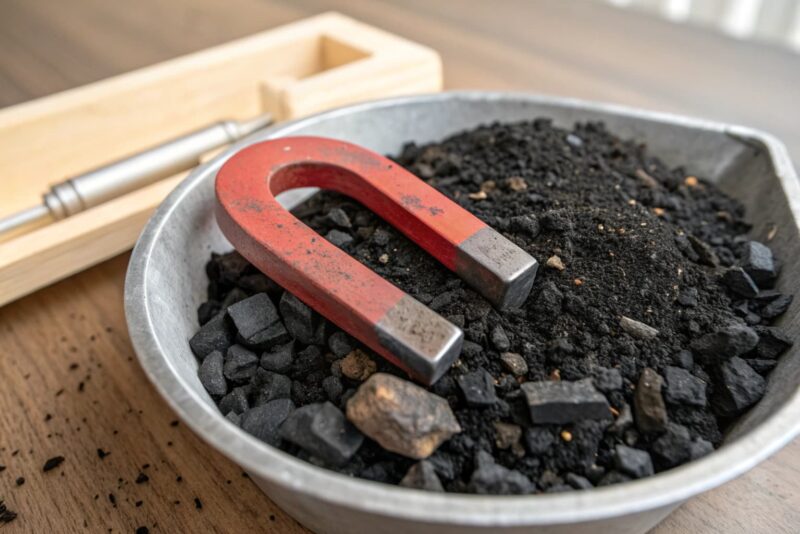
Over the anaerobic phase, LAB-driven fermentation develops and lactic acid accumulates. This process conditions the biochar, wets its structure, and helps load its available exchange and sorption capacity with soluble nutrients and organic compounds. Crucially, this environment preserves the organic material, preventing decomposition and creating conditions favourable for the broader soil-biome inoculum carried by our BAC to reactivate and begin colonising the matrix.
2.2 Aerobic Double-Tap
Following this anaerobic stage, the material is transitioned to aerobic conditions. This shift, facilitated by the addition of calcium carbonate and exposure to air, neutralises the accumulated organic acidity and allows the diverse soil biome to fully colonise the pre-conditioned carbon and organic matrix. This two-stage approach ensures both biological loading and structural activation occur within a predictable cycle.
3. The Double-Tap Method: An Overview
The Double-Tap method combines approximately 10% wood biochar with a suitable moist organic matrix and a biological inoculant. The matrix is first subjected to controlled anaerobic solid-state fermentation, then transitioned to aerobic conditions using calcium carbonate and air. Exact formulation ratios and process parameters are defined in the official STS Double-Tap Protocol.
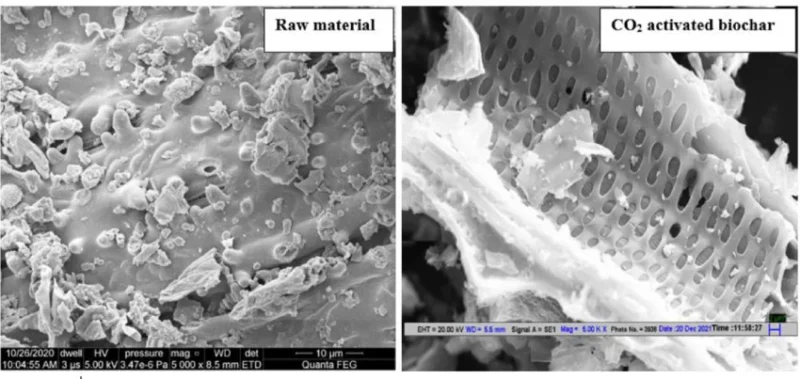
Fresh biochar may contain substantial unoccupied exchange and sorption capacity. When introduced directly into a biological system, this capacity can temporarily draw in water, dissolved nutrients, and organic compounds before the carbon itself becomes conditioned. This is the practical basis of the “nutrient thief” problem. The Double-Tap process actively addresses this by pre-conditioning the biochar’s capacity.
4. Tap 1 — Anaerobic Solid-State Fermentation (SSF)
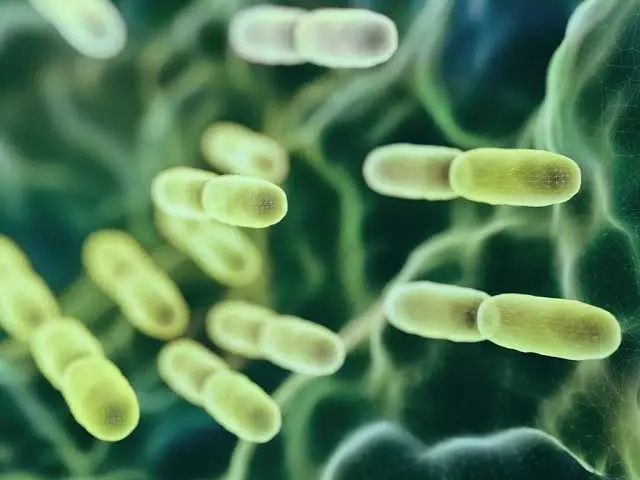
This initial phase is a controlled anaerobic solid-state fermentation (SSF), driven by a broad spectrum of beneficial microbes. Unlike simplified inoculants, our BAC (Biologically Active Carbon) carries a robust soil biome, including bacteria, fungi, protozoa, and spore-forming organisms, often locally adapted and hardy.
The process involves embedding the biochar within a moist organic matrix and a BAC, sealing the system to exclude oxygen. Over the anaerobic phase, LAB-driven fermentation develops and lactic acid accumulates. This process conditions the biochar’s structure, wets its pores, and begins loading soluble nutrients. Crucially, the lactic acid preserves the organic matter, effectively “pickling” it. This means the mixture can be stored for extended periods while sealed under suitable anaerobic conditions, providing significant flexibility. At this stage, the material may remain as the stored Bokashi-style intermediate or proceed to Tap 2 for conversion into TPN.
5. Tap 2 — Aerobic BAM! Activation and pH Neutralisation
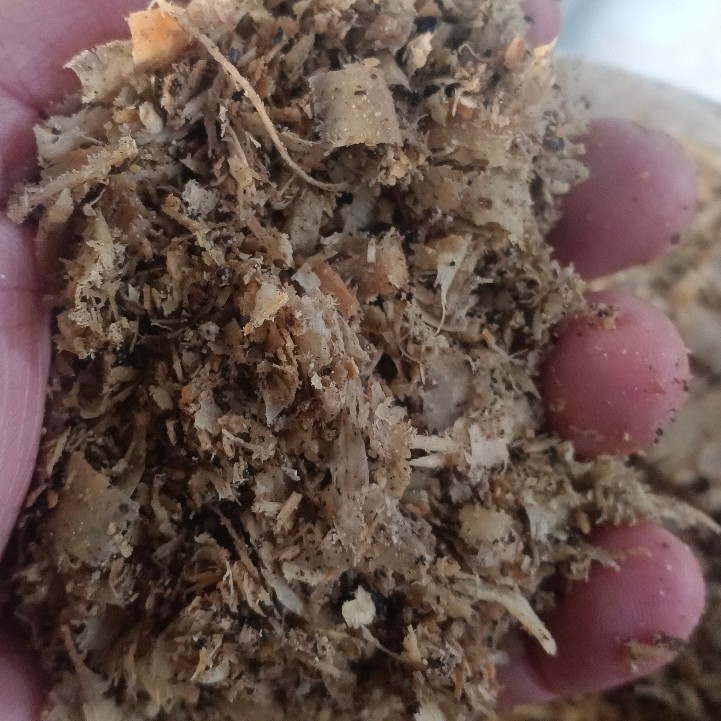
Following the anaerobic phase, the material is opened and transitioned back toward aerobic, pH-buffered conditions.
The fermented mass is opened, and calcium carbonate is added at the protocol-specified rate. This addition serves a dual purpose: chemically, it neutralises the accumulated organic acidity and facilitates the formation of calcium-organic salt complexes. Biologically, the removal of anaerobic restriction and the return of oxygen creates conditions favourable for the broader soil-biome inoculum carried by BAC to reactivate and begin colonising the matrix. This phase removes the acidic anaerobic constraint and creates conditions favourable for the next stage of aerobic biological activity.
6. Airing phase – Final Stabilisation
A brief airing period after Tap 2 allows oxygen to re-enter the matrix and the newly buffered material to stabilise under aerobic conditions. Aerobic microbial populations can begin re-establishing balance, while the moisture content adjusts toward equilibrium. The material is then suitable for application or continued aerobic maturation within the target soil or compost system, as biological colonisation continues after application.
7. BAC — The Soil Biome Catalyst
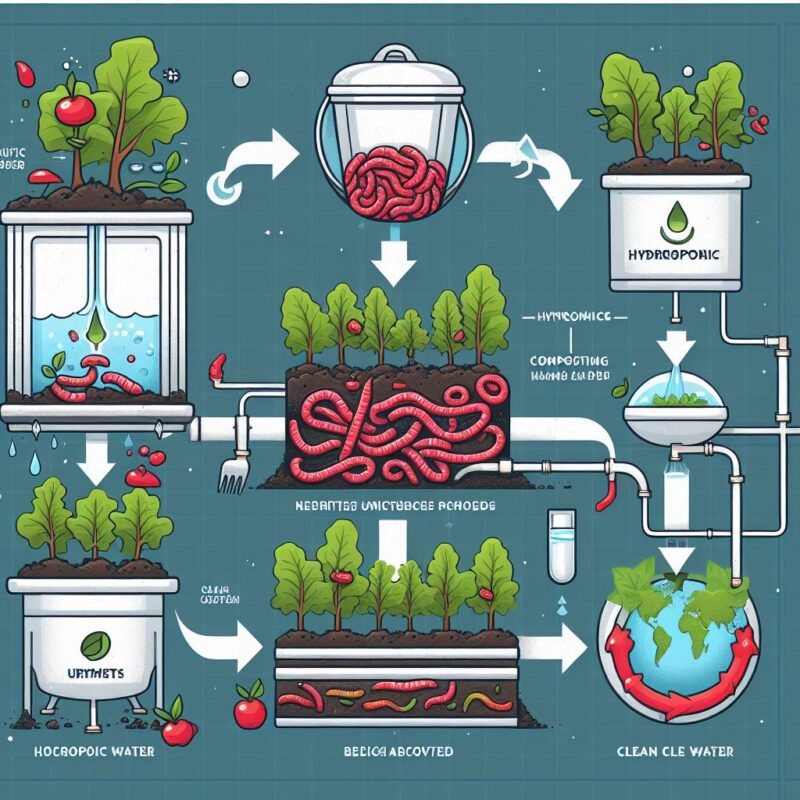
BAC is where much of the intellectual property lies. It is more than just a collection of microbes; it carries the soil biome on a persistent carbon habitat. BAC is a pre-conditioned biological carbon matrix produced by combining charged carbon with mature vermicompost and allowing the soil biome to establish over an extended conditioning period. When introduced into the Double-Tap system, BAC acts as a biological seed, carbon catalyst and biome reservoir, rather than simply a microbial inoculant.
BAM!: Our BAM! Vermicompost serves as the biological vermicompost foundation.
BAC: Represents BAM!/vermicompost biology established within a pre-conditioned carbon matrix Macadamia Granular Activated Carbon (GAC).
Ed Eco is the BTK Curator, trained directly on STS research.
Ask him anything—from troubleshooting plant issues to engineering biological independence.
8. Final Outcome – What the Double-Tap achieves
After the complete Double-Tap process, the material is no longer raw biochar. It becomes a Terra Preta Nova (TPN) – a pre-charged, biologically inoculated, structurally modified, pH-buffered, and hydrophilic soil amendment. Most importantly, it bypasses the slow “natural activation lag phase” typical of untreated biochar systems, making it ready to trade with plant roots or fungi from Day 1.
8. Final Outcome – What the Double-Tap Achieves
After the complete Double-Tap process, the material is no longer simply raw biochar. It becomes Terra Preta Nova (TPN) – a pre-charged, biologically inoculated, structurally modified, pH-buffered and hydrophilic soil amendment.
Most importantly, Double-Tap bypasses the natural activation lag associated with acidic, anaerobic Bokashi biochar. Instead of applying the preserved material directly to soil and waiting for environmental conditions to neutralise the acidity and restore aerobic biological activity, the transition is completed before application.
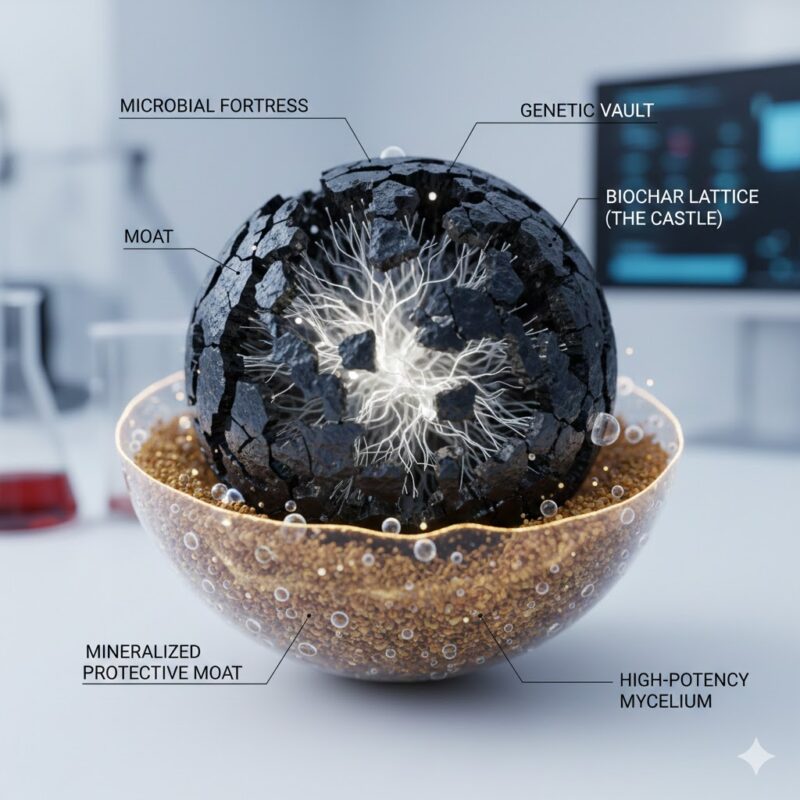
TPN therefore enters the soil as a pre-charged, biologically seeded and chemically buffered carbon-organic matrix — an extension of the BAM! soil ecosystem, carrying its biological community on persistent carbon habitat from the moment of application.
Closing thoughts
Biochar is often treated as a static soil amendment. In reality, it is a dynamic carbon interface that only becomes truly functional when its physical structure, chemical capacity and biological potential are brought together.
The STS Double-Tap Charging Method reframes biochar entirely:
not as a material to be aged,
but as a carbon ecosystem to be engineered.
Through the anaerobic preservation of Tap 1 and the aerobic reactivation of Tap 2, raw carbon is transformed into more than a nutrient carrier. It becomes a persistent biological habitat — pre-charged with nutrients, buffered for application and seeded with the BAM! soil ecosystem. That is the purpose of Terra Preta Nova: not simply to add biochar to soil, but to build the soil ecosystem directly into the carbon before it reaches the field.
Bonus Benefits & Local Edge
- Invader Bush to Soil Carbon: Local invasive biomass can be converted into persistent soil carbon while helping address biomass-management problems.
- Waste to Soil Infrastructure: Organic residues can be preserved, conditioned and returned as part of a high-value biological carbon matrix — supporting local zero-waste cycles.
- Biology on Carbon: Instead of relying entirely on repeated external inputs, the system establishes the biological habitat and carbon infrastructure together.
- Faster Biological Deployment: Double-Tap reduces the waiting period between raw biochar production and the creation of a biologically prepared soil amendment.
The Zero-Waste Revolution
The zero-waste revolution starts in your bucket.
Don’t just add carbon to the soil. Build the ecosystem onto it first.
Double-Tap your biochar. Build Terra Preta Nova. Add Biome to your own soil.
-
STS
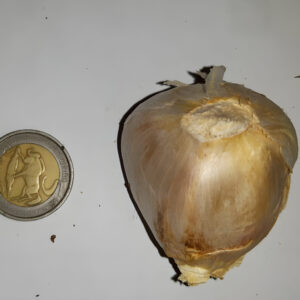
Organic Elephant Garlic Cloves – Vernalized
Original price was: R695.R495Current price is: R495. Add to basket🌱 Large, mild-flavoured cloves
🌱 10 Elephant Garlic Organic seeds
🌱 Vernalized for immediate planting
🌱 Seasonal – limited Stock -
STS
Alpha & Omega [Kratky & Passive Hydro] Nutrient Kit – 2x 500ml
Original price was: R195.R95Current price is: R95. Add to basket🛠 Dual-part liquid Kratky hydroponic nutrient concentrates
🛠 Refined Hoagland solution pre-dissolved in 2x 500ml UV-opaque white bottles
🛠 perfect for passive indoor herb gardens — Just Dose and Grow -
STS

Self-Irrigating Capillary Wicking Cord – 10 meter
Original price was: R140.R115Current price is: R115. Add to basket🌱 High-performance 4mm capillary cord.
🌱 Consistent, self-watering moisture delivery.
🌱 Wicking water in self-watering planters, hydroponic seedlings
🌱 Automation-free vacation watering. -
STS
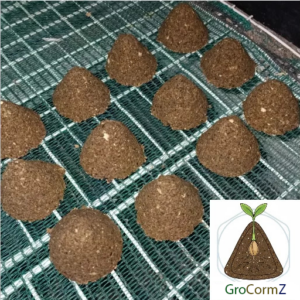
Elephant Garlic Start Kit | GroCormZ
Original price was: R75.R49Current price is: R49. Add to basket🌱 Produces Authentic Ajo Macho (Solo Garlic)
🌱 Encapsulated Elephant Garlic Corm Included
🦠 Terra Preta Nova Biological Grow Ball
💧 Just Plant, Water & Grow — Pointy Side Up!