Stop feeding plants and start engineering ecosystems.
Summary
Discover how we are grading up from backyard ‘Sustainable Gardening’ to commercial-scale ‘Bundu Teq Agriculture. By applying our Three Paradigm Shifts—Microbial Unlocking, Worm-Gut Pasteurization, and Selective Nutrition—we have transformed a passive loop into a high-performance Biological Refinery. This integrates Monera, Plantae, and Fungi for carbon-negative, regenerative systems that are resilient and commercially viable.
Introduction: Beyond Sustainability
Welcome to Carbon-Neutral Agriculture. Conventional farming practices isolate a single biological kingdom—focusing purely on Plantae for vegetable production, or Fungi for mushroom cultivation.
In conventional agriculture we only look at a single kingdom, like Plantae for produce, or Fungi for mushroom cultivation. This narrow focus creates massive waste bottlenecks and forces an artificial reliance on synthetic chemical inputs derived from hydrocarbons.

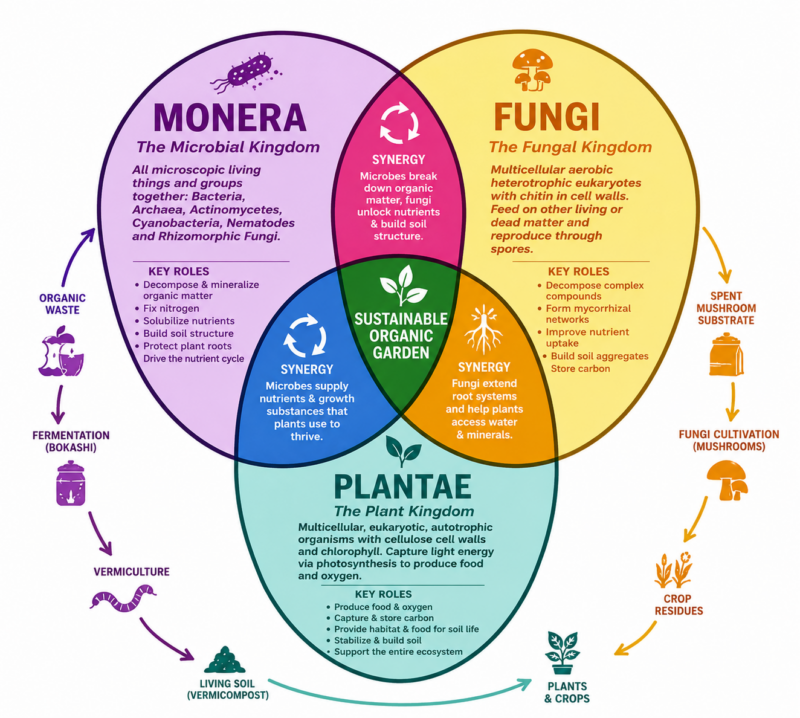
The BunduTeq framework introduces a third, often neglected ancient kingdom: Monera (the microbial world) acts as the essential biological processor and transformer, the missing link that interconnects the Plantae and Fungi kingdoms. By integrating Monera as our baseline processing infrastructure, we bridge nutrient cycles, recycle locked resources, and achieve continuous productivity. This isn’t passive backyard conservation anymore—it’s an engineering blueprint for profitable, scalable biological sovereignty.
The Three Biological Pillars: Kingdoms of Regeneration
Plantae (The Producers)
Plants are our solar engines, converting sunlight, water, and Carbon Dioxide into complex carbon sugars and biomass that fuel the entire ecosystem.
While Controlled Environment Agriculture (CEA) and hydroponics offer maximum water conservation and yield precision in crowded urban areas, conventional systems often rely on petroleum-derived liquid salts that bypass natural biological processes, leading to soil degradation and an artificial dependency. Bundu Teq keeps the high-efficiency, soil-free pathways of hydroponics but strips out the chemical dependency, running the system entirely on biologically refined nutrient streams.

As we strive to optimize plant growth while minimizing environmental impact. Hydroponics stands out as a promising CEA pathway towards sustainable food production in increasingly crowded cities.
Fungi (The Recyclers)
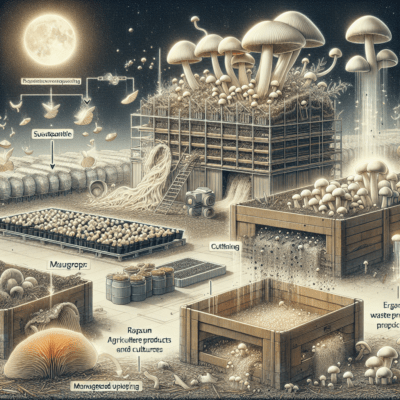
Fungi are the structural architects and the only kingdom capable of dismantling tough, lignocellulistic substrate (straw, woodchips, hulls, and spent crop stalks) and biologically engineering them into high-value gourmet protein.
Mushroom cultivation provides rapid production cycles and high profit margins. The Bundu Teq mission is to take mushroom production out of energy-intensive sterile laboratories and move it into low-tek, rugged, “Bundu-ready” cultivation protocols. The Spent Mushroom Substrate (SMS) is returned to the CFT (Continuous Flowthrough Composter)
Monera (The Decomposers)
Monera—the microscopic universe of bacteria and archaea—is nature’s primary refinery. Through a combination of anaerobic Solid-State Fermentation (SSF), or Bokashi, and aerobic vermicomposting, Monera acts as a biological upgrade engine. It targets raw, volatile organic matter, captures gaseous nitrogen losses, stabilizes carbon, and biologically mineralizes complex molecules into bio-available fuel for the Plantae and Fungi kingdoms.
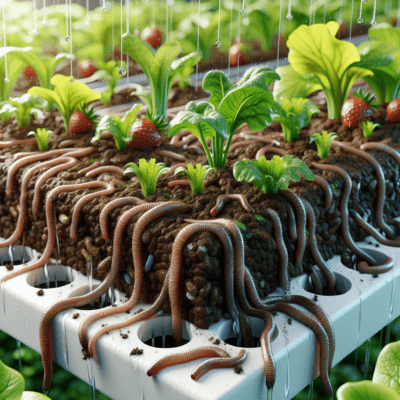
Bokashi, or anaerobic fermentation, is a variation of composting. By means of anaerobic fermentation we can “preserve” the protein nutrients in agricultural waste to fuel the nitrogen requirements of Plantae and Fungi in a much shorter time span.
You can read more about the trials and tribulations of Bundu Teq in:
🔄 The Three Paradigm Shifts for Sustainable Agriculture
PS #1: Plant-Available Nutrients
Old Thinking: Plants feed directly on compost.
New Reality: Plants cannot directly absorb organic matter. The Soil Biome first mineralizes it into water-soluble nutrients — the foundation of regenerative agriculture and VermiPonics.
PS #2: Pasteurizing Bio-Engineers
Old Thinking: Worms eat decomposing organic scraps.
New Reality: Worms do not consume waste directly — they feed on the decomposing microbial soup, biologically pasteurizing organics into stable vermicast rich in BAM!, enzymes, growth hormones and nutrients.
PS #3: Selective Nutrition
Old Thinking: Contamination is a sterility problem.
New Reality: Contamination is a nutrition problem – by pre-digesting nutrition through Monera systems, we create fungal substrates where gourmet mycelium thrives while contaminants remain locked out.
Tiered Systems: Building the Circular Economy
At the STS, our Urban Farm evolved step by step—first with hydroponics, then mushroom cultivation, and finally vermiculture. Each stage naturally aligned with one of nature’s three kingdoms: Plantae, Fungi, and Monera. Each operation, in turn, revealed a paradigm shift that shaped our approach. To harness the full regenerative power of Bundu Teq, we’ve structured our system into three escalating tiers—each one amplifying carbon sequestration and biological regeneration.
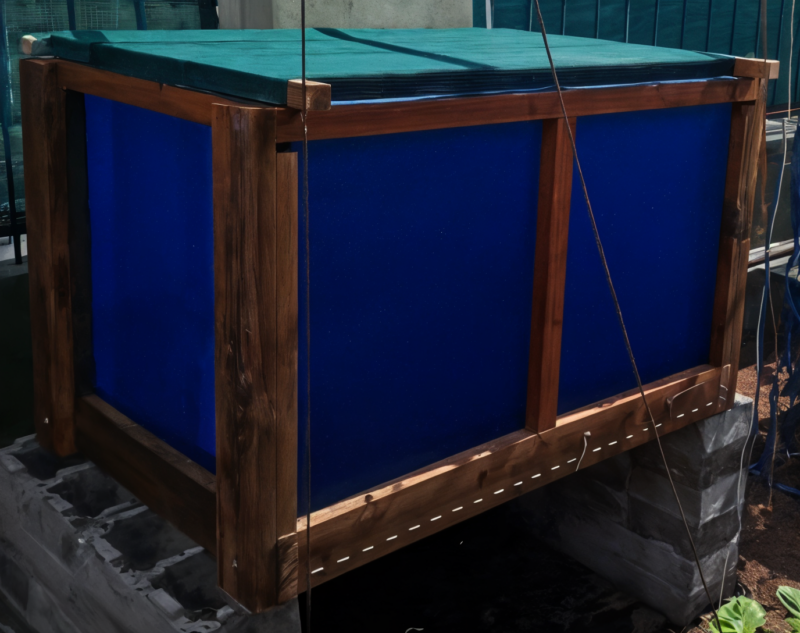
One-Tier System
Simple Recycling: Vermicomposters process residential and garden waste into nutrient-rich compost. Improving efficiency by adding Bokashi—anaerobic fermentation that preserves protein nutrients and buffers pH using vermicompost or EM.
Two-Tier System
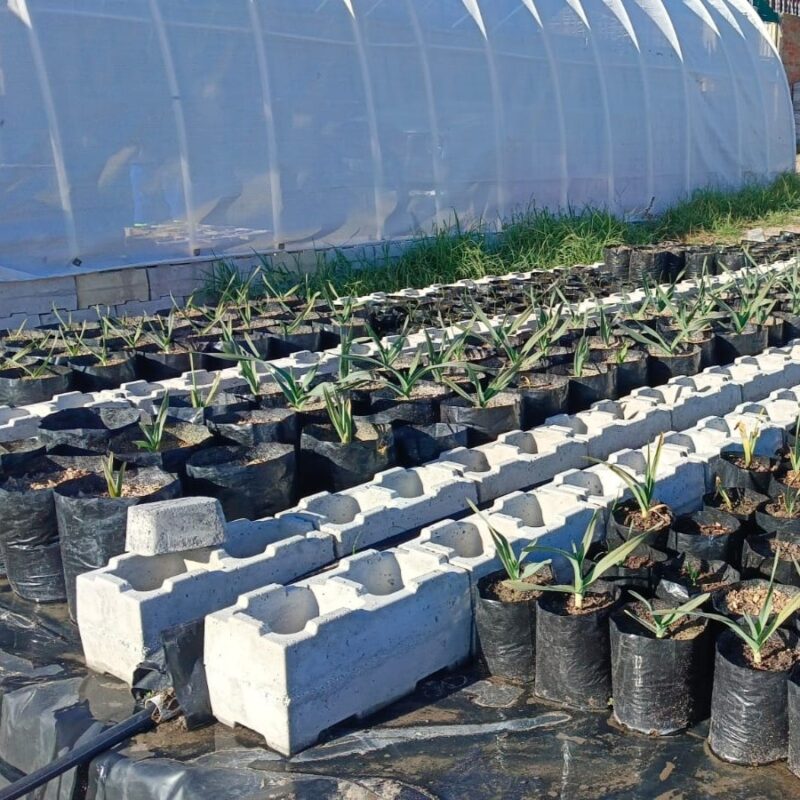
Integrated Produce: Flow-through vermicomposters supply vermicompost for organic hydroponics (Vermiponics). This soil-free system runs only on water and vermicompost, boosted with worm tea (Vitavermi), outperforming chemical hydroponics and slashing the carbon footprint.
Three-Tier System
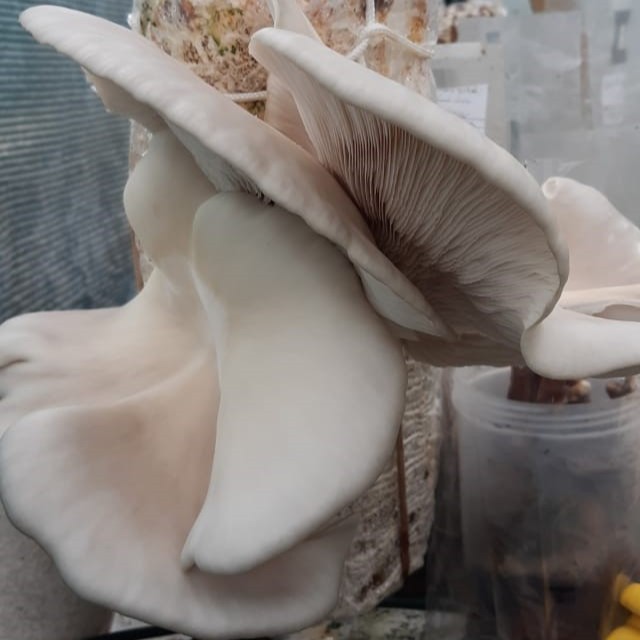
Full Integration: Agricultural waste first cultivates mushrooms. Spent mushroom substrate, garden, and residential waste then feed the vermicomposter, producing high-quality vermicompost for gardens or Vermiponics. This turns your backyard into a carbon sink.
Scaling Up: Commercial Bundu Teq Agriculture
After a decade of urban farm trials, Bundu Teq is ready to scale. The three paradigm shifts offer practical, regenerative solutions for both backyard and commercial agriculture.
Microbes Unlock Nutrients
Concept: Stop “feeding plants”—start managing the Monera kingdom (soil biome) to unlock organic matter.
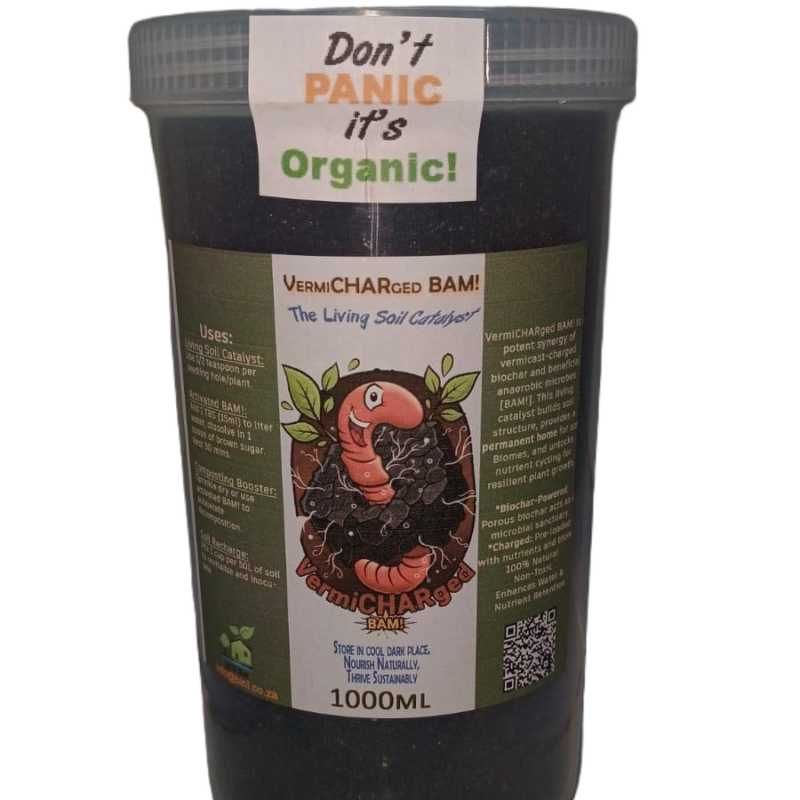
Commercial Scaling: Use VermiCHARged BAM! (microbial inoculant + biochar) to inoculate compost and restore soil health across acreage. Biochar acts as a “microbial hotel”—inoculate once, add compost yearly.
Worms Pasteurize the Soup
Concept: The worm’s gut is a biological pasteurizing refinery, creating pathogen-free, hormone-rich humus.
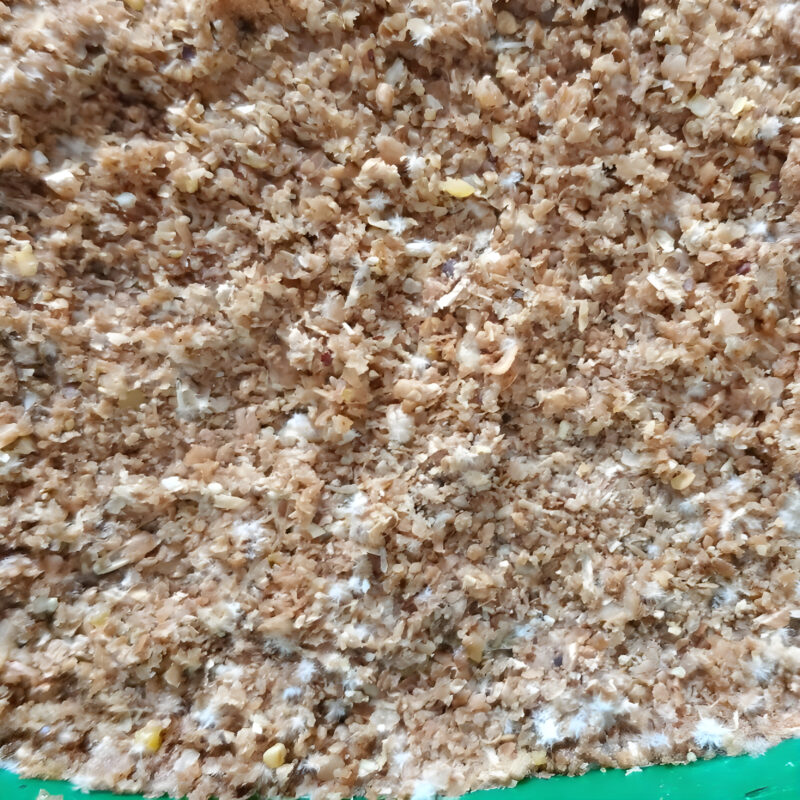
Commercial Scaling: Move from small bins to Continuous Flow Through (CFT) vermiculture systems for a clean, 4% nitrogen nutrient base. Bokashi principles reduce biochar charging time from two months to two weeks.
Selective Nutrition
Concept: Shift from raw supplementation to SSF—pre-digest supplements via Bokashi and vermicast.
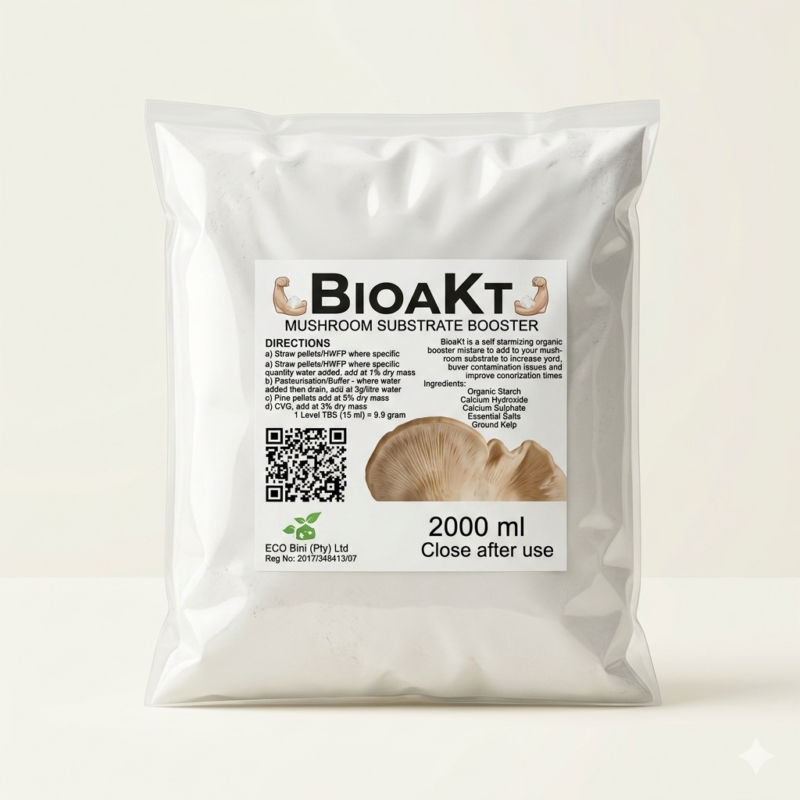
Commercial Scaling: Enables high supplementation rates for massive fungal yields, with a selective gate against contamination. No high-energy sterilization needed—preparation can happen in the Bundu.
Engineering Summary
| Feature | Urban “Tek” | Commercial “Teq” |
| Nutrient Management | Composting Scraps | Selective Nutrition (SSF) |
| Substrate Goal | Waste Recycling | Propellant Upgrading |
| System Logic | Closing the Loop | Biological Refinery |
Conclusion: From Backyard Resilience to Commercial Sovereignty
The backyard has proven the concept—the next frontier is the widespread commercial adoption of Bundu Teq agriculture. Bundu Teq is no longer just about sustainability; it’s about delivering triple-bottom line benefits and profitable regeneration through biological independence. By adopting Bundu Teq systems, you create a sustainable circular economy whether on your urban farm, backyard, or commercial operation.
The one-tier system recycles waste into compost; two-tier produces organic food via Vermiponics; three-tier fully integrates mushrooms, turning all organic waste into nutrient-rich vermicompost, gourmet mushrooms, and premium produce—without chemical fertilizers or pesticides.
With the three paradigm shifts in place, Bundu Teq delivers sovereign independence, resilience to load-shedding and supply disruptions, and multiple revenue streams: gourmet mushrooms, premium organic produce, BAM! inoculants, and carbon-rich soil products.
The backyard has proven the concept – the next frontier is commercial adoption.