For decades, agriculture has followed a path that promised abundance but delivered unintended consequences.
Summary
We bypassed the intricate, self-sustaining biological systems of the soil, opting instead for a “chemical bypass” born from the Green Revolution. This approach, while yielding short-term gains, has left our soils depleted, our ecosystems strained, and our planet paying a heavy price. This post explores how we got here, the rediscovery of ancient, biological solutions, and how we can rebuild our “natural refinery” using biochar.
I. The Chemical Bypass: How We Broke the Soil Engine
The agricultural revolution of the mid-20th century, often hailed as the “Green Revolution,” was built on a foundation of chemical inputs designed to bypass the natural workings of the soil. A pivotal moment was the development of the “Hoagland Solution” in the 1930s. This nutrient blueprint, while revolutionary for hydroponics, inadvertently handed the keys to global food production to the petrochemical industry.
Agriculture transformed from a biological craft into a chemical industry. Synthetic fertilizers, designed to deliver water-soluble nutrients directly to plants, circumvented the natural nutrient cycle. While providing immediate results, these methods left the soil barren and devoid of the microbial life essential for its long-term health. This reliance on chemicals created a dependency: plants weakened without natural microbial support, necessitating the use of chemical pesticides to compensate for their compromised defenses.
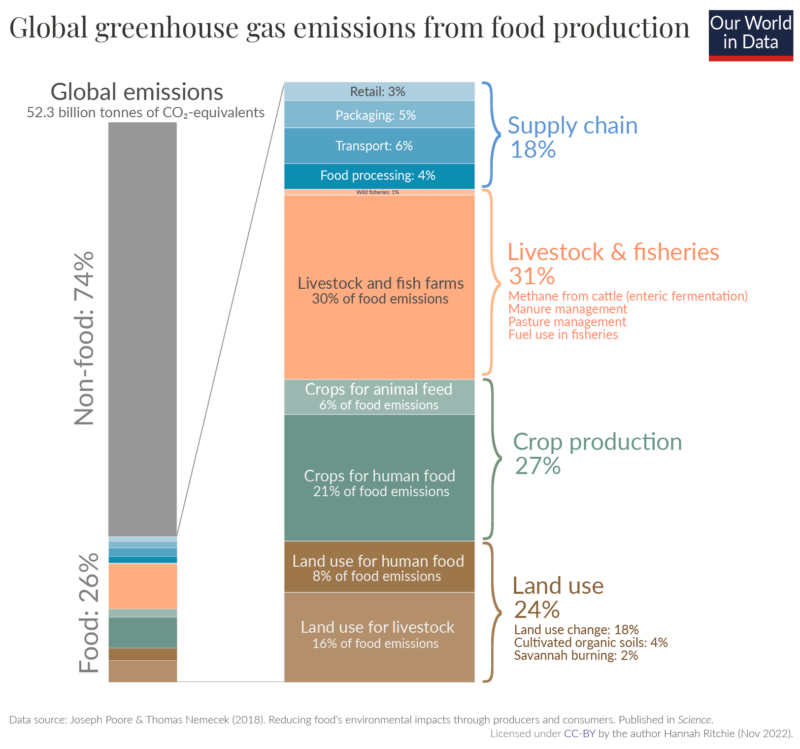
This bypass came with a staggering energy cost. Modern food systems are major contributors to the climate crisis, consuming about 15% of global fossil fuel energy. This powers everything from the energy-intensive Haber-Bosch process for synthetic nitrogen to heavy machinery and global transport. Even more alarming is the atmospheric impact: agriculture and its associated systems are responsible for a third of total global greenhouse gas emissions. By replacing the soil’s natural carbon-sequestering “Microbial Engine” with a petrochemical “Chemical Bypass,” we have inadvertently turned the earth’s crust from a carbon sink into a carbon source.
When we flood the soil with water-soluble salts from petrochemical fertilizers, plants absorb nutrients via osmosis. However, this same osmotic pressure creates a physical barrier, hindering the delicate Symbiotic Relationship between plants and soil microbes. In our pursuit of maximizing output through “nutrient injection,” the biological symbiotic bridge is severed. The flow of sugars from plants to the soil biome—the very fuel for the microbial engine—dwindles to a trickle.
The result is a “Fermentation Desert.” When we move away from organic matter like compost, the soil is left without the carbon-rich “fuel” that microbes need to survive. Without organics to ferment and without the sugar payments from plants, the soil biome dies off. This is why a plant thriving in a high-performance soil can be transferred to a hydroponic system, but a hydroponic plant struggles in depleted soil; the ground lacks the “digestive system” to support it. The engine has seized because the fuel flow has stopped.
II. The Petrochemical Fallout: Leaky Systems and Dead Zones
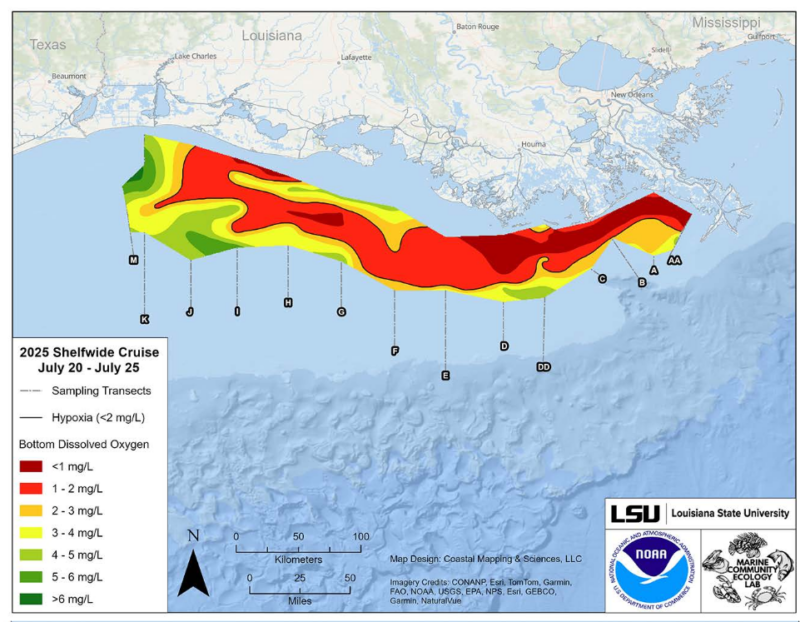
The global consequence of this “Chemical Bypass” is starkly visible in the Gulf of Mexico—a massive “Stalled Engine” in our oceans. Every summer, a hypoxic (oxygen-starved) area, sometimes spanning up to 21,000 square kilometers (the size of New Jersey), forms at the mouth of the Mississippi River.
This “Dead Zone” is a direct consequence of the Green Revolution’s legacy.
Millions of tons of excess nitrogen and phosphorus from agricultural fields in the U.S. Midwest are washed downstream. Because these fields lack a biological “Occupancy Strategy” and are essentially sterile deserts, the chemicals simply run off the land and into waterways. This nutrient flood triggers massive algae blooms. As the algae dies and decomposes, it consumes all available oxygen, suffocating marine life and devastating a multi-billion dollar seafood industry. The irony is profound: we expend billions in fossil fuel energy to fix nitrogen, only to “fertilize” the ocean to death. This represents a catastrophic “Leaky System,” an engineering failure where upstream overuse leads to total downstream destruction.
III. Ancient Wisdom: The Mayan Megapolis and the Terra Preta Secret
To find a sustainable solution, we must look to the past. While the Egyptians benefited from the Nile’s fertile floods, the true engineering enigma lay with ancient South American civilizations like the Mayans and Incans. Explorers have long been baffled by how these cultures built thriving megapolises in nutrient-barren rainforests where heavy rains quickly leached away any deposited minerals.
The jungle environment, primarily composed of wood with low protein content and subject to constant rain, is nutritionally starved. Yet, these civilizations engineered ways to feed millions. Initial theories pointed to volcanic activity, but this couldn’t explain nutrient-rich pockets on elevated terraces. The “slash and burn” hypothesis emerged, but empirical evidence showed it provided only temporary fertility, lasting a season or two before requiring extensive fallow periods.
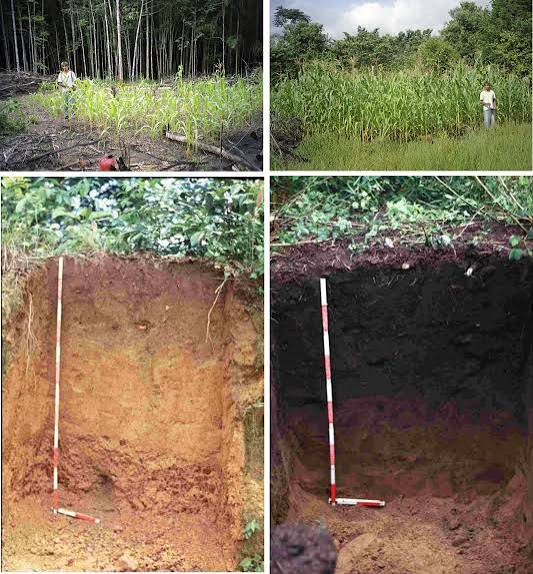
The mystery was finally solved around 2007: researchers identified Terra Preta dos Indios (“Black Earth of the Indians”) not as a geological accident, but as a deliberately engineered infrastructure. The Mayans and their neighbors had discovered that long-term fertility wasn’t about constantly adding “food” (nutrients/compost), but about building a permanent Habitat.
This ancient riddle was solved through Biochar, a material produced via pyrolysis—the heating of organic matter in a low-oxygen environment.
Unlike the fleeting ash from “slash and burn” fires, biochar is a stable, carbon-based 3D lattice. It acts as a “Microbial Hotel,” providing trillions of microscopic pores that house beneficial fungi and bacteria. Because this carbon structure is chemically stable, it does not degrade. Terra Preta sites discovered today, some over 7,000 years old, remain more biologically active and fertile than surrounding areas. By integrating this ancient infrastructure with modern biological management, we shift from “feeding the plant” to “servicing the engine.” We move away from the petrochemical bypass towards a permanent, self-sustaining in-ground refinery that sequesters carbon while growing food.
IV. The Biological Refinery: Rebuilding the Microbial Engine
The microbial loop is a modular refinery, powered by three kingdoms working in concert:
Fungi (especially Mycorrhizae): These act as the plant’s extended circulatory system. They dramatically increase the effective root surface area, trading plant sugars for water, phosphorus, zinc, and other hard-to-reach nutrients.
Bacteria & Beneficial Microbes (BAM!): These are the digestive system of the soil. They break down complex organic matter into simple, plant-available forms, perform nitrogen fixation, produce hormones, and suppress pathogens naturally.
Plants: These are the producers, supplying the carbon (sugars) that fuels the microbes and fungi.
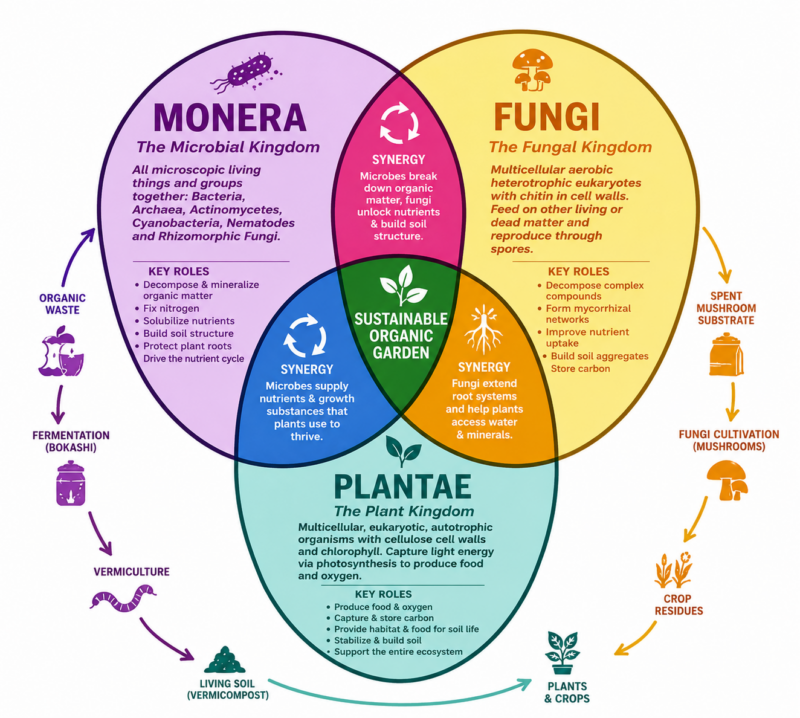
Fungi and microbes function as the plant’s external digestive and transport system. The plant feeds them, and they feed the plant in return—a beautiful symbiotic “Microbial Loop” relationship.
We often forget that plants originated in aquatic environments. Their leap to land was a monumental technical hurdle, made possible by a critical partner: Fungi. Fossil evidence suggests early land plants lacked true roots and relied on mycorrhizal fungi as their “biological interface” with the terrestrial environment. This partnership, established over 400 million years ago, remains the foundation of all terrestrial life. Without fungi helping plants adapt to land, our world would be devoid of forests, flowers, and grasslands. Attempting to grow plants with chemistry alone is not just inefficient; it’s an attempt to break a 400-million-year-old engineering contract.
V. Earthworms: Nature’s Pasteurizers and Soil Engineers
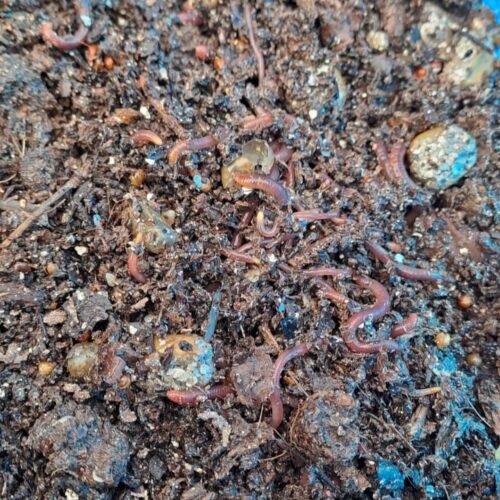
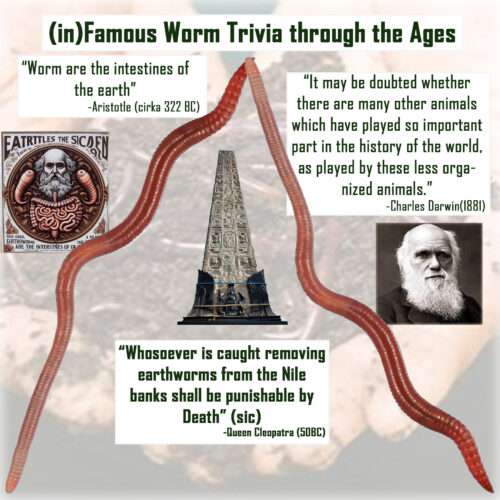
At the STS, we view earthworms not just as composters, but as Nature’s Pasteurizers. The “Worm-Gut Refinery” is where earthworms consume a mixture of soil microbes and organic matter. As this passes through their digestive tract, a miraculous process occurs: pasteurization. Research shows vermicompost has significantly lower pathogen counts than traditional compost. The worm’s gut neutralizes harmful bacteria while adding vital Plant Growth Hormones (PGHs). The resulting vermicast, or “Black Gold,” is packed with the precise microbial life (BAM!) needed to stimulate root growth and break seed dormancy.
In South America and Australia, vermicompost is considered seven times more potent than standard compost because it’s a living, pasteurized consortium, not just a chemical fertilizer.
Charles Darwin himself was captivated by earthworms, dedicating the last 40 years of his life to their study. His final book, The Formation of the Vegetable Mould through the Action of Worms, outsold On the Origin of Species. Darwin recognized that the fundamental engine of life on land wasn’t just “survival of the fittest,” but the industrious work of worms building the very soil that sustains us. Worms don’t eat waste; they feed on the microbial soup decomposing that waste, transforming raw inputs into pasteurized, living fuel.
VI. Biochar: The Permanent Habitat – The “Occupancy Strategy”
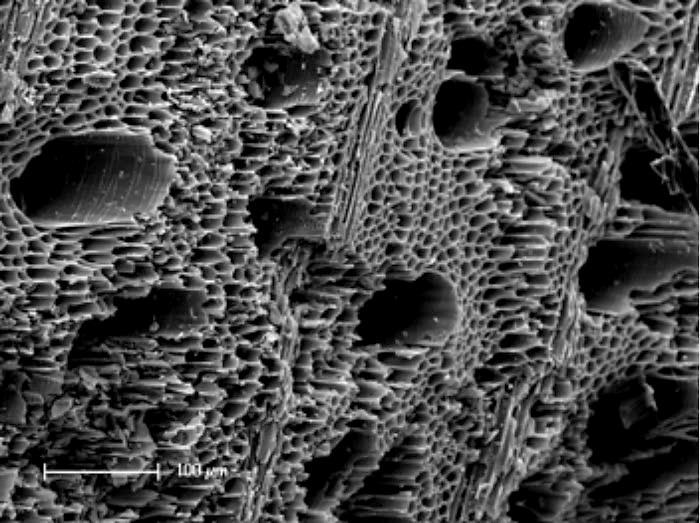
If the microbial kingdoms provide the workers and worms pasteurize the refinery, then Biochar is the physical factory—the “Engine Block” that holds the entire system together. We view biochar as a permanent, carbon-based 3D lattice. Under a microscope, it resembles a scorched coral reef, offering trillions of microscopic “rooms” to house our beneficial workforce. Each gram possesses a surface area akin to a tennis court, acting as a magnet for nutrients.
Biochar is a high-tech material produced through pyrolysis—the thermal decomposition of organic material at high temperatures in the absence of oxygen. This process removes volatile gases, leaving behind a nearly pure carbon skeleton.
- The 3D Lattice: This incredibly porous structure provides a permanent, protected habitat where fungi and bacteria can colonize, shielded from predators and environmental stress.
- The Nutrient Magnet: Biochar has a high Cation Exchange Capacity (CEC). Its negatively charged surfaces attract essential cations like Calcium²⁺, Magnesium²⁺, and Potassium⁺, preventing them from leaching away. It holds them in place until plants or fungi retrieve them.
- Water Management: In dry climates, biochar acts as a permanent sponge, retaining moisture far longer than standard soil, providing a reservoir for the microbial engine. In wet conditions, its high CEC prevents nutrient loss.
Crucially, pyrolysis of agricultural waste produces syngas, a valuable fuel, while leaving behind the stable carbon skeleton of biochar. This process effectively turns waste into a clean energy source and a permanent soil amendment.
In engineering, we follow the “Junk In / Junk Out” principle. If left raw, biochar will absorb whatever is available—good or bad. The STS solution is the “Occupancy Strategy“: we front-load the biochar magnet. By pre-charging biochar with a pasteurized, pathogen-free soil biome (like VermiCast), we fill the “hotel rooms” with beneficial microbes (BAM!) first. This ensures the charcoal retains beneficial life, acting as a remedial filter for the soil while holding nutrients in a stable, biological vault, leaving no space for “junk.”
VII. The 60-Day Charging Protocol: From Hungry Sponge to Charged Battery
A common mistake is using raw biochar. Because it’s such a powerful nutrient magnet, adding it raw can lead to “Nitrogen Robbing,” where the biochar pulls essential nutrients away from plants to fill its empty pores. To prevent this, the engine must be “charged” before installation.
- Inoculation (The Mix): Mix raw biochar (approximately 10% of total soil volume) with high-quality, fresh vermicompost. This vermicompost introduces the “pasteurized” soil biome—the BAM! workforce—we call this BAC (biologically Active Carbon). At this stage, add other organic matter (simple 1-2% sugar water) to provide initial “fuel” for the microbes.
- Solid State Fermentation (The 60-Day Charge): Place the mixture in a covered, moist environment to undergo Solid State Fermentation. For two months, microbes actively colonize the biochar lattice, occupying the pores and stabilizing the pH with hormones and nutrients. This transforms the biochar from a “hungry sponge” into a “charged battery.”
- Incorporation & Maintenance: Once charged, incorporate the biochar into the top 15–30 cm of soil or use it as a catalyst in transplant holes. Once in the soil, the biochar infrastructure is permanent. You don’t need to re-apply biochar; you simply maintain the engine by “refueling” it with organic matter on the surface. The charged biochar ensures the microbial population survives heat, drought, and time, maintaining Terra Preta catalyst effect.
VIII. Terra Preta Nova: A Catalyst for True Regeneration
The Microbial Engine represents a paradigm shift. We move from fighting against nature to engineering with it, transitioning from the “Chemical Bypass” of the past back to the ancient wisdom of Terra Preta, enhanced by modern biological understanding.
On a macro-scale, the implications are profound. Humanity has yet to invent a “Mechanical Leaf” that can efficiently convert CO2 into food at scale. Plants are our most potent tool against global warming, and the Microbial Engine is the power source that keeps those leaves turning. By sequestering carbon through pyrolysis and charging that carbon with a healthy soil biome, we are not just growing plants; we are practicing True Regenerative Agriculture.

While the 60-day charging protocol ensures stability, innovation continues. Techniques like the “Bokashi Turbocharger,” integrating anaerobic Solid-State Fermentation with vermi-charged BAM!, can reduce processing time significantly.
The industrious work of earthworms and the specialized enzymes of fungi allow us to finally close the loop. We take the “Junk” of the past—our depleted soils and environmental damage—and transform it into the “Stability” and fertility of the future.
It’s important to note that biochar, once incorporated and charged, acts as a permanent catalyst. While specific figures vary, studies have shown that even small inclusions of biochar (as little as 0.5% by volume in rice paddies) can lead to substantial increases in yield. This is because the biochar itself is not consumed annually; it remains in the soil, continuously supporting and enhancing the biological refinery. It is a long-term investment in soil health and productivity.
-
STS

Eco Bini™ BioaKt Media/Substrate Conditioner | 2000 ml
Original price was: R195.R149Current price is: R149. Add to basket🏗 Bundu-Tek additive with kelp alginates – No autoclave needed.
🏗 Alkaline pH Pasteurizer
🏗 Self-sterilizing formula
🏗Boost yields and colonizing times -
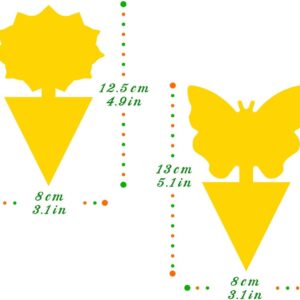
Yellow Sticky Fruit Fly & Fungus Gnat Traps
R11 Select options This product has multiple variants. The options may be chosen on the product page🏗️Bright yellow colour attract flying insects
🏗️Odourless, Safe and Non-toxic
🏗️Durable – UV resistant and Waterproof
🏗️Easy to Use, Plant and Peel -
STS
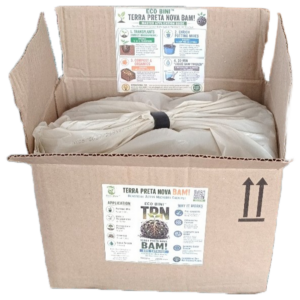
Eco Bini™ Terra Preta Nova BAM! Soil Catalyst | 5 Litre
Original price was: R340.R239Current price is: R239. Add to basket🛠️ Biologically pre-charged Terra Preta Nova Soil Catalyst
🛠️ Premium macadamia shell Granular Activated Carbon (GAC)
🛠️ Beneficial Active Microbes (BAM!)
🛠️ Zero nutrient lockout • Permanent microbial habitat • Ready to use -
STS
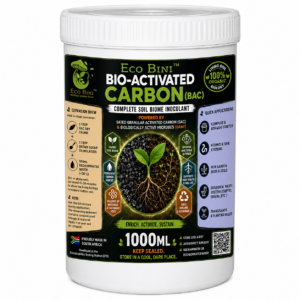
Eco Bini™ BAC: Complete Soil Biome Inoculant
Original price was: R229.R164Current price is: R164. Add to basket🛠Activated BAM! Dry Inoculant
🛠Add Sugar & Water to Activate
🛠High-Density Microbial Matrix
🛠Makes 600L+ Living Probiotic
Socratic Questions:
1. How did the Green Revolution harm soil biology?
2. What is biochar’s role in soil regeneration?
3. Can ancient Terra Preta methods revive modern soils?
4. How do microbes and fungi rebuild soil health?
5. What is the best way to charge biochar?