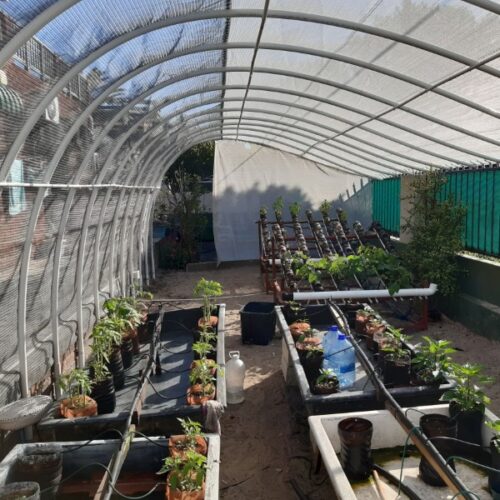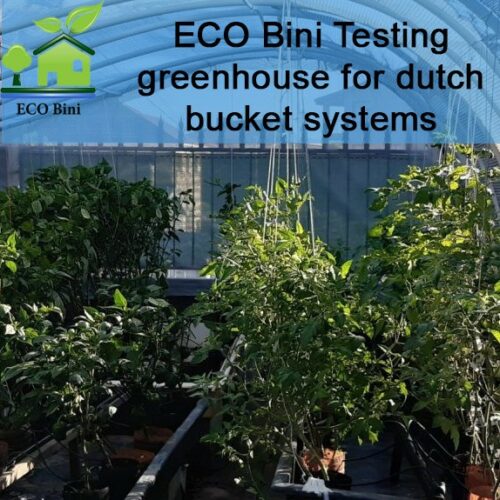
VermiPonics is a biological hydroponic methodology that replaces synthetic nutrient solutions with a worm-driven organic conversion system.
It integrates vermicompost biology, microbial decomposition, and passive water delivery to create a stable plant-growing environment without reliance on chemical fertilisers or sterile hydroponic inputs.
It is designed for low-energy, regenerative food production systems ranging from micro urban setups to scalable agricultural applications.
Abstract
1. Failure Modes of Organic Hydroponic Systems
Organic hydroponic systems fail due to incompatibility between biologically active inputs and hydroponic system design requirements.
Hydroponic systems are designed around sterile, water-soluble nutrient chemistry, typically using mineral salts with predictable ionic behaviour and measurable electrical conductivity (EC). This allows precise control of nutrient delivery and rapid correction of imbalances.
Organic inputs behave differently. Materials such as compost teas, fish emulsions, and decomposing plant matter introduce microbial activity and particulate organic load into a closed water system. This produces instability across three key failure domain
- Biofilm formation: microbial colonies produce polysaccharide layers that coat surfaces, restrict flow, and impair irrigation components
- Nutrient unpredictability: organic compounds are not immediately ionised, making EC readings unreliable or misleading
- Oxygen depletion zones: particulate organic matter settles in reservoirs, consuming dissolved oxygen and creating anaerobic conditions
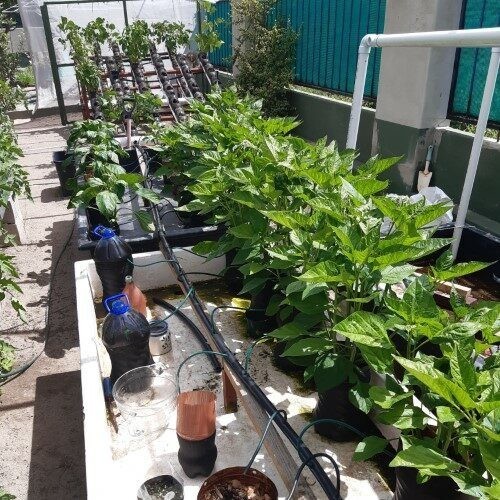
These conditions progressively degrade system stability, making long-term hydroponic operation unreliable without aggressive filtration, sterilisation, or constant maintenance.
2. Experimental Development Path of VermiPonics (STS Field Trials)
VermiPonics emerged through iterative field testing aimed at resolving the instability of organic inputs in hydroponic systems. Rather than attempting to sterilise organic matter, the development path focused on biological pre-processing before plant uptake.
The system evolved through two primary experimental phases before stabilisation into the current VermiPonic model.
a) Sawdust-Based Hybrid Growing Systems
Early trials utilised weathered pine sawdust as a locally available organic-structured substrate within hydroponic-style containers.
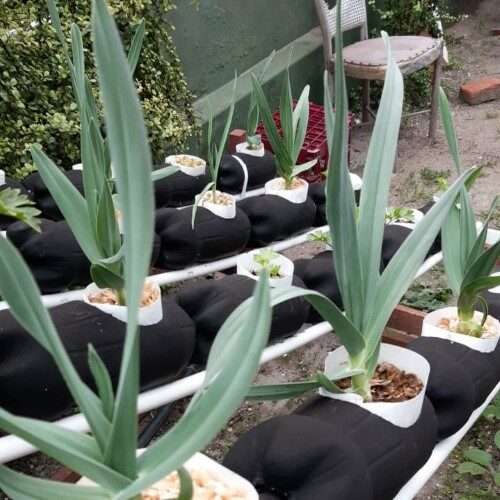
Sawdust provided:
- high water retention capacity
- structural support for roots
- partial microbial colonisation potential
However, as a carbon-rich organic material, it remained biologically active. Over time, microbial breakdown led to gradual substrate decomposition, altering porosity and reducing structural stability.
Key observations included:
- pH instability during early decomposition stages
- gradual collapse of substrate structure under long cultivation cycles
- need for periodic media replacement in long-duration crops
While plant growth performance was strong in short to medium cycles, long-term consistency was not achieved.
b) Spent Mushroom Substrate BioPonics Trials
The second phase integrated spent mushroom substrate (SMS) into hydroponic bucket and drip systems in an attempt to close biological loops from fungal production systems.
Initial performance indicated high biological activity and strong early nutrient release. However, system stability degraded rapidly due to:
- accelerated microbial decomposition of SMS under wet conditions
- rapid loss of structural volume within container systems
- formation of anaerobic zones at the base of cultivation vessels
- odour development and root stress conditions associated with oxygen depletion
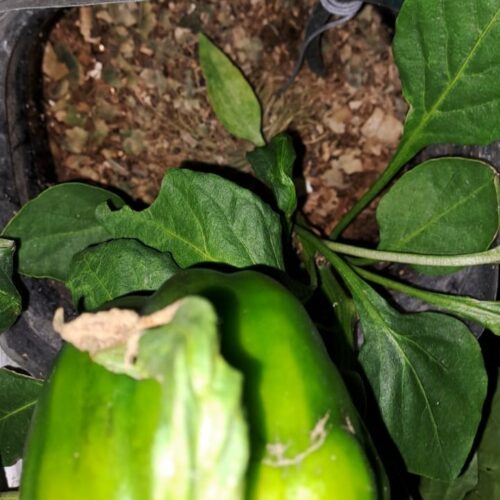
These failures identified a critical limitation: raw biological substrates cannot be directly inserted into hydroponic flow systems without intermediate stabilisation.
This phase provided the key insight that led to the next system evolution: the introduction of a biological processing engine rather than direct organic input.
STS Note: One thing noted during trials is earthworms – they love SMS – often the Dutch buckets would have populations in them, before even planting. A vector that changed a lot in the Regenerative Agriculture field.
3. Earthworm Biological Processing Engine (Organoponic Influence)
The solution direction emerged from observing low-input agricultural systems such as organoponic cultivation models (Cuba’s Organopónicos), where biological decomposition is managed externally rather than inside irrigation systems.
The critical discovery was the role of earthworms as biological processing units rather than passive composting organisms.
Earthworms perform three key functions in system stabilisation:
- conversion of unstable organic matter into structured vermicast
- microbial selection and reduction of pathogenic organisms through digestive processing
- production of biologically stable humus with improved nutrient availability
The resulting vermicast functions as a pre-processed biological input layer, replacing raw organic matter with a stabilised substrate that can interact safely with water delivery systems.
This step removes the primary source of instability found in earlier experimental phases: uncontrolled decomposition inside the irrigation environment.
4. VermiPonic System Architecture
The VermiPonic system is defined as a layered biological growing architecture that separates decomposition, nutrient conversion, and plant uptake into distinct functional zones.
The system is structured into:
- organic input processing (external biological conversion)
- stable substrate formation (vermicompost matrix)
- moisture delivery layer (passive irrigation system)
- plant root interaction zone (controlled uptake region)

This separation of functions replaces direct organic input into water systems with a staged biological processing model.
a) Substrate Composition Framework (STS Matrix)
The substrate system is designed as a balanced mixture of structured carbon media and biologically active vermicompost.
Typical configurations include:
- structured hydroponic media (coir, aged sawdust, or equivalent)
- vermicompost fraction as biological activation layer
- optional aged compost for extended nutrient buffering in heavier feed systems
The role of the substrate matrix is not direct fertilisation, but biological stabilisation of moisture and nutrient cycling dynamics within the root zone.
This creates a buffered environment where microbial activity is controlled rather than chaotic.
| Cultivation Tier | Weathered Hydroponic Media (Coir/Sawdust) | Premium Local Vermicompost (BAM!) | Aged Organic Compost |
| Standard Setup | 5 Parts | 1 Part | 0 Parts |
| Heavy Feeders / Large Crops | 5 Parts | 1 Parts | 2 Parts |
STS Media Tip: When utilizing Coco Coir as your base hydroponic media, always treat it first with a calcium-rich buffer solution to displace unwanted native sodium (Na+) ions. This creates a pristine, buffered carbon haven where mycorrhizal fungi and beneficial Monera strains can establish home colonies.
b) Bottom-Feed Irrigation System
The VermiPonic system uses a passive bottom-feed irrigation method where water is introduced at the base of the growing container or system tray.
Water movement occurs through:
- hydrostatic pressure equilibrium
- capillary rise through substrate structure
- plant-driven uptake demand
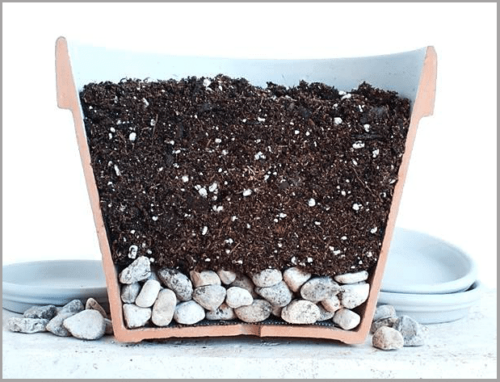
This method prevents direct wetting of upper organic layers, reducing surface biofilm formation and limiting oxygen disruption in the upper root zone.
The root system naturally extends toward the moisture interface, forming a stable interaction zone between biological media and water availability.
5. Field Performance Validation (STS Trial Results)
Field trials conducted under STS conditions demonstrate consistent system behaviour across multiple crop types and environmental conditions.
Observed outcomes include:
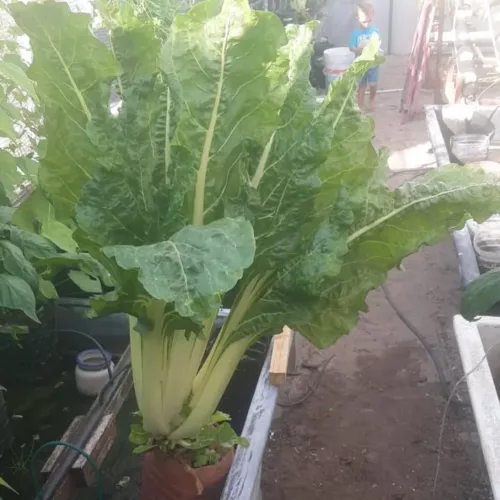
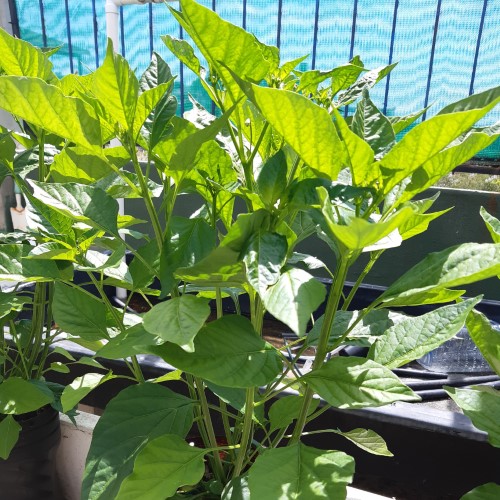
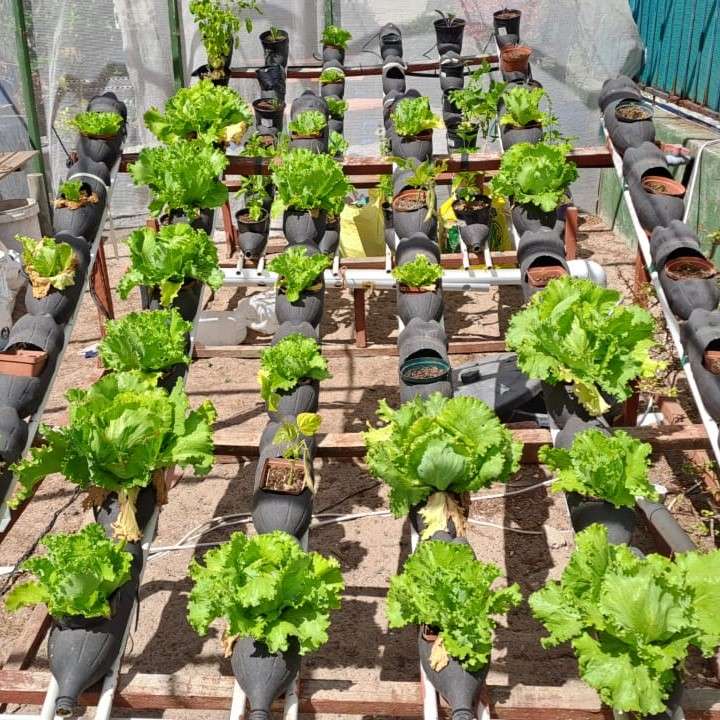
- stable propagation performance in leafy greens and herbs
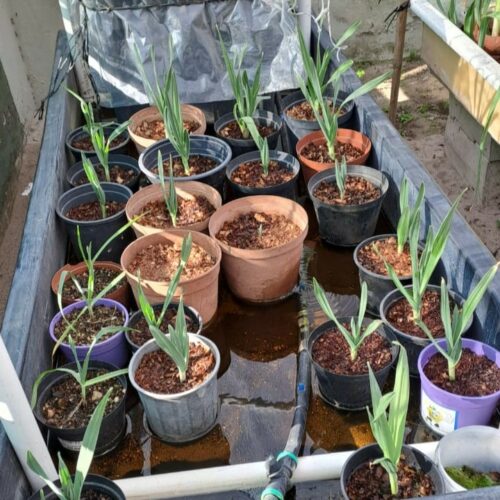
- successful cultivation of high-value crops including garlic and tomatoes
- reduced irrigation frequency compared to conventional soil systems
- improved root zone stability in container-based environments
The system shows strong resilience under variable watering conditions due to the buffering capacity of vermicompost-based media.
Performance is most consistent in early-stage and mid-stage plant development cycles where root establishment is critical.

6. System Evolution: From Hydroponics to Biological Agriculture
This Lab Note remains an open-ended chronicle. True engineering is never static; it is a continuous process of observation, failure, and refinement. At the Sustainability Testing Station (STS), our pursuit of true circular food security has systematically evolved through Three Fundamental Paradigm Shifts:
Pasteurizing Bio-Engineers
Plant-Available Nutrients
Selective Nutrition
Bundu Teq Hub
From Terra Preta and utilizing VermiCHARged BAM! as the primary organic engine within our master Vermiponic substrate matrix, we have effectively maximized nutrient bioavailability while completely neutralizing pathogenic competition before the media ever hits the cultivation lines.
VermiPonics represents a transition from chemically controlled hydroponic systems toward biologically regulated agricultural systems, this fulfils the “Organic” standard for produce .
Conventional hydroponics relies on:
- mineral nutrient precision
- sterile water chemistry
- external nutrient control systems
VermiPonics replaces this model with:
- biological pre-processing of nutrients
- microbial stabilisation of root environments
- passive water delivery systems
- reduced dependence on external chemical inputs
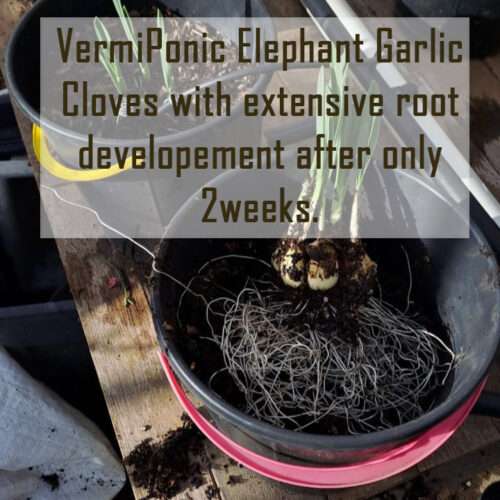
This shift allows nutrient availability and root environment stability to be governed by biological processes rather than continuous mechanical intervention.
Speak on the Flip Side!
-
STS
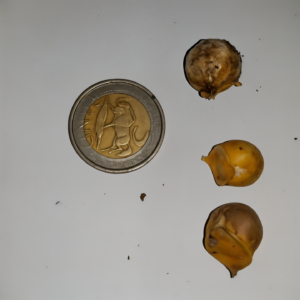
Organic Elephant Garlic Corms (Heirloom)
Original price was: R135.R95Current price is: R95. Add to basket🌱 Start your Elephant Garlic journey.
🌱 Grows into Ajo Macho Solo Round.
🌱 Perennial plant … -
STS
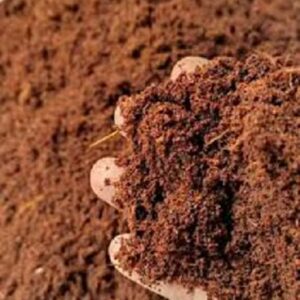
STS “Buffer-Charge” | Professional ...
Original price was: R39.R30Current price is: R30. Add to basketStop “washing” your coir and start charging it.
Pre-measured, dry-sachet conditioning system.
… -
STS

Eco Bini™ BioaKt Media/Substrate Conditioner | ...
Original price was: R195.R149Current price is: R149. Add to basket🏗 Bundu-Tek additive with kelp alginates – No autoclave needed.
🏗 Alkaline pH Pasteurizer
🏗 Se… -
STS
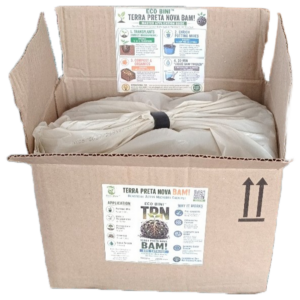
Eco Bini™ Terra Preta Nova BAM! Soil Cata...
Original price was: R580.R295Current price is: R295. Add to basket🛠️ Biologically pre-charged Terra Preta Nova Soil Catalyst
🛠️ Premium macadamia shell Granular …
Socratic Questions
- Why do organic hydroponic systems fail in closed-loop environments?
- How does vermicompost stabilise nutrient availability in hydroponic systems?
- What is the difference between hydroponic nutrient solutions and biological growing systems?
- Can earthworms replace synthetic nutrient inputs in controlled environment agriculture?
- How does bottom-feed irrigation reduce biofilm formation in hydroponic systems?