Uncover the secret to organic substrate stability: Vermicompost isn’t just nutrients; it’s a living, selective ecosystem.
Summary
We discuss how earthworms biologically “pasteurize” organic matter, creating vermicompost that naturally resists spoilage and contaminants. We introduce the “Third Paradigm Shift”: establishing ecological selectivity that benefits cultivated fungi while deterring opportunistic microbes. Our observations show this approach significantly enhances mushroom growth and substrate resilience.
The Short Fuse of Wet Organic Matter
Most moist organic materials, left untreated, are ecological time bombs. Their inherent richness triggers rapid microbial respiration, quickly consuming available oxygen. This leads to anaerobic conditions, souring, and aggressive colonisation by a broad spectrum of opportunistic moulds and bacteria. For cultivators, this rapid spoilage is a constant battle, typically addressed through energy-intensive sterilization or pasteurization to create a temporary window for the desired crop. Yet, mature vermicompost stands out as a remarkable anomaly. It maintains exceptional stability, remaining moist and biologically active for extended periods without succumbing to the rapid putrefaction or mould overgrowth that plagues other organic matter.
This inherent stability is not just convenient; it’s a profound mystery that challenges our conventional understanding of organic decomposition.
Nature’s Biological Pasteurization Machine
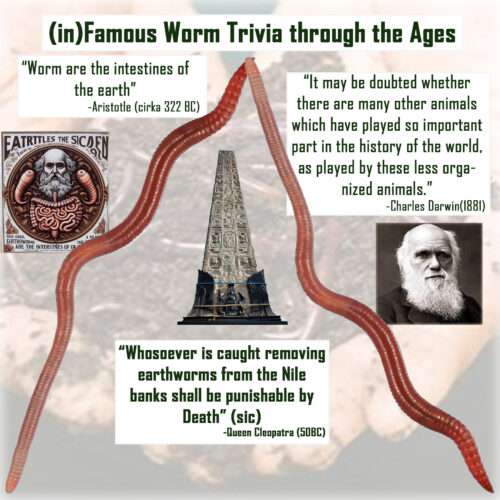
The transformative power of earthworms has been acknowledged for centuries. Aristotle, recognising their profound impact, called them the “intestines of the earth.” Charles Darwin, dedicating the final four decades of his life to their study, lauded earthworms as “friends of the farmer” and unsung heroes. Cleopatra banned the removal from the Nile.
This historical reverence points to a sophisticated biological engineering process. Earthworms are not passive agents of decay; they are active architects of microbial communities. Their primary sustenance isn’t raw organic material directly, but rather the microbial life—bacteria, fungi, protozoa—thriving within decomposing organic matter, alongside partially broken-down organics.
The worm and its gut microbiome operate as a tightly integrated processing system. Organic material undergoes rigorous mechanical processing: ingestion, grinding in the gizzard, and thorough mixing. Simultaneously, it’s exposed to a unique gut chemistry characterized by fluctuating pH, a potent cocktail of enzymes, and a specific redox (reduction-oxidation) environment. This internal milieu acts as a powerful microbial selection mechanism, fostering the growth of specific beneficial microbial communities while actively suppressing others. The outcome is not sterilization—the complete elimination of life—but a form of “biological pasteurization.” This process results in a selective modification of the microbial community, yielding a remarkably stable, microbially balanced material.
From Gut to Stable Cast: An Established Ecosystem

The worm’s gut functions as an advanced biological filter, ensuring that only specific microbes and highly processed material are excreted as casts. These casts are far more than mere waste; they represent a newly structured and chemically altered substrate. Post-excretion, a dynamic process of microbial succession and rapid recolonisation takes place. The casts are swiftly inhabited by a diverse yet inherently stable microbiome. This continuous cycle, driven by the worms, culminates in the formation of mature vermicompost—a complex, self-regulating ecosystem where microbial communities achieve a unique and resilient equilibrium.
We call this BAM! (Biological Active Microbes) and representative of a healthy soil biome.
Why Vermicompost Resists Spoilage
The exceptional stability of vermicompost, even when moist and exposed, arises from a synergistic interplay of factors, manifesting as an emergent property of its established ecosystem:
- Substrate Transformation: The easily digestible carbon sources that typically fuel rapid spoilage in raw organic matter are consumed and transformed by the worm-gut microbiome. The “fast food” for aggressive opportunistic microbes is largely processed.
- Niche Occupation: Mature vermicompost is already teeming with a diverse, established microbial community. These resident microbes effectively occupy available ecological niches, leaving minimal opportunity for external, opportunistic invaders to establish a foothold.
- Competition and Antagonism: The indigenous microbial populations actively compete with and often produce antagonistic compounds against undesirable newcomers, further inhibiting their growth and proliferation.
- Physical Structure and Aeration: The granular structure of worm casts significantly improves porosity and oxygen transfer within the material. This enhanced aeration actively resists the anaerobic conditions that commonly lead to souring and putrid odours.
- Stable Chemical Environment: Vermicompost typically maintains a near-neutral pH and stable nutrient forms, creating a less volatile and thus less exploitable environment for aggressive colonisers.
For a deeper dive into Vermiponics (using Vermiculture in hydroponic/organic systems), see my earlier blog post on the topic – “What is Vermiponics“. The anecdotal results I’ve seen make it worth rethinking how we approach substrate preparation and organic growing.
I used to think earthworms simply ate kitchen scraps and plant waste in compost bins. That’s only partly true. Their real primary food source is the microbial life thriving in decomposing organic matter — bacteria, fungi, protozoa — along with some partially broken-down organics. As worms feed, grind, and pass material through their guts, they dramatically change the microbial community. The end result is a kind of “biological pasteurization” — a stable, microbially balanced material that resists spoilage.

This multifaceted stability is an emergent property, a result of the entire interconnected biological and physical system, rather than any single magical mechanism.
The Third Paradigm Shift: Ecological Selectivity
Conventional approaches to preparing mushroom substrates generally fall into two categories:
Sterile Substrate: This involves eliminating virtually all microbial life (e.g., autoclaving at 121°C). While it creates a “blank slate,” it’s energy-intensive and offers no inherent resistance to re-contamination once exposed.
Pasteurised Substrate: This method suppresses a significant portion of competitors through heat (e.g., 60-65°C for several hours), allowing beneficial microbe to survive. This approach effectively manages many aggressive moulds, including fungal pathogens like Trichoderma, which is largely eliminated at these temperatures.
However, our work with vermicompost directly exemplifies and enables a more advanced approach: the Third Paradigm Shift: Selective Nutrition, as defined in STS Lab Note 03: From Sustainable Garden to Bundu Teq Agriculture – The Three Paradigm Shifts.
As stated in PS #3: “Contamination is a nutrition problem – by pre-digesting nutrition through Monera systems, we create fungal substrates where gourmet mycelium thrives while contaminants remain locked out.”
The worm-processed, biologically mature vermicompost embodies this shift. Its resident microbial communities have already consumed the readily available organic fraction, effectively “pre-digesting” the nutrition through Monera systems (bacteria and archaea). This leaves a substrate where the cultivated mushroom, with its specific enzymatic capabilities, can still efficiently access complex, mineralised, and transformed nutrients. Crucially, however, opportunistic moulds and bacteria find this environment ecologically less favourable for rapid colonisation. This means that while the substrate is nutritionally rich for the desired crop, it is ecologically difficult for contaminants to exploit.
The Mushroom Connection: Seeking Selective Nutrition
In the realm of mushroom cultivation, substrate selectivity is paramount. The objective is to craft a nutrient-rich environment that robustly favours the mushroom mycelium while simultaneously suppressing a vast array of potential contaminants. Opportunistic moulds and bacteria are persistent adversaries, with aggressive fungal pathogens like Trichoderma being a particular concern for growers.
Even though Trichoderma is typically eliminated by proper pasteurization, its ubiquitous spores necessitate constant vigilance against re-infection. The fundamental question then becomes: can a living, biologically active substrate itself be inherently and selectively favourable for the cultivated crop, thereby reducing the sole reliance on external heat treatments and offering a more resilient defence against reinvading contaminants?
The Indian Experiment: Nutritional Value, But a Missed Question
A pivotal study by Sarker et al. (2020), titled “Vermicompost-enriched Substrate Improves the Production of Milky Mushroom (Calocybe indica)“, provided compelling evidence for the nutritional benefits of vermicompost. The researchers compared Calocybe indica (Milky Mushroom) grown on plain wheat and rice straw against substrates amended with increasing percentages of vermicompost, up to 100%. Using a 5% spawn rate, they observed biological efficiencies ranging from 65–160%, demonstrating that vermicompost inclusion significantly improved mushroom production over plain rice straw controls.
However, a critical aspect of this experiment was that the substrate, including the vermicompost, was autoclaved at 121°C for 2 hours—meaning it was completely sterilised. While the study conclusively proved that mushroom mycelium can access the physical and chemical nutrients within vermicompost, this sterilisation step deliberately eliminated the living microbial community. Consequently, the experiment, by its design, could not address the crucial question of what the living microbiome of vermicompost contributes to overall substrate performance and ecological selectivity.
The Unanswered Question: The Living Microbiome’s Role
The Indian study confirmed that the inherent nutrient resource within vermicompost endures sterilisation. However, the beneficial, stable microbiome, which we’ve identified as integral to vermicompost’s unique stability, does not. This leaves a profound question: What happens when this vital biology is retained and actively managed? Can the living ecosystem of vermicompost itself contribute a unique form of substrate selectivity and long-term stability, extending beyond its mere raw nutritional content? This is where our own observations provide critical insight.
The SPES Observation: Setting the Stage for Selectivity
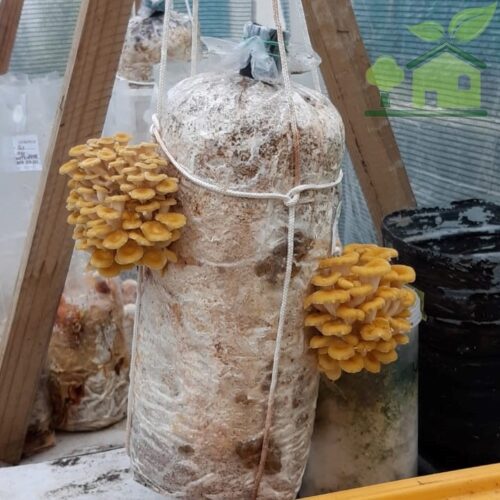
Our work with the Bundu Boom CVG formulation, which incorporates vermicompost, equivalent to double the protein content of Stable Horse Manure, offered initial indications. With application of Bundu Tek treatment (BioaKt + boiling water) to vermicompost-enriched substrates has yielded unexpectedly strong results. We achieved successful Secondary Decomposer mushroom production with exceptionally low spawn rates—around ~3.5%, significantly less than conventional rates that often exceed 50%. This led to observed biological efficiencies (BE) approaching an impressive 400%. While this high biological efficiency is a remarkable outcome in itself, it was the behaviour of the unspawned substrate that most profoundly illuminated the concept of ecological selectivity.

The Unexpected Control: Testing Nutrient Selectivity
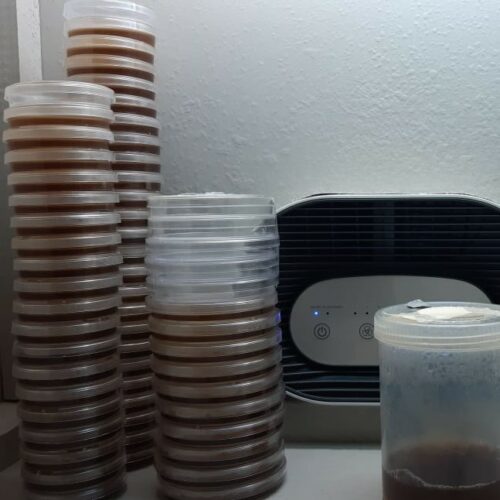
In a pivotal observation, an excess portion of this freshly prepared, highly nutritious Bundu Boom substrate (containing vermicompost and treated with Bundu Tek) was left over. Crucially, this substrate was not inoculated with mushroom spawn and was deliberately left openly exposed to the ambient environment for one full week, without any protective bagging or sterile containment.
The results were astonishing
- There was no visible mould contamination whatsoever.
- There was no obvious development of Trichoderma or any other aggressive opportunistic contaminants.
- The odour remained consistent with the freshly prepared substrate, with no signs of anaerobic spoilage or souring.
This observation directly challenges conventional wisdom, which dictates that such a nutrient-rich, moist organic substrate, left exposed, would rapidly succumb to a microbial free-for-all, quickly becoming overgrown with various moulds and bacteria.
What This Suggests: Inherent Substrate Resistance
The “unexpected control” experiment, combined with the high production efficiency achieved at low spawn rates, strongly points to a unique property of the vermicompost-enriched, Bundu Tek-treated substrate:
- The substrate was undeniably nutritionally capable of supporting robust fungal growth, as evidenced by the exceptional 400% Biological Efficiency.
- Yet, it did not appear readily exploitable by the broad spectrum of environmental competitors, even when openly exposed to non-sterile conditions. This goes significantly beyond what simple pasteurization alone typically achieves, as the substrate was not in a sealed, controlled environment.
- The high mushroom production alone does not fully explain this profound lack of contamination; it strongly indicates an inherent, active resistance within the substrate itself.
- The exceptionally low spawn requirement further underscores that the environment was highly favourable for the cultivated mushroom, demanding minimal colonisation effort to establish dominance.
Working hypothesis: The substrate, through its biologically active vermicompost and targeted Bundu Tek treatment, possesses inherent ecological selectivity.
The Selective Nutrition Paradigm Shift
The sum of these observations just reinforces our third Paradigm Shift:
- Vermicomposting fundamentally transforms the fermenting organic biomass. The worm gut, acting as a biological pasteurization engine, processes and stabilizes the Microbial Biomass in the Vermicomposting bio-reactor, rendering them significantly less pathogenic. Mature Vermicast is biologically stable.
- The established, diverse, and balanced microbial communities within the mature vermicompost effectively occupy all available ecological niches. This creates a “full house” effect, where there is little to no room for external, opportunistic moulds and bacteria to establish themselves and proliferate.
- The cultivated mushroom, equipped with its specific enzymatic capabilities and unique life cycle, can still efficiently exploit the more complex, transformed, and mineralised nutrients within this selectively stable substrate.
- Consequently, common opportunistic moulds and bacteria, find the vermicompost-enriched substrate ecologically less favourable, despite its underlying nutritional value, experiencing nutritional lockout.
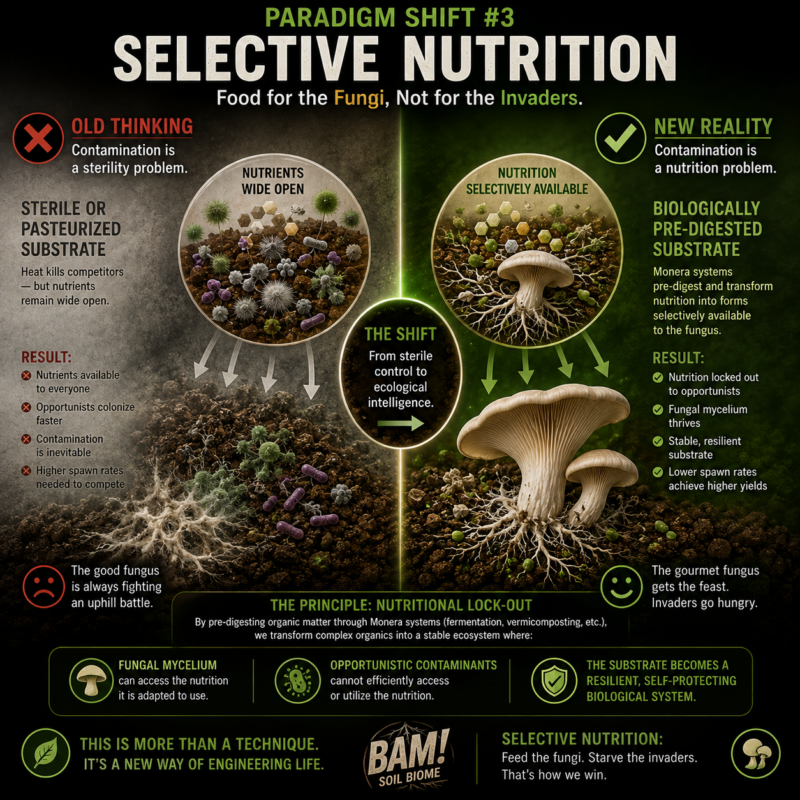
This paradigm of selective nutrition allows the substrate to remain a rich and available food source for the desired crop without inadvertently creating an “open buffet” for every undesirable microbe in the environment. It represents a powerful, biologically engineered approach to achieving superior substrate stability and contaminant resistance in cultivation.
-
STS
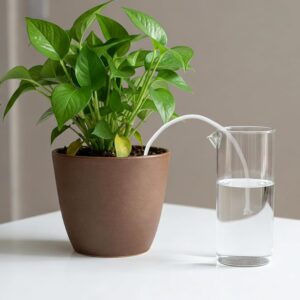
Self-Irrigating Capillary Wicking Cord – 10 meter
Original price was: R140.R115Current price is: R115. Add to basket🌱 High-performance 4mm capillary cord.
🌱 Consistent, self-watering moisture delivery.
🌱 Wicking water in self-watering planters, hydroponic seedlings
🌱 Automation-free vacation watering. -
STS
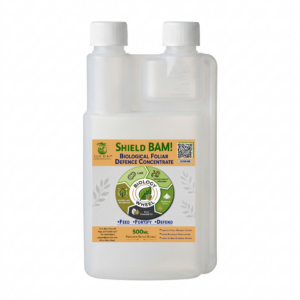
Eco Bini™ Shield BAM! Biological Foliar Defense Concentrate | Natural Pest Deterrent
Original price was: R280.R195Current price is: R195. Add to basket🌱 Living microbial foliar concentrate
🧄 Contains Garlic Extract, Mint and Castile Soap
🛡 Helps deter common soft-bodied garden pests.
🐝 Bee-friendly, animal-friendly and GRAS. -
STS
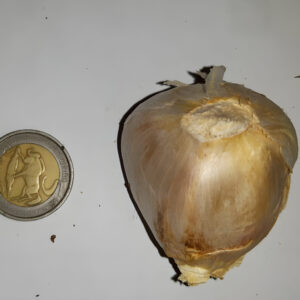
Organic Elephant Garlic Cloves – Vernalized
Original price was: R695.R495Current price is: R495. Add to basket🌱 Large, mild-flavoured cloves
🌱 10 Elephant Garlic Organic seeds
🌱 Vernalized for immediate planting
🌱 Seasonal – limited Stock -
STS

Eco Bini™ BioaKt Media/Substrate Conditioner | 2000 ml
Original price was: R195.R149Current price is: R149. Add to basket🏗 Bundu-Tek additive with kelp alginates – No autoclave needed.
🏗 Alkaline pH Pasteurizer
🏗 Self-sterilizing formula
🏗Boost yields and colonizing times
Socratic Questions
1. How does vermicompost’s microbial community suppress Trichoderma and other pathogens without sterilization?
2. What specific microbial metabolites in vermicompost contribute to its long-term stability?
3. Can the “biological pasteurization” process be optimized for various mushroom species and substrates?
4. How can home growers effectively integrate biologically active vermicompost into their cultivation practices?
5. What are the long-term economic benefits of using vermicompost for contaminant reduction and yield increases?