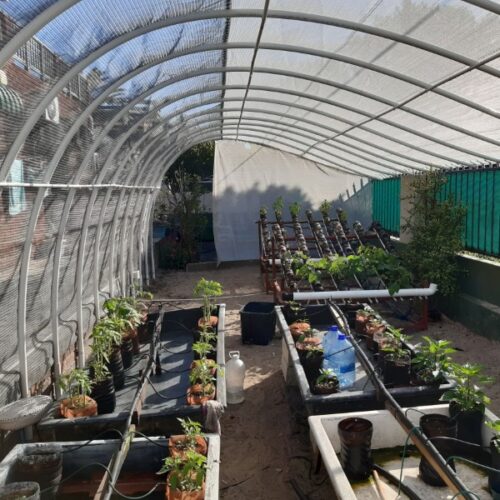
Scale bias, not poor fertiliser, is responsible for most EC measurement mistakes.
Summary
Electrical Conductivity (EC) probes measure how easily dissolved ions conduct electricity through water. They do not measure fertiliser concentration, nutrient balance or plant demand directly. Used correctly, EC is one of the most valuable process-control tools available to a hydroponic grower. Used incorrectly, it can lead to expensive nutrient adjustments based on misleading assumptions.
1. Introduction
Accurate nutrient management is fundamental to successful hydroponics. Every nutrient added to a reservoir changes its ionic strength, and that change influences both plant performance and osmotic stress. Modern growers monitor this using electronic EC meters, yet many still assume the displayed number represents nutrient concentration. It does not.
Early hydroponic pioneers such as William Gericke and Dennis Hoagland established nutrient formulations by carefully weighing mineral salts and analysing plant responses. Today, electronic probes allow us to estimate nutrient strength within seconds, but only if we understand what the instrument is actually measuring.
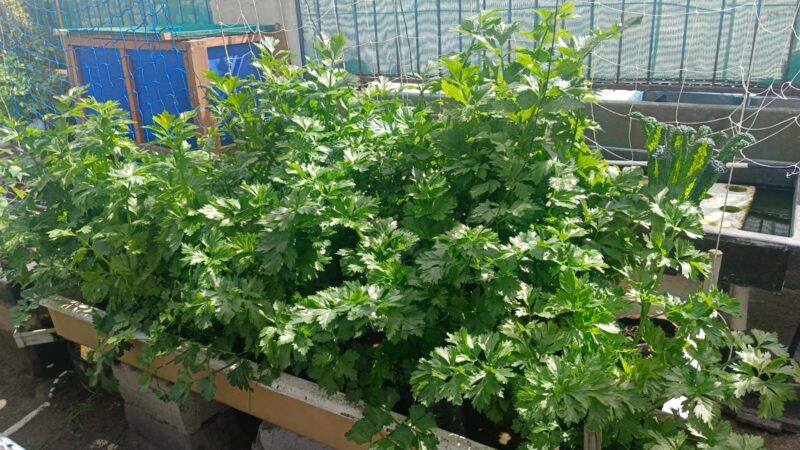
An EC meter does not count nutrient molecules. It measures the electrical conductivity of the solution. Understanding that distinction is the difference between using EC as a reliable engineering control signal and treating it as a guess at fertiliser concentration.
2. How Electric Conductivity Works
Pure water is a poor conductor of electricity. When mineral salts dissolve, they dissociate into positively and negatively charged ions. Calcium nitrate, for example, separates into calcium (Ca²⁺) and nitrate (NO₃⁻) ions. Potassium, magnesium, phosphate, sulphate and other fertiliser components behave in the same way.
An EC probe contains two electrodes separated by a fixed distance. The meter applies a small alternating electrical current between the electrodes and measures how easily that current passes through the solution. The greater the concentration of dissolved ions, the lower the electrical resistance and the higher the conductivity.
In engineering terms, an EC meter is simply measuring the inverse of electrical resistance. Conductivity is expressed in Siemens per centimetre (S/cm), with hydroponic systems normally operating in milliSiemens per centimetre (mS/cm) or microSiemens per centimetre (µS/cm).
- The Electrodes: The tip of the probe houses two parallel metallic electrodes (typically coated in platinum or stainless steel) spaced at a known distance from one another.
- The Current Circuit: The meter applies a precise, low-voltage electrical current to Electrode A and measures the current that successfully arrives at Electrode B.
- The Conductivity Calculation: Pure H2O (water) is non-conductive. The current can only cross the fluid gap by hitching a ride on dissolved, ionized mineral salts (such as Ca2+ or NO3–). The more ions present in the water, the lower the electrical resistance, causing the meter to display a higher value.
- The Temperature Variable: The physical conductivity of a fluid shifts dramatically depending on temperature. As water warms up, ions move faster, causing artificial spikes in EC readings even if the mineral mass remains identical. Most meters utilize an internal thermistor to activate an Automatic Temperature Compensation (ATC) algorithm, standardizing all data outputs to a global benchmark of 25°C.
Several factors influence the measurement:
- Electrode condition. Mineral deposits, biofilm and physical wear alter probe performance.
- Cell geometry. Electrode spacing and surface area determine the probe’s cell constant.
- Temperature. Warm water increases ion mobility, raising conductivity even though the amount of dissolved nutrient has not changed. Most modern meters compensate automatically to the international reference temperature of 25 °C.
3. The PPM rabbit hole
Many growers still work in Parts Per Million (PPM), assuming it represents a direct measurement of nutrient concentration. In reality, an EC meter never measures PPM.
The instrument measures conductivity first. It then converts that conductivity into an estimated PPM value using an internal conversion factor. Different manufacturers use different conversion scales, which means two meters can report different PPM values while measuring exactly the same nutrient solution.

The three most common conversion scales are:
| 1. Sodium Chloride (NaCl) Scale: | 1 ppm = 2.00 µS/cm |
| 2. 442 Natural Water Scale: | 1 ppm = 1.43 µS/cm |
| 3. Potassium Chloride (KCl) Scale | 1 ppm = 1.90 µS/cm |
- The Sodium Chloride (NaCl) Scale: This is the standard hardcoded into Hanna instruments. It assumes the electrical properties of the water mimic pure table salt.
- The 442 Natural Water Scale: Developed by Myron L, this scale uses a blend of 40% Sodium Sulphate, 40% Sodium Bicarbonate, and 20% Sodium Chloride to achieve scientific parity with the complex, multi-element mineral profiles found in living soils and commercial hydroponic solutions. It is widely used on Australian and European agricultural equipment (Truncheon meters).
- The Potassium Chloride (KCl) Scale: Highy stable laboratory reference scale used primarily for scientific gear calibration.
DIY Alpha and Omega Binary Hydroponic Nutrient Concentrates
A high-quality, two-part nutrient system designed to provide all the essential macro and micro-nutrients required for optimal plant growth. Perfect for both commercial and home gardeners.

The nutrient solution has not changed. Only the mathematical interpretation has changed.
For this reason, STS recommends working directly in EC (µS/cm or mS/cm) whenever possible. EC is the measured value. PPM is simply a calculated estimate.
4. The STS Laboratory Hack: Zero-Cost DIY EC Calibration Standard
Over time, EC probes gradually drift from their original calibration. Mineral deposits, biofilm, electrode wear and electronic ageing all influence the measurement. While commercial calibration solutions provide the highest level of accuracy, a simple sodium chloride solution can provide an excellent field reference to verify that your probe is still reading sensibly.
A practical calibration solution can be prepared using ordinary table salt and distilled water.
Recipe
- 1.0 g Sodium Chloride (NaCl)
- 1 L Distilled or Deionised Water
This solution produces a conductivity of approximately 2.0 mS/cm (2000 µS/cm) at 25 °C and is sufficiently accurate for routine grower checks.
Preparation
- Measure exactly one litre of distilled or deionised water into a clean container.
- Weigh 1.0 g of pure table salt (non-iodised if possible).
- Dissolve the salt completely.
- Allow both the solution and the EC probe to stabilise at approximately 25 °C.
- Rinse the probe with distilled water before testing.
- Immerse the probe, gently remove any trapped air bubbles and allow the reading to stabilise.
If the measured value differs significantly from approximately 2.0 mS/cm, clean the probe and recalibrate according to the manufacturer’s instructions. If accurate calibration cannot be restored, the probe may require replacement.
STS Note: This solution is intended as a practical field verification standard rather than a certified laboratory calibration fluid. Prepare a fresh batch whenever required and discard contaminated solutions after use.
5. The Engineering Limitation of EC
EC is an excellent indicator of total ionic strength, but it cannot identify which ions are present.
Two nutrient solutions may both measure 2.0 mS/cm, yet have completely different chemical compositions. One may contain a balanced nutrient profile, while the other may have excessive sodium, depleted calcium or an imbalance of trace elements. The EC meter reports the same conductivity because it measures the total movement of electrical charge, not individual nutrient concentrations.
For this reason, EC should be regarded as a process control signal, not a nutritional diagnosis.
6. Reservoir Management
As crops develop they remove water and nutrients at different rates. Water may be lost through transpiration, while individual nutrients are absorbed according to the plant’s changing physiological requirements. Consequently, the nutrient ratios within a recirculating reservoir gradually drift, even though the overall EC may remain within the desired operating range.
Adding fresh nutrient solely to restore the EC value does not restore the original nutrient balance. Over time this can result in excesses of some elements and deficiencies of others.
The recommended STS practice is to use EC for day-to-day nutrient management while periodically replacing the entire reservoir to restore the intended nutrient formulation. Fresh nutrient solution provides a known chemical starting point and prevents gradual accumulation of unwanted salts.
7. Practical Troubleshooting
If EC readings appear unstable:
- Allow the sample and probe to reach the same temperature.
- Remove trapped air bubbles from around the electrodes.
- Clean mineral deposits or biological fouling from the probe.
- Ensure the reservoir has been thoroughly mixed before measuring.
- Verify the probe using the STS salt calibration solution.
If two meters disagree, compare their readings in EC (mS/cm) rather than PPM. Many apparent disagreements are simply the result of different internal conversion scales.
Engineering Takeaways
- Electrical Conductivity (EC) measures the movement of dissolved ions through water—not nutrient concentration or plant demand.
- Always work in mS/cm or µS/cm whenever possible. EC is measured; PPM is only a calculated estimate based on an internal conversion scale.
- A simple solution of 1 g sodium chloride dissolved in 1 L of distilled water provides a practical field standard of approximately 2.0 mS/cm for routine probe verification.
- Use EC as an engineering control signal to monitor nutrient strength, but never assume it reflects nutrient balance.
- Regular reservoir replacement is essential because nutrient ratios drift over time, even when EC remains within the target operating range.
Conclusion
Electrical Conductivity remains one of the most valuable measurements available to hydroponic growers because it provides a rapid indication of total dissolved ionic strength. However, its value lies in understanding both its capabilities and its limitations.
An EC meter does not measure fertiliser concentration directly, nor can it identify which nutrients are present. It measures only how readily dissolved ions conduct electricity. When growers understand this distinction, interpret EC in its proper context and routinely verify their instruments, nutrient management becomes more consistent, repeatable and economical.
The STS philosophy is straightforward: understand the instrument before trusting the number. A simple calibration check, careful operating procedure and disciplined record keeping transform EC from a convenient reading into a reliable engineering control signal. In biological production systems, better measurements lead to better decisions, and better decisions lead to healthier crops.
-
STS
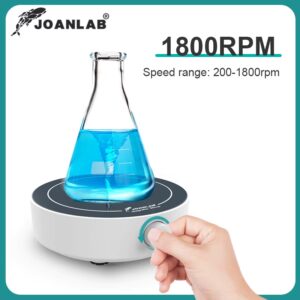
Mini Magnetic Stirrer (2L Brushless Laboratory Mixer)
Original price was: R1,315.R1,249Current price is: R1,249. Add to basket🧫High-Efficiency Brushless DC Motor
🧫2-Liter Maximum Mixing Capacity
🧫Stepless Speed Control up to 1800 RPM
🧫Low-Profile Laboratory Footprint -
STS
750ml Full-Bore Polypropylene Bottle | Cordyceps Edition
Original price was: R89.R59Current price is: R59. Add to basket🧫 750ml autoclavable Polypropylene bottle with screw-cap
🧫 Straight-sided full-bore 100mm for easy access.
🧫 Transparent, autoclave and freezer-safe (-80°C).
🧫 Coarse thread for easy one-handed operation. -
STS
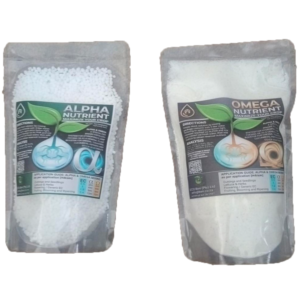
Binary Hydroponic Nutrient Kit – 2 x 5L Concentrates
Original price was: R275.R149Current price is: R149. Add to basket🌱 Makes 2 x 5L professional nutrient concentrate
🌱 Binary Alpha & Omega formula prevents nutrient lockout
🌱 Complete macro & chelated micronutrients
🌱 Professional hydroponics made simple -
STS
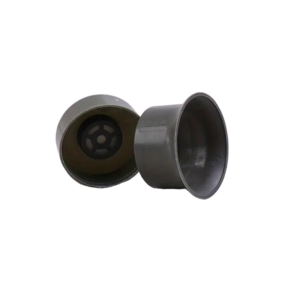
Mushroom Spawn bag Cap and Lock Ring [30mm]
Original price was: R12.R10Current price is: R10. Add to basket🏗 Professional-grade sealing for mushroom spawn bags
🏗 Autoclavable 30mm caps with lock ring
🏗 Smaller filter area retains moisture/CO₂ for spawn runs
Socratic Questions:
how to calibrate ec meter with table saltdifference between nacl and 442 conversion scaleshow do hydroponic ec meters workdiy ec calibration solution recipewhy ec meter readings change with temperature