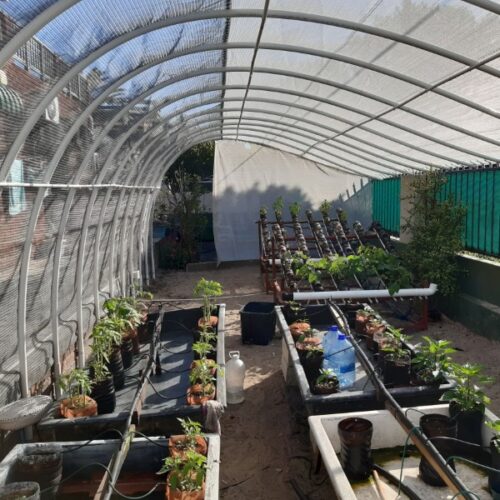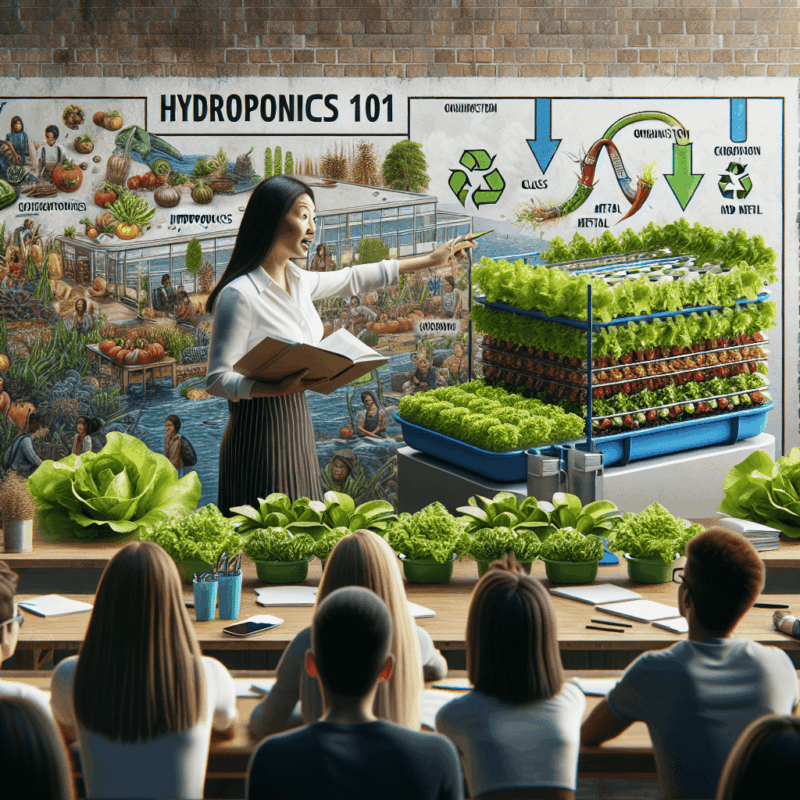
The Hoagland Solution provides all 15 essential elements in precise ratios, serving as the “Gold Standard”
Summary
for hydroponic success and scientific nutrient balance. Master hydroponic success by understanding macronutrients, micronutrients, PPM, and EC. This technical guide provides practical insights into the Hoagland Solution for professional-grade soil-less gardening and precision nutrient management.
Introduction
In this tutorial, we’ll break down the essentials of hydroponic nutrients, including macro and micro elements, also known as nutrients, how to measure nutrient strength with Parts Per Million (PPM) and Electrical Conductivity (EC), and simple DIY recipes to get started. Whether you’re a beginner setting up a small balcony system or scaling up, mastering these basics will help you achieve lush, healthy plants year-round.
The Hoagland solution was released in the 1930’s from Berkeley, the same University where Pr. Gericke was [who in vented hydroponics], and the basis for all nutrients subsequently. The Hoagland mix describes the 13 macro and micro nutrients required. With soluble salts their EC/PMM (strength) can be measured to determine how much to add and when. pH (Power of Hydrogen) is also a measurable that directly influences the plants ability to absorb the nutrients and critical for plant health.
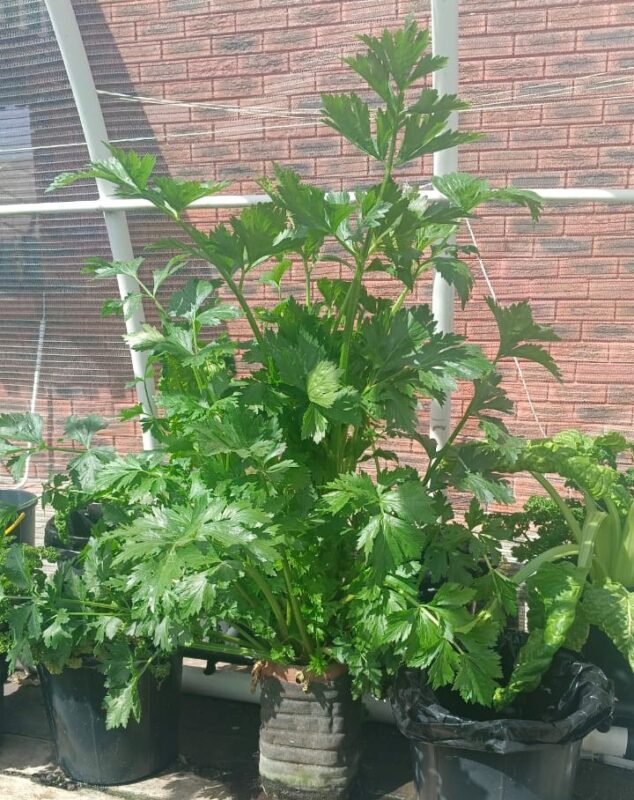

Alpha & Omega Binary Hydroponic Nutrient Kit – 2-Part System
The DIY Alpha and Omega Binary Hydroponic Nutrient Concentrates is a high-quality, two-part nutrient system designed to provide all the essential macro and micro-nutrients required for optimal plant growth. Developed specifically for hydroponic systems, this binary nutrient kit is perfect for both commercial and home gardeners. Dry form, just add to 5 liter water to make concentrate.
.
The key principle in hydroponics is that plants can only absorb nutrients if they’re water-soluble. The term “hydroponics” comes from Greek words meaning “water working,” emphasizing the role of dissolved salts like calcium nitrate or magnesium sulfate. Unlike soil gardening, where microbes break down organics, hydroponics requires nutrients in forms plants can immediately use. This avoids issues like nutrient lockout, where imbalances in pH or concentration prevent uptake.
Let’s start with the building blocks: macro and micro nutrients. Plants require a balanced mix to thrive, and hydroponics allows precise control to avoid deficiencies or toxicities.
Understanding Macro-Nutrients
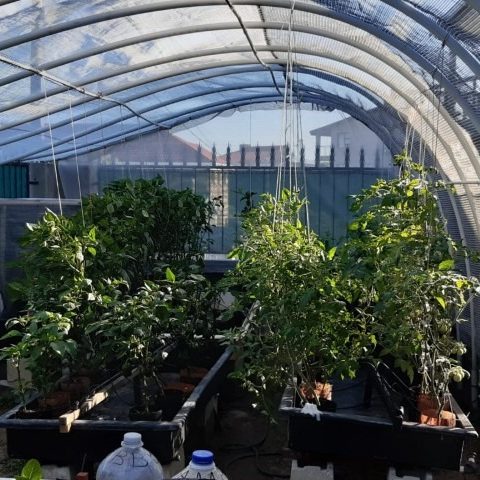
Macro-nutrients are the primary elements plants need in larger quantities. They form the foundation of plant growth, supporting structure, photosynthesis, and reproduction. Here’s a breakdown of the key ones:
- Nitrogen (N): Essential for leaf growth and protein synthesis. It’s the “green maker” in chlorophyll. In hydroponics, nitrogen is often supplied as nitrate (NO3-) from salts like calcium nitrate. Deficiency shows as yellowing leaves (chlorosis), starting from older growth. Overdose causes lush foliage but weak stems and poor fruiting. Aim for 100-200 PPM in vegetative stage.
- Phosphorus (P): Crucial for root development, flowering, and energy transfer (ATP). Provided as phosphate (PO4 3-), it’s key for blooming crops like tomatoes. Deficiency leads to purple stems and stunted growth; excess can lock out other nutrients like zinc. Target 30-50 PPM during flowering.
- Potassium (K): Regulates water uptake, enzyme activation, and disease resistance. Sourced from potassium nitrate or sulfate, it helps plants withstand stress. Signs of deficiency include scorched leaf edges; too much competes with calcium. Keep at 100-200 PPM for balanced growth.
- Calcium (Ca): Strengthens cell walls and prevents disorders like blossom end rot. From calcium nitrate, it’s immobile, so deficiencies show in new growth (tip burn). Hard water often supplies some, but in soft water, supplement to 100-150 PPM.
- Magnesium (Mg): Central to chlorophyll, aiding photosynthesis. From Epsom salt (MgSO4), deficiency causes interveinal yellowing. Aim for 50-75 PPM.
- Sulfur (S): Supports amino acids and vitamins. Often from sulfates, it’s rarely deficient but keep at 50-100 PPM.
These macros are rated as NPK values on fertilizers (e.g., 4-18-38 means 4% N, 18% P, 38% K). For hydroponics, use water-soluble formulas like Hoagland’s or custom mixes.
Micro-Nutrients: The Trace Elements
Micro-nutrients are needed in tiny amounts (milligrams or less) but are vital for enzyme functions and overall health. Deficiencies are common in hydroponics due to pH imbalances locking them out.
- Iron (Fe): Key for chlorophyll, deficiency causes yellow new leaves. Use chelated iron for availability (50-100 PPM).
- Manganese (Mn): Aids photosynthesis; deficiency shows as spotted leaves (10-50 PPM).
- Copper (Cu): For enzyme activity; deficiency wilts tips (0.1-1 PPM).
- Zinc (Zn): Hormone production; deficiency stunts growth (0.05-0.5 PPM).
- Molybdenum (Mo): Nitrogen fixation; rare deficiency (0.01-0.1 PPM).
- Boron (B): Cell wall formation; deficiency cracks stems (0.2-0.5 PPM).
- Chlorine (Cl): Osmosis; tap water often suffices (micrograms).
Beneficial traces like Nickel, Selenium or Silica are seed-included or foliar-absorbed, so rarely added.
Measuring Nutrient Strength: PPM and EC
Nutrient strength must be monitored to avoid under- or over-feeding. EC measures conductivity from dissolved salts (nutrients), reported at 25°C. PPM is EC-derived but varies by meter (e.g., EC 1.0 = 500 PPM on Hanna scale, 700 on Truncheon).
- PPM Conversion: PPM = EC x 500 (US scale) or x 700 (international). Always calibrate meters.
- EC Tools: Use an EC meter for accurate readings (ideal range: 1.0-2.5 mS/cm for most plants).
For the novice an EC meter is advised that directly measure water conductivity in Siemens.

DIY Recipe Example: For 20L (5 gallons):
- 10g Masterblend Tomato 4-18-38
- 10g Calcium Nitrate
- 5g Epsom Salt (MgSO4)
Mix while circulating to prevent lockout. Start quarter strength for seedlings.
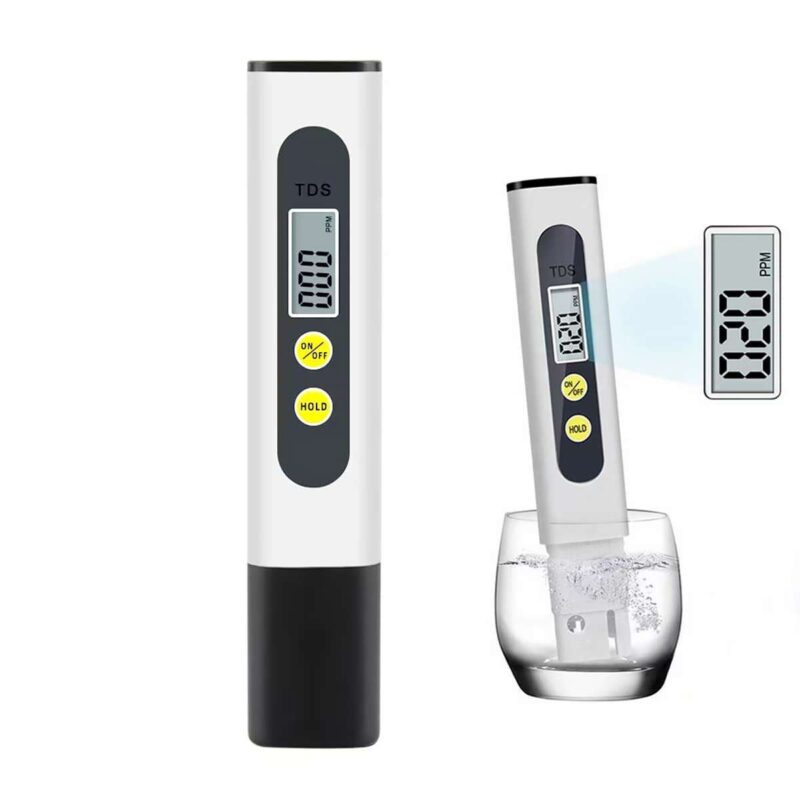
TDS Tester – Accurate Nutrient Measurement
Compact TDS tester for measuring nutrient concentration in hydroponic systems. Provides accurate readings in ppm, with easy conversion of 1PPM = 2µS/cm . Waterproof and easy to use.
Plant nutrient requirements:
A generic table for hydroponic cultivation crops:
| Crop | EC (dS/m) | TDS (ppm) |
| Asparagus | 1.4 to 1.8 | 896 to 1,152 |
| African Violet | 1.2 to 1.5 | 768 to 960 |
| Basil | 1.0 to 1.6 | 640 to 1,024 |
| Beans | 2.0 to 4.0 | 1,280 to 2,560 |
| Bananas | 1.8 to 2.2 | 1,152 to 1,408 |
| Broccoli | 2.8 to 3.5 | 1,792 to 2,240 |
| Cabbage | 2.5 to 3.0 | 1,600 to 1,920 |
| Celery | 1.8 to 2.4 | 1,152 to 1,536 |
| Carnation | 2.0 to 3.5 | 1,280 to 2,240 |
| Cucumber | 1.7 to 2.0 | 1,088 to 1,280 |
| Eggplant | 2.5 to 3.5 | 1,600 to 2,240 |
| Ficus | 1.6 to 2.4 | 1,024 to 1,536 |
| Leek | 1.4 to 1.8 | 896 to 1,152 |
| Lettuce | 1.2 to 1.8 | 768 to 1,152 |
| Pak Choi | 1.5 to 2.0 | 960 to 1,280 |
| Peppers | 0.8 to 1.8 | 512 to 1,152 |
| Parsley | 1.8 to 2.2 | 1,152 to 1,408 |
| Rhubarb | 1.6 to 2.0 | 1,024 to 1,280 |
| Rose | 1.5 to 2.5 | 960 to 1,600 |
| Sage | 1.0 to 1.6 | 640 to 1,024 |
| Spinach | 1.8 to 2.3 | 1,152 to 1,472 |
| Strawberry | 1.8 to 2.2 | 1,152 to 1,408 |
| Tomato | 2.0 to 4.0 | 1,280 to 2,560 |
| Zucchini | 1.8 to 2.4 | 1,152 to 1,536 |
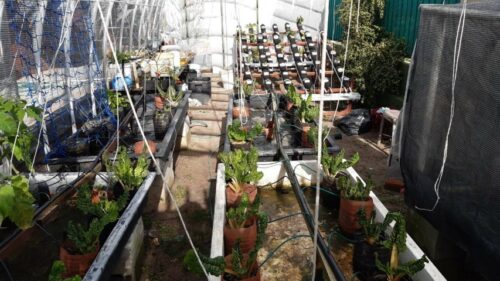
power of Hydrogen [pH]
Which brings us to the final vital aspect of all aqueous solution and plays a vital importance in hydroponics – pH. pH is a scale from 0 to 14 that measures how acidic or basic (alkaline) something is, like a liquid. A pH of 7 is neutral (like water), numbers below 7 are more acidic (like lemon juice), and numbers above 7 are more basic (like soap). Each step on the scale represents a big change, so a pH of 4 is ten times more acidic than a pH of 5.
So when plant shows symptoms of nutrient deficiency, first check your pH. Optimal pH range is regarded 6-6.5 for maximum uptake of nutrients [plant specific].
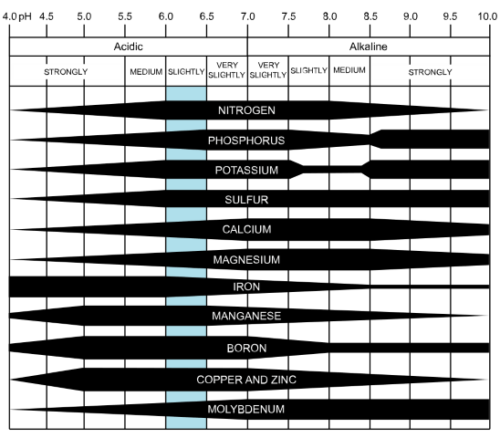
Troubleshooting and Tips
Common issues: pH imbalances (aim 6-6.5; use nitric/phosphoric acid for pH down). Deficiency symptoms? Check pH first. For advanced: Tie to Paradigm Shift #1 (microbes convert organics in VermiPonics for organic hydro).
Test on small setups—monitor EC daily, adjust based on plant stage (vegetative: higher N; flowering: higher P/K).
With practice, you’ll grow thriving plants!
-
STS

STS “Buffer-Charge” | Professional 5kg Coco Coir Conditioner
Original price was: R39.R30Current price is: R30. Add to basket Stop “washing” your coir and start charging it.
Pre-measured, dry-sachet conditioning system.
Removes the natural sodium and potassium salts in coco coir.
Provides an engineered environment for your plants to thrive from day one. -
STS
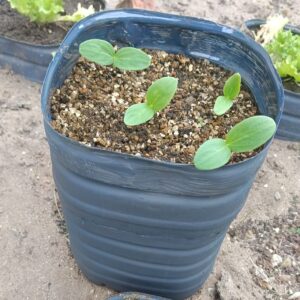
Vermiponic Planter Kit – 5L Passive Organic Hydroponics
Original price was: R1,150.R795Current price is: R795. Add to basket🌱Passive | Biological | Ready-to-Grow
🌱Zero Pump| Electricity | Nutrient Cost
🌱 2000ml VermiCore Living Media included.
🌱 Made at the STS – Free Planter Manual digital download -
STS
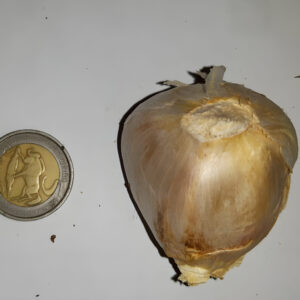
Organic Elephant Garlic Cloves – Vernalized
Original price was: R350.R249Current price is: R249. Add to basket🌱 Large, mild-flavoured cloves
🌱 10 Elephant Garlic Organic seeds
🌱 Vernalized for immediate planting
🌱 Seasonal – limited Stock
Socratic Questions (5 Search Terms):
- What is the Hoagland Solution for hydroponics?
- How do I calculate PPM and EC for lettuce?
- What are the 15 essential elements for plant growth?
- How to balance hydroponic macronutrients and micronutrients?
- What is the best nutrient ratio for soil-less gardening?