
Stop the “morning after” seedling massacre.
Summary
Learn to decipher the mechanical difference between helpful soil decomposers and destructive nocturnal assassins. This Lab Note breaks down the critical biological differences between the Miswurm (Chafer Beetle larvae) and the devastating Snywurm (Cutworm moth larvae).
1. The “Morning After” Greenhouse Massacre
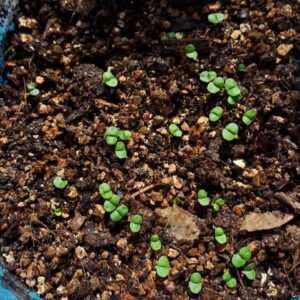
Every grower knows that gut-wrenching feeling. You walk into your grow room, ready to admire your seedlings, only to find a scene of devastation. Yesterday, your prize bean seedlings were just starting to push through the soil. This morning? They’re toppled at the base, like a tiny forest hit by a miniature logging crew. Digging just below the surface often reveals the culprit: a plump, grey-brown grub that curls into a tight ball when disturbed.
The problem is, most gardening advice lumps all these stem-shearing grubs under the generic term “cutworm.” This isn’t precise enough for real control. To build a proper biological defence, we need to think like the old-school South African farmers and distinguish between the Miswurm and the Snywurm. One is a vital part of your soil’s clean-up crew; the other is a lethal nocturnal predator.
![Cutworm [snywurm]](https://www.spes.co.za/wp-content/uploads/2026/02/cutworm-curled-up-min-800x800.jpg)
2. Diagnostic Matrix: Miswurm vs. Snywurm
Running an urban farm means being a bit of a detective and a biologist rolled into one. When you find a grub in your soil, your first thought might be to reach for a pesticide. But hold on. You need to know if it’s friend or foe.
A quick search for “cutworms” online often throws up confusing images. Many mainstream gardening sites show pictures of the lumbering Miswurm (translation – Compost Worm), which, with its bulky body, looks far more menacing to the untrained eye. This confusion plays right into the hands of the real troublemaker.
a. The Miswurm (The Compost Worm)
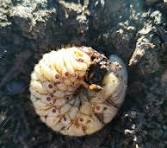
What it is: The larval stage of the Garden Fruit Chafer ( Pachnoda sinuata) or similar beetles.
What it looks like: Fat, C-shaped, milky-white grubs with dark heads and visible legs near the front.
What it does: These are nature’s recyclers. They live in organic-rich compost and potting soils, breaking down manure (hence “Miswurm”) and decaying plant matter. In a healthy soil, they improve structure and aeration, much like earthworms.
The Conflict: If your growing media is completely lacking in raw organic matter, these hungry grubs might start chewing on plant roots. This isn’t usually fatal, but it’s a clear sign your soil needs a top-dressing of fresh compost.
b. The Snywurm (The True Cutworm)
What it is: The larval stage of certain heavy-bodied nocturnal moths, usually from the Agrotis genus.
What it looks like: Sleek, dark grey to black, smooth-skinned caterpillars. They’re fast movers and blend in perfectly with dark media like biochar or sieved vermicompost. During the day, they often hide in the dark spaces directly under pots.
What it does: The Snywurm is a stealth assassin. It comes out only at night. These larvae wrap themselves around the base of tender young seedlings and chew straight through the stem at the soil line, felling the plant. They’re masters of guerrilla warfare; once the seedling is down, they vanish. By dawn, they’ve retreated into the loose soil or hidden in gaps beneath seed trays.

The Problem: When you find the damage in the morning, the blame is usually wrongly placed on the visible, slow-moving Miswurm nearby, while the actual nocturnal sniper remains hidden.
The Vector: Even if your soil is perfectly sieved and sterilised, adult moths fly over your farm at night and drop eggs directly into open seedling trays. In loose, airy media like pine sawdust, the newly hatched larvae use the spaces like an underground highway to attack seeds before they even break the surface.
3. Tactical Remedial Actions & Mechanical Armor
Pre-Emergent Biological Strikes (Snywurm Defence)

We all recognise the adult moth – the one that bumps aimlessly into you at night or flutters around your lights. Don’t let its clumsy flight fool you; this insect is the mother of all garden assassins, dropping eggs from the air to decimate your crops. When it comes to the Snywurm, timing is everything. If you wait until you see seedlings emerging to start your defence, you’ve already lost the battle. Defence must be deployed the moment seeds go into the media.
When it comes to the Snywurm, timing is everything. If you wait until you see your bean seedlings poking their heads above the surface to start your defence, you’ve already lost the battle! Defence must be deployed the moment seeds are tucked into the media.
The Mielie Meal Trap: Sprinkle a teaspoon of raw cornmeal (mielie pap) on the soil surface around your planting sites. Cutworms are strongly attracted to it and will gorge themselves on the starch. However, they can’t digest it properly; the meal expands in their gut, neutralising the pest safely.
The VitaVermi Shield Drench: Apply our proprietary garlic and mint extract with BAM! concentrate (VitaVermi Shield) immediately after sowing. The strong, volatile garlic oils mask the scent of germinating seeds, confusing adult moths and creating a “no-fly zone” over your trays. When used as a media drench, garlic in combination with mint becomes a poison for the cutworm and breaks the breeding cycle with up to 90% mortality rate of the eggs.
Mechanical Armor Configurations
When pest pressure is high, physical barriers are essential for your containers:
The Toothpick Trick: Gently press two toothpicks into the soil directly against the stem of a newly emerged seedling. A Snywurm needs to wrap its body around the stem to cut it. The toothpicks act like a “seatbelt” it can’t get past.
Recycled Collars: Use the necks of old plastic bottles, toilet paper rolls, or small PVC pipe offcuts. Sink them about 2cm into the soil around your seeds. This creates a wall that the Snywurm can’t easily “swim” through in loose sawdust.

Managing the Miswurm (The “Composter”)
Since the Miswurm is actually a helpful neighbour that’s gone astray, the fix is different. If they’re nibbling your roots, it’s usually because they’re hungry for the organic matter they prefer.
Feed the Soil: Instead of hunting them, add a fresh layer of compost. Once they have enough “mis” (manure) to eat, they’ll leave your plant roots alone.
Target the Adults: The adult Garden Fruit Chafers can be a nuisance to plants like roses and fruit trees. (We’ll cover specific controls for them in a different note).
New Update: We’ve upgraded Shield BAM! and added mint extract. This garlic and mint combination is devastating to cutworms (both variants), with studies showing a 97% morphology disruption rate in cutworms.
-
STS
Eco Bini™ BAC: Complete Soil Biome Inoculant
Original price was: R229.R164Current price is: R164. Add to basket🛠Activated BAM! Dry Inoculant
🛠Add Sugar & Water to Activate
🛠High-Density Microbial Matrix
🛠Makes 600L+ Living Probiotic -
STS
Eco Bini™ Terra Preta Nova BAM! Soil Catalyst | 5 Litre
Original price was: R340.R239Current price is: R239. Add to basket🛠️ Biologically pre-charged Terra Preta Nova Soil Catalyst
🛠️ Premium macadamia shell Granular Activated Carbon (GAC)
🛠️ Beneficial Active Microbes (BAM!)
🛠️ Zero nutrient lockout • Permanent microbial habitat • Ready to use -
STS
Passive Organic Hydroponics Start Kit & Course | Vermiponics
Original price was: R499.R359Current price is: R359. Add to basket🛠 5L Passive Vermiponic Starter System
🛠 Includes 2 dm³ VermiCore Living Growth Medium
🛠 Free STS Practical #11 Digital Manual Included
🛠 Learn to Build & Scale Your Own Vermiponic Systems -
Professional DIY Seedling Mix: Prevent Damping Off
R110 Read more🛠Living soil for robust seedlings
🛠Boosts root development
🛠Natural disease prevention
🛠Enhances nutrient uptake
4. Laboratory-Grade Dosing Protocols
For serious infestations across large beds or automated hydroponic systems, use these precise, verified drench metrics:
Neem Oil Concentrate (Hormonal Disruption)
Mechanism: Active Azadirachtin stops larval feeding and prevents them from turning into adult moths.
Dose: 5 ml (1 teaspoon) per 1 Litre of water.
STS Application Secret: You must add a few drops of Castile soap to emulsify it. Otherwise, the oil will just float uselessly on the water. Always drench the media at dusk, as strong South African sunlight degrades the active compounds quickly.
Diatomaceous Earth (DE)
Mechanism: Fossilised microscopic algae skeletons that act like microscopic razor blades, scoring the underbelly of soft-bodied larvae and causing fatal dehydration.
Dose: Dust a thick, unbroken white “moat” around the base of your plant stems.
STS Application Secret: DE is completely useless when wet. If it rains or you water from above, you must clear the moat and reapply it once the surface is bone dry.
Hydrogen Peroxide (H2O2)
Mechanism: Oxidises young larvae and microscopic eggs on contact, while also giving the root zone an immediate oxygen boost.
Dose: 20 ml of 3% H2O2 (standard 10-volume peroxide) per 1 Litre of water. Do not use industrial-strength concentrates undiluted. Drench the media thoroughly.
SteriPmax / Peracetic Acid (The Professional Reset)
Mechanism: A high-potency 5% Peracetic Acid (PAA) concentrate. It’s a stable, pro-grade oxidiser that targets moth eggs dropped from the air and hidden larvae, while completely sanitising the media surface.
Dose: 1 ml per 1 Litre of water.
The Environmental Advantage: After a rapid surface sterilisation, PAA breaks down cleanly into harmless oxygen and organic vinegar, leaving no toxic residues in your living vermiponic systems.
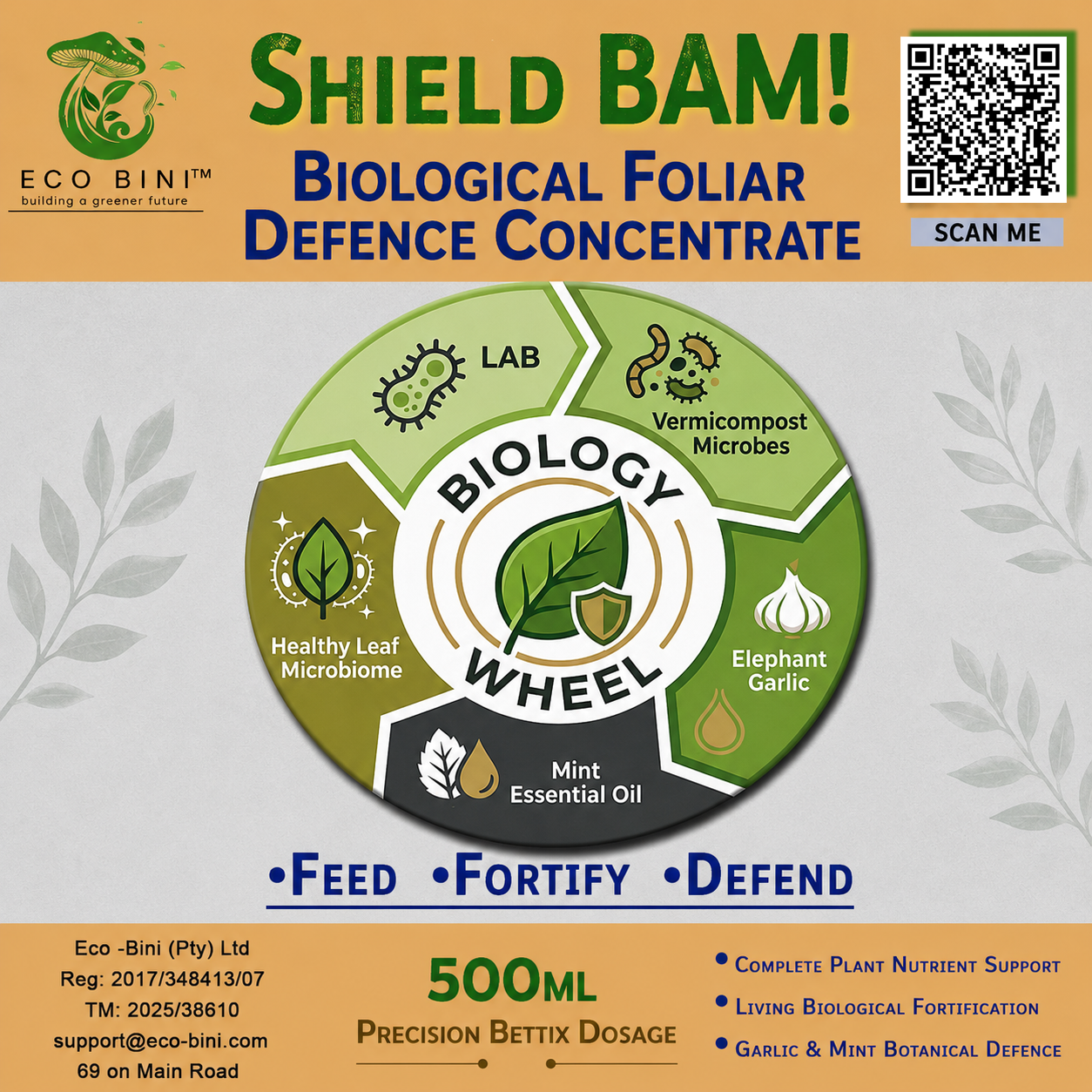
Eco Bini™ VitaVermi Shield: 3-in-1 Bio-Defense System
Feed, Fortify, and Defend. VitaVermi Shield is a professional-grade 3-in-1 organic concentrate that combines the high-NPK power of Continuous Flowthrough-sourced worm tea with a potent Elephant Garlic extract, Mint Essential Oil and pure Castile soap. It doesn’t just nourish your plants; it creates an invisible “bio-shield” that repels aphids, suppresses powdery mildew, and deters slugs, snails and cutworms.
“3-in-1: Feed, Fortify and Defend”
Conclusion: Finding Balance in the Urban Farm
Managing an urban farm is a constant balancing act. As we’ve seen, not every “creepy crawly” in your soil is a villain. The Miswurm is a misunderstood recycler that just needs a well-fed compost heap to stay out of trouble. The Snywurm, on the other hand, is a tactical nocturnal predator that requires a proactive, “pre-emergent” defence strategy.
By understanding the Snywurm’s natural weaknesses and combining that with the proven science of botanical chemistry, we’ve perfected a simple, non-invasive, pre-emergent protocol. This stops the “morning after” heartbreak before it even starts. The moment your seeds are tucked into the media, deploy this two-step biological shield:
1. Spread raw cornmeal in a light, unbroken circle around the planting site to act as your primary high-starch gut trap.
2. Immediately drench the surface with the new formulation of VitaVermi Shield BAM!. Our upgraded, emulsified formula blends concentrated organic garlic and mint volatile extracts directly into an active, living microbial BAM! matrix. This triple-action spray creates an immediate “no-fly zone,” masking germinating seed scents from adult moths. The garlic/mint mix also targets any existing sub-surface larvae on contact, arresting their development without a single drop of synthetic poison. Furthermore, the BAM! concentrate inoculates your soil with the full soil biome. It’s clean, elegant, off-grid bio-security that keeps your urban farm standing tall.
-
STS

Fermentation Aerator (2.5W) | 40H Backup & NRV
Original price was: R450.R395Current price is: R395. Add to basket🪱 Powerful 2.5W motor with 2.3 L/min output for deep aeration.
🪱 Integrated 18650 Lithium battery: 40H runtime for off-grid use.
🪱 Includes 3m Silicone tubing, Air Stone, and NRV backflow valve.
🪱 Dual Mode: Continuous brew or Pulse-Preserve. -
STS
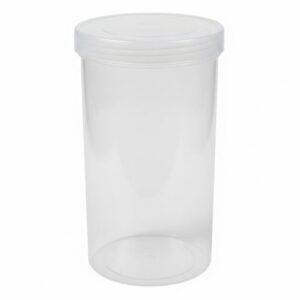
1000ml Autoclavable Full-bore Polypropylene Bottle
Price range: R66 through R476 Select options This product has multiple variants. The options may be chosen on the product page🧫 Straight-sided 100mm full-bore sides.
🧫 Transparent , autoclave and freezer-safe (-80°C).
🧫 Virgin Polypropylene, flush-joint lid.
🧫 Coarse thread for easy one-handed operation. -
STS
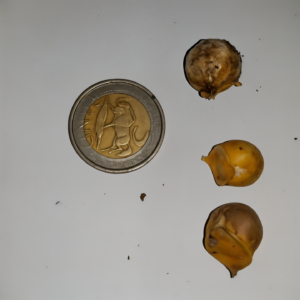
Organic Elephant Garlic Corms (Heirloom)
Original price was: R135.R95Current price is: R95. Add to basket🌱 Start your Elephant Garlic journey.
🌱 Grows into Ajo Macho Solo Round.
🌱 Perennial plant and natural pest deterrent.
🌱 Limited Stock – 20 off per pack -
STS
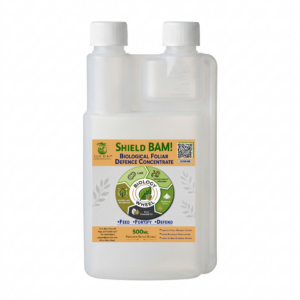
Eco Bini™ Shield BAM! Biological Foliar Defense Concentrate | Natural Pest Deterrent
Original price was: R280.R195Current price is: R195. Add to basket🌱 Living microbial foliar concentrate
🧄 Contains Garlic Extract, Mint and Castile Soap
🛡 Helps deter common soft-bodied garden pests.
🐝 Bee-friendly, animal-friendly and GRAS.
Socratic Questions
- What’s the quickest way to tell if the grub I found is a Miswurm or a Snywurm?
- If my seedlings are already being eaten, what’s the fastest fix?
- Can I use the Mielie Meal Trap and VitaVermi Shield together?
- How often do I need to reapply Diatomaceous Earth after rain?
- Is Peracetic Acid safe for my worm farm if I use it as directed?