Unlock precise, grain-free fungal inoculation and long-term culture storage.
Summary
Preta Pearls convert fragile liquid cultures into stable, carbon-infused alginate beads, offering a high-security system for elite fungal genetics. This guide details direct substrate inoculation, advanced in-situ pearl formation, and Castellani-style long-term storage, bypassing short shelf-life issues with molecular precision.
1. Deploying Preta Pearls for Advanced Mycology
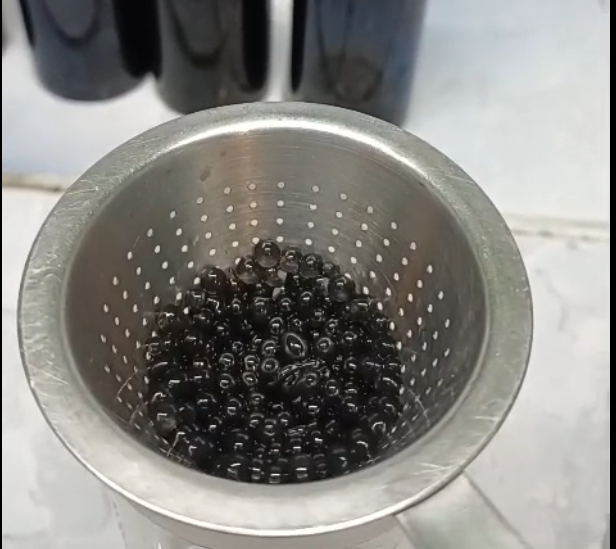
Welcome to this practical guide on deploying Preta Pearls—our alginate-encapsulated “Black Pearls.” While the introductory tutorial covers the basics of making alginate spawn, this note shifts focus entirely to what to do with them once made. Preta Pearls represent a significant advancement in molecular inoculation, offering a stable, grain-free alternative to traditional spawn and liquid culture (LC).
These methods, oriented toward fungi (mycelium), are even more reliable for simpler microbials, unlocking regenerative applications inspired by Terra Preta principles.
2. The Versatility of Alginate Bio-Pods
Alginate encapsulation, a technology tracing back to the 1940s, has evolved significantly. From pharmaceuticals to molecular gastronomy, it now plays a pivotal role in bio-pods for agriculture and mycology. Preta Pearls build on this by creating protective, carbon-infused alginate matrices that act as “bio-pods.” These encapsulate live cultures, shielding them from environmental stress while allowing crucial nutrient and oxygen diffusion.
The engineering brilliance of Preta Pearls lies in their ability to overcome the inherent limitations of traditional liquid cultures (LC). LC, often called “Liquid Spawn,” suffers from a short viability window (weeks to 3 months) due to rapid nutrient consumption, oxygen depletion (a “Red Tide” suffocation effect), and toxic metabolite buildup. Preta Pearls flip this script by converting fragile LC into a stable, solid form through several mechanisms:
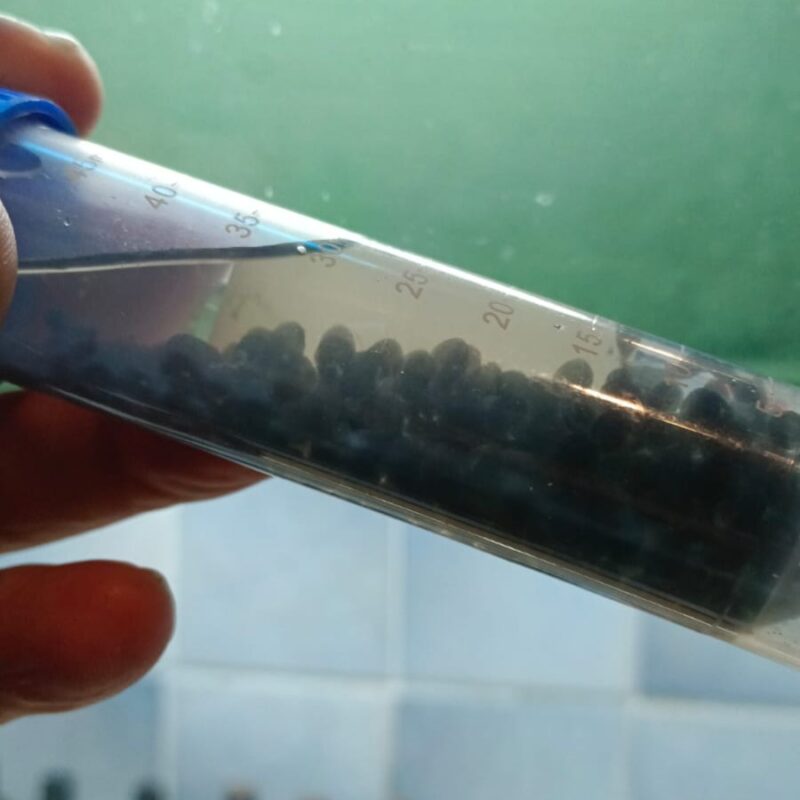
Dilution Effect: Mixing LC 50:50 with the alginate activator halves any lingering nutrients or metabolites, eliminating overload vectors.
Carbon Scaffolding: Activated carbon provides a 3D framework (Terra Preta-style) for mycelium to anchor into, absorbing toxins and improving diffusion—preventing suffocation and waste buildup.
Osmotic Stasis: Once beaded and placed in low-EC distilled water, it’s exactly like Castellani preservation (an agar wedge in water), but upgraded. Metabolism suspends without the liquid vulnerabilities, extending shelf life to 5+ years. This eliminates metabolic cliffs, vaulting your genetics for seasons ahead.
While this guide is fungi-focused—mycelium is a “higher” life form, finicky about oxygen, nutrients, and metabolites—these methods are overkill-strong for bacteria or yeasts. For non-fungi applications (e.g., encapsulating EM cultures, Trichoderma, or worm tea bacteria), supplementing the alginate mix with 2% dextrose + 0.5% peptone densifies the spheres for easier spherification and provides minimal nutrition without risking overgrowth—perfect for slow-release soil amendments
3. Mechanism: Methods for Molecular Inoculation with Preta Pearls
Preta Pearls offer three primary methods for molecular inoculation and culture management, each leveraging the unique properties of the alginate bio-pod:
A. Traditional Use: Direct Substrate Inoculation (Spawn Replacement)
This method uses Preta Pearls as a drop-in, grain-free alternative to traditional spawn.
Steps: After forming and rinsing pearls (as per the making tutorial), add them directly to pasteurized or supplemented substrates like sawdust, straw, or coco coir.
Inoculation Rates: Base it on LC equivalents for efficiency. If you’d normally use 5cc LC per kg dry substrate (standard for oysters), start with 5cc worth of pearls. Since they’re protected and contamination-resistant, safely ramp up to 20cc beads per kg for accelerated colonization.
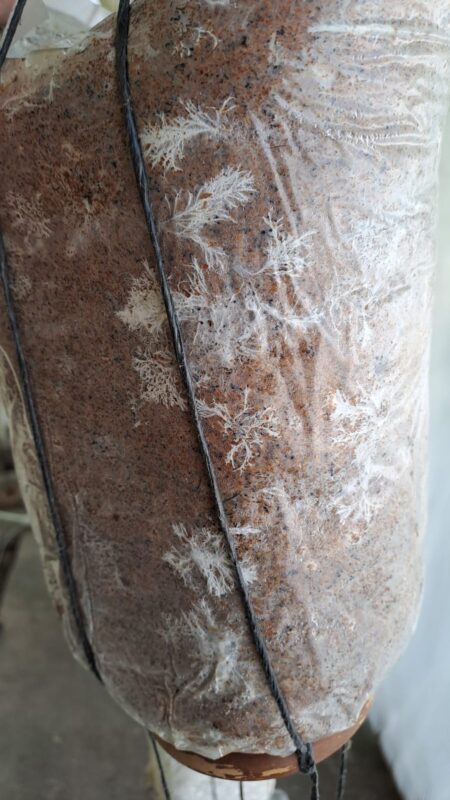
Benefits: Pearls disperse evenly for multiple inoculation points, leading to visible mycelium clouds in 4–7 days. The alginate shell protects while allowing emergence, without endospores or clumping like grain spawn.
Tips: Add 0.5–2% gypsum to the substrate for calcium buffering. Mix gently to avoid crushing beads. If calcium is already in the substrate, broken beads will spherify. We use BioaKt as a supplement for a Ca+ ion source. Expect radial rhizomorphic growth bridging beads quickly. This method cuts out spawn-run wait times (2-3 weeks if all goes well).
Downsides: Requires significant volumes for large-scale application, though this can be augmented by using alginate spawn as G1 (Generation 1) and supplemented sawdust as G2. A full aseptic methodology, ideally with a flow hood, is still imperative for supplemented substrates that are sterilized, even with the reduced risks from selective nutrients like VermiLIN.
B. Advanced Technique: In-Situ Pearl Formation (Direct Injection into Substrate)
This technique drastically reduces contamination risks by forming pearls inside the substrate, eliminating the need to handle wet beads in open air.
Steps: Load a syringe with your LC + activator mix (undripped, as per the making tutorial). Inject directly into a prepared, calcium-boosted substrate (e.g., PF-Tek jars, CVG bags, or BioaKt supplemented logs).
How It Works: The substrate’s calcium ions (from added gypsum, CaOH, CaCO3, etc.) trigger spherification—the alginate gels into pearls in-situ, solidifying without added water issues.
Rates & Setup: Use LC-equivalent doses (5–20cc mix per kg dry substrate). Supplement with 0.5–6% gypsum (e.g., 6% in CVG for strong cross-linking) or use BioaKt (1% Calcium ion source required).
Benefits: Skips the entire extract/rinse/apply cycle, slashing contamination vectors (SHIP → Syringe → Substrate). Pearls form and emerge locally for radial spread—”set it and forget it” inoculation.
Tips:
- Add 0.5–2% gypsum to the substrate for calcium buffering.
- Mix gently to avoid crushing beads. But if got calcium in substrate then will spherite broken beads.
- Opt for a larger-gauge needle if the mix is viscous (we find 16G does the job well).
- We use BioaKt as supplement for Ca+ ion source.
C. Long-Term Storage: Pearls as a Bundu Castellani Upgrade
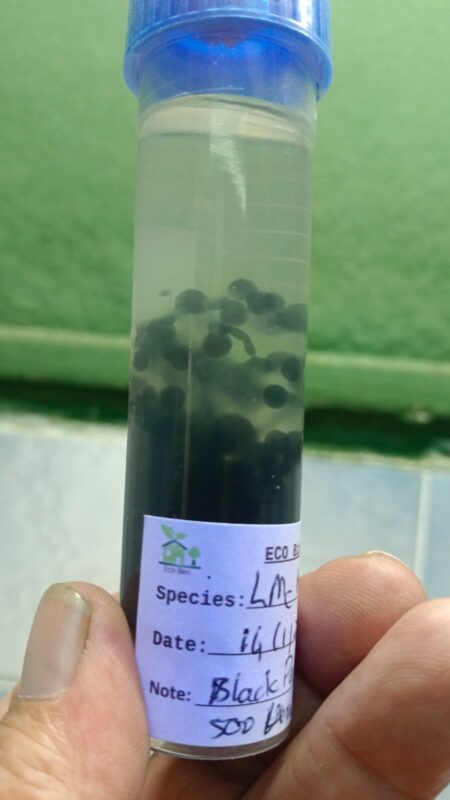
For vaulting cultures without fridges or repeated transfers, Preta Pearls excel in stasis, offering an enhanced Bundu Castellani-style preservation.
Steps: Form pearls as usual, extract from the bath (no rinse needed for storage), and add aseptically to sterile distilled water with 30ml/liter VermiLIN in vials or jars.
Why It Works: The alginate bead replaces the agar wedge, with carbon adding Terra Preta longevity for microbial stability. Beads stay “awake” briefly post-formation, growing mycelium into the surrounding water (creating viable suspensions—myceliated water). This evolves into a stable, extractable “long-term LC.”
Viability & Tips: Expect 1–5+ years of viability (test by plating small samples periodically). Add trace VermiLIN (30ml/L) for subtle support without triggering full growth. Always use a SAB or flow hood for transfers to avoid rare bacterial intrusion. For ease of use and sterility, use a SHIP culture bottle.
Revival: Drop beads straight into substrate, or use the myceliated water as LC for quick starts. This turns seasonal genetics into year-round assets with minimal effort.
-
STS
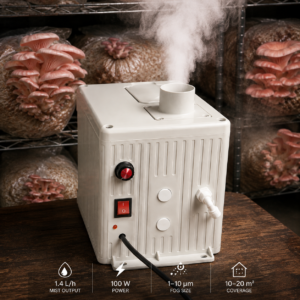
STS 1.4kg/h Industrial Ultrasonic Humidifier – Variable Fan
Original price was: R6,999.R5,599Current price is: R5,599. Add to basket🧫Industrial 24/7 Stainless Steel Ultrasonic Discs
🧫High-Volume 1.4kg/Hour Fog Output
🧫Integrated Variable Fan Speed Control
🧫Ruggedized Corrosion-Proof ABS Chassis -
STS

Oyster Mushroom DIY Kit | Bundu Tek Practical Grower’s Starter
Original price was: R1,400.R750Current price is: R750. Add to basket🏗 Stop buying mushrooms and learn how to grow them
🏗 Mother Spawn in Biojar with BioaKt Straw Pellets
🏗 STS Grow Bags, no lab equipment needed.
🏗 Simple Instructions and WhatsApp support. -

Low-Tek Oyster Log Perforation Wheel
R110 Add to basket📦Rapid Grow Bag Micro-Perforation
📦Hardened Needle-Point Teeth
📦Ergonomic Wood Handle
📦Deter Fungus Gnats (Sciaridae) -
STS

Heavy-Duty 300mm PE Layflat Tubing (75 Micron, Per Meter)
Original price was: R12.R10Current price is: R10. Add to basket🧫Premium 75-Micron Heavy-Duty Gauge
🧫300mm wide, Continuous Seamless Design
🧫Sold per meter.
🧫High-Clarity Low-Density Polyethylene (LDPE)
-
STS
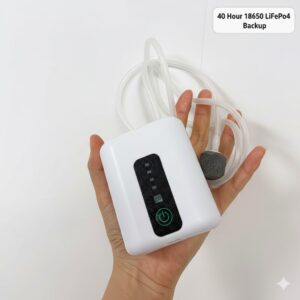
Fermentation Aerator (2.5W) | 40H Backup & NRV
Original price was: R450.R395Current price is: R395. Add to basket🪱 Powerful 2.5W motor with 2.3 L/min output for deep aeration.
🪱 Integrated 18650 Lithium battery: 40H runtime for off-grid use.
🪱 Includes 3m Silicone tubing, Air Stone, and NRV backflow valve.
🪱 Dual Mode: Continuous brew or Pulse-Preserve. -
STS
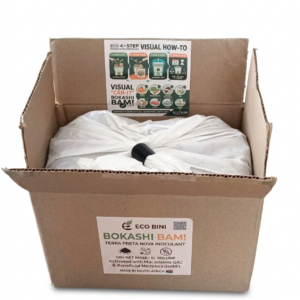
Eco Bini™ Bokashi BAM! | Premium Bokashi Bin Inoculant (2kg)
Original price was: R279.R195Current price is: R195. Add to basket🪱 Premium Bokashi Inoculant for Kitchen Waste Fermentation
🪱 Produces Homemade Bokashi Bran & Organic Fermentation Mixes
🪱 Beneficial Active Microbes (BAM!) with Activated Carbon
🪱 Ferment Food Waste • Feed Worms • Build Living Soil -
STS
VermiBoost Worm Bin Conditioner | Worm Food (1000ml)
Original price was: R235.R169Current price is: R169. Add to basket🪱 Premium Worm Bin Conditioner for CFT Vermicomposting
🪱 Balanced Microbial Feed with pH Buffer
🪱 Supports Healthy Worm Populations & Stable Composting
🪱 Developed at the Sustainability Testing Station (STS) -
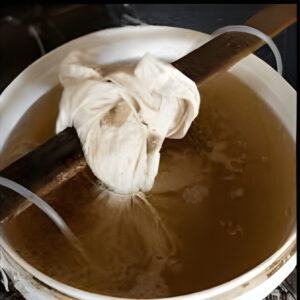
STS Reusable Poly-Mesh Microbial Extraction Filter
R40 Add to basket🪱Durable Polypropylene Micro-Weave
🪱50cm Paracord-style 7-Core Lashing Cord
🪱Reusable 300µm Bio-Filter Bags
🪱Hydrophobic, Inert – will not rot
-
STS
STS “Buffer-Charge” | Professional 5kg Coco Coir Conditioner
Original price was: R39.R30Current price is: R30. Add to basket Stop “washing” your coir and start charging it.
Pre-measured, dry-sachet conditioning system.
Removes the natural sodium and potassium salts in coco coir.
Provides an engineered environment for your plants to thrive from day one. -
STS
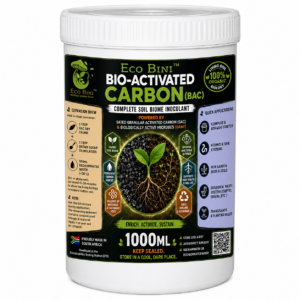
Eco Bini™ BAC: Complete Soil Biome Inoculant
Original price was: R229.R164Current price is: R164. Add to basket🛠Activated BAM! Dry Inoculant
🛠Add Sugar & Water to Activate
🛠High-Density Microbial Matrix
🛠Makes 600L+ Living Probiotic -
STS
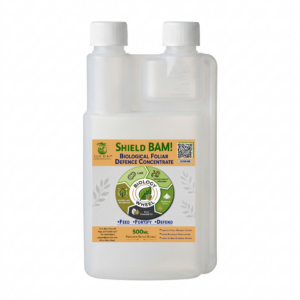
Eco Bini™ Shield BAM! Biological Foliar Defense Concentrate | Natural Pest Deterrent
Original price was: R280.R195Current price is: R195. Add to basket🌱 Living microbial foliar concentrate
🧄 Contains Garlic Extract, Mint and Castile Soap
🛡 Helps deter common soft-bodied garden pests.
🐝 Bee-friendly, animal-friendly and GRAS. -
STS

Eco Bini™ BioaKt Media/Substrate Conditioner | 2000 ml
Original price was: R195.R149Current price is: R149. Add to basket🏗 Bundu-Tek additive with kelp alginates – No autoclave needed.
🏗 Alkaline pH Pasteurizer
🏗 Self-sterilizing formula
🏗Boost yields and colonizing times
-
STS
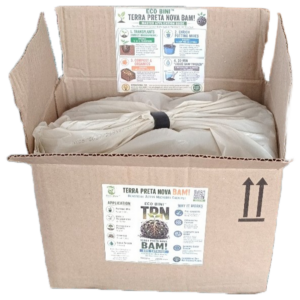
Eco Bini™ Terra Preta Nova BAM! Soil Catalyst | 5 Litre
Original price was: R340.R239Current price is: R239. Add to basket🛠️ Biologically pre-charged Terra Preta Nova Soil Catalyst
🛠️ Premium macadamia shell Granular Activated Carbon (GAC)
🛠️ Beneficial Active Microbes (BAM!)
🛠️ Zero nutrient lockout • Permanent microbial habitat • Ready to use -
STS
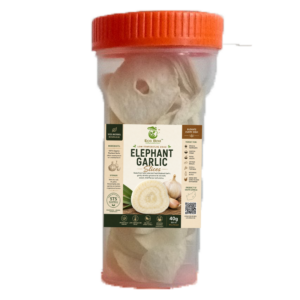
Dried Elephant Garlic Slices – Sweet, Mild Flavour (40g)
Original price was: R115.R95Current price is: R95. Add to basket🧄Organic Elephant Garlic
🧄Low-temp dried gourmet slices
🧄Naturally sweet & mild
🧄Small-batch South African -
STS

High-Humidity Temperature & Humidity Controller (220V AC)
Original price was: R896.R799Current price is: R799. Add to basket🏗 Dual-relay heating & humidification control
🏗 Upgraded STS AHT30-F ePTFE-shielded sensor, 0-100% RH
🏗 Dual-relay heating and/or humidification.
🏗 Stops condensation lockup & freeze. Rugged, plug-and-play -
STS
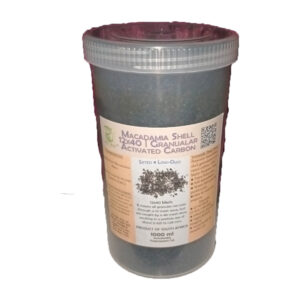
Macadamia Shell Granulated Activated Carbon | 1L Autoclavable Tub
Original price was: R169.R135Current price is: R135. Add to basket🛠️Mesh 12×40 macadamia activated biochar
🛠️Pre-packed in 1L autoclavable tub
🛠️Dual-pore network traps internal primers
🛠️Water filtration, odour removal, or horticultural use.
4. Practical Application: Broader Uses & Troubleshooting
Preta Pearls aren’t just for mushrooms; they extend to broader regenerative agriculture applications:
Encapsulation: Encapsulate Trichoderma for biocontrol, EM for fermentation, or worm tea microbes as bio-pods.
Soil Amendment: Drop into soil/compost for slow-release “reefs” that build long-term fertility (Terra Preta vibes). For these, the dextrose/peptone supplement (2% dextrose + 0.5% peptone in the alginate mix) makes denser, more durable spheres.
Troubleshooting:
Slow colonization/revival? Verify original LC viability; ensure substrate isn’t overly wet.
Contamination in storage? Uncommon with asepsis—discard and remake from fresh LC.
General Best Practices: Work sterile where possible (SAB ideal); scale inoculation rates by strain (oysters tolerate higher doses); test small before big runs.
5. Key Takeaway: Elevating Cultures with Preta Pearls
Preta Pearls transform short-lived liquid cultures into robust, storable, and deployable tools, bypassing contamination headaches and metabolic limits.
Whether inoculating substrates, vaulting strains, or innovating in-situ, they’re a game-changer for sustainable mycology. While Preta Pearls were part of a transition phase towards advanced solutions like SynSpawn (True-Syn) and PretaBiome, they remain a highly effective and innovative method for molecular inoculation.
For the full technical breakdown (formulation science, trial data, molecular theory, and synthetics comparisons), keep an eye out for the upcoming Alginate Spawn White Paper. Happy cultivating!
Happy cultivating! 🍄
-
STS
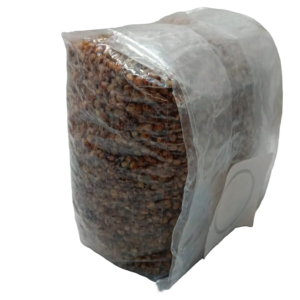
Sterilized Sorghum Grain Spawn with SHIP | 0.2µm Filter | 1kg
Price range: R195 through R595 Select options This product has multiple variants. The options may be chosen on the product page🌾 1 kg Premium Sterilized Red Sorghum Grain Spawn
💉 Self-Healing Injection Port (SHIP) with 0.2 µm PTFE Filter
🧪 Batch Sterilized and 7-Day STS Quarantine Tested
🍄 Ready for Bundu Castellani Living Inoculant or Liquid Culture -
STS
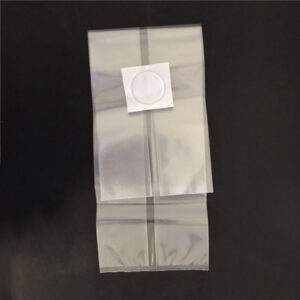
13x12x50cm Gusseted Spawn Bag [0.2μm Filter]
Price range: R15 through R1,146 Select options This product has multiple variants. The options may be chosen on the product page🧫 Commercial-grade 60 Micron Polypropylene
🧫 Non-woven 0.2µm ePTFE filter patch
🧫 Maximum sterility during grain spawn production
🧫 Gusseted design – Autoclavable up to 126°C -
STS
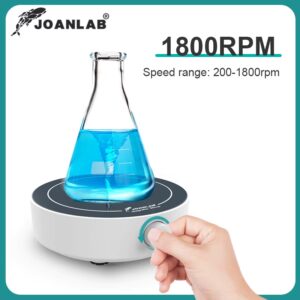
Mini Magnetic Stirrer (2L Brushless Laboratory Mixer)
Original price was: R1,315.R1,249Current price is: R1,249. Add to basket🧫High-Efficiency Brushless DC Motor
🧫2-Liter Maximum Mixing Capacity
🧫Stepless Speed Control up to 1800 RPM
🧫Low-Profile Laboratory Footprint -
STS
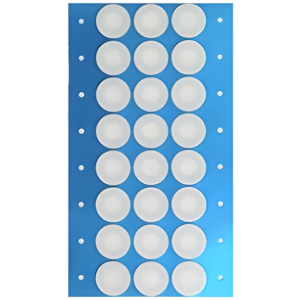
ePTFE Filter Patch Stickers – 0.25µm filtration (24)
Original price was: R121.R86Current price is: R86. Add to basket🧫 Professional 0.25µm filtration
🧫 20mm synthetic filter stickers
🧫 Ensure clean GE for jar lids.
🧫 Autoclavable glue.
Socratic Questions:
1. How do Preta Pearls extend the shelf life of fungal cultures?
2. What is molecular inoculation using alginate beads?
3. How to inoculate mushroom substrate directly with Preta Pearls?
4. Can Preta Pearls be used for long-term storage of mycelium?
5. What are the benefits of grain-free spawn in mushroom cultivation?