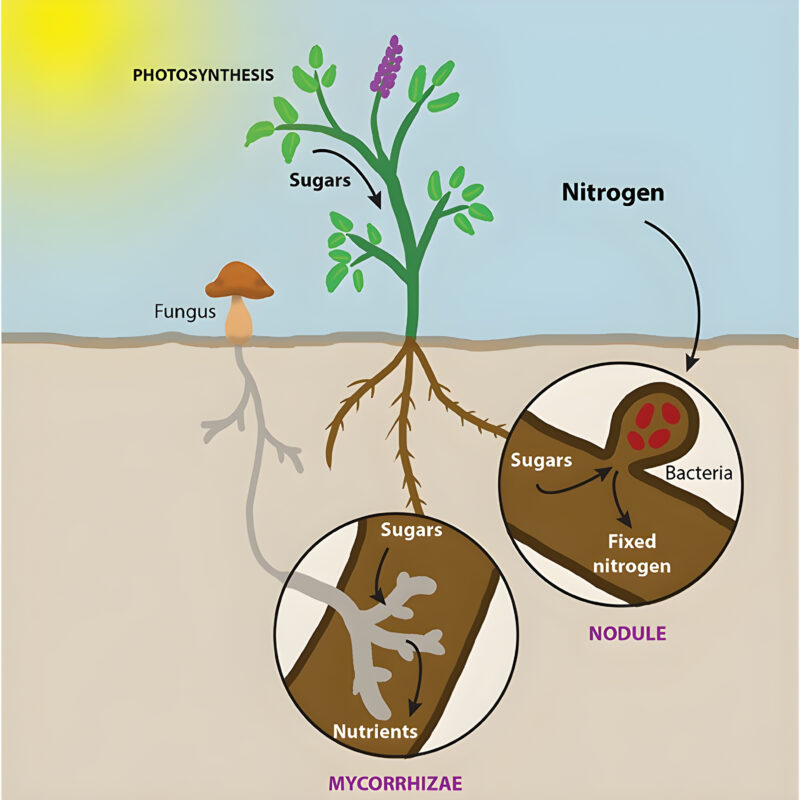
Plants cannot absorb organic matter, and earthworms don’t eat waste.
Summary
Learn the raw biological mechanics behind the three paradigm shifts that power sovereign agriculture. This Note deconstructs the limits of chemical-heavy cultivation, exposes the true role of earthworms as microbial pasteurizers, introduces the rule of selective nutrition, and details how Biologically Active Microbes (BAM) drive explosive root development and pest resistance.
1. Introduction: The Compost Misconception
A standard misconception across both hobby gardening and traditional farming is that adding raw organic compost to a soil bed is enough to grow high-performance crops. This belief ignores the actual chemistry of plant nutrition.
Dump kitchen scraps, raw manure, or uncomposted wood chips onto a root zone, and your plants will starve. Why? Because most organic materials are entirely insoluble in their raw form. The true value of compost is not that it feeds the plant directly, but that it serves as a raw structural fuel source for a much more complex biological refinery: the soil microbiome. To break away from industrial, hydrocarbon-dependent inputs, a grower must master the three foundational shifts in biological engineering.

2. The First Paradigm Shift: Plants cannot access nutrients in Compost
[ Raw Organic Waste ] ──> [ Microbial Enzyme Breakdown ] ──> [ Water-Soluble Ions ] ──> [ Plant Roots ]
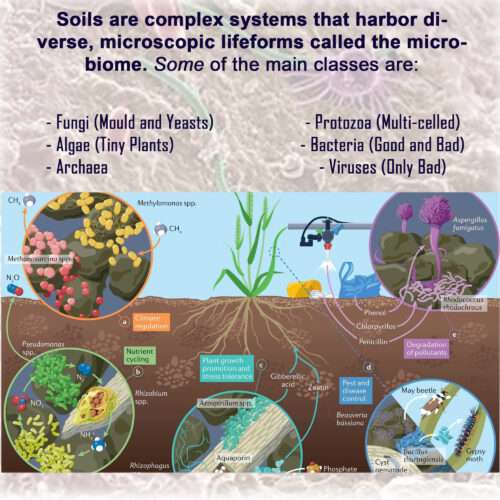
Plants can only absorb nutrients once they have been converted into fully ionized, water-soluble mineral compounds. This conversion process is driven entirely by beneficial soil bacteria and fungi that secrete targeted enzymes to reduce complex organic matter into simpler, bio-available forms.
The industrial “Green Revolution” bypassed this entire natural loop by introducing highly soluble, synthetic chemical fertilizers. While synthetics provide an immediate nutrient spike, they leave the underlying soil barren and devoid of life.
When you flood a root zone with synthetic salts, the plant stops trading sugars with the local microbiome. The soil goes fallow, the plant’s natural immune system drops, and you become permanently trapped in a fragile chemical loop—forcing you to buy synthetic pesticides to fight off the pests that a biologically resilient plant would naturally repel.
3. The Second Paradigm Shift: The Earthworm as a Pasteurizer
[ Chaotic Biomass / Spores ] ──> [ Earthworm Intestinal Track ] ──> [ Clean, Standardized Castings ]
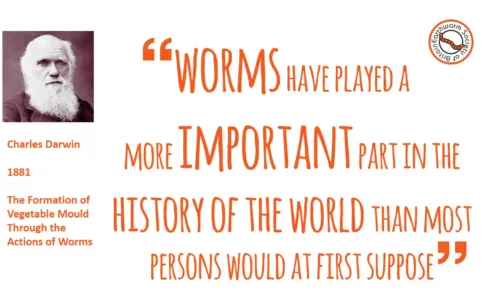
Contrary to popular belief, earthworms do not feed directly on dead leaves or raw organic scraps. Instead, they graze on the microscopic colonies of bacteria, fungi, and protozoa that are actively decomposing those scraps.
As the earthworm processes this microbial biomass, its intestinal tract acts as a highly specialized biological pasteurizer. It takes a chaotic, volatile mix of aerobic, anaerobic, and thermophilic organisms and blends them into a highly standardized, pathogen-clean output: vermicast.

This process refines the biology so cleanly that premium vermicompost exhibits up to seven times the biological potency of standard backyard compost. It is packed with stable beneficial strains, plant-available nutrients, and natural Plant Growth Hormones (PGHs).
4. The Third Paradigm Shift: Selective Nutrition
The final shift moves past simply trusting “random” organic decomposition and steps into precise biological curation. In our advanced Bundu Teq and Vermiponic setups, we do not throw random waste streams at our systems. Instead, we practice Selective Nutrition.
[ Refined, Grainless Inputs (Canola/Perlite) ] ──> [ Target Fungal/Bacterial Colonies ] ──> [ Custom Plant Defense Response ]
By utilizing specialized, grainless formulations—such as our fermented canola and perlite carrier blocks—we select exactly which fungal and bacterial strains are allowed to dominate the media. This allows us to curate the precise microbial profile entering our root zones, giving us the ability to trigger targeted plant defense responses, skyrocket sugar production (Brix), and drive synchronized root emergence without relying on industrial laboratories.
5. Field Evidence: The Winter Bell Pepper & Garlic Controls
To prove the power of dormant Biologically Active Microbes (BAM) when re-activated in the field, the STS ran two distinct diagnostic verification trials:
The 72-Hour Radical Emergence Test
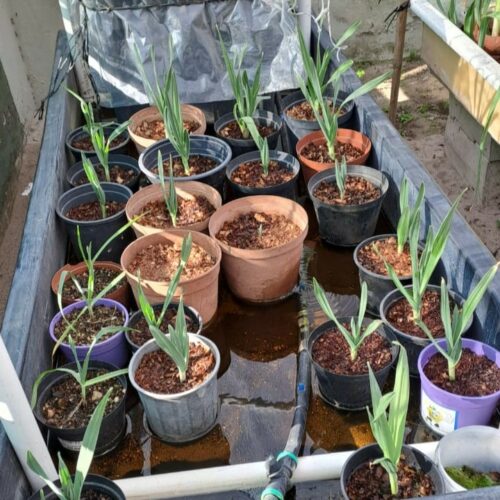
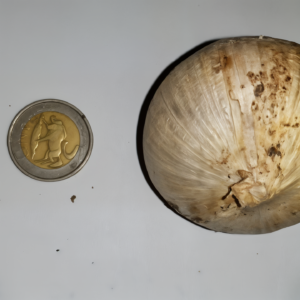
During a controlled garlic planting run, we added a light dusting (roughly 1/4 teaspoon per pot) of dormant BAM directly into a clean seedling mix. Elephant Garlic corms were planted out and checked over a long weekend:
[ Day 0: Dormant BAM + Bulb Set ] ──> [ Day 3 / 72 Hours: Prodigious, Aggressive Root System Formed ]
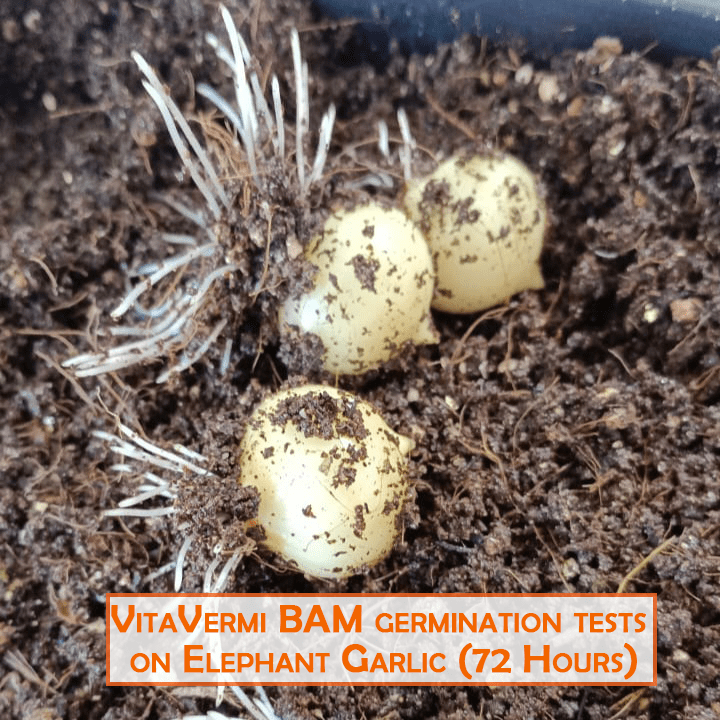
This exact trial was repeated with lettuce and notoriously stubborn, slow-to-germinate parsley seeds, resulting in a virtually 100% synchronized germination rate across the board. We now exclusively germinate all our seeds in Vitacore.
The Winter Dormancy Break

During a severe winter aphid outbreak on greenhouse bell peppers, an activated BAM foliar spray was deployed as a biological wash. Not only did the solution clear the aphid colonies by altering the surface leaf biology, but it also triggered an unexpected physiological response: the cold-stressed bell peppers immediately broke dormancy, pushed out a fresh flush of blooms, and began setting fruit in the dead of winter.
This reaction confirmed the massive presence of highly active, natural plant growth hormones locked within the BAM matrix.
6. SPeS Field Protocol: Activating BAM!
Completed Vermicast has the full soil biome, we call it BAM!, or Biologically Active Microbes! In completed Vermicast though the fermentation cycle is complete and the BAM! has gone into stasis. This is the crux of the Third Paradigm shift, the organics has been mineralized so no food for microbes, and they enter dormancy. To break your dormant microbial assets out of stasis for rapid compost acceleration, soil drenches, or targeted foliar support, follow this precise laboratory field protocol to create Activated BAM (ABAM!):
[ 500ml Lukewarm Water + 1 tbsp Molasses ] ──> [ Inoculate with 1 tbsp BAM! ] ──> [ 30-Min Stasis Break ] ──> [ Filter & Deploy Within 2 Hours ]
- Feed: Dissolve one tablespoon of unsulfured blackstrap molasses into 500ml of lukewarm, unchlorinated water. This provides an immediate, easily accessible carbohydrate and trace-mineral energy source to fuel the waking microorganisms.
- Inoculate: Mix one tablespoon of dry BAM! powder directly into the prepared sugar-feed water, stirring thoroughly to ensure even hydration across the carrier substrate.
- Activate: Leave the mixture undisturbed for exactly 30 minutes. This allows the dormant bacterial and fungal strains to break out of stasis, absorb water, and begin metabolizing the simple sugars.
- Deploy: Pour the solution through a fine mesh filter or cheesecloth if you intend to use it as a foliar spray (to prevent clogging your spray nozzles, exactly as we did in the winter bell pepper trial). Spray the leaves or drench the soil immediately. Always apply the mixture within a strict 2-hour window. Because this is an un-aerated bottle setup, the oxygen levels will plummet rapidly after 120 minutes, putting the brew at high risk of going anaerobic.
STS Pro-Tip on Waste-Free Processing: Never discard the solid material left behind in your filter cloth after preparing a foliar spray. While the liquid carrier captures the microscopic, active microbial flush and soluble plant growth hormones, the filtered-out solids still contain raw, carbon-rich feedstock particulates and resilient fungal spores. Dump these filtered solids straight back into your nursery pots, seed beds, or compost pile to act as a localized biological starter pack.
Conclusion
Sovereign agriculture requires stepping away from superficial, synthetic short-cuts and mastering the biological refinery already hardcoded into nature. By understanding the three paradigm shifts, you stop treating your growing media as a dead physical anchor and transform it into a living, self-defending biological engine.
-

Yellow Sticky Fruit Fly & Fungus Gnat Traps
R11 Select options This product has multiple variants. The options may be chosen on the product page🏗️Bright yellow colour attract flying insects
🏗️Odourless, Safe and Non-toxic
🏗️Durable – UV resistant and Waterproof
🏗️Easy to Use, Plant and Peel -
STS
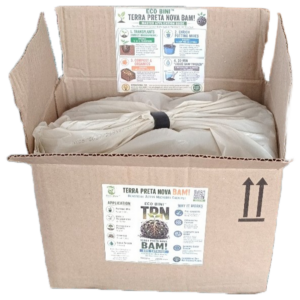
Eco Bini™ Terra Preta Nova BAM! Soil Catalyst | 5 Litre
Original price was: R340.R239Current price is: R239. Add to basket🛠️ Biologically pre-charged Terra Preta Nova Soil Catalyst
🛠️ Premium macadamia shell Granular Activated Carbon (GAC)
🛠️ Beneficial Active Microbes (BAM!)
🛠️ Zero nutrient lockout • Permanent microbial habitat • Ready to use -
Organic Elephant Garlic Rounds (Ajo Macho / Solo Garlic)
R90 Read more🌱 Large, mild-flavoured single Ajo Macho bulbs
🌱Organic Elephant Garlic Rounds / Pearl / Solo
🌱 Vernalized for immediate planting or roasting
🌱 Seasonal – Limited Stock -
STS
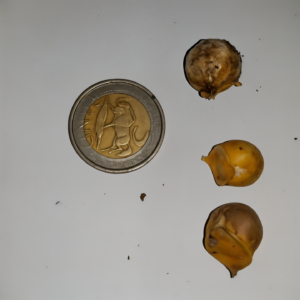
Organic Elephant Garlic Corms (Heirloom)
Original price was: R135.R95Current price is: R95. Add to basket🌱 Start your Elephant Garlic journey.
🌱 Grows into Ajo Macho Solo Round.
🌱 Perennial plant and natural pest deterrent.
🌱 Limited Stock – 20 off per pack
Socratic Questions
why plants cannot absorb raw organic nutrientshow earthworms act as biological pasteurizersbiologically active microbes for compost activationhow to make quick worm tea without an air pumpnatural plant growth hormones in vermicompost