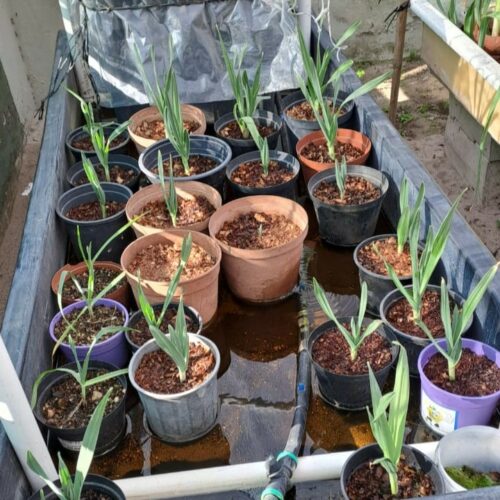
VermiPonics is a form of organic hydroponics developed at the STS that combines vermicompost biology with bottom-fed hydroponic systems. Instead of relying on synthetic nutrients, VermiPonics uses biologically active vermicompost and microbial mineralization to feed plants naturally. The result is a resilient, low-input growing system that bridges the gap between living soil and hydroponics — using mostly water, microbial biology, and carbon cycling instead of bottled chemicals.
Why Traditional Organic Hydroponics Usually Fails
For decades growers have tried combining organic fertilizers with hydroponics. The problem is that most hydroponic systems were designed for sterile mineral salts — not living biology.
The moment raw organics are added to a conventional hydroponic reservoir, several major problems begin:
1. Biofilm Formation
In hydroponics there is no soil structure to stabilize microbial life.
Microbes float freely in the water column and begin producing sticky polysaccharide slime known as biofilm. This rapidly coats pipes, clogs drippers, jams pumps, and destabilizes the system.
2. The EC Blindspot
Synthetic nutrients are electrically charged mineral salts like nitrate, potassium, and calcium ions. Because of this, growers can measure nutrient concentration using an EC meter.
Raw organic compounds are different.
They are mostly uncharged covalent compounds, meaning they often register little or no EC at all until microbes break them down into plant-available nutrients.
This leaves many growers effectively blind to actual nutrient availability.
3. Anaerobic Conditions
Raw organic particles settle at the bottom of reservoirs where oxygen becomes depleted.
Once oxygen drops, anaerobic microbes dominate and dangerous pathogens like Pythium (root rot) rapidly spread through the entire hydroponic system.
This is why many growers conclude that “organic hydroponics does not work.”
How VermiPonics Solves the Problem
VermiPonics approaches the problem differently.
Instead of dumping raw organics into water, the system uses worms and microbial biology as natural processors.
Paradigm Shift #1
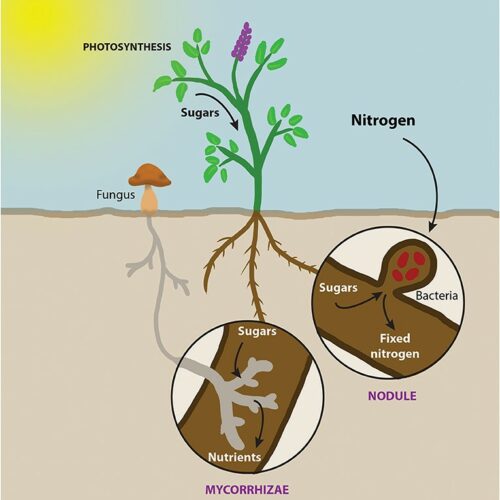
Plants cannot directly absorb organic matter.
The soil biome must first mineralize organics into water-soluble nutrients before plants can access them.
Paradigm Shift #2
Worms do not actually eat waste directly.
They feed on the microbial populations decomposing the organic matter.
In the process, worms biologically stabilize and pasteurize the decomposing material into high-quality vermicast rich in:
- aerobic microbes,
- enzymes,
- mineralized nutrients,
- humic substances,
- and natural plant growth hormones.
At the STS we typically use a VermiPonic media blend consisting of:
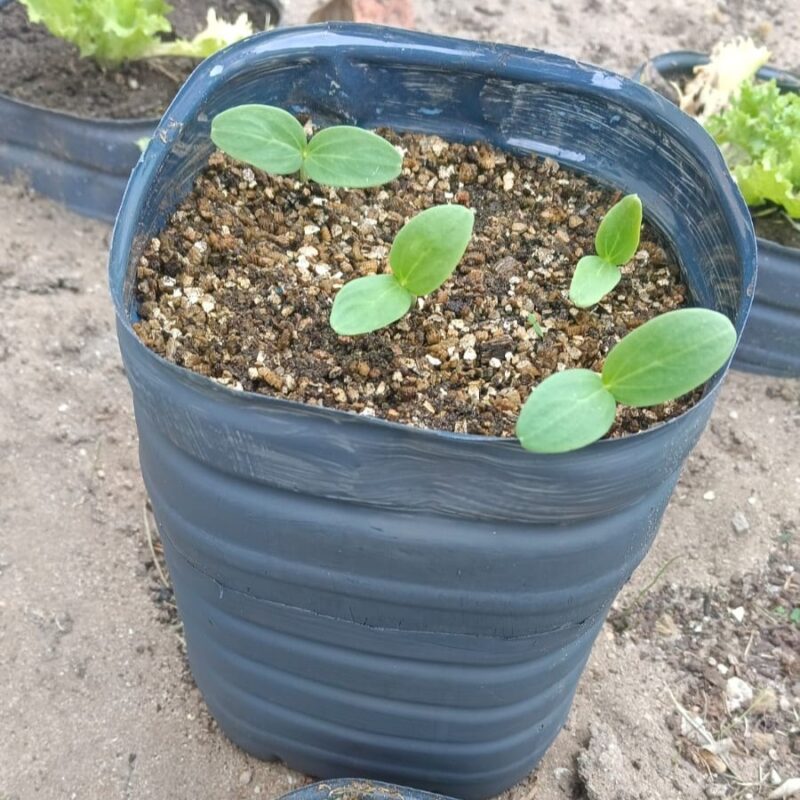
50% buffered coco coir,
30% vermicompost,
and 20% sawdust by volume.
Alternatively can use a 60 sand, 30 organics, 10 Vermicompost for soil – the Vermicompost is inoculant.
This creates a living nutrient cycle that behaves more like a biologically active soil ecosystem than a sterile hydroponic reservoir.
Common Mistakes
Most VermiPonics failures happen when growers treat it like conventional hydroponics.
Common mistakes include:
- overloading the system with raw organics,
- keeping the media constantly saturated,
- poor oxygen exchange,
- pumping nutrient sludge through pipes,
- and expecting synthetic-style explosive growth rates.
VermiPonics is a biological system first and a hydroponic system second.
The goal is stability, resilience, microbial diversity, and nutrient cycling — not simply force-feeding mineral salts.
STS Insight
The biggest mistake is combining water, nutrients, and oxygen all in the same continuously flooded environment. That usually creates anaerobic conditions leading to root rot.
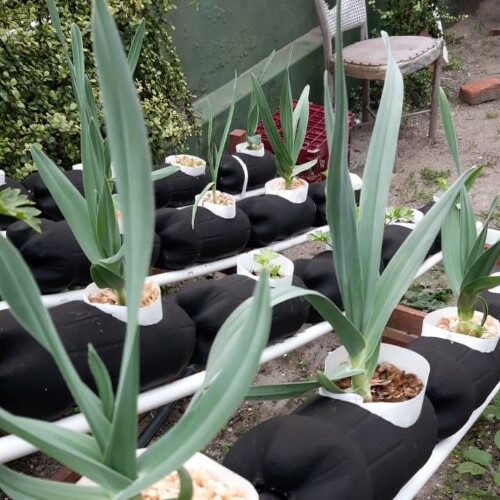
At the STS we instead use bottom-feeding systems such as wicking beds and modified NFT concepts that allow the root zone to maintain both moisture and oxygen simultaneously.
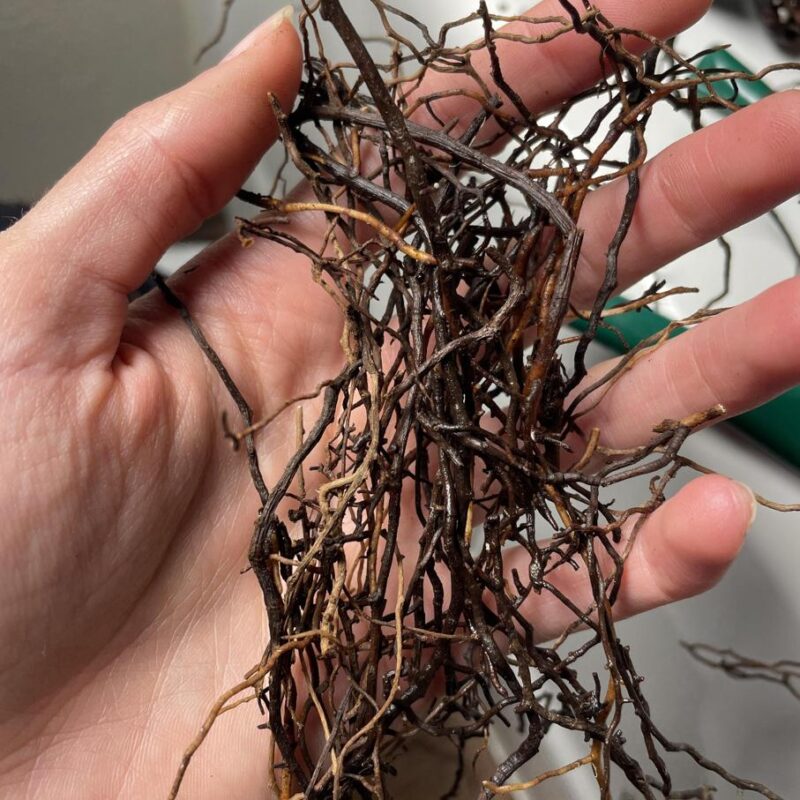
At the STS we instead use bottom-feeding systems such as wicking beds and modified NFT concepts that allow the root zone to maintain both moisture and oxygen simultaneously.
Plants need:
- water,
- nutrients,
- and air.
But not necessarily all at once in the same place.
VermiPonics works because it separates these functions biologically and physically.
We view VermiPonics as the bridge between living soil biology and high-efficiency hydroponic cultivation — without depending on synthetic chemical inputs.
The real goal is not simply “organic hydroponics.”
The goal is resilient food production using microbial biology, carbon cycling, and low-input closed-loop agriculture suited for real South African conditions.