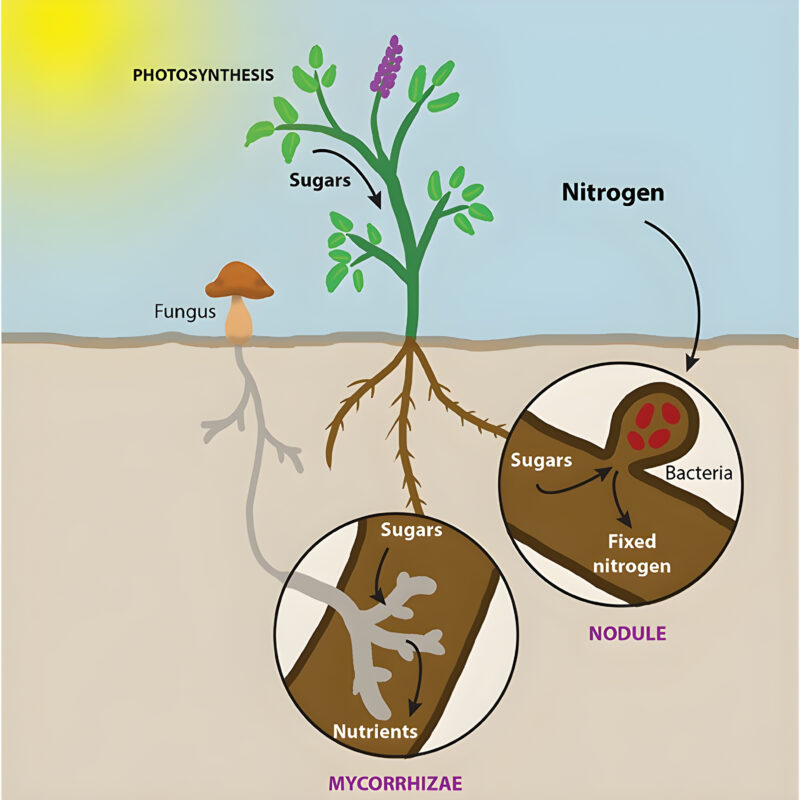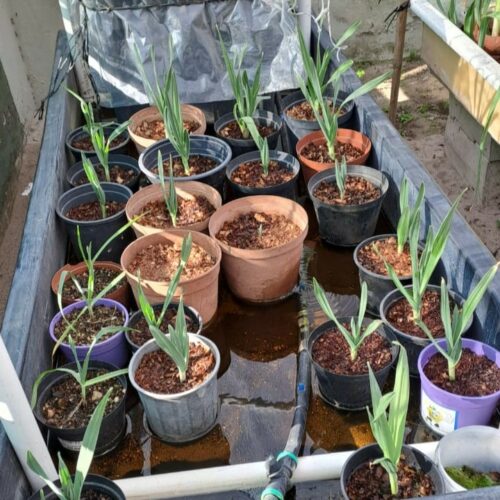
Learn the mechanics of traditional biochar activation and why “virgin” biochar is a nutrient thief.
Summary
Inspired by the ancient Terra Preta soils of the Amazon, we show why raw biochar needs charging before use. Understanding the ancient Terra Preta method and its limitations — and why we developed something better.
1. The Ancient Secret: What is Terra Preta?
For millennia, the poor, thin soils of the Amazon basin seemed to defy continuous agriculture. But thousands of years ago, the indigenous people created pockets of what is now called Terra Preta (Portuguese for “black earth”). These remarkable areas are still hyper-fertile today, centuries after the civilizations that created them vanished.
Slash and Burn
For decades now, the dense Amazonian Jungle was subjected to the “Slash and Burn” farming method, a practice that offered only limited, short-lived results.
The resulting arable land was productive for barely two years before its nutrients were depleted, forcing farmers to leave it fallow for up to 15 years to regenerate – 17 year round turn. It wasn’t until around 2007 that modern science finally began to unravel the precise composition and lasting miracle behind this man-made soil of “Terra Preta de Indio” [Black Earth of the Indians]. Image is from the study.
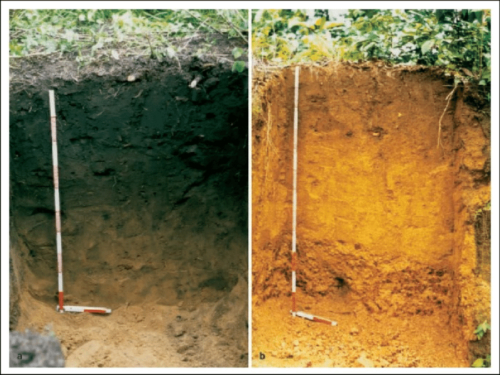
Terra Preta is not a naturally occurring soil; it’s an Anthrosol—a man-made miracle. It was created by incorporating a potent mix of charcoal, bones, potter, organic matter, and, most importantly, microbial-rich material. These soils remain productive centuries later.
The secret ingredient is Biochar – Raw biochar alone, however, behaves very differently from the charged biochar found in true Terra Preta.
2. The Problem: The “Nutrient Tie-Up” Effect
Biochar is essentially charcoal produced by heating biomass in a low-oxygen environment (a process called pyrolysis). While it’s primarily carbon, its value lies in its highly porous structure. A single gram of wood-derived biochar can have a surface area equivalent to a doubles tennis court [280m2].
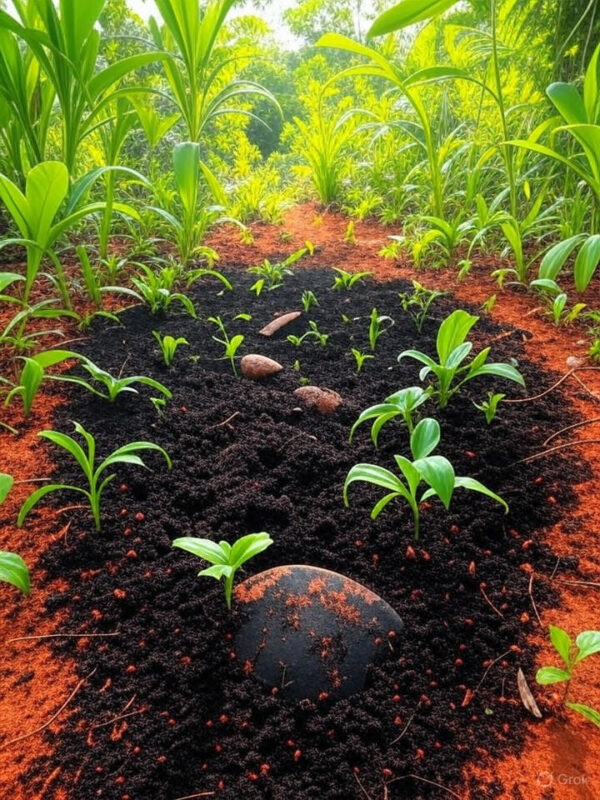
Raw, or “virgin,” biochar is essentially an empty, sterile 3D honeycomb. While its surface area is vast, its Cation Exchange Capacity (CEC) is completely unfulfilled. If added directly to soil, it acts as a vacuum—initially sucking up available Nitrogen (N), Phosphorus (P), and water to fill its internal vaults.
This is known as the “nutrient tie-up” effect, or “Nitrogen Robbing”, and it can starve your plants for the first growing season.
Charging Biochar
To avoid this, biochar must be “charged” or “weathered” before application.
Charging biochar means pre-filling its pores with nutrients and, crucially, inoculating it with a diverse, beneficial microbial population. While any good compost can work, we believe Vermicompost (worm castings) is the gold standard for charging biochar.
Worm castings are nature’s perfect soil amendment. They are not just nutrient-rich; they are brimming with a massive and diverse population of beneficial bacteria, fungi, and protozoa that survive the worm’s digestive tract.
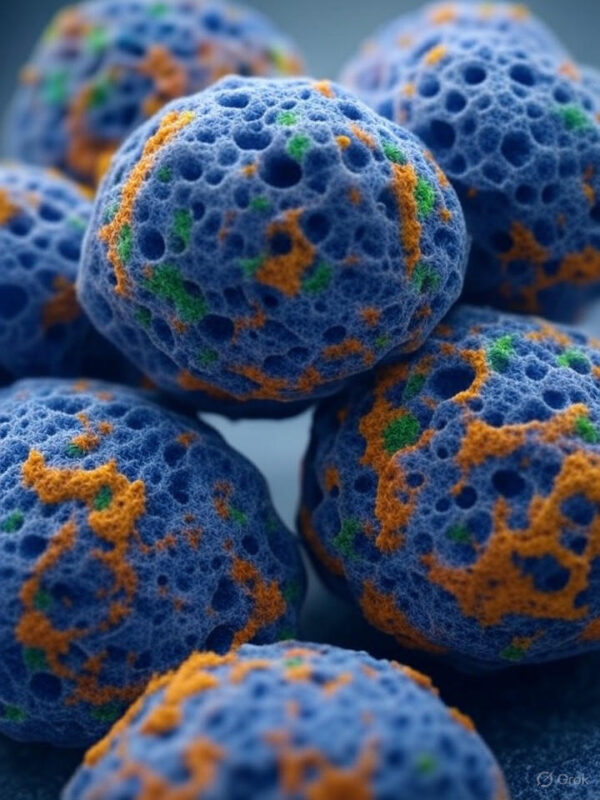
Combining raw biochar with active vermicompost ensures the permanent carbon structure of the biochar is immediately colonized and saturated with a nutrient-rich, living ecosystem.
3. Method A: The Aerobic “Long-Term” Charge (60–90 Days)
This is the traditional “Professional Approach” used in organic agriculture to mimic the formation of Amazonian Terra Preta.
| Step | Action | Technical Rationale |
| 1. Crush & Mix | Grain size 1–5mm. Mix with active Vermicompost (1:1 ratio). | Provides the carbon lattice and the microbial starter (BAM!). |
| 2. Saturate | Non-chlorinated water + 1% sugar/molasses – must be moist, but not soggy. | Dissolves soluble nutrients for adsorption into pores. Feeds the Soil Biome to inoculate the biochar. |
| 3. Aerobic Cure | 60–90 Days. Turn weekly to maintain oxygen. | Microbial colonies slowly colonize the surfaces of the char. |
| 4. Maintenance | Keep moist (sponge-wet) and breathable. | Prevents anaerobic “stalling” and sour smells. |
4. Method B: The “Quick-Soak” (Worm Tea Inoculation)
If time is a factor, the liquid carrier method is used to flush microbes into the char’s macro-pores.
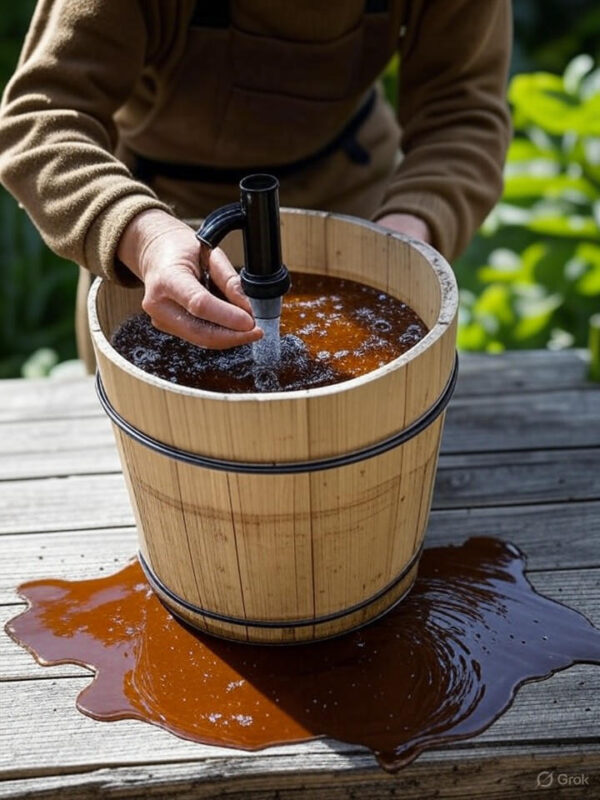
The quickest way to introduce a high population of Efficient Microbes (BAM!) into your soil is through the Actively Aerated Worm Tea (AAWT) method for 24-72 hours. However, this rapid liquid state has one major caveat: it generally does not foster the full, balanced envelope of microbes, particularly fungal life.
This method leverages the liquid carrier to instantly flush microbial life into the surface pores of the biochar – but with biochar’s large surface area this quick-tap procedure is largely superficial.
For a truly robust, integral and long-lasting biome—one that includes essential bio-protectants like beneficial Trichoderma and nutrient-scavenging Mycorrhizal Fungi—the lengthier, more stable solid-state fermentation (curing with vermicompost) is strongly advised.
5. The “Living Soil” Warning
As you can see, activating biochar effectively is a time-intensive process that requires curing time, the right materials, and aeration.
Conventionally charged biochar is a aerobic living ecosystem. Because these methods rely on aerobic microbes, the product must remain breathable.
- Store in vented containers or cloth bags.
- Keep moist but not waterlogged.
- Sealed plastic bags often lead to die-off and bad smells — a major red flag when buying commercial charged biochar.
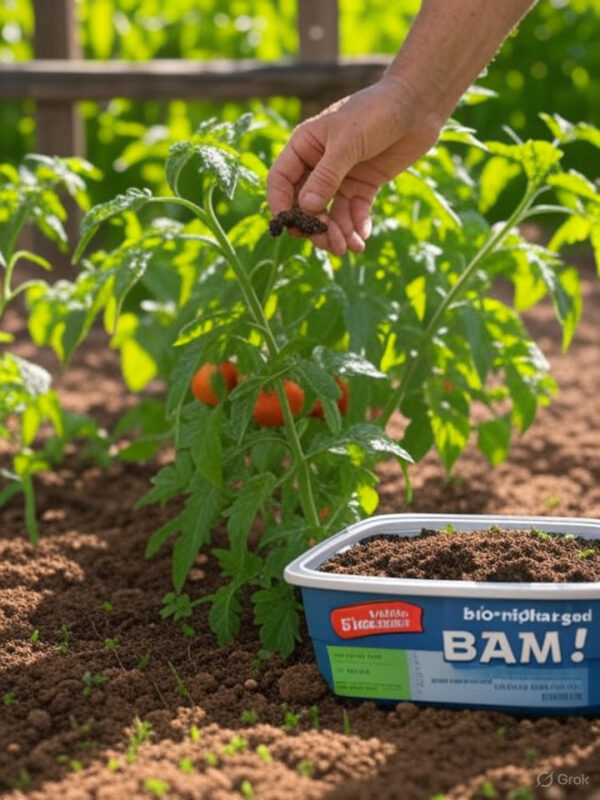
6. The 2026 Paradigm Shift: From “Weathering” to “Refining”
While Method A and B are the industry standards, they have significant engineering flaws:
- Time Inefficiency: 60–90 days is too long for a modern production cycle – akin to composting.
- Surface Limitation: Aerobic charging primarily affects the outer surfaces of the carbon; the internal micropores remain clogged with resins and tars from the pyrolysis process.
- Nutrient Leaching: Passive weathering often results in nutrient loss through volatilization.
At the STS, we have moved beyond “Conventional Charging.” We now utilize the 10x “Double-Tap” Activation Protocol. By using anaerobic Lactic Acid Fermentation (SSF) to biologically “etch” the internal pores, followed by a BioaKt alkaline reset, we achieve a 1000% increase in functional surface area in just 14 days.
Why wait 3 months for a surface-level charge? Explore the engineering behind our Syn-line technology and the Double-Tap Protocol in Lab Note 23:
References
-
STS
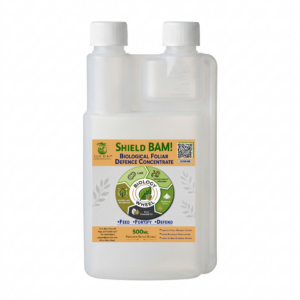
Eco Bini™ Shield BAM! Biological Foliar Defense Concentrate | Natural Pest Deterrent
Original price was: R280.R195Current price is: R195. Add to basket🌱 Living microbial foliar concentrate powered by VermiLIN.
🧄 Contains Garlic Extract (LAFEGE), peppermint essential oil and natural Castile soap.
🛡 Helps feed plants, support beneficial biology and deter common soft-bodied garden pests.
🐝 Bee-friendly, animal-friendly and GRAS.
🇿🇦 Proudly developed and manufactured in South Africa. -
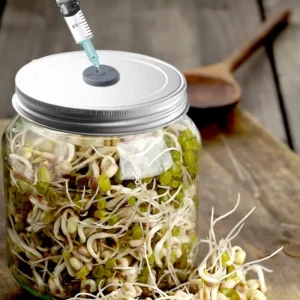
SHIP – Self-Healing Injection Ports, Butyl Rubber (10)
Price range: R39 through R49 Select options This product has multiple variants. The options may be chosen on the product page🧫 Medical-grade 13mm/20mm butyl rubber SHIP.
🧫 Packs of 10 Injection Ports.
🧫 100% Autoclave safe.
🧫 Liquid culture and no-lab inoculation. -
STS
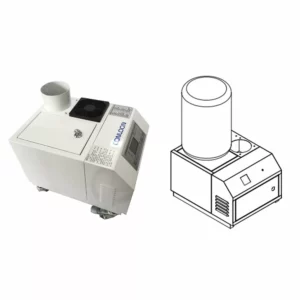
STS 7kg/h Commercial Ultrasonic Humidifier – Smart, Stainless Steel
Original price was: R22,750.R18,200Current price is: R18,200. Add to basket🏗 Commercial 7 kg/h ultrasonic humidifier.
🏗 Dual water supply (autofill or 20L bottle interface).
🏗 Gen³ heads, stainless steel, auto shut-off.
🏗 Smart Humidity control – CE Accredited. -
STS
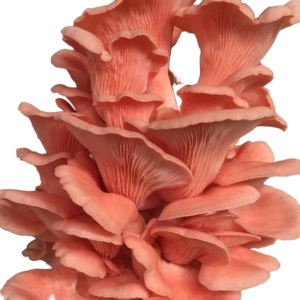
Flamingo Pink Oyster Mushroom Spawn Kit
Original price was: R1,399.R995Current price is: R995. Add to basket✔ Flamingo Pink Oyster Mushroom Spawn Kit (Pleurotus incarnatus)
✔ Includes 100 ml Living Inoculant (LI) in a reusable Culture Bottle
✔ Includes 1 kg Sterilized Sorghum Grain Spawn with SHIP & 0.2 µm PTFE filter
✔ Fast-growing tropical oyster producing spectacular flamingo-pink mushroom clusters