Ancient Amazonians didn’t discover fertile soil—they engineered a biological refinery.
Summary
Terra Preta proves that biology, not fertilizer, is the true engine of long-term productivity. This Lab Note explores how stable carbon, living microorganisms and continuous organic inputs combine to create a self-renewing soil system. Learn why Terra Preta is the engineering blueprint behind Bundu Teq and how a permanent biological refinery can replace the extractive cycle of modern agriculture.
1. Terra Preta Mystery: A Soil That Defies Time
You’ve heard the term “Black Gold” applied to Vermicompost, but what if we told you there’s an ancient black gold that lasts for thousands of years, transforming poor soil into a hyper-fertile paradise?
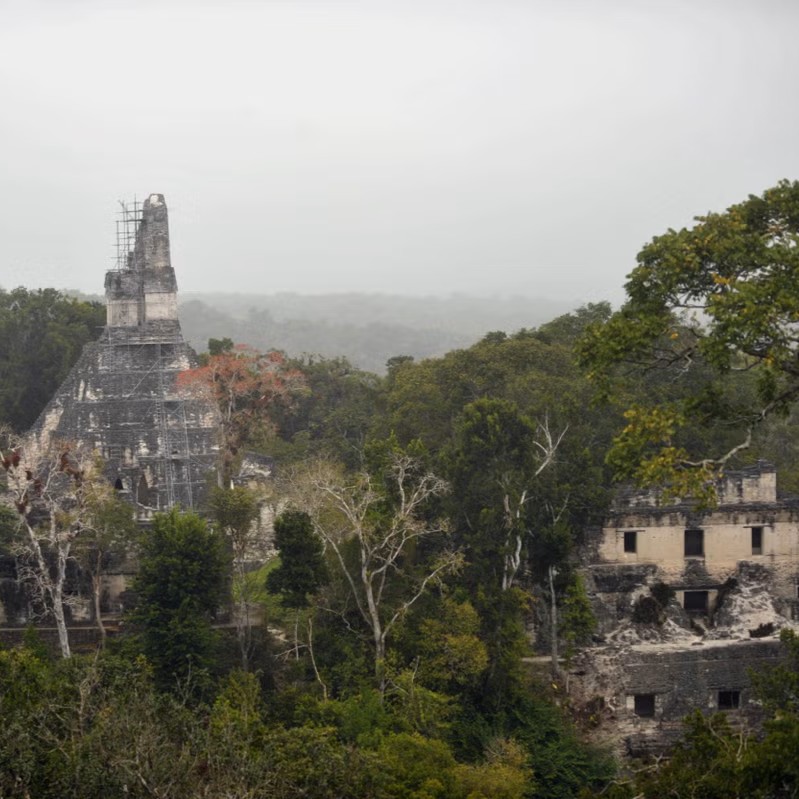
For millennia, the Amazon basin harbored soils of remarkable, enduring fertility, a stark contrast to the nutrient-poor terra firme soils surrounding them. This ancient “dark earth,” known as Terra Preta do Índio (Indigenous Amazonian Black Earth), was not a natural anomaly but a testament to sophisticated, albeit ancient, ecological engineering.
Created through the deliberate addition of charcoal (biochar), pottery shards, animal bones, and organic waste over extended periods, Terra Preta soils exhibit exceptionally high organic matter content, microbial diversity, and nutrient availability that persist for centuries, even millennia.
The discovery and study of Terra Preta have revolutionized our understanding of soil science, moving beyond the linear models of nutrient depletion and replacement. It presents a paradigm shift: soil as a dynamic, self-sustaining biological system that, when properly engineered, can achieve perpetual fertility. Traditional agriculture often focuses on short-term nutrient inputs, leading to a continuous cycle of application and depletion. Terra Preta, conversely, demonstrates a closed-loop system where carbon, nutrients, and microbial life are locked in a stable, regenerative cycle. Understanding and emulating this ancient engineering feat is central to our mission of restoring Nature’s Refinery.
2. Biological Engineering Principle: The ‘Microbe Hotel’ Concept
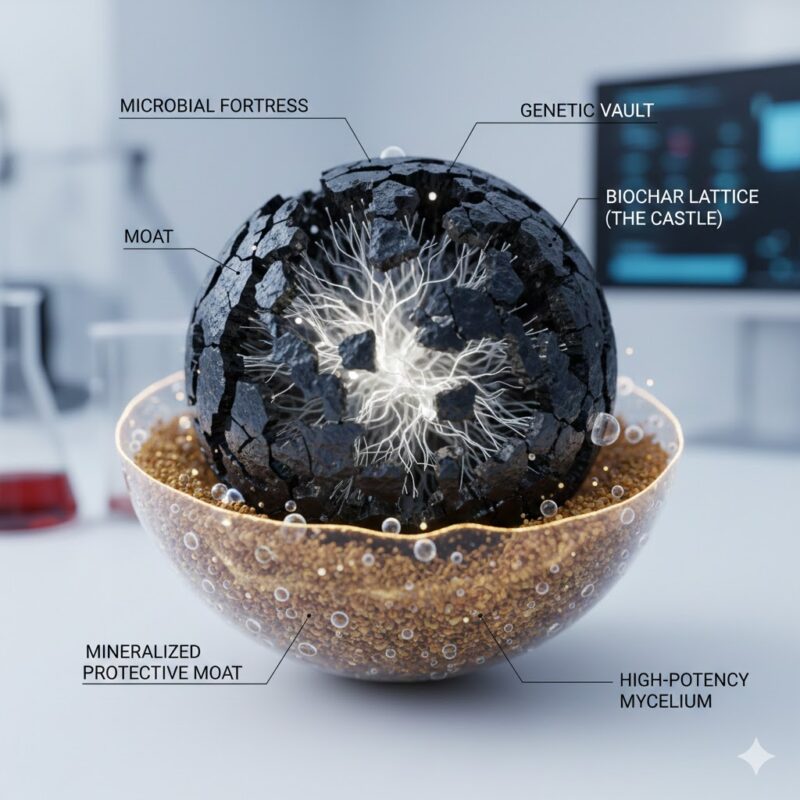
The core principle behind Terra Preta is the creation of a stable, long-term microbial habitat within a biochar matrix. Biochar, a highly porous form of charcoal produced from organic matter, is the foundational component. The true magic of Terra Preta lies in how this biochar is “activated” and “charged” to become a thriving ecosystem.
Plants cannot directly utilize compost, leaves or kitchen waste. These materials must first be decomposed by microorganisms that convert complex organic compounds into soluble nutrients accessible to plant roots. Without microbial activity, organic matter simply accumulates.
Terra Preta succeeds because it permanently houses this microbial workforce. It becomes a hotel where the microbes can retreat to in cases or drought, famine or even flood. When you add compost then this Soil biome, or as we call it BAM! (Biological Active Microbes,) are ready in the biochar to decompose into plant-available nutrients.
The Industry Pitfall: Much of the commercial biochar available today is sold as a finished product “Biochar,” despite requiring biological activation before reaching its full agricultural potential.
3. The “Nutrient Thief” Warning: Why Standard Charging Fails
- Raw biochar is like a dry sponge. If added directly to your soil, it will pull nutrients and water away from your plants to fill its empty pores. This “Nutrient Tie-Up” is why many modern biochar experiments fail in the first season.
- Pyrolysis Ash: Fresh charcoal contains highly soluble mineral ash. When first wetted, these salts dissolve rapidly, producing a temporary high-EC solution around the particles. Depending on the feedstock and application rate, this localized salt concentration can stress sensitive seedlings and young roots. Conditioning or washing the charcoal before biological activation greatly reduces this effect.
- Hydrophobic: Raw biochar is actually water repellant, with a low cation exchange capacity.
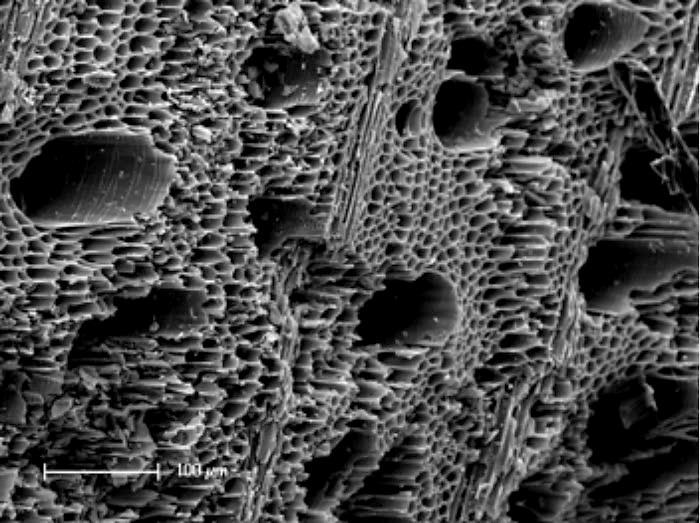
Solution: The simplest solution has been to leave biochar in field, to naturally wash away the salts, a process called “Weathering”. This process though can take over a year, and is weather dependent. e have moved beyond simple biochar charging. Our VermiCHARged BAM!³ is produced using a 14-day Anaerobic Solid State Fermentation (SSF) protocol – we call “Double-Tap”.
4. From Ancient Practice to Terra Preta Nova
The ancient Amazonians used centuries of circular waste to build their soils. The principles of Terra Preta can be engineered into modern agricultural and horticultural systems to restore soil health, enhance plant productivity, and sequester carbon. Bundu Teq follows the same engineering philosophy but compresses the process into a controlled manufacturing protocol.
Rather than waiting decades for biological succession, Terra Preta Nova deliberately constructs the biological refinery before installation into the soil. BioChar really consists of two complementary facets:
Carbon Infrastructure
Pyrolyzed biomass provides a permanent structural matrix that resists decomposition while offering enormous internal habitat for microbial colonization. Various organic materials can be pyrolyzed to create biochar, including wood, crop residues, and even animal manures. The feedstock influences biochar properties (porosity, ash content, pH), for Terra Preta we also require a durable carbon. Wood residue is almost non-negotiable, and lends itself nicely as a way to convert Invader bush waste into a durable high CEC carbon infrastructure.
Biological Activation
Typical ‘Biochar’ on the market is nothing more than charcoal – we need to put the “Bio” into the Char…
Rather than applying raw carbon directly, the matrix is inoculated with a diverse soil microbiome through fermentation and vermicomposting. The objective is not merely nutrient loading but biological establishment. Common methods include:
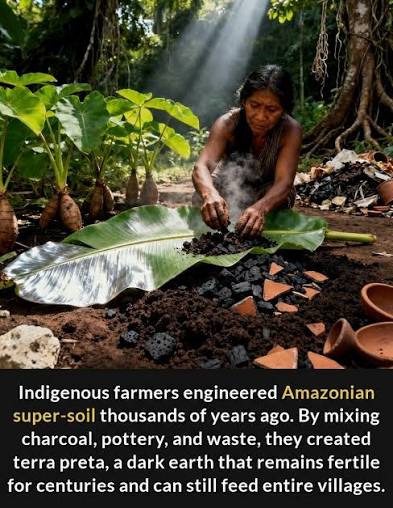
- Weathering: Oldest practice, left in the field, the rain removes the soluble ash. Soil biome slowly moves – but takes over a year to remove the nutrient thief effect and slyly charges the char
- Compost: Traditional method, but errant, as the compost has low microbes. Must first be inoculated with the soil biome before compost can start to ferment and charge the char – still takes 6-8 months.
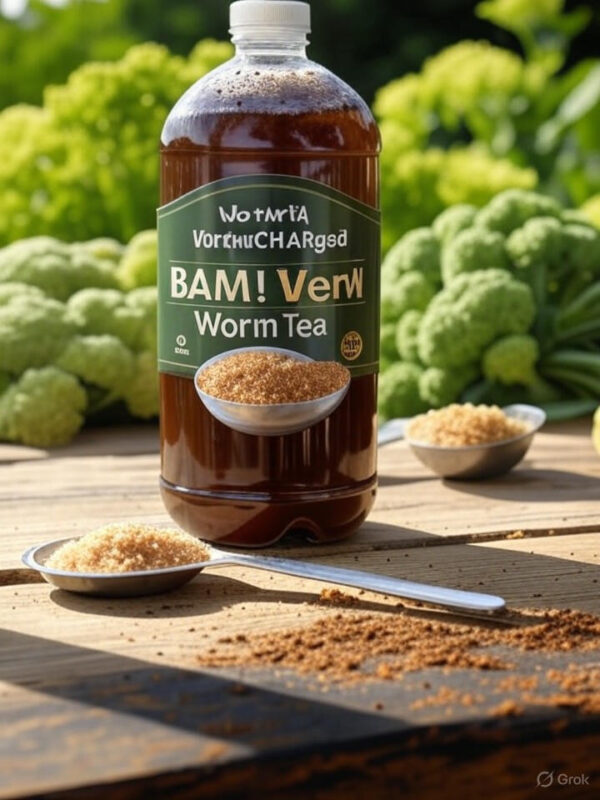
- Worm Tea: Soaking biochar in mature vermicompost tea or worm castings leachate floods the pores with microbes and soluble nutrients. Very quick, but not introducing the full soil biome.
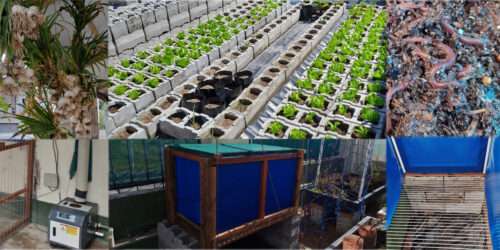
- Vermicomposting: Mixing biochar into active worm bins allows worms to process organic matter and imbue the biochar with their beneficial castings and microbial colonies.
- Bokashi Fermentation: Using Bokashi-fermented material to charge biochar can introduce a diverse range of beneficial microbes and pre-digested nutrients. This is called Terra Preta Nova in Europe and the basis of Bundu Teq.
Bundu Teq Protocol: Bundu Teq is maybe … All the Above! In Bundu Tek Terra Preta Nova we take Organics with the charcoal, hydrate to field capacity and then inoculate with BAM! We then do Bokashi-style anaerobic SSF (Solid-state Fermentation) for two weeks to make Terra Preta Nova. This process saturates the biochar’s pores with full soil biome microbial life and nutrients, turning it from a potential nutrient sink into a nutrient source.
The result is no longer simply “charged biochar.”
It is an engineered biological catalyst ready to integrate into the soil ecosystem.
5. The “Rogue” Resilience: Why BAM! Beats EM
Bokashi is an anaerobic Solid-State Fermentation (SSF) method that relies on EM (Effective Microorganisms), a synthetic lab consortium primarily consisting of Lactic Acid Bacteria (LAB). While effective, it is a relatively simple, limited microbial mix compared to naturally adapted consortia.
A major development in our lab occurred with a “Rogue” batch made at 60% moisture—it went foul and smelled of ammonia. Standard EM would have “run away” or failed under these conditions.
The BAM! Advantage: Our resilient, full soil biome consortium pulled the batch back from the brink, pickling the proteins and stabilizing the odors. When “Double-Tapped,” worms swarmed the mix within 30 minutes. This proves the Terra Preta Nova (TPN) secret isn’t just “microbes,” but Resilient, Localized Full Soil Biome Microbes that can handle boundary-condition stress.
Another advantage of BAM! is that when you add the TPN to the soil, there is already the full soil biome present, and converting the conditions form anaerobic to aerobic, BAM! inoculated TPN will immediately start multiplying.
6. Practical Application: How to Use the Catalyst
Terra Preta is a “Perpetual Fertility Engine.” You don’t need tons of it; you need to “infect” your soil with it. Think of it as a Catalyst:
A catalyst is a substance that speeds up a chemical reaction—or enables it to occur under milder conditions—without being consumed or permanently altered in the process.
Only relatively small quantities are required because the objective is to establish permanent biological nodes within the soil profile.
Applications include:
- Root-zone trenches surrounding perennial crops.
- Inoculating Compost for faster fermentation.
- Incorporation into vegetable beds during soil preparation.
- Localized placement beneath transplants.
- Integration into potting substrates.
- Long-term carbon infrastructure within vermicomposting systems.
Once installed, ordinary compost, mulches and crop residues become the ongoing fuel supply for the biological refinery.
Some common rules of thumbs learned the hard way:
- When making TPN or charging the biochar only apply 10% by volume
- When applying TPN to soil we only add at 1% volume or 0.5 % by mass
Rather than repeatedly importing fertility, growers increasingly recycle nutrients already present within their own production system.
7. Engineering Notes
Several important engineering principles distinguish Terra Preta Nova from conventional biochar practices.
- Raw biochar should never be regarded as a finished product. Fresh carbon possesses significant adsorption capacity and may temporarily immobilize nutrients until biological equilibrium develops.
- Activation is therefore an engineering requirement rather than an optional enhancement.
Equally important is microbial diversity. Highly simplified inoculants may successfully initiate fermentation, but resilient soil ecosystems depend upon complex biological communities capable of adapting to environmental fluctuations.
Finally, Terra Preta Nova is not designed to replace compost.
- Compost supplies the energy.
- Carbon supplies the infrastructure.
- Microorganisms provide the conversion machinery.
Together they form an integrated biological operating system.
8. Summary: Reclaiming the Refinery
The 20th-century Green Revolution brought the petrochemical refinery to the farm, substituting the natural soil biome with tons of synthetic salts. While this provided a short-term yield, it crippled the “Operating System” of our land. Our ancestors were more sustainable by necessity, and through the mists of time, their solution has resurfaced: Terra Preta.
Terra Preta is more than just ancient history; it is a blueprint for modern regenerative agriculture. By engineering soil with activated biochar, we are not merely amending it; we are fundamentally enhancing its biological engine. This approach transforms inert carbon into a living substrate, creating a stable, self-sustaining system that retains water, cycles nutrients, harbors beneficial microbes, and sequesters carbon.
Applying the Terra Preta protocol is a direct pathway to Engineering Biological Independence. It reduces reliance on external, industrial inputs like synthetic fertilizers. It empowers growers to build truly resilient, fertile, and carbon-negative soils that can support abundant growth for generations. The “perpetual fertility engine” is not a myth; it is a scientifically engineered reality waiting to be implemented
STS Lab Note Context: The Double-Tap isn’t just about speed; it’s about Stability. By converting Lactic Acid to pH neutral Calcium Lactate and scouring the carbon pores, we ensure that the “Refinery” stays open for business 24/7, regardless of soil pH swings or drought.
-
STS

Self-Irrigating Capillary Wicking Cord – 10 meter
Original price was: R140.R115Current price is: R115. Add to basket🌱 High-performance 4mm capillary cord.
🌱 Consistent, self-watering moisture delivery.
🌱 Wicking water in self-watering planters, hydroponic seedlings
🌱 Automation-free vacation watering. -
STS

Eco Bini™ BioaKt Media/Substrate Conditioner | 2000 ml
Original price was: R195.R149Current price is: R149. Add to basket🏗 Bundu-Tek additive with kelp alginates – No autoclave needed.
🏗 Alkaline pH Pasteurizer
🏗 Self-sterilizing formula
🏗Boost yields and colonizing times -
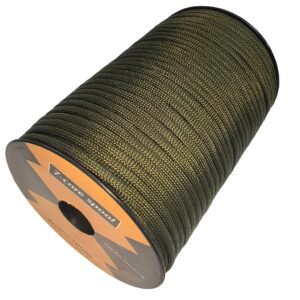
4mm Heavy-Duty 7-Core Lashing Cord (Per Meter)
R9 Add to basket🪱Heavy-Duty 7-Strand Core Lashing Cord
🪱Resistant to moisture, UV rays, and friction
🪱4mm Diameter & Heavy-Duty Wear
🪱Sold per Meter -
STS
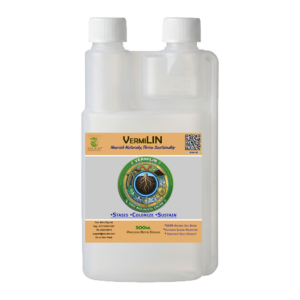
Eco Bini™ VermiLIN BAM! Living Microbial Concentrate | 500ml Bettix
Original price was: R185.R130Current price is: R130. Add to basket🌱 Living Microbial Concentrate from premium vermicast
🌱 Controlled Biological Stasis for extended shelf stability
🌱 Built-in Bettix dosing chamber for accurate mixing
🌱 Perfect for living soil, compost, biochar & regenerative growing