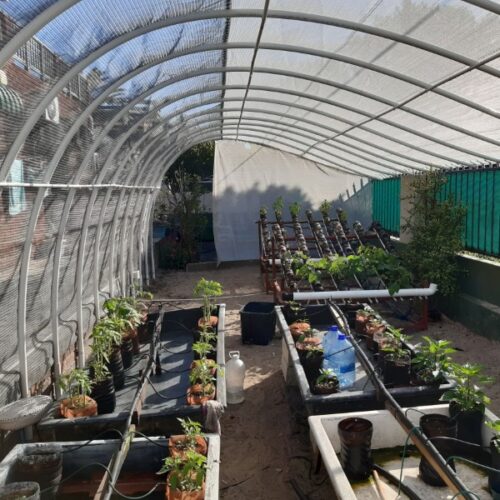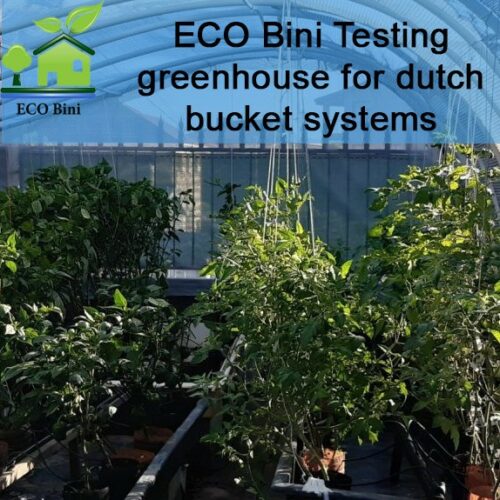
Vermiponics utilizes the biological buffering of the “Worm Gut” refinery to stabilize pH and EC naturally, eliminating the 20% yield loss often caused by synthetic pH crashes. Compare the stability and resilience of organic vermiponic systems against traditional synthetic hydroponics. This note explains how living biology manages nutrient availability more efficiently than chemical salts in unstable climates.
Summary
Vermiponics vs. Synthetics: Why Worm-Powered Nutrients Are the Future of Hydroponics and CEA
In the world of hydroponics, your choice of nutrients can make or break your success. For decades, synthetic fertilizers have been the industry standard, prized for their precision and predictability. But a new wave is rising—Vermiponics—a worm-powered, organic approach that’s redefining what’s possible for sustainable growers. Vermiponics isn’t just a trend; it’s a paradigm shift with powerful benefits over synthetics. Here’s why you should consider making the switch.
1. From Sterility to Soil Life: The Microbial Revolution
Traditional synthetic nutrients, much like the Green Revolution’s chemical-heavy methods, tend to sterilize your growing system. They suppress or even eliminate beneficial microbes that plants need for robust growth. This “clean slate” approach can lead to plants that are more vulnerable to disease, nutrient deficiencies, and environmental stress.
Vermiponics flips the script. By using vermicast (worm castings) teas or extracts, you’re introducing a living community of beneficial microbes into your hydroponic system. These microbes work in harmony with your plants, unlocking nutrients and creating a dynamic, resilient root environment. The result? Plants that are healthier, less prone to deficiencies, and able to thrive without the wild pH swings common in synthetic systems.
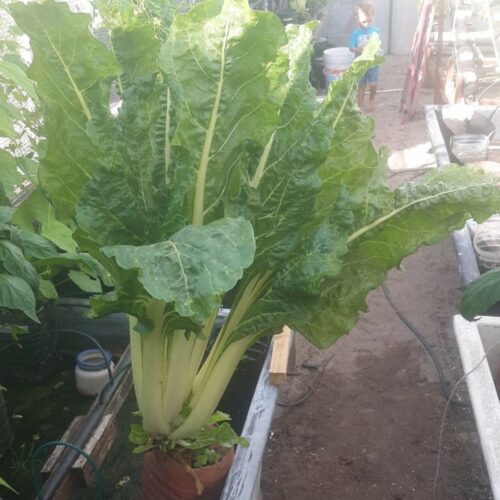

VitaVermi BAM: Natural Bioactivator
Enhance soil health, boost plant growth, and accelerate composting with VitaVermi BAM. Natural, potent, and eco-friendly solution for vibrant gardens.
2. Nutrient Lockout vs. Nature’s Slow Release
Synthetic fertilizers, while precise, are not always forgiving. Slight imbalances can cause nutrient lockout or even toxicity, leaving your plants starved or stressed. This is a common frustration for hydro growers—one wrong move and your crop can suffer.
Vermiponics offers a safer, smarter alternative. The vermicast used in these systems is naturally “pasteurized” through the worm’s digestive process, producing a pathogen-free, slow-release humus that’s packed with nutrients, beneficial microbes, and plant hormones. Instead of flooding plants with everything at once, vermiponics provides a steady supply of what your crops need, when they need it—just like in nature.

3. Pollution or Regeneration? Closing the Nutrient Loop
Runoff from synthetic fertilizers is a major source of water pollution and contributes to greenhouse gas emissions. Every season, waste nutrients leach into the environment, disrupting ecosystems and adding to our planetary footprint.

Vermiponics is circular and sustainable. It recycles organic waste—like kitchen scraps or plant trimmings—by feeding it to worms, which in turn produce nutrient-rich castings. This not only closes the nutrient loop but also helps sequester carbon dioxide, making your grow more environmentally friendly. Studies (including STS field tests) have shown that vermiponics can deliver yields comparable to synthetics, with many growers reporting tastier, more nutrient-dense produce. Imagine plumper, juicier tomatoes—and a cleaner conscience.
Vermiponics for Beginners
Unlock the secrets of Vermiponics, a world-first organic hydroponics method that turns waste into food! This comprehensive online course guides you from beginner basics to scaling sustainable systems, using worm castings and low-energy designs.

Ready to Switch? Start Your Vermiponics Journey
The future of hydroponics is alive and regenerative. If you’re ready to grow healthier, more resilient plants while reducing your environmental impact, it’s time to explore vermiponics. Check out our Vermiponics Course to get started with practical tips, recipes, and system designs. Join the IMBY movement Forum—your garden (and the planet) will thank you!
-
STS
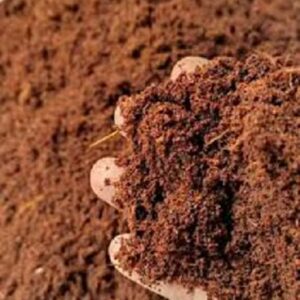
STS “Buffer-Charge” | Professional 5kg Coco Coir Conditioner
Original price was: R39.R30Current price is: R30. Add to basket Stop “washing” your coir and start charging it.
Pre-measured, dry-sachet conditioning system.
Removes the natural sodium and potassium salts in coco coir.
Provides an engineered environment for your plants to thrive from day one. -
STS
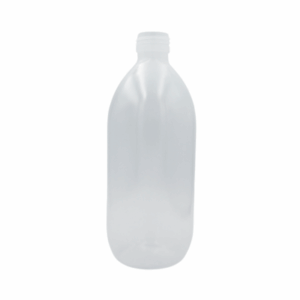
Alpha & Omega [Kratky & Passive Hydro] Nutrient Kit – 2x 500ml
Original price was: R195.R95Current price is: R95. Add to basket🛠 Dual-part liquid Kratky hydroponic nutrient concentrates
🛠 Refined Hoagland solution pre-dissolved in 2x 500ml UV-opaque white bottles
🛠 perfect for passive indoor herb gardens — Just Dose and Grow -
STS
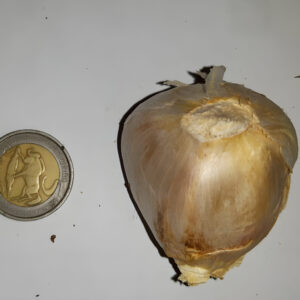
Organic Elephant Garlic Cloves – Vernalized
Original price was: R695.R495Current price is: R495. Add to basket🌱 Large, mild-flavoured cloves
🌱 10 Elephant Garlic Organic seeds
🌱 Vernalized for immediate planting
🌱 Seasonal – limited Stock -
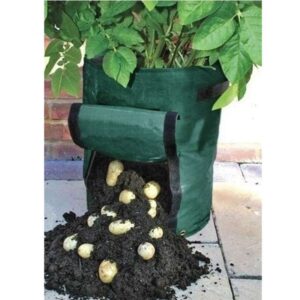
Potato Grow Bag – Heavy Duty (38L) with Harvest Flap
R149 Add to basket🌱 Grow Potatoes anywhere!
🌱 UV-resistant 38L bag with easy-harvest flap.
🌱 Reinforced handles, and aeration holes.
🌱 Ideal for small urban spaces.
Socratic Questions (5 Search Terms):
- Best organic nutrients for hydroponics?
- Comparing synthetic vs organic hydroponic yields?
- Why does my coco coir keep crashing my pH?
- What is the optimal nutrient balance for DWC?
- How much water can I actually save with hydroponics?