Sweet treats with a hidden boost? We’re exploring the surprising fusion of confectionery and fungal power.
This note delves into the experimental process of incorporating mushroom extract into a familiar treat – jelly babies. We’ll look at the challenges of flavour masking, texture alteration, and the practicalities of adding a concentrated extract to a gelatin-based confection. The goal is to achieve a palatable sweet while integrating the potential benefits of mushroom compounds.
Summary
Introduction
Many beneficial compounds found in mushrooms, like beta-glucans and various other polysaccharides, are often bitter or have strong, earthy flavours. For consumers, especially those new to mushroom supplements, the taste can be a significant barrier to regular consumption. Traditional methods of consuming mushroom extracts often involve tinctures, powders mixed into drinks, or capsules. The challenge, from a bio-engineering perspective, is to find a way to deliver these beneficial compounds in a format that is not only acceptable but enjoyable. Jelly babies, a beloved and widely consumed sweet, present an interesting vehicle for this integration. Can we mask the mushroom flavour effectively and maintain the desired jelly texture?


Food Grade Sodium Alginate Powder
High-quality sodium alginate powder, ideal for culinary applications such as spherification. Derived from brown seaweed, this product is food-grade and suitable for creating gel-like textures in various dishes.
Recipes
Healthy Apple Cider Vinegar Jelly Babies
Research findings indicate that apple cider vinegar (ACV) could have potential health benefits, such as antimicrobial and antioxidant properties. These Jelly Babies are not just your typical candies; they are infused with ACV and real fruit. The combination of ACV’s health attributes with the nutritional value of real fruit makes these Jelly Babies a healthy and tasty alternative to regular candies, offering beneficial properties while satisfying sweet cravings.
Ingredients
- ½ cup Apple juice (or fresh juice of choice)
- ½ cup Apple Cider Vinegar
- 4 TBS Honey
- 5 TBS unflavoured Gelatine (vegan or non-vegan)
Instructions
- Combine the juice, vinegar, and honey together in a pot and whisk to combine.
- Sprinkle the gelatine over the top of the liquid and allow it to bloom for 2-3 minutes.
- Once the liquid has absorbed the gelatine, turn the stove onto medium-low heat. Gently stir or whisk the gummy mixture just until everything is melted and combined, about 2 minutes. Don’t over-whisk or the mixture will get really foamy.
- Once gelatine is combined and melted, remove from heat. Be aware, use low heat and avoid bringing it to boil.
- Pour mixture into silicone mould (using a syringe is extremely helpful with this part), then place the mould into the fridge for 10 minutes and then 5 minutes in the freezer.
- Pop the Jelly babies out of mould and coat with Icing Sugar or Corn Starch or Citric Acid (for a real sour jelly baby). Put on paper towel and let stand for a couple of hours to dry out.
- Store gummies in fridge in an airtight container.
Quick 3 ingredient Jelly Babies
Making homemade gummy bears is a fun and simple activity that requires just three basic ingredients, including jelly, making it accessible for kids and adults alike! With their vibrant colours and fruity flavour’s, these bouncy little treats are bound to be a hit at any gathering or as a delightful snack at home. The best part is that the process is so easy that kids can join in on the fun, allowing them to unleash their creativity while learning a bit about cooking. Just mix the ingredients, pour into moulds, and let them set – in no time, you’ll have a delicious batch of gummy bears that everyone will love!
Ingredients
- 80g packet of your favourite flavour of Jelly
- 1⁄3 cup Water
- 15g unflavoured gelatine per pack of Jelly.
- Corn starch (optional, also known as Maizena, or icing sugar)
Instructions
- Dust the gummy bear moulds with a light coat of corn starch. Set aside.
- Combine one package of Jelly, 2 packets of unflavoured gelatine (15g), and 1/3 cup water in a small saucepan. Mix together and let sit for 5 minutes.
- Place the pan over low to medium heat and whisk continuously until the powder is dissolved. This will take about another 5 minutes – do not bring to boil.
- Once dissolved use a dropper to place fill the prepared gummy bear moulds with the gelatine mixture (or a syringe).
- Allow gummies to sit for 5-10 minutes to cool. Lightly coat the backs of the gummy bears with corn starch, then place the moulds in the refrigerator for 15 minutes to fully cool and set.
- In a shallow bowl, add 1 TBS corn starch. Pop the fully-set gummy bears out of the moulds and into the bowl. Lightly toss to coat the gummies evenly. The corn starch will prevent the gummies from sticking together. You can also do this step in a large Ziplock bag.
- Store gummies in an airtight container.
Adding Mushroom extract to Jelly Babies
The core principle here is encapsulation and flavour masking. When adding a potent extract to a food product, several factors come into play:
1. Flavour Profile: The inherent flavour of the mushroom extract needs to be neutralised or complemented by the flavours of the base food. Strong sweet and tart flavours are often effective at masking bitterness.
2. Texture Integrity: The addition of an extract, which is often liquid or semi-solid, can alter the texture of the base product. For jelly sweets, this means carefully balancing the liquid content to maintain the characteristic chewiness and firmness, preventing them from becoming too soft or too hard.
3. Stability of Bioactives: The processing conditions – particularly heat and pH – must be considered to ensure that the beneficial compounds in the mushroom extract remain stable and active. Gelatin-based confections involve heating, so the extract needs to withstand this.
4. Dosage: Determining the appropriate dosage of the mushroom extract per jelly baby is crucial for delivering a consistent and effective amount of beneficial compounds without overwhelming the taste or texture.
Glycerite extracts
Adding vegetable glycerine—and specifically an alcohol-free glycerite mushroom extract—to a jelly baby or gummy recipe is actually ideal from a confectionery science standpoint.
In commercial gummy and jelly baby production, glycerine is frequently used as a humectant and plasticizer:
- Texture & Elasticity: It plasticizes gelatin, maintaining a soft, chewy, “bouncy” texture rather than letting the jelly baby dry out or become tough.
- Moisture Control: It retains water activity balance so the candies stay fresh longer without sweating.
- Anti-Crystallization: It prevents sugar grains from crystallizing in the matrix.
Key Formulation Rule for Botanical Extracts
Lion’s Mane bioactive compounds (like beta-glucans and hericenones) are heat-stable up to moderate temperatures, but do not boil the extract directly. Cook your sugar and gelatin base first, then whisk in the Lion’s Mane Glycerite Extract once the syrup cools slightly to below 60°C
Simple Lion’s Mane Glycerite Jelly Baby Recipe
This recipe makes approximately 30 standard-sized jelly babies (about 3.5g to 4g per candy) using silicone molds or a traditional starch tray.
Ingredients
- 1/2 cup (120 ml) Fruit juice (such as berry, pomegranate, or apple)
- 2.5 tbsp (approx. 22g) Unflavored gelatin powder (200+ Bloom)
- 2 tbsp (30g) Sugar, honey, or glucose syrup
- 1/2 tsp (2.5 ml) Lemon juice or citric acid solution (enhances flavor and sets pH)
- 30 ml Lion’s Mane 1:5 Glycerite Extract (Yields 1 ml of extract per jelly baby)
- Hydrate (Bloom) the Gelatin: Pour half of the fruit juice (60 ml) into a small heat-safe bowl. Sprinkle the gelatin evenly over the surface and let it sit for 5 minutes until fully absorbed and bloomed.
- Heat the Liquid Base: In a small saucepan over low heat, combine the remaining 60 ml of fruit juice, sugar/honey, and lemon juice. Warm gently until the sugar is fully dissolved. Do not boil.
- Melt in the Bloomed Gelatin: Add the bloomed gelatin mass to the warm juice. Stir continuously over low heat until the gelatin completely liquefies into a smooth, clear syrup. Remove from heat.
- Incorporate the Glycerite Extract: Allow the liquid mixture to cool down slightly to around 60°C (140°F). Stir in the 30 ml Lion’s Mane Glycerite Extract until completely combined.
- Pour into Molds & Set: Using a dropper or small squeeze bottle, deposit the mixture into silicone jelly baby molds. Transfer to the refrigerator to set for 30 to 45 minutes.
- Unmold & Curing (Optional): Pop the jelly babies out of the molds. For a firmer, authentic store-bought jelly baby chew, let them air-cure on parchment paper at room temperature for 24 hours before packaging.
Dosing & Yield Tip
- At 30 ml total glycerite spread across 30 candies, each jelly baby delivers 1 ml of extract.
- If you prefer a firmer commercial texture, you can add 0.5g to 1g of pectin (powdered high-methoxyl pectin) alongside the gelatin to give it that traditional “snap-and-chew” jelly baby texture.
Conclusion
In conclusion, making homemade Jelly Babies is a straightforward process that requires only a few ingredients and a little patience. By following these steps, you can create your own delicious, colourful Jelly Babies that are sure to impress. Whether you’re making them for a special occasion or just for a fun, nostalgic treat, homemade Jelly Babies are a delightful addition to any sweet tooth’s repertoire.
This might seem peculiar, but the reason this is on site is due to the fact that jelly babies can serve as an excellent delivery system for extracts, especially those with a bitter taste such as Reishi. This unconventional method proves highly effective in masking the otherwise off-putting flavours. Furthermore, apple cider vinegar (ACV) can also be used in creating an extract. This is done by using vinegar as a solvent and then incorporating this solution into a gummy bear, providing another clever and palatable way of consuming extracts.
🧑🍳So, roll up your sleeves and enjoy the process of making these delightful, beneficial treats.
-
Professional DIY Seedling Mix: Prevent Damping Off
R110 Read more🛠Living soil for robust seedlings
🛠Boosts root development
🛠Natural disease prevention
🛠Enhances nutrient uptake -
STS
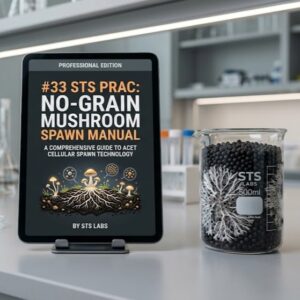
#33 STS Prac: No-Grain Mushroom Spawn Manual
Original price was: R750.R349Current price is: R349. Add to basket🪴Master acellular mushroom spawn.
🪴Eliminate the Sinden grain standard and Metabolic Cliff.
🪴Contamination-resistant acellular 3D matrix.
🪴High-torque Cation Exchange Capacity. -
STS
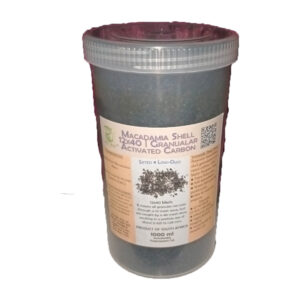
Macadamia Shell Granulated Activated Carbon | 1L Autoclavable Tub
Original price was: R200.R139Current price is: R139. Add to basket🛠️Mesh 12×40 macadamia activated biochar
🛠️Pre-packed in 1L autoclavable tub
🛠️Dual-pore network traps internal primers
🛠️Water filtration, odour removal, or horticultural use. -
STS

LAB-X: Food to Farm Master Culture Expansion Kit
Original price was: R320.R225Current price is: R225. Add to basket🧫 Complete 1L food-grade LAB expansion system
🧫 Self-buffering growth matrix for high CFU
🧫 Dual-use for culinary ferments & soil biology
🧫 Ionic stasis matrix for 24-month shelf life
Socratic Questions
- How to make medicinal mushroom jelly babies
- Extracting Reishi compounds with apple cider vinegar
- Functional food delivery systems for mushroom powder
- Health benefits of ACV and mushroom gummies
- Homemade medicinal extracts for long-term storage