Processing mushrooms into extracts or powders can increase the product’s shelf life from 7 days to 2 years
Summary
while concentrating bioactive compounds like beta-glucans and triterpenes. Combat the “short shelf life” trap by transforming 90% water-content mushrooms into high-value health products. This note discusses the economic and medicinal advantages of extracts, powders, and value-added fungal goods.
Table of Contents
- Introduction
- Understanding the Nutritional Boost of Mushroom-Enriched Foods
- The Role of Mushrooms in Sustainable Packaging Solutions
- The Rising Popularity of Mushroom-Based Skincare Products
- Innovative Mushroom Added Value Products in the Market Today
- Exploring the Health Benefits of Mushroom-Infused Products
- Conclusion
Introduction
When properly cultivated, mushrooms can offer an impressive and speedy yield. However, a significant drawback to these fungi is their notably short shelf life. In this blog, we delve into a quick brainstorming session about mushrooms and added value products. Our focus will be on methods to extend the lifespan of mushrooms and explore other potential applications. We aim to unlock the full potential of these often-overlooked crops, turning a common pitfall into a profitable venture. From culinary uses to medicinal applications, join us as we discover the diverse world of mushrooms.
Added Value Products for mushrooms refer to the innovative and diverse range of products derived from mushrooms that go beyond the traditional culinary use. These products, which include dietary supplements, cosmetics, and medicinal products, leverage the nutritional and medicinal properties of various mushroom species. They are designed to provide consumers with additional health benefits, such as boosting the immune system, improving skin health, and supporting overall wellness. The development and marketing of these products have significantly expanded the mushroom industry, creating new opportunities for growth and profitability.
Understanding the Nutritional Boost of Mushroom-Enriched Foods
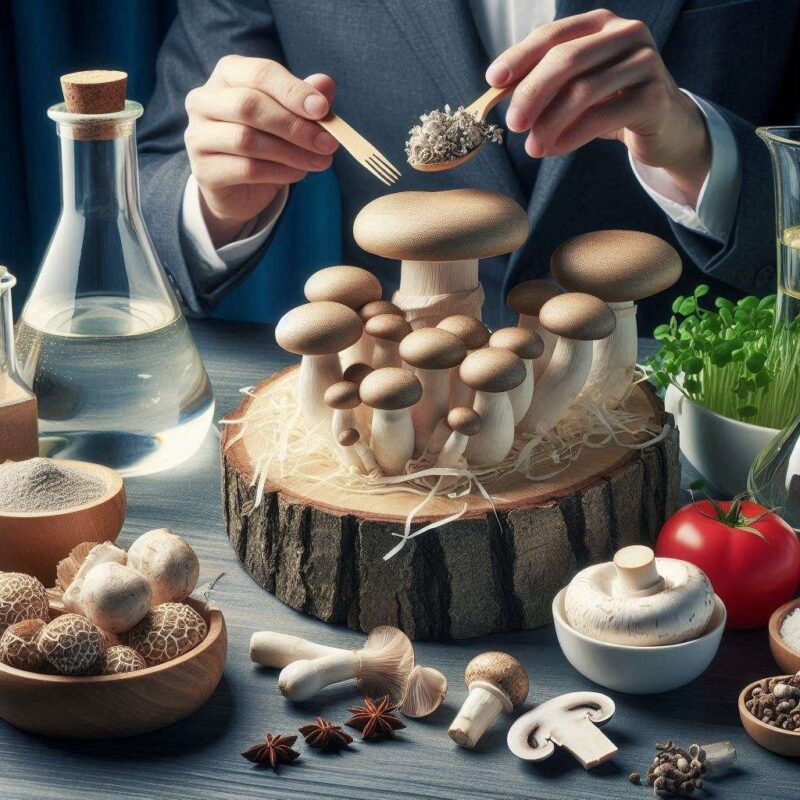
Mushrooms, a culinary delight enjoyed by many, are not only delicious but also packed with a plethora of nutrients. They are a rich source of vitamins, minerals, and antioxidants, making them an excellent addition to any diet. However, the potential of mushrooms extends far beyond their use as a simple food ingredient. The food industry has recognized the nutritional power of mushrooms and has begun to incorporate them into a variety of added value products, providing consumers with a convenient way to boost their nutrient intake.
Added value products are those that have been enhanced in some way to increase their worth. In the case of mushrooms, this enhancement often comes in the form of nutritional fortification. By incorporating mushrooms into everyday food items, manufacturers can increase the nutritional value of these products, making them healthier and more beneficial for consumers.
- Coffee: One of the most popular mushroom-enriched products on the market today is mushroom coffee. This innovative beverage combines traditional coffee beans with medicinal mushrooms like Lion’s Mane, Chaga, and Reishi. The result is a drink that not only provides the familiar caffeine kick but also offers a host of health benefits. These include improved cognitive function, enhanced immune response, and increased energy levels, thanks to the potent nutrients found in the mushrooms.
- Chocolate: Another mushroom-added value product gaining traction is mushroom-infused chocolate. This sweet treat is made by blending high-quality cocoa with powdered medicinal mushrooms. The result is a delicious and nutritious snack that delivers a powerful antioxidant punch. The mushrooms enhance the already substantial health benefits of dark chocolate, making it an even more appealing choice for health-conscious consumers.
- Pasta: Mushroom-enriched pasta is another product that is making waves in the food industry. By incorporating mushroom powder into the pasta dough, manufacturers can create a product that is not only rich in flavour but also packed with nutrients. This pasta is a great source of dietary fibre, vitamins, and minerals, making it a healthier alternative to traditional pasta.
The use of mushrooms in added value products is not limited to food items. They are also being incorporated into skincare products, thanks to their high antioxidant content. Mushroom-infused skincare products can help to protect the skin from damage, reduce signs of aging, and improve overall skin health.
The rise of mushroom-enriched products is a testament to the growing recognition of the nutritional power of mushrooms. These added value products provide a convenient and delicious way for consumers to boost their nutrient intake, promoting better health and wellbeing.
However, it’s important to note that while these products offer numerous benefits, they should not be used as a substitute for a balanced diet. They are intended to supplement a healthy eating plan, not replace it.
In conclusion, the incorporation of mushrooms into added value products is a promising development in the food industry. It allows consumers to enjoy the numerous health benefits of mushrooms in a convenient and enjoyable way. Whether it’s a cup of mushroom coffee in the morning, a serving of mushroom-enriched pasta for dinner, or a piece of mushroom-infused chocolate for dessert, these products offer a simple and tasty way to boost your nutrient intake and promote better health.
The Role of Mushrooms in Sustainable Packaging Solutions
Mushrooms, a staple in many cuisines worldwide, are not only known for their unique taste and nutritional benefits but are also increasingly recognized for their potential in creating sustainable packaging solutions.
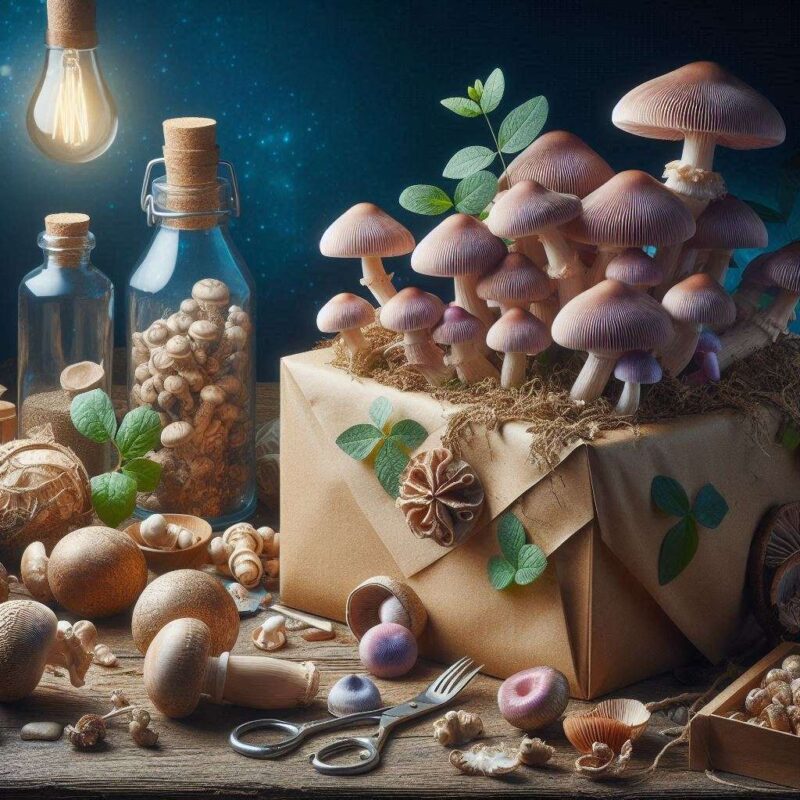
This innovative application of mushrooms, specifically their mycelium, the root-like fibres of fungi, is a testament to the versatility of this organism and its potential to revolutionize the packaging industry.
Mushrooms’ role in sustainable packaging solutions is primarily due to the unique properties of mycelium. Mycelium is a naturally occurring, renewable resource that can be grown in a controlled environment with minimal resources. It is biodegradable, compostable, and can be grown into a variety of shapes and sizes, making it an ideal material for packaging.
The process of creating mycelium-based packaging involves growing the mycelium in a mould of the desired shape. The mycelium is then allowed to grow and bind together, forming a solid, durable material. Once the growth process is complete, the mycelium is heat-treated to stop further growth, resulting in a final product that is lightweight, strong, and biodegradable.
The use of mycelium-based packaging offers several advantages over traditional packaging materials. First, it is a renewable resource, unlike petroleum-based plastics, which are finite and contribute to environmental pollution. Second, mycelium-based packaging is biodegradable and compostable, reducing waste in landfills. Third, the production process of mycelium-based packaging requires less energy and produces fewer greenhouse gases compared to traditional packaging materials.
Moreover, mycelium-based packaging can be grown to fit the exact shape and size of the product it is intended to protect, reducing the need for additional packing materials. This precision fit also provides superior protection for the product, reducing the risk of damage during transport.
The potential of mushrooms in sustainable packaging solutions has already been recognized by several companies. For instance, Ecovative Design, a New York-based biotechnology company, has developed a line of packaging products made from mycelium. These products, marketed under the brand name Mushroom Packaging, are used by several companies, including Dell and IKEA, as an alternative to traditional packaging materials.
However, despite the promising potential of mycelium-based packaging, there are still challenges to overcome. The production process is currently more time-consuming and costly than traditional methods.
Mycelium leather, also known as mushroom leather, is a sustainable alternative to traditional animal leather and synthetic leathers. It is created by growing mycelium on agricultural waste, which is then processed into a durable, flexible material. This can be considered an alternative to packaging and also being looked into companies like Evocative and MycoWorks.
Nevertheless, the potential benefits of mycelium-based packaging are significant. As awareness of the environmental impact of traditional packaging materials grows, so too does the demand for sustainable alternatives. With further research and development, mycelium-based packaging could become a mainstream solution, transforming the packaging industry and contributing to a more sustainable future.
I wanted to add a quick thought to our ongoing conversation about the durability of different mycelium types. While Reishi mycelium is often recognized for its strength, I’ve personally found that Splitgill mushroom mycelium actually outperforms it in this regard. Its toughness is so remarkable that it requires a brand-new scalpel just to cut it on Agar. Additionally, since the Splitgill is a global species, it may be easier to cultivate than other varieties. For anyone interested in particularly resilient mycelium, exploring the cultivation of Splitgill could be a great option.
In conclusion, mushrooms, specifically their mycelium, play a crucial role in sustainable packaging solutions. This innovative application of mushrooms adds value to this versatile organism, demonstrating its potential beyond the culinary world. As we continue to seek ways to reduce our environmental impact, the humble mushroom may just be the answer we’ve been looking for.
The Rising Popularity of Mushroom-Based Skincare Products
Mushrooms, a staple in many culinary dishes, have recently found a new home in the realm of skincare. The rising popularity of mushroom-based skincare products is a testament to the versatility and potential of these humble fungi. This surge in interest is not without reason, as mushrooms are packed with a plethora of nutrients and properties that can greatly benefit the skin.
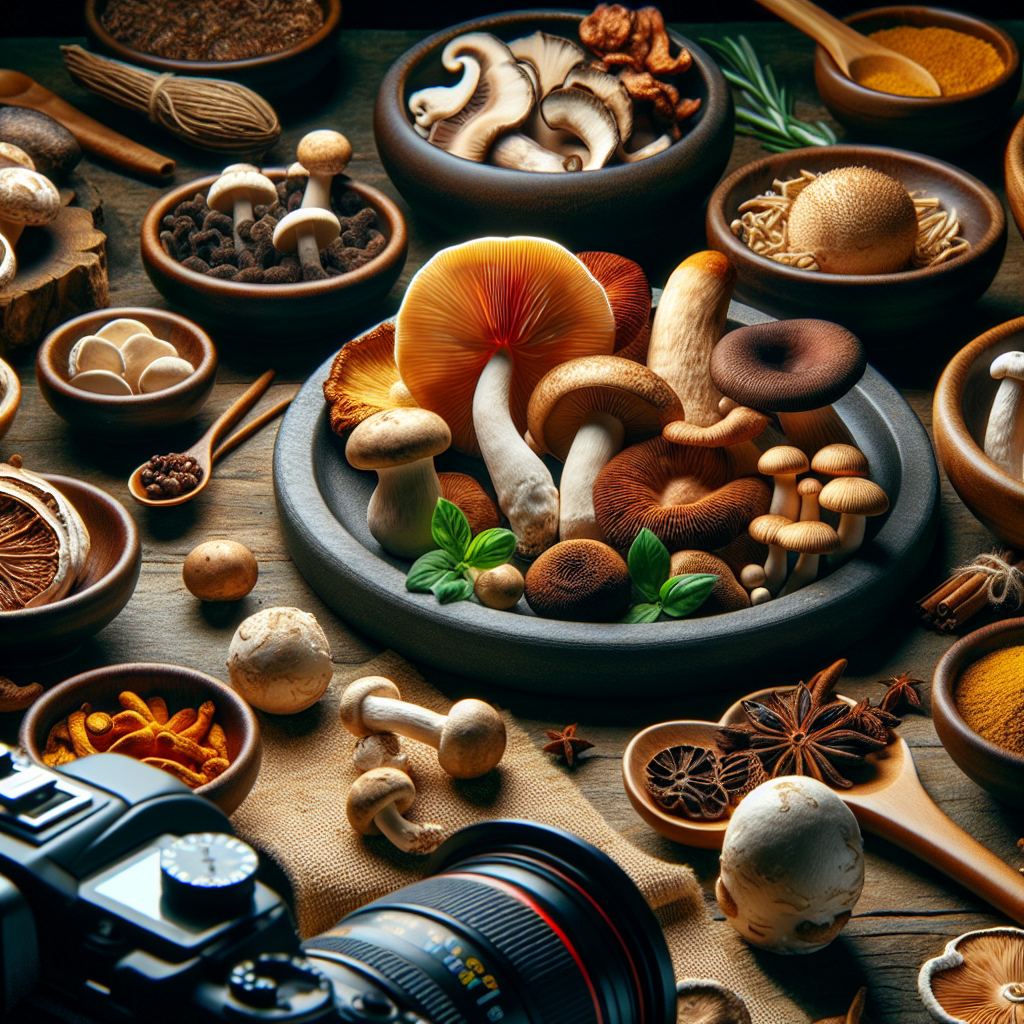
””’Mushrooms are rich in antioxidants, vitamins, and minerals, all of which are essential for maintaining healthy skin. They contain selenium, a powerful antioxidant that protects the skin from damage caused by environmental stressors such as pollution and UV rays. Additionally, mushrooms are a good source of vitamin D, which promotes skin cell growth and repair, thereby reducing the appearance of fine lines and wrinkles. Mushrooms are rich in antioxidants, vitamins, and minerals, all of which are essential for maintaining healthy skin. They contain selenium, a powerful antioxidant that protects the skin from damage caused by environmental stressors such as pollution and UV rays. Additionally, mushrooms are a good source of vitamin D, which promotes skin cell growth and repair, thereby reducing the appearance of fine lines and wrinkles.
Moreover, mushrooms have natural anti-inflammatory properties that can help soothe irritated skin. They are particularly beneficial for individuals with sensitive skin or conditions such as eczema and rosacea. The polysaccharides found in mushrooms also have hydrating properties, making them an excellent ingredient for moisturizing products.
The potential of mushrooms in skincare is not a recent discovery. Traditional Chinese medicine has long recognized the healing properties of mushrooms and incorporated them into various treatments. However, it is only in recent years that the Western beauty industry has begun to tap into this resource, resulting in an array of mushroom-infused products hitting the market.
One of the most popular mushroom varieties in skincare is the Reishi mushroom. Known as the “mushroom of immortality” in traditional Chinese medicine, Reishi is revered for its anti-aging properties. It is rich in beta-glucans, which help to maintain the skin’s moisture barrier, keeping it hydrated and plump. Reishi also has potent anti-inflammatory pro”””””””””perties that can help calm irritated skin.
Another popular variety is the Snow Mushroom, also known as Tremella fuciformis. This mushroom has been used in traditional Chinese medicine for centuries due to its ability to retain water, making it a natural hydrating agent. In skincare, Snow Mushroom extract is often used in serums and moisturizers for its ability to draw moisture to the skin and lock it in, providing long-lasting hydration.
The Shiitake mushroom is another variety that is gaining popularity in skincare. It is rich in kojic acid, a natural skin lightening agent that can help reduce the appearance of dark spots and hyperpigmentation. Shiitake mushrooms are also packed with antioxidants that protect the skin from environmental damage.
The rise in popularity of mushroom-based skincare products is a clear indication of the shift towards natural and sustainable beauty solutions. Consumers are becoming more conscious of the ingredients in their skincare products and are seeking out natural alternatives that are not only effective but also gentle on the skin and the environment.
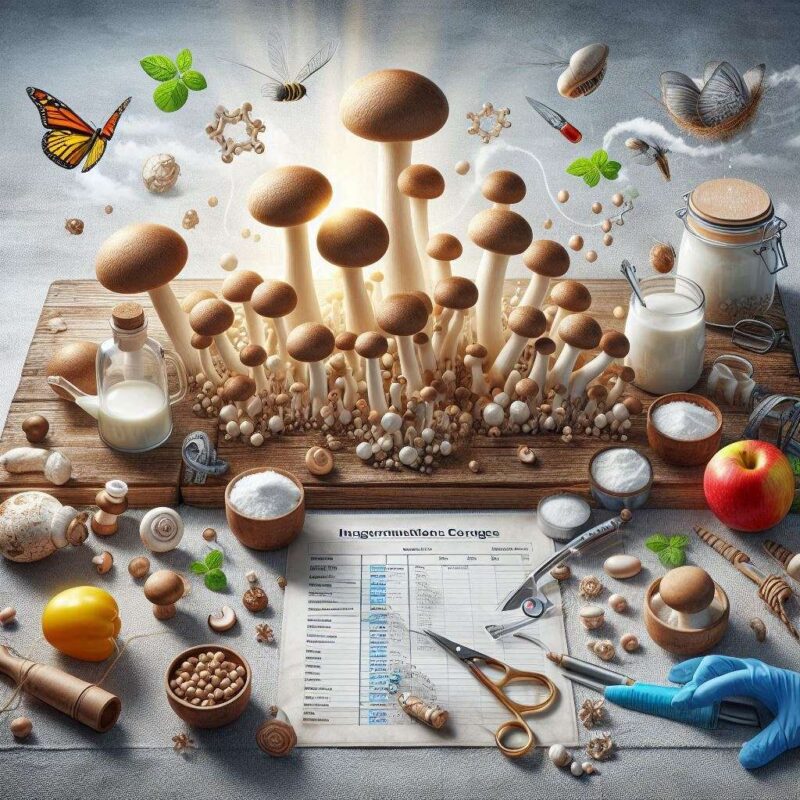
In conclusion, the humble mushroom, with its myriad of skin-benefiting properties, is proving to be a valuable addition to the skincare industry. As research continues to uncover the potential of different mushroom varieties, we can expect to see even more mushroom-based skincare products in the future. The rise of mushroom skincare is a testament to the power of nature and its ability to provide effective and sustainable beauty solutions.
Innovative Mushroom Added Value Products in the Market Today
Mushrooms, a culinary delight enjoyed by many, have been a staple in our diets for centuries. However, in recent years, the humble mushroom has been elevated beyond the kitchen, finding its way into a variety of innovative added value products. These products not only offer unique ways to enjoy mushrooms but also provide a host of health benefits, making them a popular choice among health-conscious consumers.
One of the most notable mushroom added value products in the market today is mushroom coffee. This innovative beverage combines traditional coffee with medicinal mushrooms like Lion’s Mane, Chaga, and Reishi. The result is a drink that not only provides the familiar caffeine kick but also offers a range of health benefits. These include improved focus and cognitive function, enhanced immune system, and stress reduction. The taste is surprisingly similar to regular coffee, making it an easy switch for coffee lovers looking for a healthier alternative.
Transitioning from beverages, another mushroom product that has gained significant attention is mushroom leather. This sustainable material is made from mycelium, the root structure of mushrooms. It is grown in a lab under controlled conditions and then harvested and processed to create a material that closely resembles animal leather. Mushroom leather is not only eco-friendly but also durable and flexible, making it an ideal alternative to traditional leather in the fashion industry.
In the realm of health and wellness, mushroom supplements have also seen a surge in popularity. These supplements, often in the form of capsules or powders, are made from medicinal mushrooms known for their health-boosting properties. They are used to support immune function, improve digestion, reduce stress, and promote overall wellness. The convenience of these supplements makes it easy for individuals to incorporate the benefits of mushrooms into their daily routine.
Moreover, the cosmetic industry has not been left behind in harnessing the benefits of mushrooms. Mushroom-infused skincare products are now a common sight on beauty shelves. These products leverage the high antioxidant content in mushrooms to protect the skin against damage from environmental stressors. Additionally, mushrooms’ anti-inflammatory properties help to soothe irritated skin, making these products a hit among individuals with sensitive skin.
In the food industry, mushroom jerky is a novel product that has been well-received, especially among vegetarians and vegans. This plant-based snack is made by marinating and dehydrating mushrooms to create a chewy, meat-like texture. It offers a healthier, sustainable alternative to traditional meat jerky, without compromising on taste.
Lastly, the construction industry is also exploring the use of mushrooms in creating eco-friendly building materials. Mycelium-based materials are being developed as alternatives to conventional insulation and packaging materials. These mushroom-based materials are not only biodegradable but also have excellent insulation properties, making them a promising solution for sustainable construction.
In conclusion, the versatility of mushrooms is truly remarkable. From beverages and food to fashion and construction, mushrooms are being used in innovative ways to create added value products that are not only beneficial to our health but also kind to our planet. As research continues to uncover the myriad benefits of mushrooms, we can expect to see even more mushroom-based innovations in the future.
Exploring the Health Benefits of Mushroom-Infused Products
Mushroom-infused products are becoming increasingly popular in the health and wellness industry due to their numerous health benefits. These products, which can include teas, coffees, supplements, and even skincare items, are rich in antioxidants, vitamins, and minerals. The consumption of mushroom-infused products can boost the immune system, improve cognitive function, and promote heart health. Certain types of mushrooms, like Lion’s Mane, also have neuroprotective properties which can enhance brain health. In skincare, mushrooms have been found to have anti-inflammatory and anti-aging properties. Thus, exploring the health benefits of mushroom-infused products can lead to improved overall health and wellbeing.
Mushrooms are a rich source of essential nutrients, including proteins, vitamins, minerals, and antioxidants. They also contain unique compounds such as beta-glucans, which have been linked to boosting the immune system, reducing inflammation, and improving heart health. By infusing these nutrients into everyday products, manufacturers are able to offer consumers a convenient way to incorporate the health benefits of mushrooms into their daily routines.
Furthermore, mushrooms are making their way into the supplement industry. Mushroom supplements, available in the form of capsules, powders, and tinctures, are designed to deliver a concentrated dose of the beneficial compounds found in mushrooms. These supplements are often used to support immune health, improve digestion, and promote stress relief. For instance, Cordyceps, a type of medicinal mushroom, is commonly used in supplements for its potential to increase energy and endurance.
However, while the health benefits of mushroom-infused products are promising, it’s important to note that more research is needed to fully understand their effects. As with any health product, it’s recommended to consult with a healthcare professional before incorporating mushroom-infused products into your routine.
Conclusion
The rise of mushroom-infused products represents a growing interest in natural and holistic approaches to health and wellness. From mushroom coffee to skincare products and supplements, these added value products offer a unique and convenient way to reap the potential health benefits of mushrooms. As research continues to uncover the myriad of health benefits associated with mushrooms, it’s likely that we will continue to see an expansion of mushroom-infused products in the market.
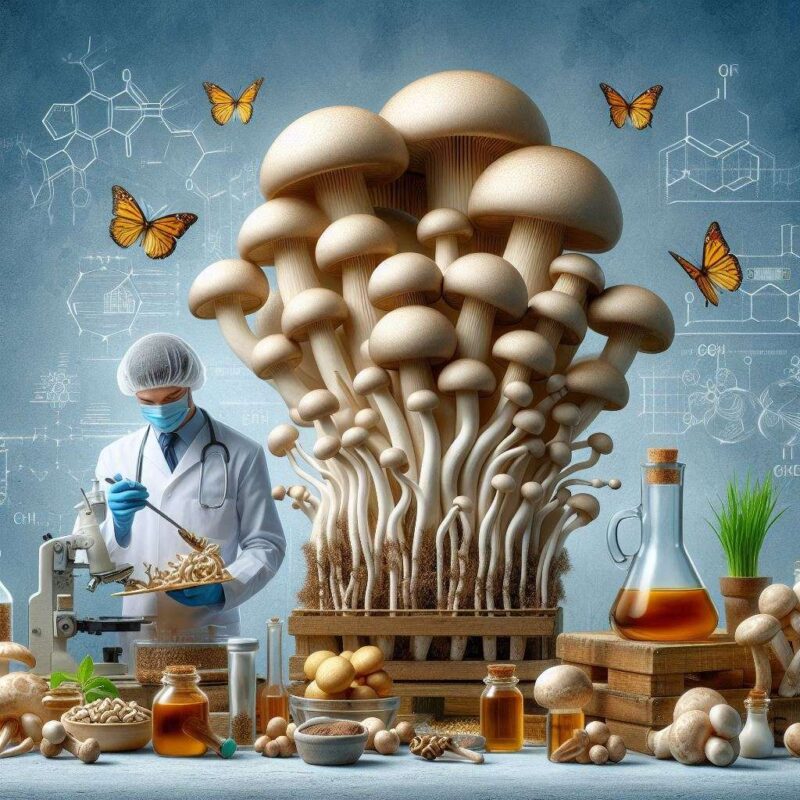
The value-added products discussed represent just a glimpse into the innovative work being conducted in the field of mycology. While these advancements may not always directly benefit urban farmers, a practical recommendation for them is to dry any excess mushroom harvests. When mushrooms are properly dried—especially under sunlight, which enhances their Vitamin D content—they can boast an impressively long shelf life, particularly when stored in airtight packaging. This drying process not only preserves the mushrooms but also serves as a crucial first step in creating a variety of value-added products, ranging from flavourful spices and nutritious pasta to medicinal tinctures. By embracing this technique, urban farmers can maximize their yield and explore new market opportunities.
In conclusion, added value products for mushrooms enhance the versatility and marketability of mushrooms. They provide an opportunity for businesses to diversify their product range, increase their revenue, and meet the evolving demands of consumers. These products, which may include mushroom-based supplements, food products, or cosmetic items, also allow consumers to enjoy the health benefits of mushrooms in various forms. Therefore, they play a significant role in promoting the growth of the mushroom industry.
-
STS
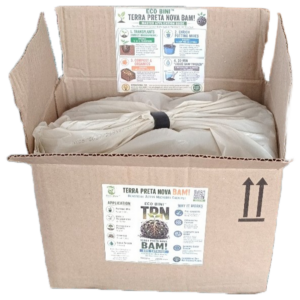
Eco Bini™ Terra Preta Nova BAM! Soil Catalyst | 5 Litre
Original price was: R340.R239Current price is: R239. Add to basket🛠️ Biologically pre-charged Terra Preta Nova Soil Catalyst
🛠️ Premium macadamia shell Granular Activated Carbon (GAC)
🛠️ Beneficial Active Microbes (BAM!)
🛠️ Zero nutrient lockout • Permanent microbial habitat • Ready to use -
STS

Eco Bini™ BioaKt Media/Substrate Conditioner | 2000 ml
Original price was: R195.R149Current price is: R149. Add to basket🏗 Bundu-Tek additive with kelp alginates – No autoclave needed.
🏗 Alkaline pH Pasteurizer
🏗 Self-sterilizing formula
🏗Boost yields and colonizing times -
STS
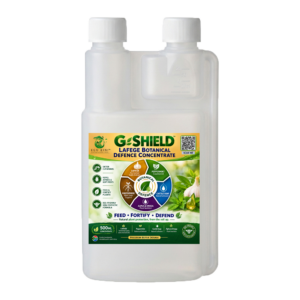
G-Shield — Cutworm, Aphid & Seedling Root Armor (500 mL)
Original price was: R280.R195Current price is: R195. Add to basket🧄 LAB-fermented garlic with SAC enrichment
🌿 Garlic & peppermint botanical defense
🛡 Soil-zone and foliar pest deterrent
🌱 Root-zone support for young plants -
STS
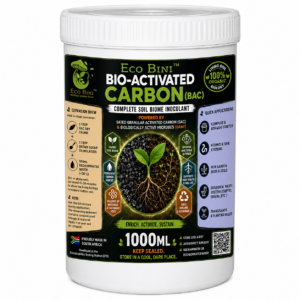
VermiCHAR BAC! Complete Soil Biome Inoculant
Original price was: R250.R165Current price is: R165. Add to basket🛠️Concentrated bio-activated carbon inoculant
🛠️Pre-sated macadamia GAC & 4-1-6 vermicast
🛠️Rapid liquid brew yields 100L+ probiotic
🛠️Restores active soil biology & compost heaps
Socratic Questions:
- How to increase the shelf life of gourmet mushrooms?
- Best added-value products for mushroom farmers?
- How to make mushroom powders and extracts?
- Economic benefits of processing medicinal mushrooms?
- Solving the mushroom perishability problem for small farms.