
Keep Your Genetics Alive: Simple, Stable Methods for Mushroom Cultures
Summary
Tired of your precious mushroom strains degrading? Learn low-tech, effective ways to preserve your cultures for months, even years. This guide covers agar slants, the Castellani method, and more, ensuring your genetics stay potent and viable.
Every cultivator knows the frustration. You get a fantastic mushroom strain, and it fruits like a dream. But over time, through repeated transfers, storage, and just the general march of time, something changes. The vigour seems to lessen. Fruiting becomes less reliable. The genetics, your hard-won prize, appear to be fading. This phenomenon, known as senescence, is the natural ageing process of fungal cultures. It’s not a disease; it’s biology. Without intervention, even the most robust strains can become weak and unproductive, forcing you to constantly seek out new cultures and start the selection process all over again. This makes consistent, high-quality cultivation a challenge and a constant battle against entropy.
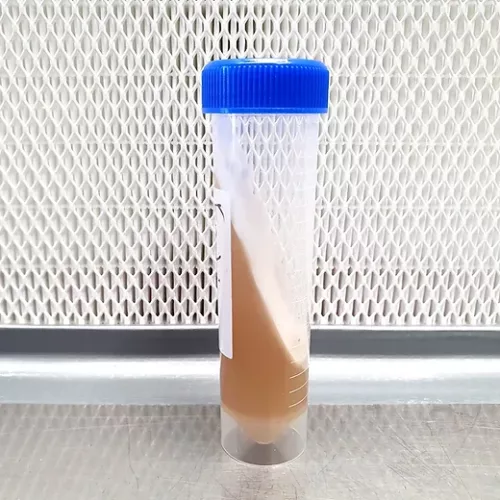
Biological Principle: Dormancy and Protective Isolation
The core principle behind effective culture preservation is to drastically slow down the metabolic rate of the mycelium. Mycelium, like all living organisms, consumes nutrients and expends energy. When these resources are abundant and conditions are ideal for growth, it thrives. However, this active growth also accelerates its life cycle and, consequently, its ageing.
To preserve a culture, we need to create an environment where the mycelium is not actively growing, but is instead in a state of suspended animation or extremely low metabolic activity. This is achieved by:
1. Nutrient Deprivation: Limiting the food source forces the mycelium to rely on its internal reserves, slowing down its consumption and reproduction.
2. Environmental Control: Keeping cultures at stable, often cooler temperatures (but not freezing, unless specifically for lyophilization) further reduces metabolic activity.
3. Sterility: Preventing contamination by bacteria, mould, or other fungi is paramount. A compromised culture isn’t just ageing; it’s being outcompeted and destroyed.
By mastering these principles, we can create “libraries” of our best genetics, ensuring they remain viable and potent for future use, saving time, money, and the frustration of starting from scratch.
Practical Application: Time-Tested Preservation Techniques
Fortunately, you don’t need a high-tech laboratory to effectively preserve mushroom cultures. Several practical, low-cost methods can be employed right in your own grow space. The key is consistency, sterility, and understanding the strengths of each method.
1. The Classic Agar Slant: A Stable Foundation
Agar slants are the workhorse of low-tech culture preservation. They offer a solid surface for mycelial growth and a contained, semi-stable environment.
How it Works:
We prepare sterile nutrient agar (commonly Malt-Yeast extract-Agar or MYA) and pour it into sterile test tubes or vials. Once the agar has solidified, we inoculate it with a small piece of healthy, vigorous mycelium. The magic happens as the mycelium colonizes the agar surface. Crucially, we then slant the tube while the agar is still molten or after it has cooled and been re-melted. This creates a larger surface area for the mycelium to spread across as it grows, and a smaller, more condensed area for storage. The reduced surface area exposed to air and the limited nutrients within the agar medium slow down growth and ageing significantly.
Procedure Essentials:
Sterile Technique: This cannot be stressed enough. Work in a still air box or a clean, draft-free area. Flame sterilize inoculation loops and tools.
Agar Medium: A balanced nutrient agar like MYA is ideal. It provides enough to sustain the mycelium without encouraging rapid, unsustainable growth.
Inoculation: Use a clean scalpel or loop to transfer a small, healthy piece of mycelium from a master culture.
Incubation: Allow the culture to fully colonize the agar surface at optimal growing temperatures.
Storage: Once colonized, tighten the caps of the vials or tubes to limit air exchange and store them in a cool, dark place. Refrigeration (around 4°C) can further extend viability, but ensure the vials are properly sealed to prevent condensation issues.
Pros: Relatively simple to prepare, good long-term viability (months to a year or more if stored correctly), allows for visual inspection of culture health.
Cons: Requires some sterile technique and basic labware (tubes/vials, agar).
For Slants MYA, or Malt – Yeast extract – Agar, is advised. This Yeast extract supplies essential nutrients such as B vitamins, amino acids, and trace minerals that the mycelium needs to stay healthy and vigorous over extended periods.
2. The Castellani Method: Distilled Water Suspension
This method, named after its proponent, is remarkably effective and uses incredibly simple materials: sterile distilled water. It leverages the principle of nutrient deprivation to its extreme.
How it Works:
A small, healthy piece of mycelium is transferred into a sterile vial containing sterile distilled water. Because there are no nutrients in the water, the mycelium cannot actively grow. Instead, it enters a state of dormancy, drastically slowing its metabolism and ageing. The mycelium essentially “waits” in the water.
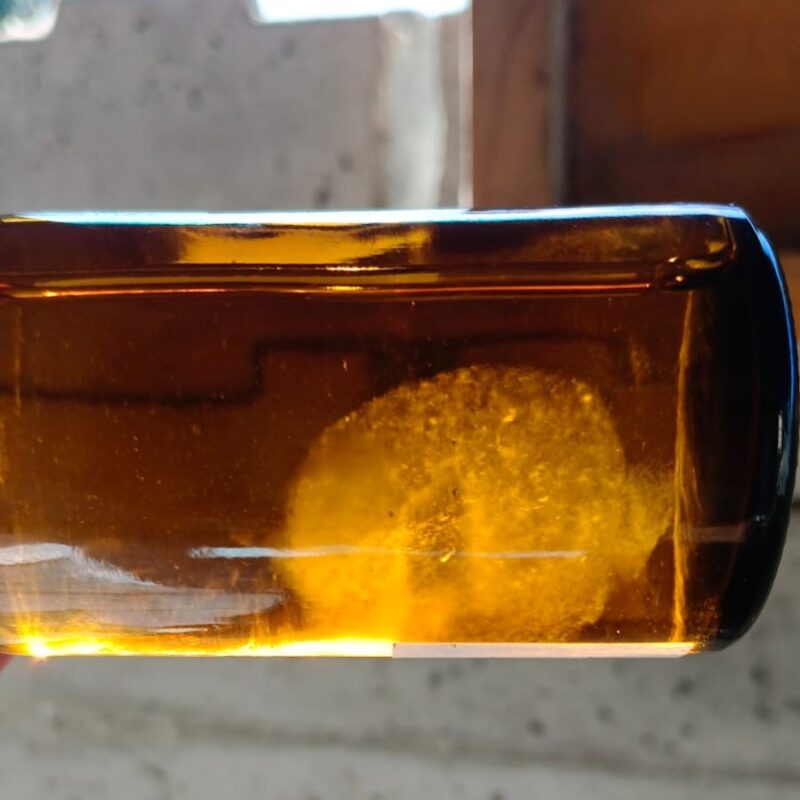
Procedure Essentials:
Sterile Distilled Water: Use high-quality distilled water and sterilize it yourself (autoclave or pressure cooker) or purchase pre-sterilized vials.
Healthy Inoculum: Select a vigorous, actively growing piece of mycelium. Avoid any showing signs of stress or contamination.
Vial Preparation: Use sterile vials or small jars with secure, airtight lids.
Inoculation: Gently transfer the mycelium into the water.
Storage: Store the vials at room temperature or, for even longer preservation, in the cupboard (or amber bottles). Ensure the lids are tightly sealed to prevent evaporation.
Reviving the Culture:
To bring the culture back, simply take a small piece of the dormant mycelium from the water and inoculate it onto fresh agar. It may take a little longer to show initial growth compared to a fresh culture, but it should recover its vigour.
Pros: Extremely simple, requires minimal equipment, excellent for long-term preservation (can last years), significantly reduces strain senescence.
Cons: Requires careful selection of healthy inoculum, no visual confirmation of growth until revival, potential for slight stress on the mycelium if stored for excessively long periods without revival. Needs to be put to Agar first.
We have taken the Castellani method and modified it slightly [Bundu Castellani] to be able to store as per Castellani, but with a quick shake it converts to a Liquid Inoculant, allowing storage for 5 years plus.
3. Sawdust Spawn: A More Robust Storage Medium
Sawdust spawn offers a more robust medium for preservation, particularly if you’re already working with it for cultivation. It provides a larger mass of mycelium and substrate to draw upon.
How it Works:
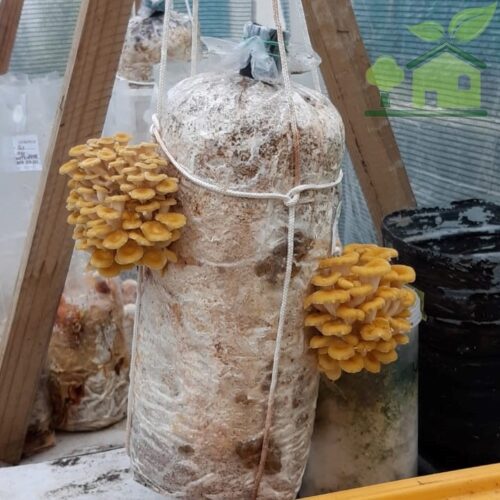
Healthy, fully colonized sawdust spawn is sealed in sterile bags or containers. The large surface area and the substrate provide nutrients, but when stored in a cool, environment (climate controlled fridge), the metabolic rate slows considerably.
Procedure Essentials:
Healthy Spawn: Ensure the sawdust spawn is fully colonized and free from contamination.
Sterile Packaging: Use high-quality spawn bags with filter patches or sterile containers with tight-fitting lids.
Cool Storage: Store in a refrigerator or a cool, dark room.
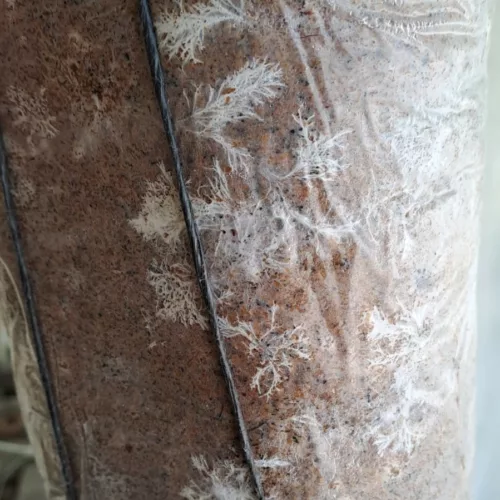
Pros: Utilizes a common cultivation medium, can store a larger quantity of genetics, relatively straightforward.
Cons: Can be more prone to contamination if not sealed properly, viability might be shorter than agar slants or Castellani method without periodic revival.
4. Dry Spore Prints
Principle: Fungal spores are naturally resilient structures evolved for survival, including desiccation. Drying significantly reduces water activity, halting metabolic processes.
Application: A mature mushroom cap is placed gill-side down on sterile aluminum foil, glass, or paper. A drop of water on the cap may enhance spore release. After spores shed (typically 2-24 hours), the print is air-dried for a few hours, sealed/closed, and then carefully stored in an airtight container (e.g., a sealed envelope or vial) in a cool, dark, dry location. Preservation at 4°C can further extend viability.
Engineering Note: Spore prints preserve the genetic potential of a species but are a “lucky packet” for reviving a specific strain. Revival requires germination and subsequent mating, which can lead to recombination and not necessarily the exact parental clone. Unlike vegetative mycelium, spores are naturally adapted for long-term survival through desiccation.
5. Other Preservation Techniques:
5.1 Cryopreservation
Cryopreservation is considered the “gold standard” for long-term fungal preservation, but it comes at a corresponding cost. Cryogenic systems use protective carriers such as glycerine to reduce ice-crystal formation that can damage mycelial cells, with temperatures reaching approximately −192°C in liquid-nitrogen systems. This is very different from a conventional deep freezer, which typically operates around −30°C.
Although refrigeration is sometimes suggested as a simple preservation method, STS does not recommend household refrigeration for long-term culture storage because temperature cycling is a major concern. Domestic refrigerators can fluctuate considerably, particularly older units, potentially cycling from near-freezing temperatures to 10°C or higher. Repeated thermal cycling can place considerable stress on mycelium and may ultimately be more damaging than storage on agar.
5.2 Lyophilization
Lyophilization, or freeze-drying, preserves cultures by freezing the biological material and then removing water under vacuum. The technique is widely used for preserving spore-forming fungi, where spores generally tolerate the process well. Applying lyophilization to living mycelium is considerably more complex, particularly with non-sporulating strains, because the drying process can damage viable mycelial tissue. For this reason, while freeze-drying is an established preservation technology, it is not a straightforward substitute for Castellani-style liquid preservation when the objective is maintaining viable mycelial cultures.
6. STS Notes:
The Seal: Your Primary Defense: For methods involving liquid or semi-solid matrices (water, agar, oil), the seal on the storage vessel is paramount. It prevents desiccation and contamination. A poor seal means the entire preservation effort is likely to fail over time.
Environmental Stability Over Active Control: Low-tek preservation leverages passive storage conditions. Finding a cool, dark, and vibration-free location is essential. Active temperature control, like refrigeration, is not always necessary and can sometimes be detrimental (e.g., freeze-thaw cycles can damage cells if not controlled).
Sterility Remains Non-Negotiable: While these methods are robust, they are not foolproof against contamination if not initiated with sterile materials and techniques. The preservation medium should not support contaminant growth; it should be inert or nutrient-limited.
Vegetative Mycelium vs. Spores: It’s vital to distinguish between preserving vegetative mycelium (which aims to maintain the exact genetic line) and preserving spores (which is a form of long-term survival that involves germination and potential mating). Spore preservation is akin to a “genetic backup” that requires a new growth cycle to re-establish the exact strain.
Conclusion
Preserving your mushroom cultures isn’t just about saving a strain; it’s about building a reliable archive of your best genetic lines. By understanding the principles of slowing down metabolic activity and implementing these low-tech methods – agar slants, the Castellani method, sawdust spawn, or carefully managed liquid cultures – you can ensure that your most prized genetics remain potent and viable for years to come. The key is meticulous sterile technique, consistent application of the chosen method, and regular, albeit infrequent, revival and re-propagation of your cultures to maintain their vigour. Think of it as tending a valuable garden; you need to prune and protect to ensure future growth.
Socratic Questiosn
- What are the signs my mushroom culture is ageing or senescing?
- How long can I realistically expect a culture to last using the Castellani method?
- What is the best way to revive a culture stored in distilled water?
- Can I use regular tap water for the Castellani method, or does it have to be distilled?
- What are the risks of refrigerating agar slants, and how can I prevent issues?
Great information!!