Dual Pasteurisation. Exact Hydration. Maximum Biological Efficiency.
Summary
Bundu Tek combines conventional hot pasteurisation, alkaline cold pasteurisation and exact-hydration substrate preparation into a single repeatable process for producing high-performance mushroom substrates with minimal contamination risk.
Introduction to Bundu Tek
Developed here at the Sustainability Testing Station (STS), Bundu Tek replaces the traditional soak-and-drain approach with calculated water addition, ensuring every substrate reaches its target moisture content without guesswork or nutrient loss. The result is a cleaner, more repeatable cultivation method requiring only simple equipment—a bucket, kettle and scale.
At the heart of the system is BioaKt, an engineered media conditioner developed specifically for exact-hydration cultivation. By combining alkaline pasteurization, pH buffering and nutritional supplementation in a single dry formulation, BioaKt prepares processed substrates such as pine pellets and coco coir for reliable gourmet mushroom cultivation without pressure sterilization.
Whether producing Oyster mushrooms on straw pellets or Lion’s Mane on pine pellets, Bundu Tek provides a practical, repeatable substrate preparation system built around sound engineering principles rather than expensive equipment.
1. What is Bundu Tek?
Bundu Tek is an exact-hydration substrate preparation system developed for gourmet mushroom cultivation using simple equipment.
Unlike traditional bucket techniques that rely on soaking substrates in excess water before draining, Bundu Tek calculates the exact quantity of water required to achieve the desired substrate moisture content. This water is combined with BioaKt during preparation, allowing pasteurization, pH conditioning and nutritional supplementation to occur simultaneously.
The system was developed to produce consistent, repeatable substrates while eliminating unnecessary handling, reducing contamination risk and avoiding the nutrient losses associated with conventional soak-and-drain methods.
Pasteurizing your substrate is a crucial step in mushroom cultivation as it aids in eliminating harmful microbes that can hinder the growth of your mushrooms. The process, however, preserves the substrate’s natural “selectivity”, maintaining the beneficial microorganisms that support mushroom growth.
2. Why Choose Bundu Tek?
Bundu Tek offers several practical advantages over conventional substrate preparation methods.
- Dual hot and cold pasteurisation in a single process.
- Exact hydration with no draining or guesswork.
- Consistent substrate moisture throughout every batch.
- Reduced contamination pressure.
- Compatible with readily available processed substrates including pine pellets and coco coir.
- No pressure cooker or autoclave required.
- Easily scaled from hobby production to commercial batches.
Rather than relying on specialised equipment, Bundu Tek focuses on controlling the preparation process itself.
3. Dual Pasteurization — The Bundu Tek Process
The foundation of Bundu Tek is the combination of two complementary pasteurisation methods.
Hot Pasteurisation
Boiling water provides the initial thermal pasteurization, rapidly reducing the microbial population while simultaneously hydrating the processed substrate.
Cold Pasteurisation
As the substrate cools, calcium hydroxide supplied by BioaKt dissolves into the retained moisture, maintaining an alkaline environment that continues suppressing many competing organisms during the conditioning period.
Together these two stages provide sequential thermal and alkaline pasteurization without requiring pressure sterilization.
4. BioaKt — Engineered for Exact Hydration
BioaKt was developed specifically for the Bundu Tek process.
Because Bundu Tek retains all of the hydration water within the substrate, every ingredient added during preparation remains available throughout the conditioning process.
The formulation combines four primary components:
- Calcium Hydroxide for alkaline pasteurisation and pH buffering.
- Corn Starch as a carbohydrate supplement.
- Gypsum as a source of calcium and sulphur.
- Fine Ground Kelp providing natural micronutrients and alginates.
Unlike conventional supplementation using bran or soy hulls, BioaKt integrates substrate conditioning and nutritional supplementation into a single engineered formulation designed for exact-hydration cultivation.
BioaKt also reacts with unwanted substrate components like tannins in pine to form insoluble Calcium Tannate – a fungal nutrient.
5. Exact Hydration — The No-Drain Protocol
Traditional bucket methods immerse substrates in excess water before draining to approximate field capacity. While simple, this approach produces variable moisture contents and discards dissolved minerals with the waste water.
Bundu Tek instead calculates the precise quantity of water required to achieve the desired substrate moisture content.
Advantages include:
- Consistent substrate hydration.
- No nutrient loss through draining.
- Reduced handling.
- Lower risk of over-saturated anaerobic zones.
- Repeatable preparation from batch to batch.
Typical target moisture contents are 2–5% below maximum field capacity, providing sufficient air space for rapid mycelial colonisation, and minimizing anaerobic conditions.
| Substrate | Target Moisture | BioaKt Application Rate | Notes |
|---|---|---|---|
| Straw Pellets | 67% | 1% (10g per 1kg dry) | Most common |
| Hardwood Fuel Pellets | 60% | 1% (10g per 1kg dry) | Very forgiving |
| Pine / Softwood Pellets | 63% | 5% (50g per 1kg dry) | For Lion’s Mane etc. |
| Compressed Coco Coir | 78% | 3% (30g per 1kg dry) | CVG style mixes |
Step-by-Step Bundu Tek Protocol (STS Method)
At the STS we primarily use recycled food-grade buckets for small-scale testing and production. If using normal 20 L buckets, we recommend starting with only 1 kg of dry substrate. Note that 1 kg of compressed coco coir can expand up to nearly 15 litres when hydrated – always leave sufficient headspace for mixing.
- Weigh your dry substrate (straw pellets, pine pellets, hardwood pellets, coco coir, etc.).
- Mix in BioaKt at the recommended rate (see table in Section 5).
- Calculate and add the exact amount of boiling water according to the target moisture level. Pour the boiling water directly into the bucket with the dry mix.
- Immediately close and seal the bucket lid tightly. Do not mix at this stage. The bucket will be under positive pressure from steam — opening it now can cause hot liquid to spray out.
- Allow the bucket to sit undisturbed for approximately 2 hours. This allows the initial high heat to do its pasteurization work and for pressure to normalise.
- After 2 hours, roll the bucket end-over-end 2–3 times to distribute any remaining dry pockets and ensure even hydration.
- Leave the bucket sealed overnight (18–24 hours). This allows full cold pasteurization, pH stabilisation, and alginate release from the kelp in BioaKt.
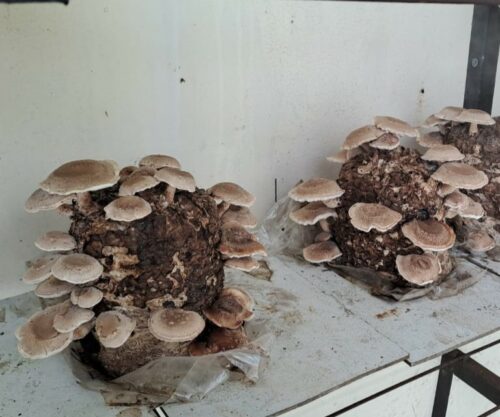
Mix the spawn in bucket and bag the inoculated substrate. Once the substrate is fully colonised (turned white), move it to fruiting conditions appropriate for the species.
6. STS Trial Results
The Bundu Tek system has been evaluated extensively at the Sustainability Testing Station using a variety of gourmet mushroom species and substrate formulations.
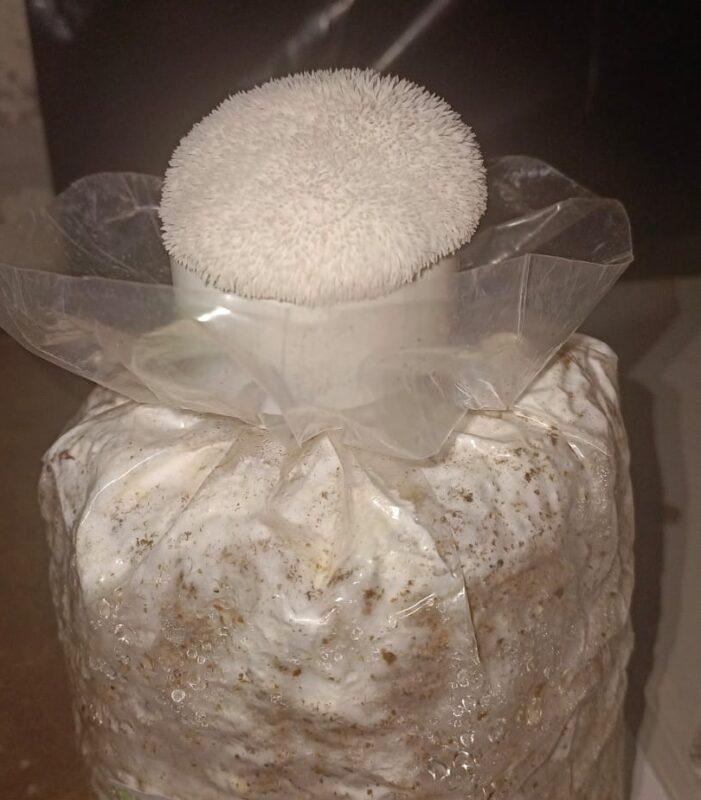
Highlights include:
- Average Biological Efficiency of 135.82% in White Oyster trials.
- Successful cultivation of Lion’s Mane on 100% South African Pine Pellets.
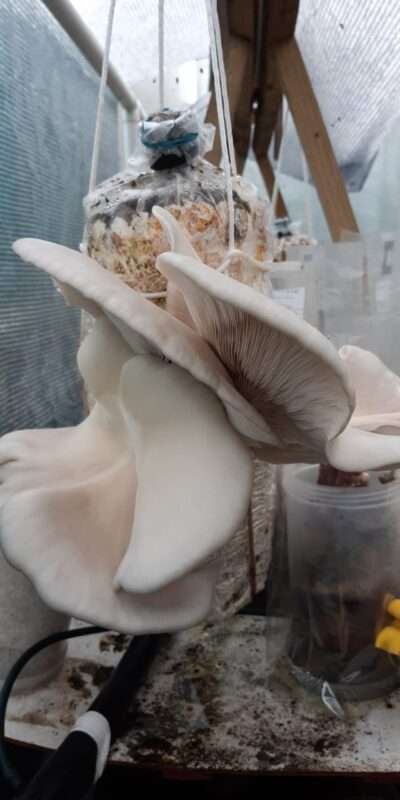
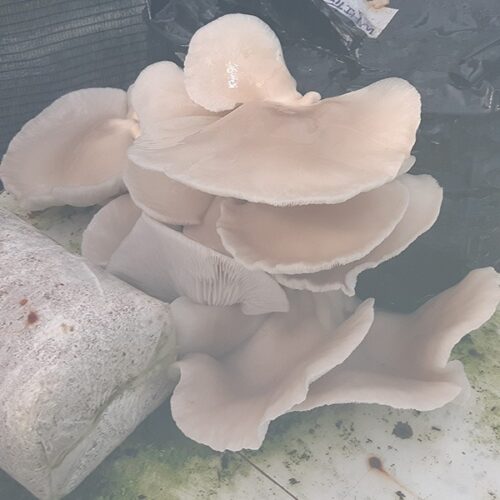
- Record White Oyster fruit bodies produced using engineered pine pellet substrates.
The complete trial data during the development of the Bundu Tek cultivation system can be found in the BioaKt listing.
7. Understanding Substrate Selectivity
Successful mushroom cultivation depends upon creating conditions that favour mushroom mycelium while making life more difficult for competing organisms.
Bundu Tek achieves this through the combined effects of:
- Dual pasteurisation.
- Controlled substrate moisture.
- pH conditioning.
- Engineered nutritional supplementation.
Rather than attempting complete sterilisation, the objective is to prepare a substrate that strongly favours rapid colonisation by healthy gourmet mushroom mycelium.

This concept of Substrate Selectivity was the direct precursor to our later Paradigm Shift #3: Selective Nutrition.
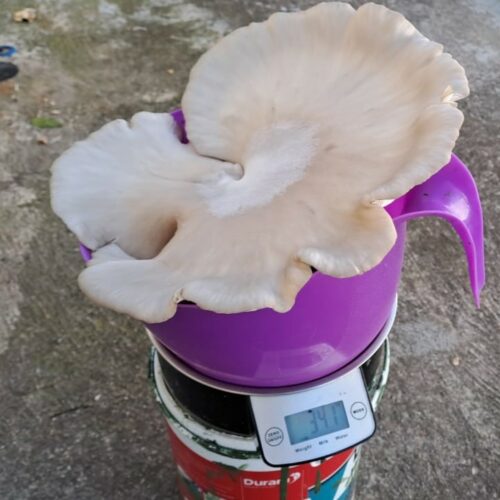
As proof of concept, we cultivated Oyster mushrooms on a high-nitrogen “Master’s Mix Equivalent” substrate (1.2% N) using Bokashi SSF (anaerobic Solid-State Fermentation) together with Bundu Tek and BioaKt. This produced a 341 gram single White Oyster fruit body — a 30% increase over our previous straw record (see image).
This paradigm shift has since enabled advanced techniques such as Alginate spawn and true synthetic spawn, while continuing to strengthen low-tek cultivation methods.
8. Tips for Success & Common Pitfalls
Conventional gourmet mushroom cultivation is a very strict science where substrates are fully sterilized and even a single contaminant can destroy an entire batch (as seen with the infamous Trichoderma harzianum outbreaks in commercial button mushroom farms spanning from Ireland to the USA and back in the 80’s).
At the STS, we have focused on practical cultivation methods that work in harmony with nature rather than fighting it. Here are the most important lessons we’ve learned:
- Weigh all ingredients accurately.
- Calculate hydration water rather than estimating.
- Mix BioaKt thoroughly throughout the substrate.
- Allow the substrate to complete its conditioning period before inoculation.
- Avoid excessive moisture, which may reduce aeration and slow colonisation.
- Store BioaKt in a cool, dry location with the container tightly sealed.
Wrapping Up
Bundu Tek proves that high yields and low contamination are possible without expensive equipment or full sterilization. By combining precise hydration, alkaline selectivity, and BioaKt, you can achieve excellent gourmet mushroom results using simple, accessible methods.
This technique remains one of the most practical and effective entry points into mushroom cultivation in South Africa. More importantly, it served as the critical foundation for our later development of Selective Nutrition systems.
Mush Love… and Stay Safe!
-
STS
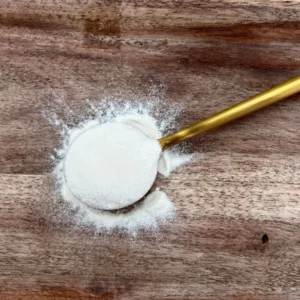
XA-Gel | Molecular Synergism & Organic Hydrogel | 60g
Original price was: R395.R195Current price is: R195. Add to basket🧫 Xanthan adds elasticity and moisture retention.
🧫 XA-Gel: Xanthan-Agar Premix for Molecular Mycology.
🧫 Optimize your agar with ” Rhizo-Glide ” synergy.
🧫 Prevents desiccation and creates shake-to-activate slants. -
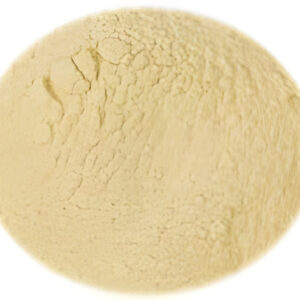
Extra Light Malt Extract (LME) 250g | Mycology Grade
R75 Add to basket🧫250g Extra Light Malt Extract (LME)
🧫 Low Precipitate spray-dried LME.
🧫 Prepares mycelium for grain transition (No-Lag.)
🧫 Resealable metallic clear stand-up pouch -
STS
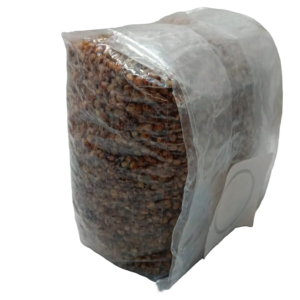
Sterilized Sorghum Grain in Spawn Bag with SHIP | 0.2µm Filter
Price range: R195 through R595 Select options This product has multiple variants. The options may be chosen on the product page🌾 1 kg Optimally Hydrated and Sterilized Red Sorghum
💉 Self-Healing Injection Port (SHIP) with 0.2 µm PTFE Filter
🧪 Batch Sterilized and 7-Day STS Quarantine Tested
🍄 Multi-Inoculant Ready – Liquid Culture, Spores, Castellani, Agar or G2G. -
STS
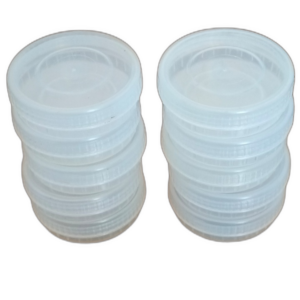
73mm Durable Autoclavable Petri Dishes for Lab Use
Price range: R26 through R198 Select options This product has multiple variants. The options may be chosen on the product page🧫 73mm screw-top Polypropylene Petri Dish.
🧫 Autoclavable and resists breakage.
🧫 Deep 20mm profile holds 3x more agar.
🧫 Screw Lid for easy access.
ocratic Questions:
- How to grow gourmet mushrooms without sterilization?
- What are the principles of Selective Nutrition in mycology?
- How does BioaKt prevent mushroom substrate contamination?
- Low-cost Oyster mushroom cultivation methods South Africa?
- Can I grow Reishi and Lion’s Mane using Bundu Tek?