Unlock endless liquid fertility! Brew “GAC Biochar Worm Tea” with a reusable microbial engine for superior plant biology.
Summary
Discover how blending 5% Granular Activated Carbon (GAC) into your vermicompost brewing sock creates a perennial microbial engine. This Lab Note details the mechanics of brewing Aerated Compost Tea (ACT), explaining GAC’s role in protecting the soil biome in stasis between brews. Learn simple recharge techniques and vital considerations for consistent, high-potency liquid fertiliser, making truly sustainable plant nutrition a reality
Inefficient, Single-Use, and Vulnerable Compost Tea Brewing
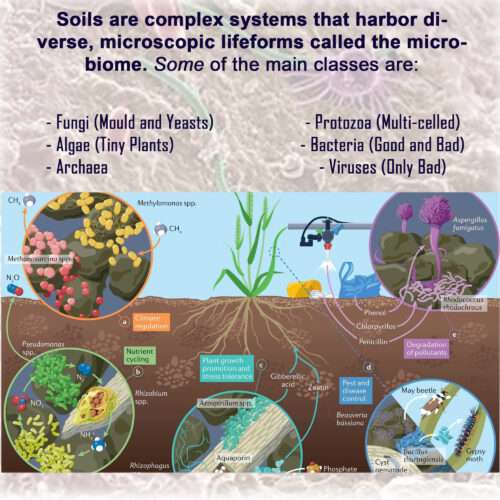
Applying solid worm castings directly to your garden beds provides excellent long-term fertility. However, rapidly inoculating a large cultivation footprint demands a liquid biological multiplier. What if we could make an inoculant from the Worm Tea? This is Aerated Worm Tea (AWT).
The goal of brewing tea is not to dissolve nutrients, but to breed a living army of microbes to protect root zones and boost plant natural resilience. In the brewing of the worm tea we keep the broth aerated for 72 hours then remove and dispose of the contents – add back to the worm bin – or garden.
Traditional methods of brewing Aerated Compost Tea (ACT) often fall short of their full potential, presenting several key problems for the aspiring biological farmer:1. Single-Use Waste: Standard compost tea setups typically involve dumping raw vermicompost into a mesh bag, brewing once, and then discarding the muddy residue. This is inefficient, generates waste, and means discarding valuable biological material after a single cycle.
2. Loss of Fungal Strains: Beneficial, long-strand soil fungi do not thrive when violently agitated in water without stable surfaces. In single-use bags, these critical fungal components are often washed out or fail to establish properly.
3. Vulnerability to Power Outages: Brewing ACT requires non-stop aeration to maintain a healthy aerobic microbial population. In regions prone to grid instability or load-shedding, power drops (even for short periods) can quickly lead to an anaerobic shift. This “Red Tide” failure mode kills beneficial aerobic microbes and allows destructive anaerobic pathogens to take over, rendering the brew toxic to plants.
4. Inconsistent Results & Mess: Without a stable “mother culture” and with fine particulates from raw vermicompost, brews can be inconsistent, and the process can be messy, leaving unwanted residues.
5. Reliance on External Inputs: The need to constantly replace brewing material and the risk of failed batches can lead to a continued reliance on expensive, single-use commercial biological inputs.
These challenges undermine the promise of compost tea as a powerful, sustainable biological tool, leading to wasted resources and missed opportunities to truly harness the power of a resilient, living soil biome.
GAC Biochar as a Perennial Microbial Sanctuary
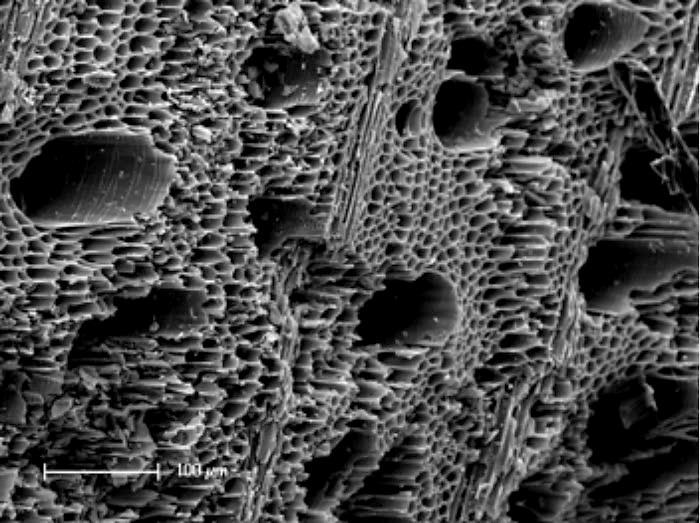
The STS “GAC Biochar Worm Tea” method revolutionises compost tea brewing by transforming a single-use process into a perennial, resilient, and self-sustaining biological engine. This core principle leverages the unique properties of Granular Activated Carbon (GAC) – specifically, filtered Macadamia biochar – to create a permanent, protective sanctuary for the essential soil microbiome.
Here’s how this advanced approach works:
1. GAC as a “Mother Culture” Fortress: Unlike raw biochar, the filtered Macadamia GAC we use is less messy and free of fine particulates. Its hyper-porous internal micro-structure acts as a permanent, protective shield for the full soil biome. While billions of active bacteria replicate and flush out into the water column during brewing, the core fungal strains and dormant microbial communities anchor themselves securely inside the GAC pores. This GAC-infused sock becomes a “Mother Culture” fortress.
2. Non-Stop Aeration for Aerobic Health: The goal of brewing tea is to breed a living army of aerobic bacteria, fungi, and protozoa. This demands continuous, high-output aeration throughout the entire brew cycle. Our Fermentation Aerator (2.5W, 40h backup, NRV) ensures the water remains completely saturated with dissolved oxygen. This active aeration prevents the dreaded “Red Tide” anaerobic shift, where beneficial microbes die off and destructive pathogens take over, producing phytotoxic compounds.
3. Stasis and Recharge (Terra Preta Principle): After a brew cycle, the GAC within the sock plays a critical role in preserving the “Mother Culture.” When the sock is removed from the water and hung to dry, the GAC protects the soil biome, allowing it to enter a state of stasis. This prevents the microbial community from dying off. For the next brew, only a small amount of fresh vermicompost (e.g., 5% by volume) is needed to “recharge” the GAC-fortified sock, waking up the dormant, protected microbes and triggering a rapid new bloom. This continuous reuse and minimal re-inoculation embody the ancient Terra Preta methodology, building a highly predictable, reusable microbial factory.
4. Microbial Multiplication: By providing optimal oxygenation and a simple carbohydrate source, the GAC-protected microbes multiply exponentially in the liquid carrier. This allows a small amount of solid vermicompost (e.g., 1 Litre) to be effectively multiplied into a biological inoculum capable of treating up to 100 square meters of soil surface, vastly outperforming direct application.
This system is rooted in ancient Terra Preta methodology—the 7,000-year-old bioactive soil technology that was only fully analysed by modern science at the turn of the 21st century (Glaser and Lehmann, 2001-2003). By integrating GAC, we create a resilient, reusable, and highly effective liquid biological multiplier, empowering growers with consistent, living fertility.
Brewing and Maintaining Your GAC Biochar Worm Tea
Setting up and operating your GAC Biochar Worm Tea system is straightforward, focusing on precision, aeration, and leveraging the reusable nature of the GAC-infused sock. Basic materials are:
Brewing Container: A 20-liter bucket or similar container.
Aeration System: A high-output air pump (like our Fermentation Aerator (2.5W, 40h backup, NRV)) and a wide air stone. The battery backup is critical for load-shedding resilience.
Mesh Brewing Sock: A durable nylon mesh sock.
Vermicompost: Fresh, high-quality vermicompost.
Granular Activated Carbon (GAC): Filtered Macadamia biochar GAC (e.g., mesh 12×40 GAC).
We now stock this inoculant as Biologically Active Carbon (BAC).
Microbial Food Source: Unsulphured blackstrap molasses (for balanced fungal/bacterial tea) or standard brown sugar (for high-bacteria dominant tea).
Dechlorinated Water: Municipal tap water, dechlorinated.
Step-by-Step Brewing Sequence:
1. Dechlorinate Water: Fill your 20-liter bucket with tap water. Run your air pump and air stone for 4 to 6 hours (or overnight) to completely off-gas municipal chlorine and chloramines. This is crucial to protect your mother culture.
2. Prepare the Perennial Sock (Initial Pack):
- First Brew: Fill your nylon mesh sock with approximately 900ml of fresh vermicompost and 100ml (5% by volume) of GAC (or use our Biologically Active Carbon (BAC)). This initial blend establishes your permanent microbial engine.
- Subsequent Brews (Recharge): For subsequent brews, simply take your previously used, damp GAC-infused sock. Add just 5% of its volume in fresh organics, like kelp – or quality compost (e.g., 1-2 tablespoons) to “feed” the embedded mother culture.
3. Add Microbial Food: Stir in your chosen carbon source into the dechlorinated water:
- Balanced Fungal/Bacterial Tea: 1 tablespoon of unsulphured blackstrap molasses per 20 liters of water.
- High-Bacteria Dominant Tea: 3 tablespoons of standard brown sugar per 20 liters of water.
4. Submerge & Aerate: Submerge the packed mesh sock directly over the air stone in the brewing bucket. Ensure the air stone is positioned directly underneath for optimal bubbling.
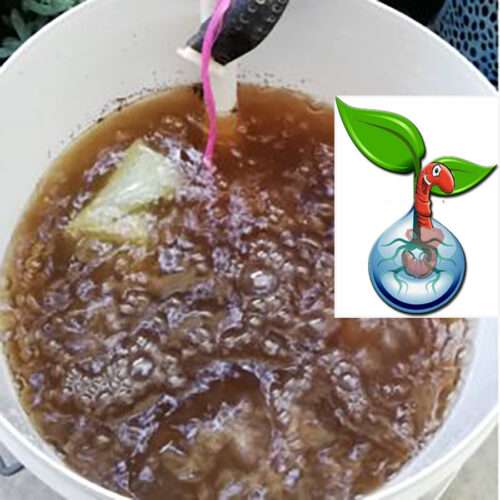
5. Brew Cycle: Leave the system bubbling continuously for 24 to 72 hours. Watch for a rich, thick foam layer building on the surface – this indicates a healthy microbial bloom.
6. Remove & Store Sock: After the brew cycle, pull the sock out, and let it hang up to drain under shade between brews. If not brewing more the store in a breathable tub like our 1000ml Screw-tub. The GAC will protect the soil biome in stasis until your next brew.
7. Keep aerated: Dilute your fresh “liquid gold” typically 1:5 with dechlorinated water and apply immediately as a root drench or a morning foliar spray. Keep the air pump on [can set now to pulse mode] to keep the AWT from going anaerobic, the microbes will go into stasis as food in consumed in bucket.
4. Application Rates

In AWT we not actually looking for nutrients, but more to inoculate the worm bio-engineered soil biome to soil. A fully developed, 72-hour brown-sugar brew will hit a highly concentrated Electrical Conductivity (EC) reading of roughly 3000 μS/cm due to the dense concentration of dissolved organics and organic acids.
Removing the worm tea bag, does not stop process, and findings are that the EC can raise up to 6000-7000 μS/cm in two weeks if left under aeration.
This is concentrated nutrients, to use it safely without causing nutrient root burn, follow these simple field dilution guidelines:
| Target Growth Stage | Mixing Dilution Ratio | Operational Rationale |
| Seedlings & Sprouts | 1:10 to 1:15 | Provides a gentle dusting of beneficial microbes and natural growth hormones to drive early root branching without stress. |
| Vegging Plants / General Care | 1:5 | A robust drench that floods the root zone with active biology to shield against opportunistic root pathogens. |
| Adult Leafy Greens | 1:2 | Drives heavy vegetative performance and noticeably expands leaf surface areas. |
| Fruiting Crops (Tomatoes/Peppers) | Use As Is (1:1) | Max Flush strength. Delivers massive biological support to handle heavy crop demands. (Bonus: This heavy biological flush helps strip away the synthetic “chemical” taste found in standard hydroponic fruit). |
STS Tips for a Successful Brew:
Aeration is Non-Negotiable: A healthy brew smells like sweet, rich, damp forest soil. An anaerobic failure smells like rotten eggs, sewage, or vinegar. Never put a foul-smelling brew on your plants; the anaerobic alcohols and phytotoxins will severely stress or kill your root networks.
Load-Shedding Resilience: Utilise a small 2.5W backup aerator running on a standard 18650 Lithium-ion battery loop (Fermentation Aerator (2.5W, 40h backup, NRV)). This acts as genetic insurance for your biology during sudden blackouts.
GAC Reduces Mess: The use of GAC significantly reduces fine particulates, resulting in a cleaner brew and less muddy residue.
Your Perennial Biological Factory for Living Soil
You don’t need to rely on expensive, single-use commercial biological inputs to build a living soil network. The STS “GAC Biochar Worm Tea” method empowers you to brew your own high-potency, reusable microbial inoculant, transforming your approach to plant nutrition and soil health. By understanding how to stabilise your water columns with oxygen, and by leveraging GAC as a physical structural bunker for your microbial “Mother Culture,” you create a highly predictable, self-sustaining biological factory right on your back porch.
This system is a powerful demonstration of the Terra Preta principle in action. The GAC not only protects and nurtures the microbial community during brewing but also preserves it in stasis between cycles, allowing for simple “recharge” with minimal fresh vermicompost. This drastically reduces waste, ensures consistent biological quality, and provides unmatched resilience against environmental challenges like power outages.
By adopting the GAC Biochar Worm Tea method, you gain:
- Sustainable & Reusable Inputs: Eliminate single-use waste and constantly replenish your biological assets.
- Resilient Microbial Populations: GAC protects your “Mother Culture,” ensuring consistent quality and rapid activation.
- Load-Shedding Proof Brewing: Essential aeration is maintained even during power outages, preventing brew failure.
- Enhanced Plant Health & Yields: Flood root zones with active biology, boosting plant immunity, nutrient cycling, Brix levels, and pest resistance.
- Cost-Effectiveness: Dramatically extend the life of your vermicompost and reduce reliance on purchased inoculants.
- Terra Preta Integration: Spent GAC becomes a premium, biologically charged soil amendment.
The GAC Biochar Worm Tea system is more than just a brewing technique; it’s a commitment to living, regenerative agriculture. It’s about empowering growers with local, living biological intelligence, turning waste into wealth, and building truly resilient, fertile ecosystems.
-

4mm Heavy-Duty 7-Core Lashing Cord (Per Meter)
R9 Add to basket🪱Heavy-Duty 7-Strand Core Lashing Cord
🪱Resistant to moisture, UV rays, and friction
🪱4mm Diameter & Heavy-Duty Wear
🪱Sold per Meter -
STS
 📜Reference
VermiLIN – Living Vermicast Soil Biome Microbial Concentrate 500ml
Original price was: R250.R169Current price is: R169. Read more🌱 Stabilized Living Vermicast Biology
🌱 Ionic Osmosis Extended Shelf Stability
🌱 Built-In Bettix Chamber For Dosing
🌱 Powers Living Soil & Biochar Charge -
STS
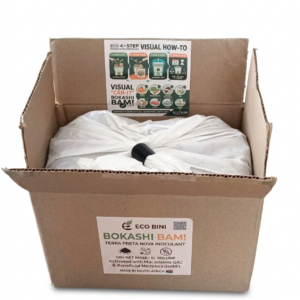
Eco Bini™ Bokashi BAM! | Premium Bokashi Bin Inoculant (2kg)
Original price was: R279.R195Current price is: R195. Add to basket🪱 Premium Bokashi Inoculant for Kitchen Waste Fermentation
🪱 Produces Homemade Bokashi Bran & Organic Fermentation Mixes
🪱 Beneficial Active Microbes (BAM!) with Activated Carbon
🪱 Ferment Food Waste • Feed Worms • Build Living Soil -
STS

Master Culture Expansion Kit | Lactic Acid Bacteria Starter
Original price was: R320.R225Current price is: R225. Add to basket🧫 Expand 50 cc LAB-X into 1 litre
🧫 Food-grade LAB expansion system
🧫 Self-buffering calcium-lactate fermentation
🧫 CalMag Ionic Lock for cupboard stasis
Socratic Questions
1. How does Granular Activated Carbon (GAC) create a “Mother Culture” for reusable worm tea brewing?
2. What specific steps prevent “Red Tide” and ensure aerobic conditions in GAC Biochar Worm Tea?
3. How does the “recharge” method with GAC Biochar Worm Tea exemplify the Terra Preta principle?
4. What are the key differences in mixing and application rates for GAC Biochar Worm Tea across plant growth stages?
5. How does GAC protect the soil biome in stasis when the brewing sock is dried between uses?