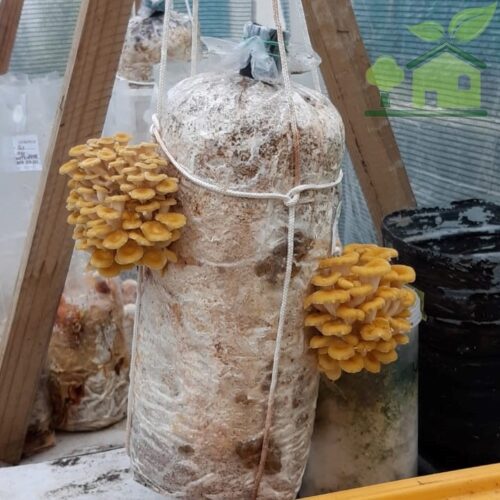
Secure your genetics for years, bypass contamination, and accelerate colonization with advanced alginate encapsulation.
Summary
This protocol offers a clean, grain-free method for mushroom cultivation, transforming liquid inoculants into robust, storable “Black Pearls.” Learn to create these contamination-resistant mycelial beads for efficient, long-term genetic preservation and direct substrate inoculation.
The Grain Spawn Challenge: Why Traditional Methods Fall Short
For many mushroom cultivators, grain spawn — typically rye, millet, sorghum, or wheat — is the go-to method for expanding mycelium. It’s often cheap, readily available, and colonizes quickly. However, even experienced growers inevitably encounter inherent weaknesses that can lead to frustrating losses:
Bacterial Endospores: A Hidden Threat. Grains are seeds, designed by nature to endure harsh conditions. Deep within their cores, heat-resistant bacterial spores (especially Bacillus species) lie dormant as natural bio-protectants. While autoclaves operating at 15 PSI can sterilize the surface and hydrated outer shell of the grain, the dense, aerated, starchy center often shields these endospores from reaching full sterilization temperatures. It’s a ticking time bomb: when the mycelium finally penetrates these deeper layers, typically around the 2–3 month mark, it releases these dormant contaminants into a perfect growth environment – high moisture, abundant nutrients, and low oxygen, with no competition. This is the “metabolic cliff” where spawn rapidly sours, turns wet, or crashes completely. This inherent vulnerability limits most grain spawn to a practical shelf life of only 2–3 months in refrigeration.

Physical Limitations: Clumping and Hot Spots. Grains are rich in starch and gluten. As mycelium colonizes, it generates metabolic heat, and moisture can migrate, causing grains to sweat and glue together into intractable clumps. In larger spawn bags, this can create dangerously hot pockets that literally cook the mycelium in the center before it can fully colonize the substrate. This not only wastes inoculant but can also introduce secondary contaminants.
Inoculation Inefficiency. Mycelium primarily colonizes the surface of each grain kernel. When grain spawn is shaken or mixed into a bulk substrate, the number of active growth points relative to the total volume can be surprisingly low. This can lead to slower colonization times and uneven substrate integration, leaving more opportunities for contamination to take hold.
These persistent problems force cultivators into a high-risk, time-consuming cycle: prepare grain spawn, wait anxiously, hope it avoids contamination, transfer to substrate, and then pray for a successful outcome. Many a batch has been lost to endospore awakenings or the dreaded “wet spot,” often just when the spawn is most needed.
Alginate Spawn: A Clean, Protected Alternative
Alginate spawn offers a revolutionary, clean alternative to traditional grain-based methods. Instead of relying on grain, mycelium is encapsulated within small, gelled beads. These beads are formed from sodium alginate, a natural polysaccharide derived from seaweed. When a sodium alginate solution containing mycelium is exposed to a calcium salt solution, a rapid gelling process occurs, forming stable, porous spheres. These spheres effectively protect the encapsulated mycelium, allow for essential oxygen and nutrient diffusion, and, critically, completely eliminate the problem of bacterial endospores inherent in grain.
The concept of alginate encapsulation has been explored in research since the 1980s, primarily for biocontrol fungi but also showing promise for edible mushrooms. However, commercial adoption for mushroom spawn has been limited. Early protocols often suffered from inconsistencies: variable success rates (sometimes as low as 50%), slow colonization, fragile beads, and a lack of clear, low-cost pathways for reliable production. Consequently, the method largely remained confined to research laboratories.
However, modern advancements in alginate spawn techniques have re-engineered this process for greater reliability, optimized nutrition, and extended storage potential. These innovations enable cultivators to bypass the problematic grain phase entirely, moving directly from a liquid culture to bulk substrate with enhanced confidence and control.
General Alginate Spawn Methods (Research Sources)
1. Yoav Bashan: The “Genesis” paper for the modern synthetic inoculant movement is Yoav Bashan’s 1986 research, “Alginate Beads as Synthetic Inoculant Carriers for Slow Release of Bacteria That Affect Plant Growth,” that shifted the paradigm from using messy, inconsistent organic materials (like peat) to engineered, controlled delivery systems. Bashan introduced the idea of a synthetic bead (made of sodium alginate and skim milk) that acts as a protected internal reservoir.
2. Ortiz, Colavolpe, and Albertó: While Bashan proved it for bacteria, Ortiz, et al. proved that Liquid Mycelium could be “packaged” into a professional, standardized synthetic delivery system in their paper: “Artificial spawn generation based on alginate encapsulated mycelium as inoculum for mushroom cultivation.” Ortiz et al. (2017) demonstrated that alginate beads could replace grain, but highlighted a major hurdle: Emergence—a hurdle that can be cleared through selective nutrition and gentler calcium salts.
A. Yoav Bashan
The “Genesis” paper for the modern synthetic inoculant movement is Yoav Bashan’s 1986 research, “Alginate Beads as Synthetic Inoculant Carriers for Slow Release of Bacteria That Affect Plant Growth,” that shifted the paradigm from using messy, inconsistent organic materials (like peat) to engineered, controlled delivery systems.
Bashan introduced the idea of a synthetic bead (made of sodium alginate and skim milk) that acts as a protected internal reservoir.

Eco Bini™ VermiLIN | Defy Senescence & Stabilize Your Cultures
Stop losing genetics to senescence! This proprietary 500ml concentrate extends the lifespan of liquid cultures and slants. Provides a mineral foundation that supports fungi without feeding contaminants – for Media use at 30 ml/litre.
“Waste to wonder: Cracking the Selective Nutrient Codex!”
2. Ortiz, Colavolpe, and Albertó
While Bashan proved it for bacteria, Ortiz, et al proved that Liquid Mycelium could be “packaged” into a professional, standardized synthetic delivery system in their paper: “Artificial spawn generation based on alginate encapsulated mycelium as inoculum for mushroom cultivation.”
Ortiz et al. (2017) demonstrated that alginate beads could replace grain, but highlighted a major hurdle: Emergence—only a 50% emergence of 2 cultivars (50%).
Preta Pearls: Molecular Engine White Paper
The Future of Universal Bio-Inoculation. White Paper to make Preta Pearls: alginate spherification + activated carbon scaffold. Bypass grain spawn. Perfect for mushrooms, soil biology & bio-inoculants.
“LC to Substrate: Bypassing problematic Grain Spawn”
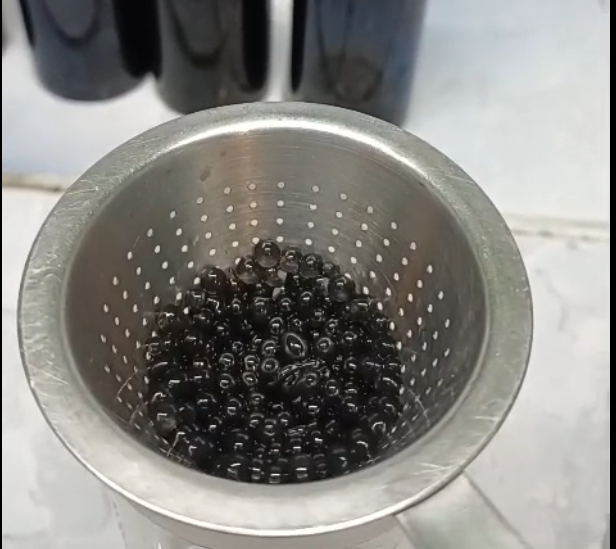
The Black Pearl Methodology (Advanced Alginate Spawn)
The Black Pearl Protocol represents a refinement of alginate spawn technology, addressing the inconsistencies and limitations of earlier methods. Key innovations include:
Optimized Calcium Source: Traditional protocols often relied on calcium chloride (Ortiz used 5.5% CaCl₂), which can be astringent and potentially inhibitory to mycelial growth, with literature suggesting a concentration limit of approximately 0.15%. This advanced protocol utilizes calcium lactate, a food-grade and significantly gentler calcium salt that promotes healthier mycelial development and bead integrity.
Simplified Application: The process is designed to minimize the need for specialized lab equipment. By using sterilizable bottles with septums, direct suction with syringes, and reusable baths, the encapsulation can be performed effectively in a standard urban farm environment, though a Still Air Box (SAB) or flow hood is always recommended for optimal sterility.
Activated Carbon for Enhanced Structure: Drawing inspiration from Terra Preta soil principles, activated carbon is integrated into the alginate mixture. This creates a robust 3D carbon framework within the pearl, which not only enhances the structural integrity of the bead but also improves oxygen diffusion and provides additional sites for nutrient anchoring, supporting vigorous mycelial growth.
Rapid Mycelial Emergence: Through these optimized formulations, visible mycelial growth from the alginate beads can be observed in as little as 4 days, significantly faster than many traditional or earlier alginate methods.
Direct Spherification: This protocol employs direct spherification, where the alginate-mycelium mixture is dropped into a calcium bath, forming beads instantly upon contact. This is a straightforward and effective method for creating consistent pearls.
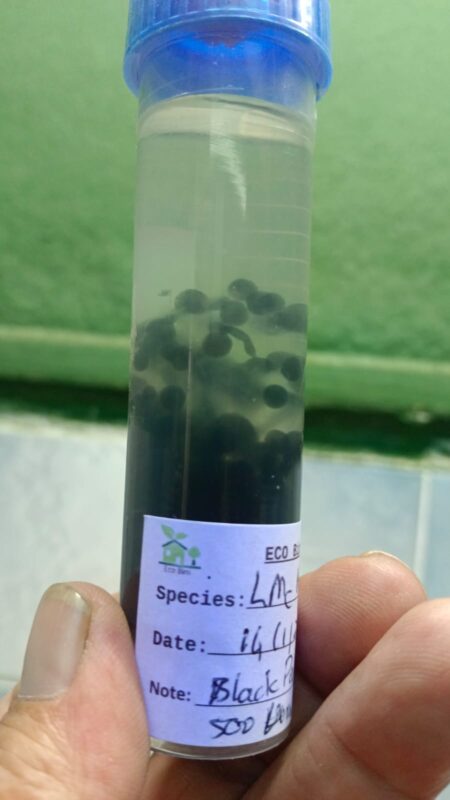
Selective Nutrition: The inclusion of specific essential minerals or nutrient-rich extracts in the calcium bath provides “selective” nutrition. This targeted approach significantly boosts mycelial vigor and accelerates emergence, leading to faster colonization of substrates.
Generic Black Pearl Alginate Spawn Recipe & Method
This method focuses on creating robust, viable alginate pearls for your living liquid inoculant.
1. Prepare the Alginate Master Solution:
2% Sodium Alginate: Dissolve 2 grams of sodium alginate in 100 ml of distilled water. Mix thoroughly until fully dissolved. Sodium alginate, derived from brown seaweed, forms a gel in the presence of divalent cations like calcium.
0.3% Activated Carbon: Add 0.3 grams of powdered activated carbon to the alginate solution. This provides a structural framework and aids in nutrient exchange.
Sterilize: Autoclave or pressure cook the alginate master solution at 15 PSI for 20-30 minutes and allow it to cool completely.
2. Prepare the Calcium Lactate Bath:
0.5% Calcium Lactate Solution: Dissolve 5 grams of calcium lactate in 1000 ml of distilled water. Calcium lactate is preferred over calcium chloride due to its gentler nature and beneficial effects on mycelial growth.
Optional Essential Minerals / Nutrient Enrichment: For enhanced vigor and selective nutrition, consider adding:
- Essential Minerals: A blend of Monopotassium Phosphate (0.1% MKP) and Epsom Salts (0.05% Magnesium Sulfate) can provide crucial phosphorus, potassium, magnesium, and sulfur. Magnesium is a key component for enzyme function, and sulfur is vital for amino acid synthesis.
- Nutrient-rich extract: A small amount of a sterile vermicompost extract, such as VermiLIN (40ml/L), can be added to the calcium bath. This provides a spectrum of beneficial compounds and selective nutrition to the emerging mycelium.
- Optional selection, not both.
Sterilize: Autoclave or pressure cook the calcium lactate bath at 15 PSI for 20-30 minutes and allow it to cool.
3. Encapsulation Process:
In a sterile environment (e.g., a still air box or flow hood), ensure all your materials are cool and sterile.
Mix Inoculant: Using a sterile 20ml syringe, withdraw 10cc of the cooled alginate master solution. Then, withdraw 10cc of your living liquid inoculant (LI) into the same syringe. Swirl gently to mix the alginate and LI thoroughly.
Bead Formation (Reverse Spherification): Slowly drip the mixed alginate-LI solution from the syringe into the prepared calcium lactate bath. As the drops hit the calcium solution, they will instantly form gelled beads, encapsulating the mycelium. The size of the beads can be controlled by the speed and height of the drip.
Cure: Allow the beads to cure in the calcium bath for about 10 minutes to ensure they are firm and stable.
Rinse: Gently transfer the beads to a sterile distilled water rinse to remove excess calcium solution.
The Castellani Vault (Long-Term Stasis)
For cultivators seeking robust, long-term genetic preservation, the Castellani Method provides an excellent solution. This technique involves submerging the finished alginate pearls in sterile distilled water (0.0 EC). This creates a nutrient-zero, low-oxygen environment that significantly slows down the mycelium’s metabolic activity, effectively inducing a state of stasis or dormancy. This process helps to maintain the genetic vigor of the culture for extended periods.
While scientific literature suggests that cultures preserved via the Castellani method can remain viable for over 20 years, our STS Lab has personally verified that alginate pearls stored in simple sterile distilled water for 5 years can regenerate with the same vigor as a freshly prepared culture.
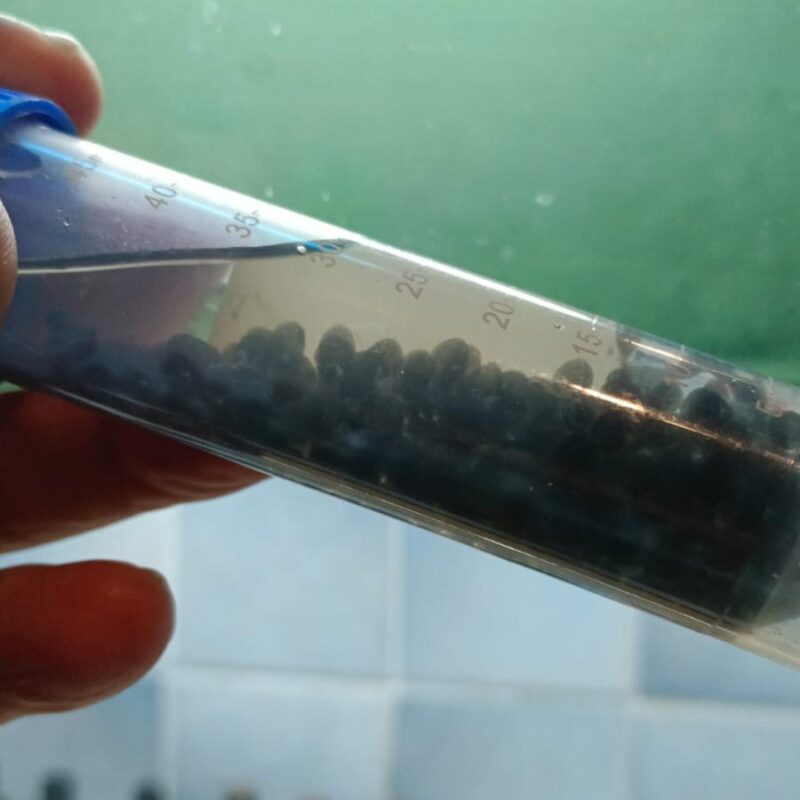
Uses of Alginate Spawn
Alginate spawn (mycelium encapsulated in calcium-crosslinked alginate beads) serves as a versatile, grain-free inoculum for mushroom cultivation and beyond. Primary uses include:
Direct substrate inoculation: Drop beads straight into pasteurized or supplemented substrates (sawdust, straw, coco coir, nutrient-enriched mixes, etc.) for faster, cleaner colonization. No need to wait for full spawn jars/bags; visible growth often starts in 4–7 days.
Long-term Castellani storage & revival: Store beads in osmotic stasis (e.g., distilled water or nutrient-zero solutions, potentially with added trace minerals) for months to years with minimal metabolic activity. Then, “wake” them for fresh deployment—ideal for preserving rare strains, medicinal cultures, or seasonal grows without excessive fridge space or repeated transfers.
Scalable & low-contamination propagation: Great for urban/small-scale farms, labs, or experiments where grain spawn risks (endospores, clumping, metabolic cliffs) are a headache. Beads protect the mycelium while allowing oxygen/nutrient diffusion, and offer a direct LC to substrate inoculation method.
Broader bio-applications: Encapsulate other microbes (e.g., Trichoderma for biocontrol, EM cultures, worm tea bacteria) in similar beads for slow-release soil amendments, mimicking Terra Preta-style microbial reefs with activated carbon frameworks.
Solving the Hurdles: The Advanced Alginate Solution
The advanced alginate encapsulation methods, encapsulated within the Black Pearl Protocol, re-engineer the process for practical, reliable use by directly addressing the limitations of earlier research and traditional grain spawn
- Gentler Chemistry: The switch to food-grade calcium lactate effectively eliminates the astringent effects of calcium chloride, promoting healthier mycelium and more robust bead formation.
- Structural Enhancement: The integration of activated carbon provides a stable 3D microbial framework, enhancing bead structure, improving oxygen access, and anchoring nutrients for vigorous growth.
- Targeted Nutrition: The strategic addition of selective nutrition (via essential minerals or nutrient-rich extracts like VermiLIN) to the calcium bath significantly accelerates mycelial emergence and boosts overall vigor, leading to rapid visible growth.
- Proven Preservation: The implementation of the Castellani method for stasis ensures extended viability, with multi-year shelf life verified in simple distilled water setups.
- Accessibility: By utilizing direct spherification and readily available home tools (such as syringes, septum bottles, and reusable baths), the protocol largely eliminates barriers that once confined alginate spawn to specialized laboratories, making it accessible for home growers and small-scale operations.
The ultimate result is a cleaner, faster-colonizing, contamination-resistant, and long-term storable replacement for traditional grain spawn. It is an ideal solution for hobbyists, regenerative growers, or anyone seeking to move beyond the anxieties of the “hope it doesn’t go bacterial” cultivation cycle.
Happy Encapsulating from the SPeS STS Lab!
-
STS
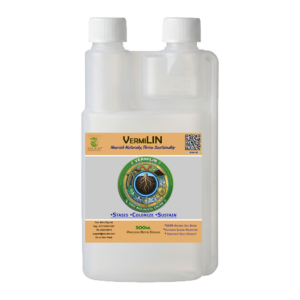
Eco Bini™ VermiLIN BAM! Living Microbial Concentrate | 500ml Bettix
Original price was: R185.R130Current price is: R130. Add to basket🌱 Living Microbial Concentrate from premium vermicast
🌱 Controlled Biological Stasis for extended shelf stability
🌱 Built-in Bettix dosing chamber for accurate mixing
🌱 Perfect for living soil, compost, biochar & regenerative growing -
STS
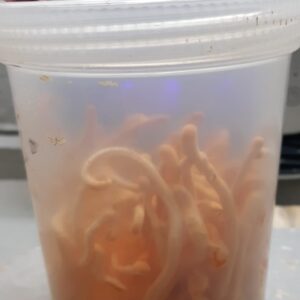
750ml Full-Bore Polypropylene Bottle | Cordyceps Edition
Original price was: R89.R59Current price is: R59. Add to basket🧫 750ml autoclavable Polypropylene bottle with screw-cap
🧫 Straight-sided full-bore 100mm for easy access.
🧫 Transparent, autoclave and freezer-safe (-80°C).
🧫 Coarse thread for easy one-handed operation. -
STS
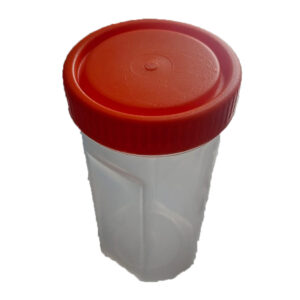
320ml Autoclavable Media Jars – Reusable PP5 Cultivation Vessels
Price range: R30 through R149 Select options This product has multiple variants. The options may be chosen on the product page🧫 Durable, reusable polypropylene Media Jars.
🧫 Secure double seal and fully autoclavable.
🧫 Ideal for storing, sterilizing, and pouring.
🧫 Agar media or liquid culture solutions. -
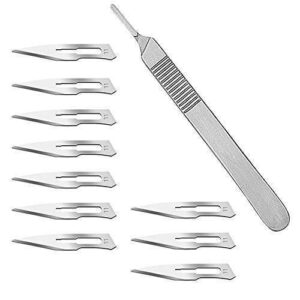
Scalpel Kit Precision [#3 Handle + 20 off #11 Blades]
R189 Add to basket🧫 Professional #3 stainless steel handle
🧫 With 20 off #11 blades
🧫 Ideal for agar work, tissue transfers, and grafting
🧫 Gamma-radiated, individually wrapped
Socratic Questions:
1. What are the main drawbacks of using traditional grain spawn for mushroom cultivation?
2. How does alginate encapsulation prevent bacterial contamination compared to grain?
3. What specific ingredients are needed to make alginate mycelial beads at home?
4. Can alginate pearls be stored long-term, and what is the best method for preservation?
5. How do I inoculate bulk substrate directly with alginate spawn for faster colonization?