Ditch imported EM! Homegrown BAM! turbocharges Bokashi, creating superior soil and supercharging your worm bin.
Summary
This lab note reveals how your own vermicompost-driven Biologically Active Microbes (BAM!) outperform commercial inoculants. Harnessing BAM! accelerates anaerobic fermentation, boosts safety, and enables a true closed-loop composting system, producing a multi-purpose inoculant for worm bins, soil, and advanced substrate innovation.
Composting Challenges and Commercial Constraints
Traditional composting methods, while effective, often come with limitations. They can be slow, generate odours, and struggle with certain types of organic waste like meat, dairy, and citrus. This is where Bokashi fermentation steps in as a game-changer. Bokashi, a Japanese term meaning “fermented organic matter,” is an anaerobic solid-state fermentation (SSF) method that rapidly transforms kitchen scraps and other high-nitrogen waste into nutrient-rich pre-compost in just 2-4 weeks. Unlike traditional aerobic composting, Bokashi is fast, odour-free due to its sealed container, and can handle a wider range of organic waste.
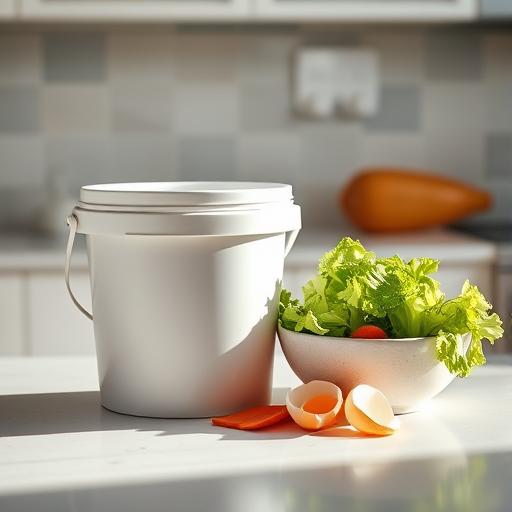
However, Bokashi isn’t finished compost; it “pickles” waste, stabilising nutrients for later breakdown in soil or worm bins. The key to Bokashi lies in “Bokashi bran,” a carrier material typically inoculated with anaerobic microbes. Traditionally, this bran uses EM (Effective Microorganisms), a trademarked blend of lab-cultured microbes. While EM has been the industry standard for decades, it presents certain challenges: it’s an imported product with a limited shelf life, and its microbial diversity, primarily anaerobic, may not fully adapt to diverse local conditions. This reliance on a commercial, external input can hinder the goal of a truly closed-loop, self-sufficient composting system.
The Principle: Harnessing a Full-Spectrum Soil Biome
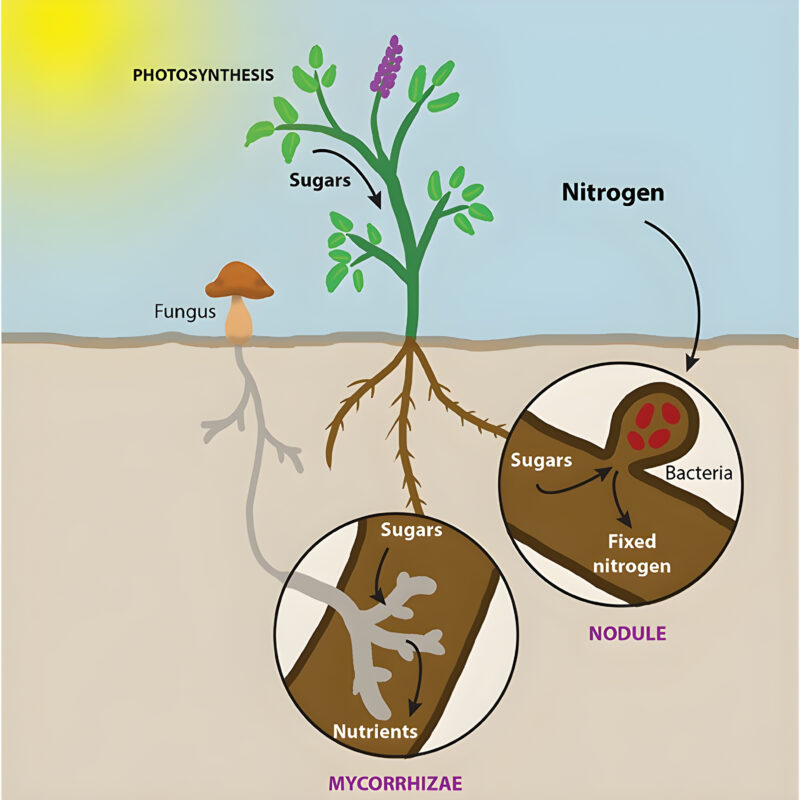
The core principle behind the Bokashi Vermicomposting Turbocharger is to move beyond limited, lab-cultured microbial consortia like EM and instead leverage the full, dynamic power of a naturally occurring, locally adapted soil biome. This is where BAM! (Biologically Active Microbes) comes into play. BAM! isn’t a man-made blend; it’s a living ecosystem harvested directly from your vermicompost, teeming with a wide array of aerobic and anaerobic bacteria, fungi, and actinomycetes.

This inherent diversity and local adaptation are crucial. Unlike EM, which is primarily anaerobic from the start, BAM! contains a robust task team of microbes ready to shift gears. When introduced to a Bokashi bucket, the aerobic microbes in BAM! initially consume available oxygen, rapidly accelerating the transition to anaerobic conditions. This quick oxygen depletion means the fermentation process begins sooner, leading to faster “pickling.” Once conditions become anaerobic, the naturally present lactic acid bacteria (LAB) and other anaerobes in BAM! multiply dominantly, effectively fermenting the organic waste.
The magic doesn’t stop there. The aerobic microbes, instead of dying, form spores or enter a dormant state. When the fermented Bokashi is later exposed to air in a compost pile, garden soil, or worm bin, these dormant aerobic microbes spring back to life. This seamless transition from anaerobic fermentation to aerobic decomposition is what makes BAM! a “turbocharger,” ensuring a continuous and significantly accelerated breakdown of organic matter into rich humus. This integrated approach embodies the principle of working with nature’s full biological intelligence, fostering resilience and efficiency in the composting process.
Application: Crafting and Deploying BAM! Bran
Making and using BAM! Bran is a straightforward process that mirrors traditional Bokashi bran preparation, with the crucial difference of using vermicompost as the inoculant instead of EM. The beauty of fermented BAM! Bran is its shelf-stability, acting as a living inoculant ready for use or further activation.
Simple Recipe to make BAM! Bran:
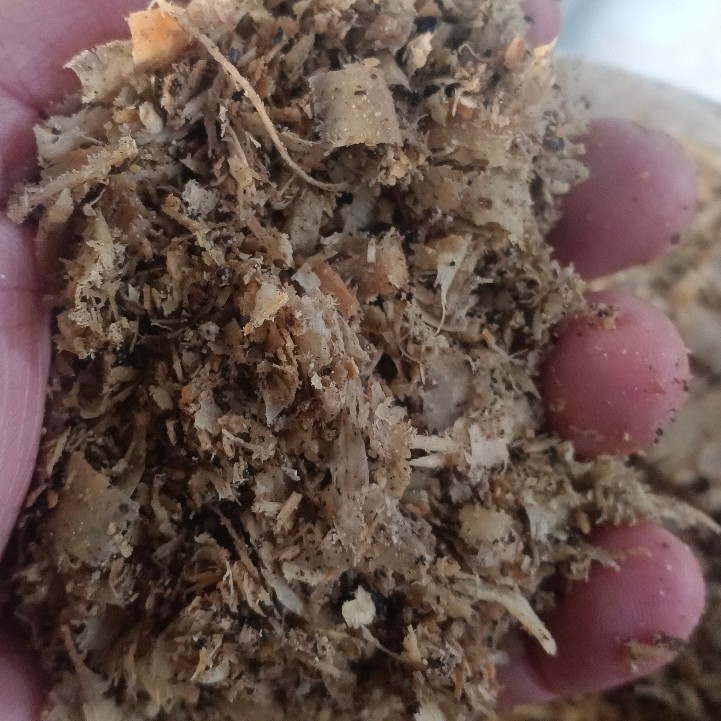
1. Combine Dry Ingredients: In a large mixing bowl, add 1000 grams of wheat bran. To this, incorporate 100 grams of sifted vermicompost. Optionally, add 100ml of biochar fines. [ Or can used our pre-charged catalyst BAC]
2. Hydrate: Dissolve one tablespoon (12g) of brown sugar in 600ml of water. Gradually add this sugar water to the bran mix, ensuring thorough mixing to achieve a uniform moisture content of approximately 45%. Avoid localized wet spots. When you squeeze hard a handful – then only a couple of drops released – called field capacity.
3. Ferment & Store: Tightly pack the moist bran into jars, pressing down to remove as much air as possible, then seal the lids securely. Store in a dark, warm place, ideally between 20-30°C, for 3-4 weeks. “Burp” the bottles every couple of days to vent any excess pressure, though with BAM!, this is often less frequent. Once fermented, the bran will have a distinct lactic scent, similar to whey. At this stage, the lactic acid acts as a natural preservative, making the BAM! Bran shelf-stable and ready for use as a Bokashi bin inoculant.
4. Product Varieties: We offer two key products: the ready-to-use Bokashi BAM! as a direct inoculant for your Bokashi bins, and Biologically Active Carbon (BAC) for those who wish to make their own Bokashi BAM! from scratch.
Ed Eco is the BTK Curator, trained directly on STS research.
Ask him anything—from troubleshooting plant issues to engineering biological independence.
Deploying BAM! Bran in your Bokashi System:
Using BAM! Bran in your Bokashi bucket follows the same method as traditional Bokashi:
1. Prepare your Bucket: Use an airtight 5L or 20L bucket, preferably with a tap for draining “Bokashi tea.”
2. Layer and Inoculate: Add organic waste in layers, sprinkling each layer generously with your homemade BAM! Bran. Press down firmly to remove air.
3. Seal and Ferment: Keep the bucket airtight and store it at 23-27°C (e.g., in a garage or inoculation cabinet). Allow it to ferment for 2-4 weeks. The smell should be sweet-sour, like pickles, not rotten.
4. Drain “Bokashi Tea”: Collect the liquid (“Bokashi tea”) that accumulates at the bottom. Dilute this tea at a minimum ratio of 1:100 with water before using it on plants, as its high acidity can burn them.
5. Finish the Pre-Compost (Double-Tap Process): When the fermented pre-compost is ready for application to your garden or worm bin, it’s crucial to employ the “Double-Tap” process to neutralise acidity and activate the aerobic microbial faction. Mix in 2-3% Calcium Carbonate (CaCO3) – for example, 20-30 grams for every 1kg of fermented bran output. Allow the mixture to air overnight to fully activate the dormant aerobic microbes within BAM! This step is vital to prevent the acidity from harming plants or worms and to ensure a seamless transition to aerobic decomposition. After this double-tap, bury the pre-compost in soil (8-12 inches deep, allowing 2-4 weeks to mature) or feed it to worms (mixing it with bedding and limiting the volume to 10-20% of the bin).
The BAM! Bran Triple-Action Advantage:
- Seamless Anaerobic to Aerobic Cycle: BAM! Bran contains the full microbial workforce for both fermentation and decomposition. The dormant aerobic microbes reactivate upon exposure to air, ensuring a rapid and smooth transition from pre-compost to finished humus.
- Multi-Purpose Inoculant: Beyond Bokashi, BAM! Bran serves as a potent vermi-conditioner, enriching worm bins with pre-digested food and pH-buffered grit (after the double-tap with CaCO3). It’s also an exceptional soil amendment, a compost accelerator, and a valuable supplement for advanced substrate innovations like mushroom cultivation or anaerobic digesters.
- Nutrient Density & Castings Quality: By allowing you to choose your feedstock, BAM! SFF enables targeted nutrient profiles. High-protein carriers can create a richer, more potent substrate for worms, mushrooms, or plants, leading to faster waste processing, higher microbial counts, and superior, nutrient-dense castings. The optional inclusion of biochar fines further enhances this, doubling your inoculant as a Terra Preta starter, holding microbes in stasis and boosting system resilience.

EM is a trademarked blend of lab-cultured anaerobic microbes—lactic acid bacteria, yeasts, and photosynthetic bacteria. Developed in Japan in the 1980s by Dr. Teruo Higa. EM is used to inoculate Bokashi bran for fermentation. EM works by dropping pH, suppressing rot, and stabilizing waste—but its microbial diversity is limited:
- Lactic acid bacteria (LAB) (e.g., Lactobacillus spp.)
- Photosynthetic bacteria (e.g., Rhodopseudomonas spp.)
- Yeasts (e.g., Saccharomyces spp.)
- Sometimes Actinomycetes and fermenting fungi are also present.
Dr. Higa was experimenting with microbes and tossed the leftovers onto the same patch of grass—which he noticed grew much better than the surroundings!
EM vs. BAM! : The Ultimate Comparison
| Aspect | EM (Effective Microorganisms) | BAM! (Beneficial Adaptive Microbes) | Winner |
|---|---|---|---|
| Origin | Japanese (Dr. Teruo Higa) | Locally adapted & grown in South Africa | BAM! |
| Speed of Fermentation | Good | Faster in local conditions | BAM! |
| Smell | Sweet-sour (ideal) | Usually sweeter, less risk of rot | Tie |
| Microbial Diversity | Limited (mainly anaerobes) | Broad (anaerobes + aerobes + fungi) | BAM! |
| Pathogen Suppression | Strong | Very strong (local strains) | BAM! |
| Shelf Life | Short, must be purchased | Continual, always on-hand | BAM! |
| Temperature Tolerance | Moderate | Better in hot SA summers | BAM! |
| Availability | Imported / commercial | Home grown | BAM! |
| Long-term Soil Effect | Good | Excellent (better adaptation) | BAM! |
| Dual-Action | Anaerobic only | Anaerobic + Aerobic (full cycle) | BAM! |
| Cost | Trademarked, recurring | Free if got worm bin | EM |
| Stability | Low – easily contaminated | Very High – stable Soil Biome | BAM! |
Conclusion: Embracing a Regenerative, Closed-Loop Future
The Bokashi Vermicomposting Turbocharger, powered by BAM!, represents a significant paradigm shift in organic waste management. It moves us away from reliance on imported, shelf-limited commercial inoculants like EM and empowers individuals and communities to create their own inputs, locally and sustainably.
This integrated system defines a truly closed-loop approach: Bokashi pre-digests all organic waste, including challenging materials like meats and dairy, effectively neutralising restrictions for your worm bin. The worms then swiftly process this fermented matter, transforming it into the richest vermicompost possible. The resulting BAM! Bran, derived directly from your worm castings, offers a localised, low-cost, and far more adaptable alternative to commercial EM.
The benefits are profound: faster breakdown of waste, a wider range of acceptable feedstocks, richer and more biologically diverse compost, and ultimately, an empowered, self-sufficient garden or farm. Whether pre-fermenting high-nitrogen waste for your worms or supplementing fungal cultivation, BAM! unlocks new cycles of fertility.

This isn’t just an upgrade; it’s a commitment to living, regenerative agriculture. Every bin, every handful of BAM!, is a step towards zero-waste, carbon sequestration, and building resilient, drought-proof soil infrastructure. The internal STS experiment that sparked this development, driven by an abundance of agricultural waste and the urge to apply Paradigm Shift #3 (Selective Nutrition), has revealed the undeniable power and resilience of a robust, diverse microbial community. Even a “spoiled” batch of Bokashi can recover, demonstrating the inherent strength of a full soil biome.
The zero-waste revolution starts right here, in your own bin, with the power of your own Biologically Active Microbes.
The Zero-waste revolution starts right here, in your own bin.
-
STS
 📜Reference
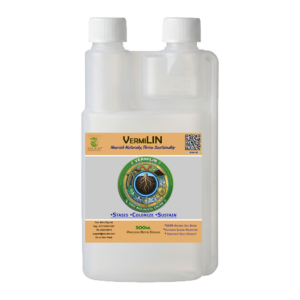
VermiLIN – Living Vermicast Soil Biome Microbial Concentrate 500ml
Original price was: R250.R169Current price is: R169. Read more🌱 Stabilized Living Vermicast Biology
🌱 Ionic Osmosis Extended Shelf Stability
🌱 Built-In Bettix Chamber For Dosing
🌱 Powers Living Soil & Biochar Charge -
STS
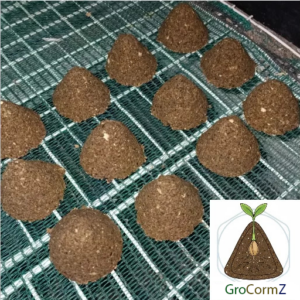
Elephant Garlic Start Kit | GroCormZ
Original price was: R75.R49Current price is: R49. Add to basket🌱 Produces Authentic Ajo Macho (Solo Garlic)
🌱 Encapsulated Elephant Garlic Corm Included
🦠 Terra Preta Nova Biological Grow Ball
💧 Just Plant, Water & Grow — Pointy Side Up! -
STS

Master Culture Expansion Kit | Lactic Acid Bacteria Starter
Original price was: R320.R225Current price is: R225. Add to basket🧫 Expand 50 cc LAB-X into 1 litre
🧫 Food-grade LAB expansion system
🧫 Self-buffering calcium-lactate fermentation
🧫 CalMag Ionic Lock for cupboard stasis -
STS
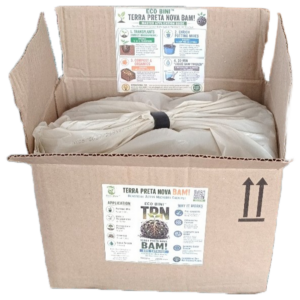
Terra Preta Nova Organic BAM!-LAB Catalyst | 5 Litre
Original price was: R340.R239Current price is: R239. Add to basket🛠️ Kelp-augmented Terra Preta Nova Soil Catalyst
🛠️ Pre-charged macadamia shell Granular Activated Carbon
🛠️ High-protein Organics & Ecklonia marine minerals
🛠️ Zero nutrient lockout • Permanent soil engine • Ready to Use
References:
Socratic Questions:
1. How does BAM! improve the speed and safety of Bokashi fermentation compared to EM?
2. Can BAM! Bran be used for purposes beyond Bokashi, like in worm bins or soil?
3. What are the key differences in microbial diversity and adaptation between EM and BAM!?
4. How does the anaerobic-to-aerobic transition in BAM! enhance overall composting efficiency?
5. Where can I find more information on Eco Bini Vitavermi BAM! Microbial Soil Biome Inoculant or related substrate innovations?