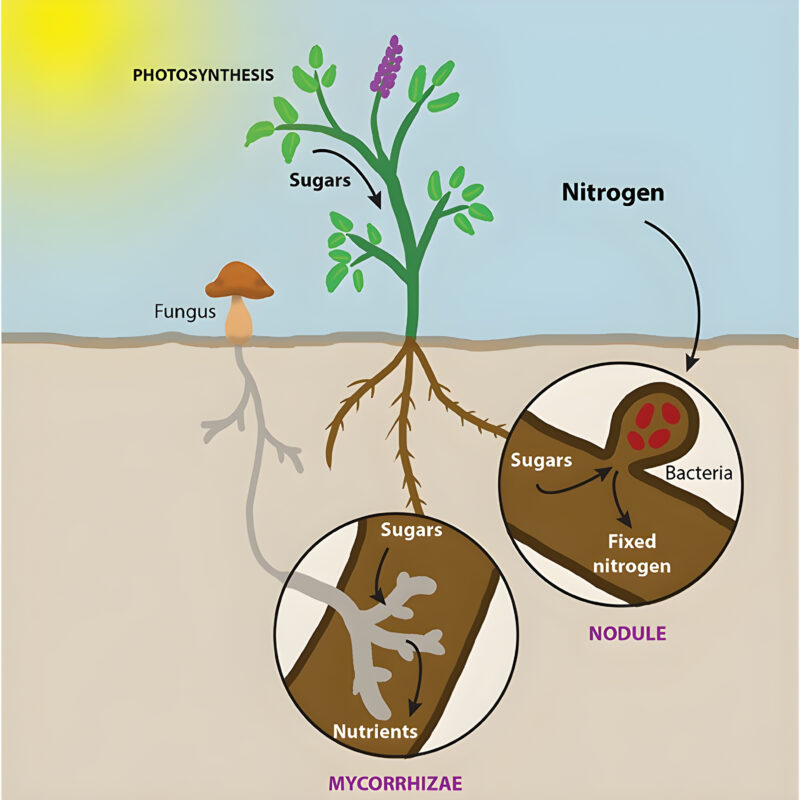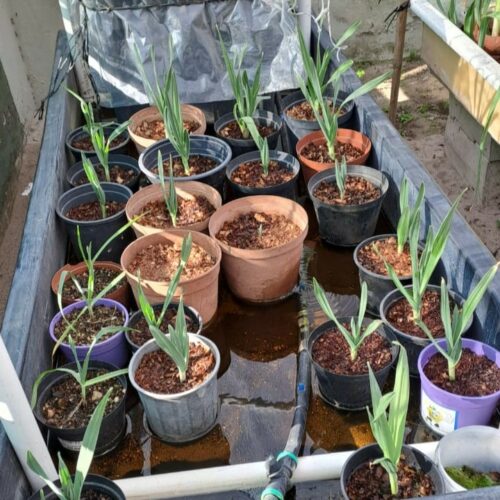
Forget imported EM: this lab note shows how BAM!—your home-grown, vermicompost-driven soil biome—outperforms commercial microbes for Bokashi and more. Harnessing BAM! accelerates anaerobic fermentation, boosts safety, and enables true closed-loop composting, while producing a multi-purpose inoculant for worm bins, soil, and advanced substrate innovation
Summary
1. What is Bokashi?
Bokashi is a Japanese term meaning “fermented organic matter.” It refers to a method of composting that uses anaerobic fermentation to break down food waste quickly and without odour.
Bokashi is an anaerobic solid-state fermentation (SSF) method that transforms kitchen scraps, sawdust, or even high-nitrogen waste into nutrient-rich pre-compost in just 2-4 weeks. Unlike traditional aerobic SSF composting, it’s fast, odour-free as container sealed, and handles all organic waste—veggie scraps, meat, bones, dairy, even citrus. Bokashi doesn’t produce finished compost; it “pickles” waste in an airtight bucket, stabilizing nutrients (e.g., nitrogen, up to 30% less loss vs. aerobic composting) for later breakdown in soil or worm bins.
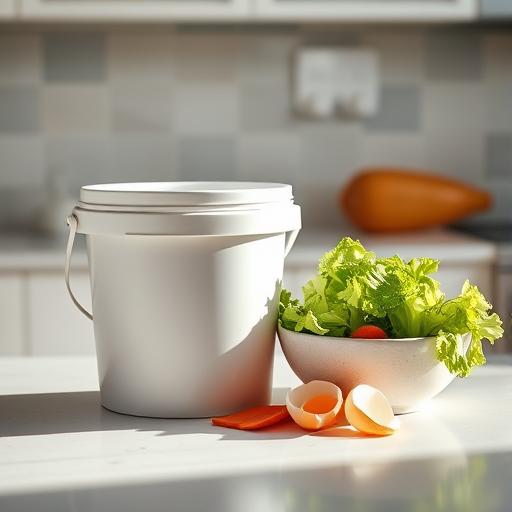
Bokashi is not finished compost; it’s a pre-digested acidic substrate that needs further aerobic breakdown by soil microbes or worms. Unlike traditional composting, which relies on aerobic microbes and decomposition,
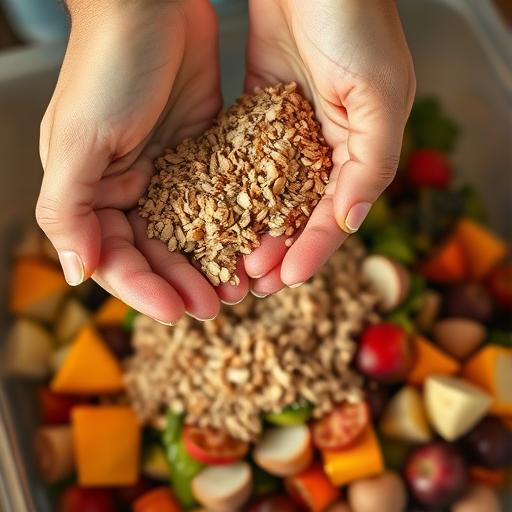
🧪 How to make Bokashi
- Organic waste (kitchen scraps, garden waste) is layered with Bokashi bran — a carrier material (usually wheat bran or sawdust) inoculated with anaerobic microbes.
- The mixture is sealed in an airtight container to create anaerobic conditions (no Oxygen).
- Over 2-4 weeks, the microbes ferment the waste, producing a sour smell (like pickles) but no putrid odor, lowering pH and suppressing pathogens.
- The fermented waste (a pre-digested feedstock, or “pre-compost”) is then buried in soil, added to a compost pile, or fed to worms, where the aerobic microbes finish the job of turning it into rich humus.
The Function of Bokashi Bran: Bokashi bran is the “starter” that introduces the microbes necessary for fermentation. Traditionally, it’s wheat bran inoculated with EM and sweetened with a carbon source like molasses. The microbes multiply during fermentation, colonizing the bran and preparing it for waste treatment.
How to make Bokashi Bran:
- Mixing wheat bran with molasses, water, and EM (Effective Microorganisms).
- Fermenting the mixture for several days.
- Drying and storing it for future use.
- The dried Bokashi Bran is added to your kitchen scraps to inoculate with anaerobic microbes.
2. EM (Effective Microorganisms): The Industry Standard
EM is a trademarked blend of lab-cultured anaerobic microbes—lactic acid bacteria, yeasts, and photosynthetic bacteria. Developed in Japan in the 1980s by Dr. Teruo Higa. EM is used to inoculate Bokashi bran for fermentation. EM works by dropping pH, suppressing rot, and stabilizing waste—but its microbial diversity is limited:
- Lactic acid bacteria (LAB) (e.g., Lactobacillus spp.)
- Photosynthetic bacteria (e.g., Rhodopseudomonas spp.)
- Yeasts (e.g., Saccharomyces spp.)
- Sometimes Actinomycetes and fermenting fungi are also present.
Dr. Higa was experimenting with microbes and tossed the leftovers onto the same patch of grass—which he noticed grew much better than the surroundings!

Some EM uses:
- Agriculture: Enhances soil fertility, suppresses pathogens, and boosts plant growth.
- Composting: Speeds up decomposition and reduces odor.
- Waste treatment: Used in septic systems and wastewater management.
- Household cleaning: EM-based cleaners are marketed as eco-friendly alternatives.
- Animal husbandry: Added to feed or bedding to reduce smell and improve health.
⚠️ Common Misconceptions
- EM is not a single microbe — it’s a manmade consortium.
- EM is not universally effective — its success depends on environmental conditions and application method.
- EM is not naturally occurring everywhere; it’s a lab-cultured, shelf-limited product.
- EM is not the same as compost tea or bokashi‘— it is a common starter culture used to make them.
3. How to Use Bokashi
Bokashi is simple—great for small spaces or farms:
- Get a Bucket: Use an airtight 5L or 20L bucket with a tap (for “tea” drainage).
- Layer Waste: Add organic waste in layers, sprinkling each with Bokashi bran. Press down to remove air.
- Seal & Ferment: Keep airtight at 23-27°C (e.g., in a garage or inoculation cabinet). Ferment 2-4 weeks—smells sweet-sour, not rotten.
- Drain Tea: Collect Bokashi “tea”. Dilute bokashi tea at a minimum ratio of 1:100 (1 part tea to 100 parts water) to avoid burning plants with its high acidity.
- Finish It: Bury pre-compost in soil (8-12” deep, 2-4 weeks to mature) or feed to worms (10-20% bin volume, mixed with bedding to dilute acidity) for final transformation into humus.
- Benefits: Stabilizes nitrogen, kills odors, preps high-N waste for vermicomposting – yielding richer castings faster.
- Note: Bokashi is a “pre-compost” step—the real magic happens when aerobic microbes or worms finish the job.
4. Introducing BAM! – Biologically Active Microbes
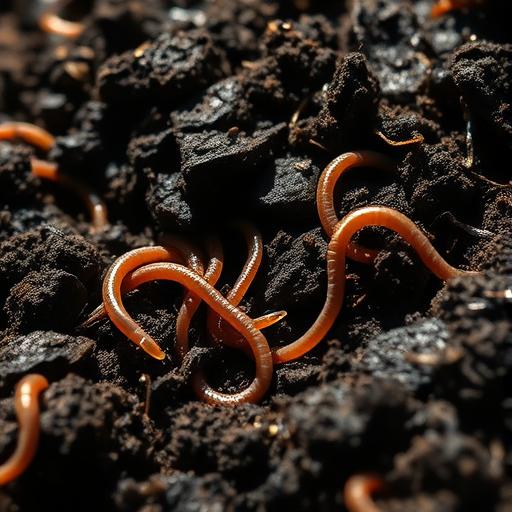
EM is not only one way, as we learned. BAM! is the Bundu way—a living, full-spectrum microbial workforce straight from your worm bin.
BAM! isn’t a lab consortium—it’s a true biological ecosystem, packed with aerobic and anaerobic bacteria, fungi, actinomycetes, and more, already adapted to your unique context.
When you use BAM! to inoculate your Bokashi bran (or any carrier), you unlock the full regenerative potential of your organic waste stream.
What Makes BAM! Different?
- It’s alive and “local is lekka”, harvested from your vermicompost (Vitavermi BAM!).
- It contains the full soil biome: lactic acid bacteria, Bacillus, Trichoderma, mycorrhizae, and countless others.
- Adapted for both fermentation (anaerobic) and decomposition (aerobic), ready to shift gears as soon as conditions change.
- No need to import or worry about shelf life—the “starter” is always on-hand, always fresh.
BAM! Bran
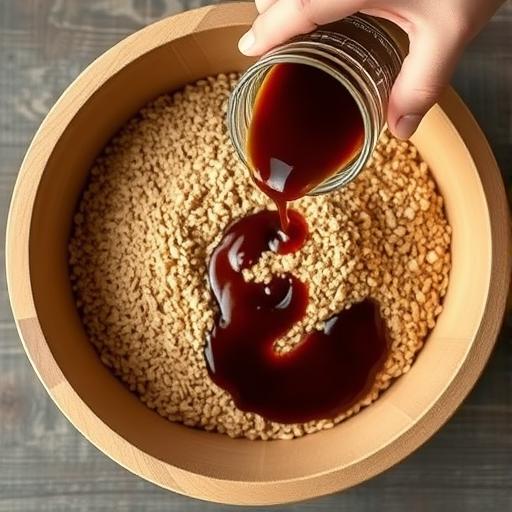
BAM! Bran is prepared exactly the same way as traditional Bokashi Bran, but inoculated with vermicompost instead of EM. This means we’re using the entire soil biome present in the vermicast.
A simple Recipe to make BAM! Bram:
- Add 1000 gram wheat bran to a large mixing bowl
- To this add 100 gram sifted vermicompost.
- Add 100ml biochar [optional]
- Dissolve a Tablespoon [12g] Brown sugar in 600ml water – add this to Bran mix to hydrate to 45% Moisture content.
- Thoroughly mix the sugar water in with the dry mix – to avoid local wet spots.
- Pack the moist bran tightly into jars, pressing down to remove as much air as possible, then seal the lid tightly.
- Put in a dark warm place, typically 20-30°C, for 3-4 weeks. “Burp” the bottles every couple of days to vent excess pressure.
- Dry the charged Bran for 2-3 days, mix in 4% Calcium Carbonate to buffer pH, then bottle in a sealed container.
- Use BAM! Bran as described above under Bokashi.
BAM! vs. EM: Fermentation Dynamics
- When added and hydrated, the aerobic microbes in BAM! initially thrive, consuming available oxygen.
- As oxygen is depleted, they enter stasis (some form spores), and the anaerobic microbes (including LAB) take over.
- The rapid drop in oxygen means the bucket becomes anaerobic sooner, speeding up fermentation/pickling.
- Lower risk of pressure build-up: The aerobic phase consumes oxygen efficiently, and the anaerobic phase produces CO₂ (which is denser and dissolves more readily in water than O₂), so buckets rarely need “burping.”
- Result: Faster, safer, and more resilient fermentation—less risk of spoilage and easier management.
EM (lab consortium):
- Primarily anaerobic from the start, but may not have the full, balanced transition from aerobic to anaerobic.
- For increased effectivity, must first make AEM (Activated EM) as per product instructions.
- Can sometimes produce more gas (depending on substrate and microbial balance), requiring more frequent “burping.”
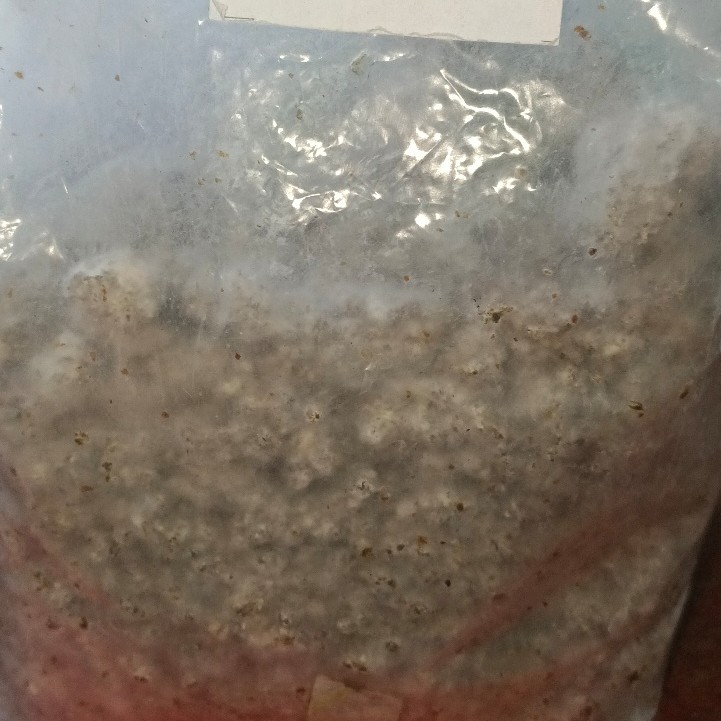
During the anaerobic fermentation of the bran, the lactic acid bacteria (LAB) and other anaerobes naturally present in the castings will multiply dominantly, perfectly prepping the bran for the Bokashi bucket.
The aerobic microbes (like Bacillus and fungi) don’t die; they form spores or go into a dormant state. This is the magic! Once you open the Bokashi bucket and expose the fermented waste to air or mix it into soil, these dormant aerobic microbes spring back to life. They immediately get to work on the aerobic breakdown phase, creating a seamless transition from fermentation to full decomposition and significantly speeding up the entire process.
5. The BAM! Bran Triple-Action Advantage
a. The Seamless Cycle: Anaerobic to Aerobic
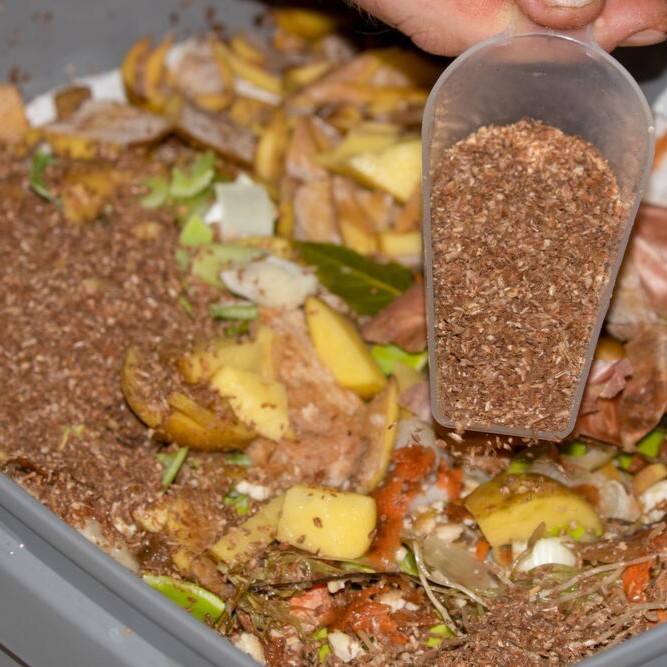
Unlike standard Bokashi which requires a second, separate external step for aerobic breakdown, BAM! Bran contains the full microbial workforce needed for both phases. The anaerobic fermentation process forces the aerobic microbes (Bacillus, Fungi, etc.) from the vermicompost to enter a dormant state. Once the fermented waste hits your compost pile, ground or worm bin and is exposed to air, these powerful aerobic decomposers immediately spring back to life, ensuring a faster, smoother transition from pre-compost to finished humus.
In short: BAM! Bokashi doesn’t stall; it shifts up a gear.
b. The Multi-Purpose Inoculant
- Bokashi Buckets: It acts as a powerful starter, using its LAB-rich culture to rapidly drop the pH and pickle any kitchen or garden waste.
- Vermi-Conditioner (Worm Bins): It acts as a pre-digested, pH-balanced food source and grit. The post-fermentation addition of CaCO3 provides the grit and alkalinity necessary to prevent the acidity from harming your worms, simultaneously boosting their health and reproduction.
- Anaerobic: Its active and spore-forming microbes supercharge decomposition and help stabilize anaerobic environments (like septic tanks) with powerful, LAB-driven processes.
- Soil: With BAM! Bran’s unique combo—pre-fermented feedstock (pre-digested proteins/carbs for microbes), vermicast (10⁸-10¹⁰ CFU/g of diverse bacteria/fungi), and post-ferment CaCO3 (pH buffer)—makes it an exceptional soil amendment to introduce a permanent, drought-proof microbial workforce
- Compost accelerator: With is robust task team of anearobic, aerobic and thermphylic bacteria it will supercharge any organic compost pile decompositon.
- Substrate supplement: For mushroom/fungal cultivation, e.g. True-Syn, or as supplementation with the right carrier and process.
- Anaerobic digester starter: For larger-scale waste management.
3. Nutrient Density & Castings Quality
Because BAM! SFF can use any feedstock, from wood pellets to soya meal, you can target the nutrient profile you want. High-protein carriers (like canola meal at 40% protein) create a richer, more potent substrate—for worms, mushrooms or plants. The result:
- Faster waste processing
- Higher microbial counts
- Superior, nutrient-dense castings
- Improved soil structure and fertility
- Supplement mushroom substrates and use low-tek pasteurization methods
The inclusion of biochar fines means your inoculant doubles as a Terra Preta starter—microbes are held in stasis, ready to activate when the time is right – anaerobically or aerobically, making your system more resilient and drought-proof.
6. EM vs. BAM! : The Ultimate Comparison
| Aspect | EM (Effective Microorganisms) | BAM! (Beneficial Adaptive Microbes) | Winner |
|---|---|---|---|
| Origin | Japanese (Dr. Teruo Higa) | Locally adapted & grown in South Africa | BAM! |
| Speed of Fermentation | Good | Faster in local conditions | BAM! |
| Smell | Sweet-sour (ideal) | Usually sweeter, less risk of rot | Tie |
| Microbial Diversity | Limited (mainly anaerobes) | Broad (anaerobes + aerobes + fungi) | BAM! |
| Pathogen Suppression | Strong | Very strong (local strains) | BAM! |
| Shelf Life | Short, must be purchased | Continual, always on-hand | BAM! |
| Temperature Tolerance | Moderate | Better in hot SA summers | BAM! |
| Availability | Imported / commercial | Home grown | BAM! |
| Long-term Soil Effect | Good | Excellent (better adaptation) | BAM! |
| Dual-Action | Anaerobic only | Anaerobic + Aerobic (full cycle) | BAM! |
| Cost | Trademarked, recurring | Free if got worm bin | EM |
| Stability | Low – easily contaminated | Very High – stable Soil Biome | BAM! |
Key Takeaway: While classic EM works well, BAM! is generally superior for South African conditions because:
- It uses microbes already adapted to our climate, soils, and waste streams.
- Being a full soil biome, will convert the initial aerobic conditions, in bucket, quicker to anaerobic,
- Wider temperature range, so will not stall in local conditions.
- In kitchen bokashi bucket that is opened often to refill – it returns to anaerobic state quicker to streamline pickling conditions.
- Aerobic microbes will consume the Oxygen and convert to Carbon Dioxide – which is denser and more soluble – less pressure.
- BAM! is not only more adaptable and resilient, but it puts control back in your hands—no more dependency on imported inoculants.
Broader Implications
This Lab Note began as an internal STS experiment, sparked by an abundance of agricultural waste and the urge to apply Paradigm Shift #3 to new substrate innovations like true synthetic spawn (Syn-Spawn). The real “aha” moment came when, instead of waiting for commercial EM, we simply used BAM! straight from the worm bin—leveraging the full local soil biome. It worked, and the resilience of the microbial community became undeniable.
A practical lesson: Even when Bokashi goes “off” (as with a too-wet batch or unfamiliar feedstock), the soil biome in BAM! can recover and outcompete undesirable microbes. One forgotten bucket, originally written off due to a putrid smell, was later found to have “pulled itself back” to that classic pickle aroma—a testament to the power of a robust, diverse microbial community.
The real breakthrough here is system thinking:
- Closed-loop: You create your own inputs and inoculants, locally and sustainably.
- Zero-waste: All organics, from kitchen scraps to high-nitrogen byproducts, cycle back as fertility.
- Carbon-sequestration: Combining biochar and BAM! doesn’t just feed plants, it builds lasting, regenerative soil infrastructure.
- Resilience: Whether in the Bundu or the city, your microbial engine is always on standby—adapted to your reality.
Commercial potential: What works in a bucket works at scale: bins, heaps, windrows, farms. The secret is keeping it local, diverse, and ever-evolving.
Conclusion – The End of the Beginning

This is the definition of a closed-loop system: Bokashi pre-digests all organic waste, including meats and dairy, neutralizing the restrictions of your worm bin. The worms then swiftly process this fermented matter, transforming it into the richest vermicompost possible.
This integrated system is the ultimate step toward composting self-reliance. While commercial EM is effective, your own BAM! Bran offers a localized, low-cost alternative—direct from your worm castings, tailored to your environment.
Ditch the costly inputs, maximize your waste stream, and empower your garden.
The benefits?
- Faster breakdown
- Wider feedstock range
- Richer, more biologically diverse compost
- An empowered, self-sufficient garden or farm
Pre-ferment high-nitrogen waste with your homemade BAM! Bran, feed it to your worms, and watch your plants thrive—or use it to supplement fungal cultivation for even more value. Bokashi SFF Turbocharging with BAM! isn’t just an upgrade—it’s a paradigm shift:
- No more reliance on imported, shelf-limited EM.
- No more “waste”—only new cycles of fertility.
- Every bin, every handful of BAM!, is a step toward living, regenerative agriculture.
What’s next at STS?
- Fast-tracking Paradigm Shift #3 (Selective Nutrition) with ongoing canola Bokashi fermentations—suddenly, old obstacles in substrate innovation are being overcome.
- Pioneering anaerobic SFF for rapid charging of substrates and inoculants.
- Breaking ground with True-Syn and new substrate supplements.
- As always, finding more ways to empower growers with local, living biological intelligence.
The Zero-waste revolution starts right here, in your own bin.
-
STS
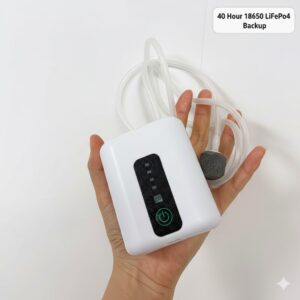
Fermentation Aerator (2.5W) | 40H Backup & NRV
Original price was: R450.R395Current price is: R395. Add to basket🪱 Powerful 2.5W motor with 2.3 L/min output for deep aeration.
🪱 Integrated 18650 Lithium battery: 40H runtime for off-grid use.
🪱 Includes 3m Silicone tubing, Air Stone, and NRV backflow valve.
🪱 Dual Mode: Continuous brew or Pulse-Preserve. -
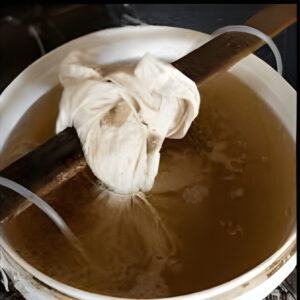
STS Reusable Poly-Mesh Microbial Extraction Filter
R40 Add to basket🪱Durable Polypropylene Micro-Weave
🪱50cm Paracord-style 7-Core Lashing Cord
🪱Reusable 300µm Bio-Filter Bags
🪱Hydrophobic, Inert – will not rot -
STS

Vermi-Syn³ – The Fermentation Regulator [1000ml]
Original price was: R300.R195Current price is: R195. Add to basket🛠 3-in-1 Worm Food, Bokashi & Septic Odour.
🛠 Double-Tap Tek: Activated Biochar matrix with 3000 m2/g functional surface area.
🛠 pH- Optimized – 6.5 – maximum microbial health and rapid composting
🛠 Full Soil biome – Anaerobic and Aerobic -
STS
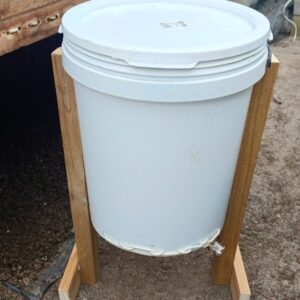 📜Reference
MicroFlow CFT | Continuous Flow-Through Vermicompost Starter Kit & Course
Original price was: R1,299.R749Current price is: R749. Read more🛠Handmade, Plug-and-Play Urban CFT Worm Bin.
🛠 Assembled Micro-Flow CFT with Bedding and retaining disc.
🛠 Red Wigglers & Vermi-Syn3 – to start and maintain a worm bin.
🛠 Includes full Continuous Flow-Through (CFT) Reactor Manual