Engineering Biological Independence is Bundu Teq’s goal of eliminating dependence
Answer
on industrial inputs by engineering biological systems to perform those functions themselves. It means replacing manufactured shortcuts with the biological processes that Nature already uses. Waste from one biological process becomes the resource for another, creating increasingly integrated production cycles. With sunlight providing the primary external energy input, the system can continuously regenerate the biological resources required for production.
1. Understanding Engineering Biological Independence
Engineering Biological Independence is the defining objective of Bundu Teq. It began with a simple engineering question: can we grow food without depending on manufactured chemical nutrients? Or “Can we grow Organic hydroponic produce?”
That question led from conventional hydroponics to VermiPonics, and from there to a much larger idea: rather than continually importing the resources required for production, we can engineer biological systems that perform those functions internally.
Engineering Biological Independence is the ultimate aspiration and defining characteristic of the Bundu Teq methodology. It represents a radical departure from conventional agricultural and ecological management, which often fosters dependence on external, industrially produced inputs. Instead, Bundu Teq aims to re-establish and enhance the inherent capacity of natural systems to sustain themselves and provide for human needs autonomously.
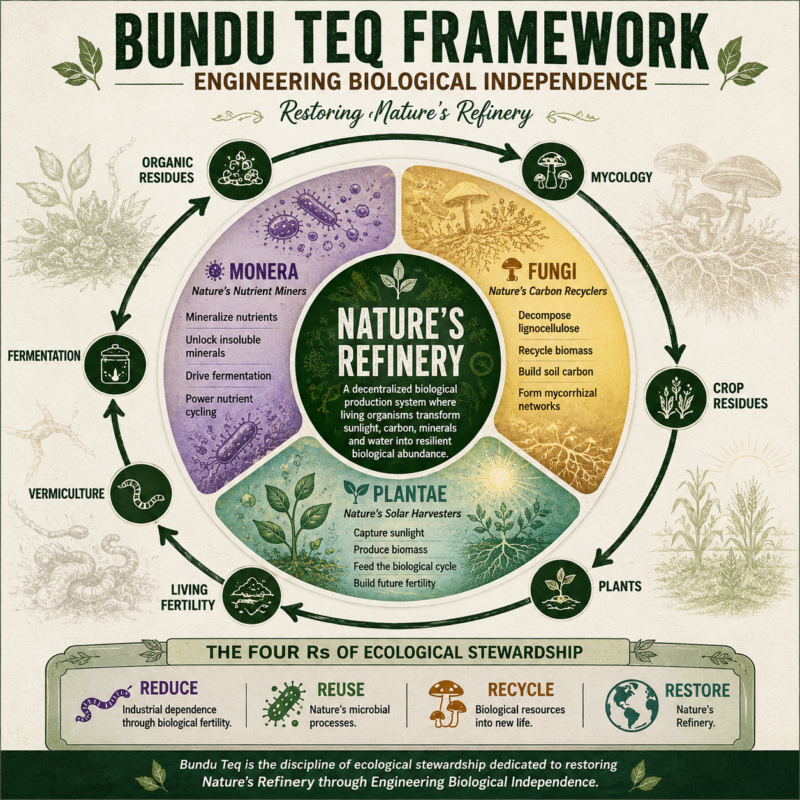
Bundu Teq therefore treats Biological Independence as an engineering problem: identify the external input, understand the function it performs, find the biological process capable of performing that function, and then engineer an environment in which that process can operate reliably.
2. Engineering Principle: Replace the Function, Not Just the Input
The fundamental principle is simple:
Do not simply substitute one product for another. Replace the function performed by the product.
- Synthetic fertiliser supplies plant-available mineral nutrients. Bundu Teq asks how biological systems can continuously mineralise organic resources into those same plant-available nutrients.
- Industrial waste processing removes organic material from the production system. Bundu Teq asks how that material can instead become feedstock for worms, microbes, fungi and plants.
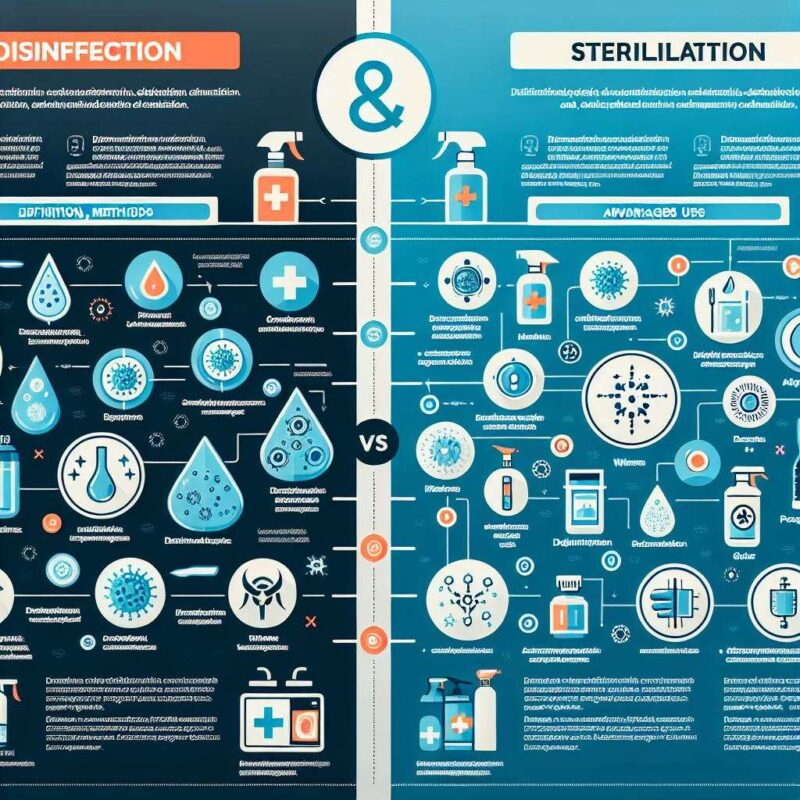
- Sterilisation attempts to eliminate competing organisms. Bundu Teq asks whether the nutritional environment can instead be engineered so the desired organism wins.

The objective is therefore not to find a greener chemical shortcut. It is to remove the dependency by engineering the biological process that makes the shortcut unnecessary.
3. Designing for Self-Sufficiency
The core engineering principle behind Biological Independence is the design of systems that are inherently self-sufficient and regenerative. This involves understanding the intricate web of natural processes – from nutrient cycling in the soil biome to natural pest regulation – and engineering solutions that leverage and amplify these functions. The goal is to create robust, adaptive systems that can perpetually generate their own resources, manage their own health, and produce abundant yields without continuous external intervention. It’s about building resilience from the ground up, allowing nature to do what it does best.
The system is not creating matter from nothing. Sunlight provides the primary external energy input, while biological processes continuously transform carbon, minerals, water and waste biomass into new forms of useful biological production.
This creates a fundamentally different model:
Waste → biological processing → fertility/biomass → food → biological waste → biological processing again.
As more biological functions are integrated, fewer external industrial inputs are required to keep the system productive.
4. Practical Application: Implementing the Tiers
Engineering Biological Independence is therefore not achieved by a single product or technique. It is built by connecting biological systems, and in essence kingdoms.
- Tier 1: A household might begin with vermicomposting, converting kitchen waste into fertility. This is implementing the Monera kingdom to convert Organic Waste into Plant-available nutrients – bio-engineered by the Red Wigglers to be a healthy Soil Biome.
- Tier 2: That fertility can feed a VermiPonics system, replacing conventional hydroponic nutrient inputs with biologically generated plant nutrition.
- Tier 3: Agricultural residues can then become feedstock for mushroom cultivation, converting otherwise low-value biomass into food and generating Spent Mushroom Substrate (SMS) for input into the tier 1 Vermicomposted.
Additional systems can progressively integrate water recovery, fermentation, carbon infrastructure and other biological processes.
The important engineering principle is that each system should perform a useful function while creating resources for the next system.
A fully-tiered system is therefore not a collection of independent sustainable technologies. It is an integrated biological refinery in which agricultural waste input gives several outputs, some used regeneratively internally, others as ‘waste to food’ outputs. In essence using the Natural Refinery and Sunlight the Bundu Teq System does generate more out than in – with no chemicals – making your Backyard a Carbon Sink.
5. The Four R’s and Paradigm Shifts
Achieving Biological Independence is operationalized through the rigorous application of Bundu Teq’s foundational principles:
The Four R’s (Reduce, Reuse, Recycle, Restore): These engineering tenets directly drive independence.
- By Reducing industrial dependence,
- Reusing nature’s biological processes,
- Recycling biological resources,
- and Restoring Nature’s Refinery,
systems progressively shed their reliance on external inputs and become self-sustaining. For instance, robust recycling of organic matter reduces the need for imported fertilizers.
The Three Paradigm Shifts: These shifts in understanding are crucial for designing independent systems.
- Recognising the Soil Biome’s role in Plant-Available Nutrients (PS #1),
- understanding worms as Pasteurizing Bio-Engineers (PS #2),
- and mastering Selective Nutrition (PS #3)
allows for the creation of systems that inherently generate fertility, manage waste, and resist contamination, thereby reducing external dependencies.
Together, these mechanisms enable the deliberate engineering of systems that are biologically robust and economically autonomous.
It is agriculture that can progressively manufacture its own biological inputs from its own resource streams.
Key Takeaway: Engineer the Refinery
Engineering Biological Independence is the central ambition of Bundu Teq: to build production systems in which biology performs the functions that industry currently performs for us.
The journey began with a simple question about growing plants without synthetic hydroponic nutrients. It evolved through VermiPonics, vermicomposting, mushroom cultivation and the integration of multiple biological kingdoms.
The destination is a system where waste is no longer an endpoint, but feedstock; where one biological process supplies another; and where sunlight powers the continuous conversion of low-value resources into new biological production.
Don’t simply reduce the industrial input. Engineer the biological process that makes the input unnecessary.
-
STS
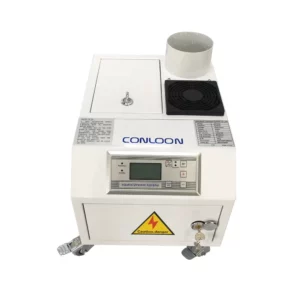
STS 9kg/h Commercial Ultrasonic Humidifier
Original price was: R29,999.R26,595Current price is: R26,595. Add to basket🏗 9kg/h ultrasonic humidification with smart control.
🏗 High-Volume 220 m3/h Air Circulation
🏗 Dual Supply (Bottle/Tap),
🏗 Unmatched Electrical Efficiency – 360W power -
STS
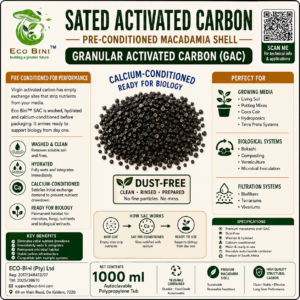
Sated Activated Carbon (SAC) – 1L Macadamia Shell GAC
Original price was: R369.R235Current price is: R235. Add to basket🛠 Premium calcium-conditioned macadamia GAC.
🛠 Eliminates initial nutrient drawdown.
🛠 Ready for microbes & nutrients.
🛠Ideal for living soils, hydroponics. -
STS
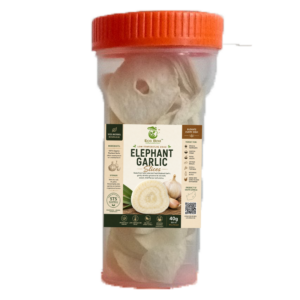
Dried Elephant Garlic Slices – Sweet, Mild Flavour (40g)
Original price was: R115.R95Current price is: R95. Add to basket🧄Organic Elephant Garlic
🧄Low-temp dried gourmet slices
🧄Naturally sweet & mild
🧄Small-batch South African -
STS
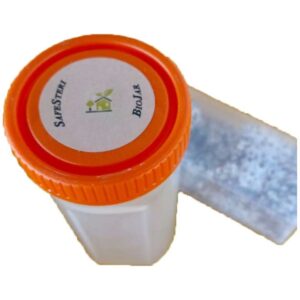
6-pack Mother Spawn BioJar | Reusable Polypropylene | Triple Filter
Original price was: R695.R395Current price is: R395. Add to basket🧫Shatterproof PP5 Construction
🧫Triple-Shield Filtration System
🧫Positive Seal Technology
🧫100% Reusable & Eco-Friendly
Socratic Questions
- What does Biological Independence mean in practical agriculture?
- How can biological processes replace industrial agricultural inputs?
- Why is sunlight essential to biological production systems?
- How can agricultural waste become an input for production?
- What is the difference between sustainability and Biological Independence?