Successful grain spawn production hinges on absolute sterilisation and precise hydration, which can be achieved with the Traditions Sinden No-Soak, No-Simmer (NSNS) method.
Answer
Targeted Sterilisation and Optimal Hydration
Growing mushrooms from scratch means you’re essentially cultivating a delicate organism that’s easily outcompeted. Cereal grains, your common feedstocks like sorghum, millet, or wheat, naturally harbour bacterial endospores. These tough little guys can survive regular boiling, meaning your standard cooking methods won’t cut it. To really kill them off, you need to hit them with saturated steam at 121°C, which requires a pressure of 15 PSI. Anything less, like the 80 kPa (115°C) from a typical domestic pressure cooker, often results in slimy, sour “wet spot” contamination from Bacillus bacteria.
Beyond just killing off unwanted guests, the grain needs the right amount of moisture. Too dry, and the mycelium won’t colonise; too wet, and you invite anaerobic bacteria. The Sinden No-Soak, No-Simmer (NSNS) framework is clever because it introduces specific ratios of water, calcium carbonate, and calcium sulfate directly to dry grain before sterilisation. This locks in an optimal, consistent moisture content from the start.
Heads-up: Freshness is key! DIY spawn has a limited shelf life, so be ready to use it within 3 months of creation.
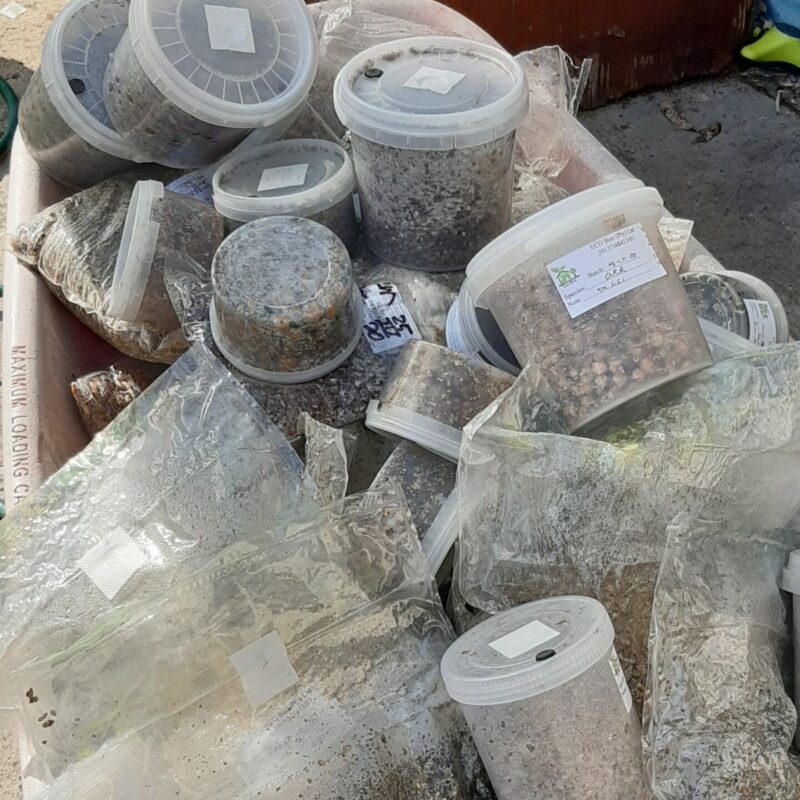
In South Africa, most domestic pressure cookers are factory-set to a maximum pressure of 80 kPa (approx. 11.6 PSI). At this pressure, water only boils at 115°C. This is hot enough for soup, but it will not kill bacterial endospores resting inside cereal grains.
To achieve true biological sterilization, you need a pressure canner fitted with a pressure gauge or a 15 PSI rocker weight to reach 121°C.
The Mechanism: Sinden’s No-Soak, No-Simmer (NSNS) Method
Traditional methods make you soak grain for 24 hours and boil it on the stove before drying it out on towels. It takes forever and leaves room for messy math errors – and the actual ‘Art’ – as every grain type different.
Forget the old way of soaking grains for 24 hours and then boiling them. The NSNS method, originally patented in 1932, streamlines this.
[Read Patent]
The Golden Baseline Formula (For a 750ml DIY Jar):
Dry Grain (Sorghum): 250g
Cold Water: 150ml (targets ~45% final Moisture Content)
Calcium Carbonate (Chalk): 3g (buffers pH)
Calcium Sulfate (Gypsum): 1g (prevents clumping)
Sterilise Under Pressure: The containers then go into a pressure cooker. The heat and pressure hydrate the grain from the inside out, simultaneously sterilising it. Crucially, you need a pressure canner that reaches 15 PSI (104 kPA/121°C). Many domestic cookers only reach 80 kPa (115°C), which isn’t sufficient.

Inoculation and Incubation: After sterilisation and cooling, you inoculate the grain with your mushroom culture. This should be done in a sterile environment. The colonised grain then incubates in a warm, dark place until the mycelium has fully taken over.
Practical Application: Consistent Spawn, Reduced Risk
The NSNS method offers a more consistent way to prepare grain spawn, especially for home growers. By carefully measuring ingredients and using the correct pressure, you significantly increase your chances of success.
Reduced Contamination: Proper sterilisation at 15 PSI is key to preventing common contaminants like green mold (Trichoderma) or sour rot (Bacillus). If your spawn turns green, it’s usually an issue with your sterile technique or filters. If it’s slimy and smells foul, your sterilisation likely failed.
Faster Colonisation: The precise moisture content and evenly distributed mycelium contribute to faster colonisation.
Disadvantage: The original NSNS method main disadvantage is that the grain will clump together due to uneven hydration layers and starches. Simply, while warm (>60°C), tap and shake the bottle to redistribute the grains. Starting with smaller volumes (like the 320ml BioJars) is recommended for beginners, as they sterilise more effectively and colonise faster.
Key Takeaway: Precision Over Guesswork

While the concept of making grain spawn might seem daunting, the Sinden NSNS method offers a more straightforward and repeatable approach. It replaces the guesswork of traditional soaking and simmering with precise measurements and a reliable sterilisation technique. Remember, even pioneers like Edison faced thousands of failures before success. Stick to a proven protocol, focus on sterility, and you’ll be well on your way to producing your own clean, potent mushroom spawn.
-
STS
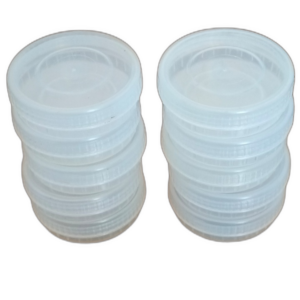
73mm Durable Autoclavable Petri Dishes for Lab Use
Price range: R20 through R135 Select options This product has multiple variants. The options may be chosen on the product page🧫 73mm screw-top Polypropylene Petri Dish.
🧫 Autoclavable and resists breakage.
🧫 Deep 20mm profile holds 3x more agar.
🧫 Screw Lid for easy access. -
STS
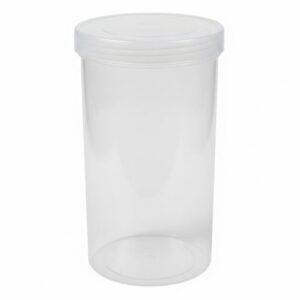
1000ml Autoclavable Full-bore Polypropylene Bottle
Price range: R69 through R395 Select options This product has multiple variants. The options may be chosen on the product page🧫 Straight-sided 100mm full-bore sides.
🧫 Transparent , autoclave and freezer-safe (-80°C).
🧫 Virgin Polypropylene, flush-joint lid.
🧫 Coarse thread for easy one-handed operation. -
STS
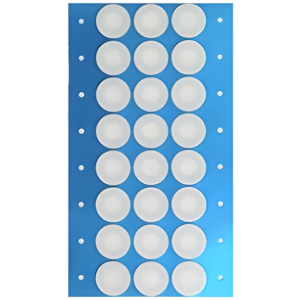
ePTFE Filter Patch Stickers – 0.25µm filtration (24)
Original price was: R140.R95Current price is: R95. Add to basket🧫 Professional 0.25µm filtration
🧫 20mm synthetic filter stickers
🧫 Ensure clean GE for jar lids.
🧫 Autoclavable glue. -
STS
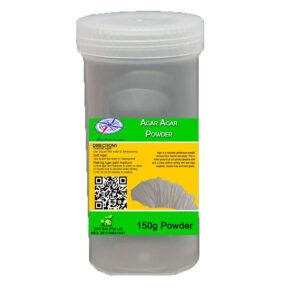
Agar Agar Powder (150g)
Original price was: R299.R265Current price is: R265. Add to basket🧫 High-purity agar agar powder – no fillers.
🧫 Powdered form for easy nutrient media prep.
🧫 For Petri plates and slants.
🧫 In Reusable PP Media Jar
Socratic Questions:
- How do I prepare professional mushroom grain spawn at home?
- What is the best sterilization time for grain spawn?
- Why is high-quality spawn critical for mushroom yields?
- DIY methods for sterilizing mushroom substrates?
- How to prevent bacterial contamination in grain spawn?