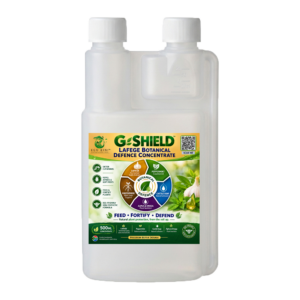
The greatest breakthrough was never a product…
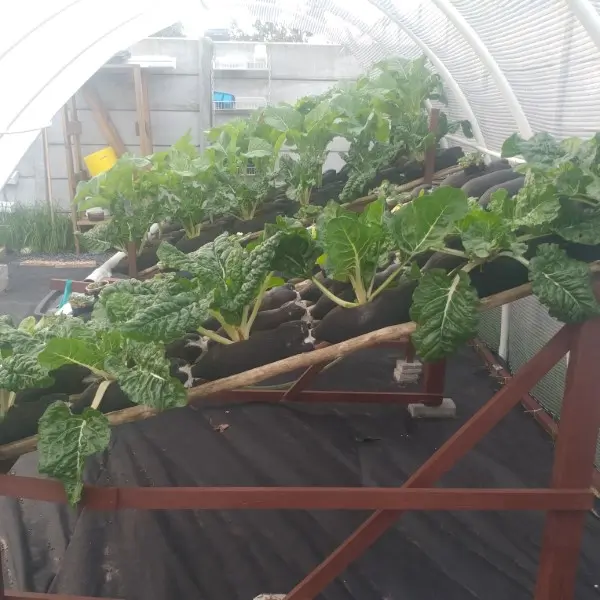
SPeS began not in a sterile laboratory, but in a real South African backyard, facing the same challenges our customers face every day:
- limited resources,
- Loadshedding,
- environmental pressures,
- and the persistent desire for Biological Independence.
What started as hands-on urban farming experiments has evolved over more than a decade into Bundu Teq Agriculture—a decentralized, closed-loop biological engine designed for resilience and profitability.
Not because we believed we had the answers… Because we kept discovering that nature already did.
The History of Bundu Teq – We Didn’t Invent Bundu Teq
One of the biggest misconceptions about innovation is that it means inventing something entirely new. In reality, most breakthroughs come from seeing familiar things differently.
- Earthworms have been engineering soils for millions of years.
- Fungi have been recycling forests since long before humans existed.
- Microorganisms help build the atmosphere we breathe.
- The Amazon’s Terra Preta soils have remained fertile for thousands of years.
None of this is new.
Our contribution has simply been connecting these biological processes into a practical framework that anyone can build in a backyard. Bundu Teq is therefore less an invention than a rediscovery.
Phase 1: The Hydroponic Initiative (2014-2019)
It started with the same disappointment many South Africans face—expensive hydroponic systems that demanded imported chemical inputs. We made our own Alpha and Omega Binary Nutrient Concentrate, fulfilling the Hoagland Formula for a full nutrient profile. But we knew there had to be a better way. Though “organic hydroponics” was considered impossible then…
“From Coke bottles to CEA dreams—solving the Hydroponic nutrient puzzle.”

Phase 2: The Mushroom Breakthrough (2019-2022)
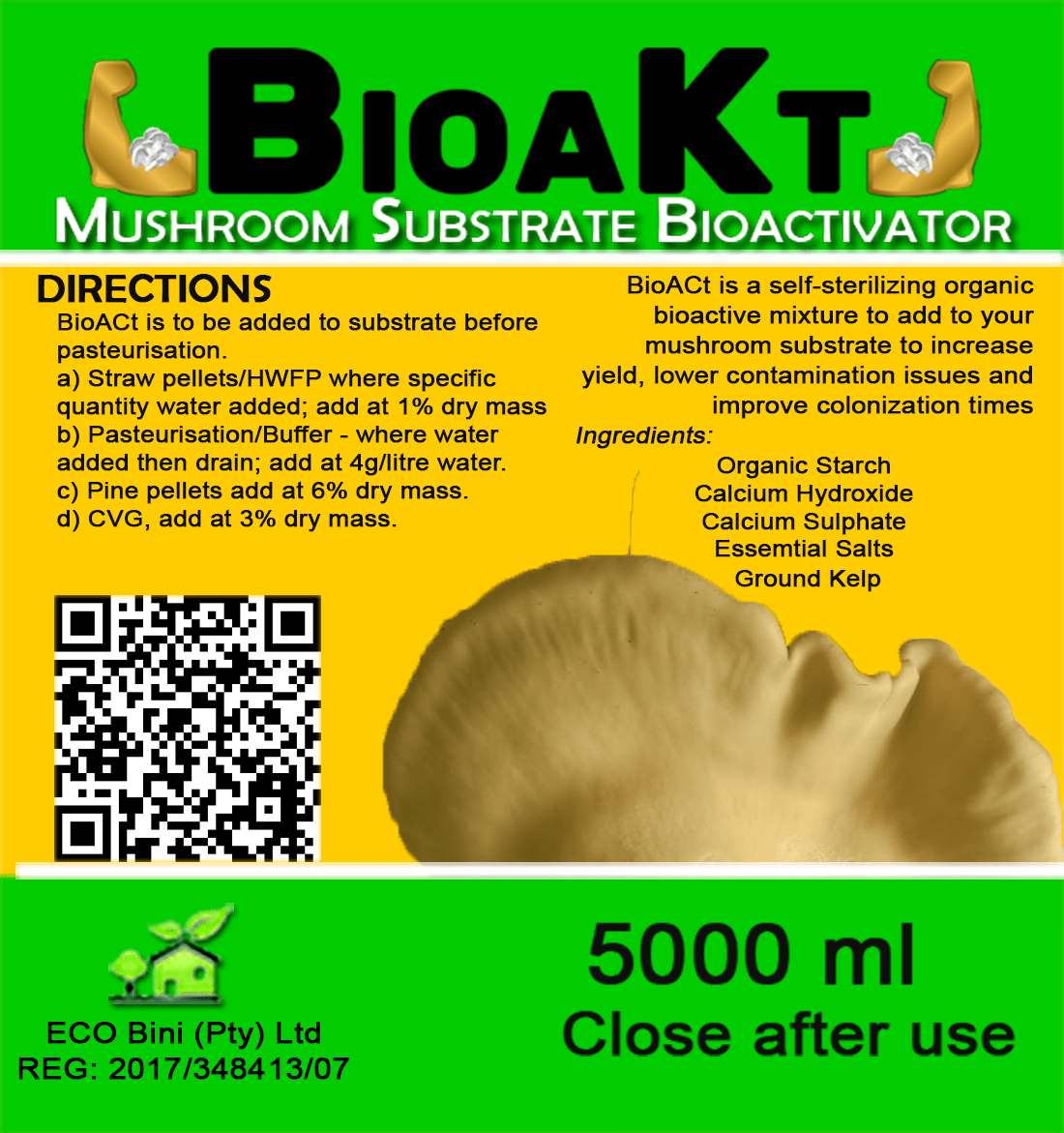
While searching for ways to utilize agricultural waste, we stumbled into mushroom cultivation, and a whole variety of Gourmet Mushrooms—not grown on manure! After countless contaminated batches, the BioaKt discovery changed everything. Bundu Tek pasteurization with specific Calcium compounds created selective substrates with no contamination…
“Waste to wonder: Cracking contamination for SA’s unconventional substrates.”
Phase 3: The Vermicomposting Revelation (2023)
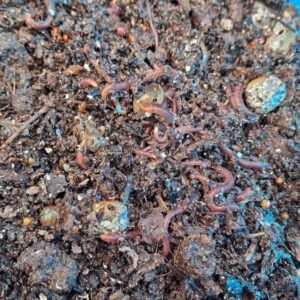
This was the missing link that made everything circular. When we started feeding spent mushroom substrate to worms, something magical happened. The worms not only processed it but created the most incredible vermicompost we’d ever seen. More importantly, we discovered this vermicompost could solve our original hydroponics problem.
“Worms as wizards: Turning spent substrate into VermiPonics.”

Phase 4: Closing the Circle – VermiPonics (2024)
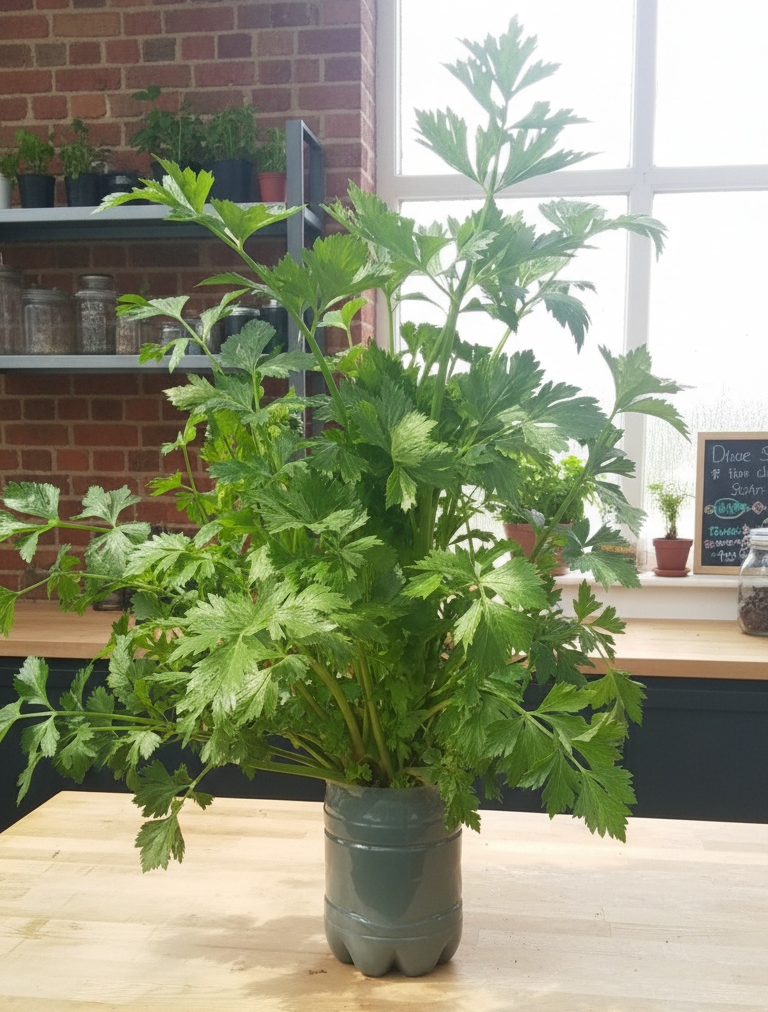
The final breakthrough wasn’t about complicated systems—it was about simplicity itself. Vermicompost in the growing media as nutrient source, with bottom-feeding delivering clean water. No more chemical nutrients, no more complicated dosing schedules. Just pure, organic growth powered by the complete nutrient spectrum in VermiPonics.
“Bottom-fed brilliance: Organic hydroponics, earthworm bio-engineer edition.”
Phase 5: Soil Renaissance – VermiCHARged BAM! (2025)
Building on VermiPonics’ simplicity, our latest STS breakthrough fuses vermicompost’s living microbes with biochar’s eternal structure: VermiCHARged BAM!—a “microbial hotel” that turns Vermicast into a Biome supercharge for permanent Terra Preta fertility. Boosts yields up to 88%, enhances water retention by 13%, and cuts emissions by 30%.
“Biochar + BAM!: Centuries of soil Biome life, from one tub.”
The Real Breakthrough
People often ask what the biggest discovery was.

It wasn’t VermiPonics.
It wasn’t Selective Nutrition.
It wasn’t Double-Tap Biochar.
The real breakthrough was much simpler.
We stopped trying to improve nature…
and started trying to understand it.
Once we viewed plants, fungi and microorganisms as cooperating biological systems rather than separate industries, the framework almost assembled itself.
Every Failure Changed the Question
Looking back, each stage of the journey solved one problem while revealing a much bigger one:
- The lessons learned in hydroponics exposed our reliance on manufactured fertilizers, forging Paradigm Shift #1: Microbial Unlocking.
- Vermiculture revealed earthworms not just as composters, but as engineers of entire microbial ecosystems, leading to Paradigm Shift #2: Worm-Gut Pasteurization.
- Mushroom cultivation demonstrated nature’s transformative power while highlighting the fragility of conventional methods, culminating in Paradigm Shift #3: Selective Nutrition.
- We discovered that ancient insights, like the carbon-sequestering power of Terra Preta biochar, were the foundation for a resilient biological system.
Each answer simply pointed toward the next question, refining our understanding and shaping our approach.
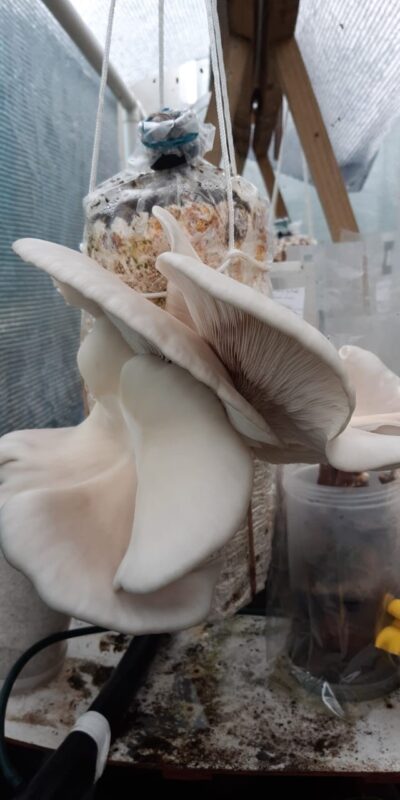
This iterative process, marked by countless trials and breakthroughs, has seen Bundu Teq transform from a mere idea into a comprehensive, living system – a true Biological Refinery. For years, we attempted to capture this evolving knowledge in a static manual, but just as we reached a conclusion, another paradigm shift would emerge. Recognizing this dynamic evolution, we have now incorporated AI to help us create the Bundu Teq Knowledge Base (BTK). This isn’t a static book or PDF; it’s a constantly updating entity, personified by Ed Eco, your Lead Biological Engineer, here to guide you through the ever-expanding landscape of biological independence.
Meet Ed Eco: Lead Biological Engineer & The Bundu Teq Knowledge Base (BTK)
Guiding this practical revolution is Ed Eco, Lead Biological Engineer for the Bundu Teq Knowledge Base (BTK). With a deep understanding of ecological processes and a pragmatic approach honed in the diverse landscapes of Southern Africa, Ed Eco leads our efforts to decode nature’s blueprints. The BTK is not just a repository of information; it’s a living testament to our commitment to practical, replicable, and sustainable solutions. It distills complex biological principles into actionable knowledge, empowering growers everywhere to restore their local ecosystems and achieve true food sovereignty.
Ed Eco is the BTK Curator, trained directly on STS research.
Ask him anything—from troubleshooting plant issues to engineering biological independence.
Why the Sustainability Testing Station Exists
The STS isn’t a laboratory designed to prove ideas.
It’s a workshop designed to break them.
Most innovations look impressive under perfect conditions. We wanted to know what survived under imperfect ones.
We wanted to know what survived under imperfect ones.
Power failures.
Water shortages.
Limited budgets.
Recycled materials.
South African Bundu realities.
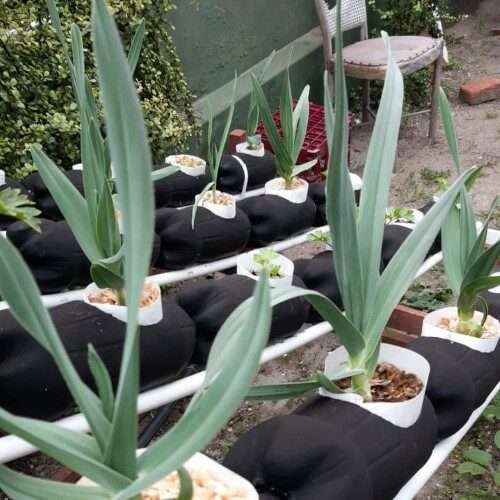
Every failure became another experiment.
Every experiment became another lesson.
Eventually those lessons became STS Notes.
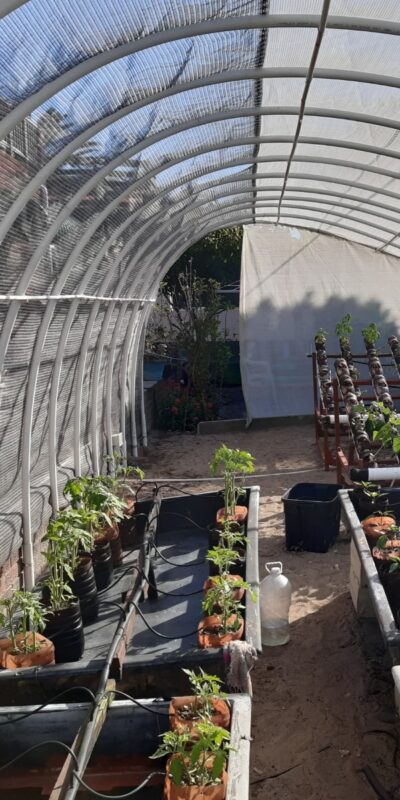
Everything we share has first passed through our own hands. If something doesn’t work at the STS backyard… it doesn’t belong in yours.
Our Philosophy: Restoring Nature’s Refinery Through the Four Rs
At the heart of Bundu Teq is a fundamental belief:
Nature has already solved the challenges of food production.
Our work is not about imposing artificial systems but about restoring and enhancing the natural processes that have sustained life for millennia. We champion the Four Rs of Bundu Teq:
- Reducing industrial dependence,
- Reusing nature’s biological processes,
- Recycling biological resources, and ultimately,
- Restoring Nature’s Refinery.
This philosophy moves us beyond synthetic inputs and high-energy sterilization towards systems that are self-sustaining, resilient, and ecologically harmonious.
The Journey Continues…
Bundu Teq is not finished.
Neither is Eco Bini.
Every season introduces new questions.
New failures.
New ideas.
Some will succeed.
Many won’t.
That’s exactly how the Sustainability Testing Station is supposed to work.
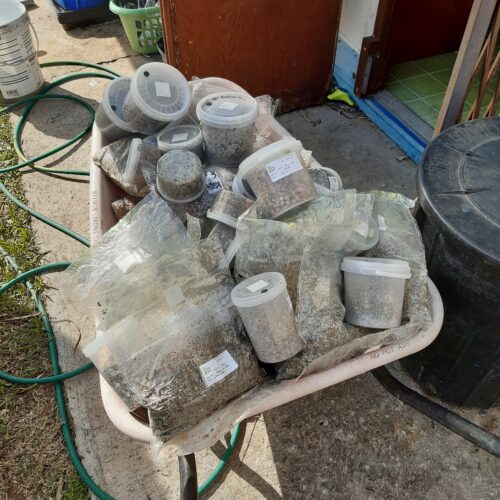
Because engineering biological independence isn’t about reaching the destination.
It’s about continually learning from nature… One growing season at a time.
The Eco BiniTM Ecosystem: From Idea to Application
Bundu Teq is more than just a concept; it’s a fully integrated ecosystem designed to bring these principles to life:
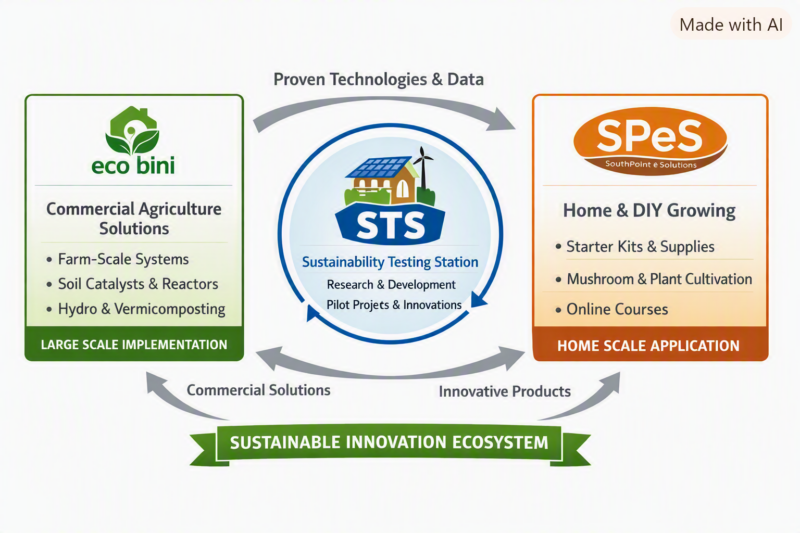
- Eco Bini™: Parent Company – research and technology hub, where new biological systems, methodologies, and products are conceived, prototyped, and refined.
- Sustainability Testing Station (STS): Our real-world validation facility. Here, under authentic South African conditions, we push the boundaries of what’s possible, embracing failure as a critical step towards reliable, repeatable protocols.
- SouthPoint eSolutions (SPeS): Our commercial platform, making the knowledge and tools developed by Eco Bini™ and validated by the STS accessible to growers worldwide. Products bearing the STS Approved designation have undergone rigorous field testing.
Our Vision: Engineering Biological Independence
We envision a future where communities and individuals achieve Biological Independence. This means creating resilient, self-sustaining systems that produce fertile soil, healthy food, clean water, and thriving biodiversity, all while utilizing locally available resources and actively contributing to ecosystem restoration.