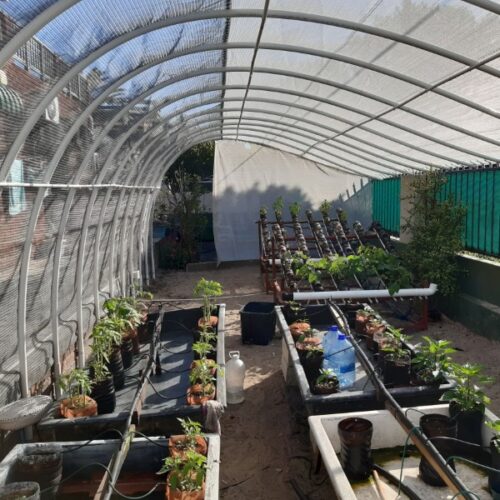
Lettuce bolts—meaning it turns bitter, grows tall, and shoots out seeds—the exact moment its root zone temperature crosses 24°C to 27°C. The air temperature actually matters way less than the ground temperature. If you can keep the roots below 22°C, you trick the plant into thinking it’s still spring, so it keeps making crisp leaves. Because water and wet soil have a massive heat capacity, they take a lot of energy to warm up but hold onto that heat once they do. Stopping this loop without expensive chillers comes down to smart positioning: heavy shade, wetting the earth around your containers, and letting the wind drive natural evaporative cooling.
Why It Happens
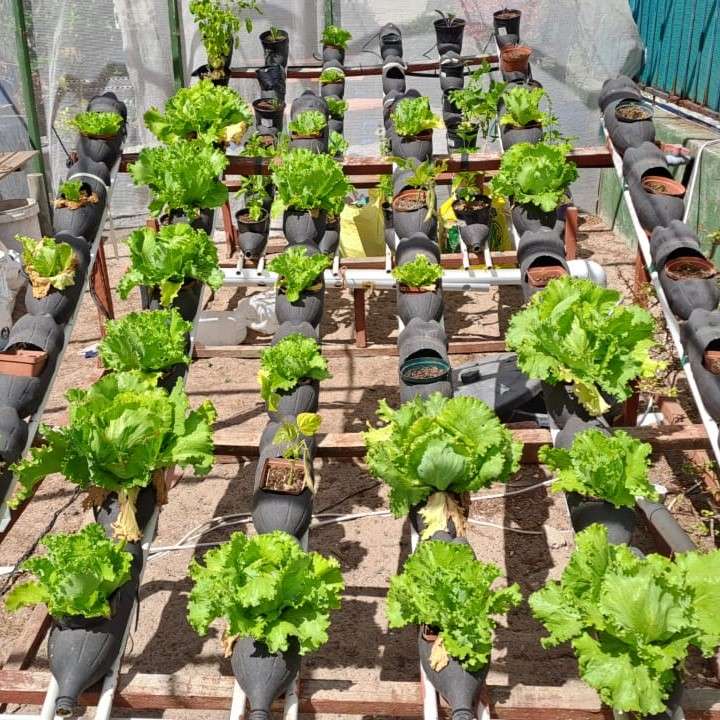
Bolting is just lettuce panic-buying its future. When the roots get hot, the plant thinks summer is ending and rushes to make seeds for the next generation.
As the root zone bakes, the plant gets stressed and starts leaking sugars directly into the soil or water. If you are growing in backyard containers or small setups, these warm, sugary root zones become an all-you-can-eat buffet for root rot pathogens like Pythium. Once that takes hold, the roots turn to brown slime and the plant is finished, turning bitter. To save your crop (or feed your buddy’s giant snails!), you have to protect the roots from thermal spikes.
How to Fix It
Whether you are growing in the soil, wicking beds, or floating rafts, you can use basic physics to keep things cool without electricity:
- The Wet Ground Heat Sink: If you use reservoirs or DWC planting tubs, sink them deep into the soil. Here is the trick: keep the soil around the outside of the tank soaking wet. Dry sand has terrible thermal conductance (0.5 W/m·K), but wet sand jumps up to (2.5 W/m·K). Heat from the water or container gets sucked straight out into the deep, cool earth. Furthermore the water evaporates – further cooling the soil.
- Use the Wind for Evaporative Cooling: If you’re running a floating raft setup, orientate the DWC NW/SE, drop the water level by 5 to 10 cm to create an air gap under the foam. Let the Cape South-Easter blow right through that gap. Because evaporating water absorbs a massive amount of energy (2.26 kJ/g ), the wind will actively chill the water surface for you, lets call it passive cooling for lettuce!
- Shade-Net and atomizers: South Africa gets some of the intense solar radiation on earth (4.5 to 6.5 kWh/m2/day). Yes you read that right – 6 electrical units/m2/day! Build a 40% black-and-white shade net over the area to solar energy before it hits your containers, as the net absorbs 40% of the solar irradiation. Also orientate to the wind to increase cooling – and pair this with a low-cost automated atomizing spray system to flash-cool the surrounding micro-climate on blistering, still days.
- Seasonal Planting: If all else fails, like our hot South-East blasts January – end February, plant tomatoes in December. Still leaves 3/4 of the year to grow lettuce as the weather then more in our favour – cool and wet. Choose slow-bolting varieties (e.g. Salanova, Rex, Buttercrunch, or heat-tolerant romaine types).
- Air Pumps: Provide a minimum of one airstone with an output of 4-5 Litres Per Minute (LPM) for every 2–4 m² of water surface area is international standard – but with our hot sun sure you have capacity to pump air at 3 LPM per 2m2 surface area and double air stones. Also ensure air stones clean and bubbling well.
- Nutrients: A quick hack in hydroponics is to lower your EC/nutrients, by up to half, when weather warm. This is a two fold benefit, increases plant transpiration rates [sweats] – and less salty water evaporates easier.
Common Mistakes
- Black : Using bare black soda bottles, black pots, or unshaded dark plastic creates an instant water heater as black absorbs all solar energy, believe us – they bolt on us in winter when in black agricultural bags! Always wrap containers, paint them white – or silver to reflect the heat.
- The Ice Cube Shock: Dropping frozen water bottles or ice straight into a warm root zone is a terrible idea. The sudden temperature drop shocks the roots, causing them to crack and leak even more sugars, which actually accelerates bolting and rot once the ice melts.
- Suffocating the Airflow: Sealing your plants inside a tiny plastic greenhouse traps humidity. Once the humidity goes past 60%, evaporative cooling stops working because the wet air can’t hold any more moisture. Keep things open and let the air move.
STS Insight
There is a common myth that pumping air into a summer reservoir through air stones will heat up the water because the air outside is hot. But physics says otherwise: air holds very little thermal energy (1 kJ/kg·K) compared to water (4.18 kJ/kg·K). The heat entering via the bubbles is completely wiped out by the cooling effect of the air popping on the surface and causing evaporation. If your backyard greens are struggling, stop looking at air chillers. Build a deeper thermal mass, keep the ground around your tanks wet, and let evaporation do the heavy lifting.
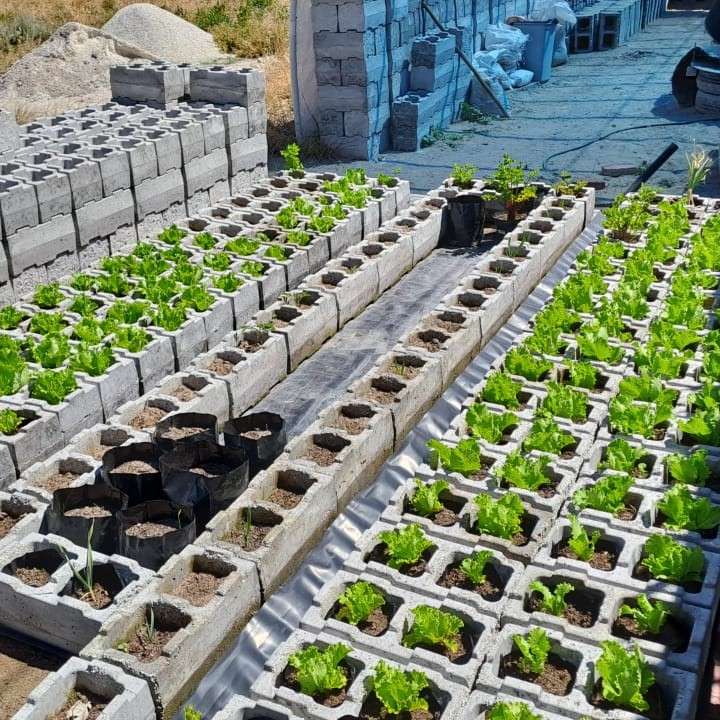
STS Hack: For Commercial DWC systems you can incorporate a simple cooling cycle with a drum set in ground, and water flow pf 5LPM is required per m2 to remove the summer heat, which can be controlled by simple temperature controller.