Revolutionise your harvest: Grow abundant lettuce hydroponically, even in tough African climates.
Summary
This lab note explores Deep Water Culture (DWC) hydroponics, a practical solution for lettuce farming in Africa. We delve into the challenges of local conditions and how DWC overcomes them, detailing the system’s setup, operation, and maintenance. Learn how to achieve consistent, high-quality yields by understanding the core principles and applying them effectively.
I. The Challenge: Cultivating Greens in African Contexts
Africa’s agricultural landscape presents unique challenges for consistent crop production, particularly for sensitive crops like lettuce. Traditional soil-based farming often grapples with:
Water Scarcity: Many regions face unpredictable rainfall patterns and limited access to reliable water sources, making irrigation a constant concern.
Soil Degradation: Over-farming, erosion, and nutrient depletion can render land infertile, requiring significant input to achieve viable yields.
Pest and Disease Pressure: Tropical and subtropical climates can foster aggressive pest and disease cycles, necessitating heavy reliance on chemical interventions that are costly and environmentally damaging.
Climate Variability: Extreme heat, fluctuating temperatures, and intense sunlight can stress or kill lettuce plants, limiting growing seasons and reducing crop quality.
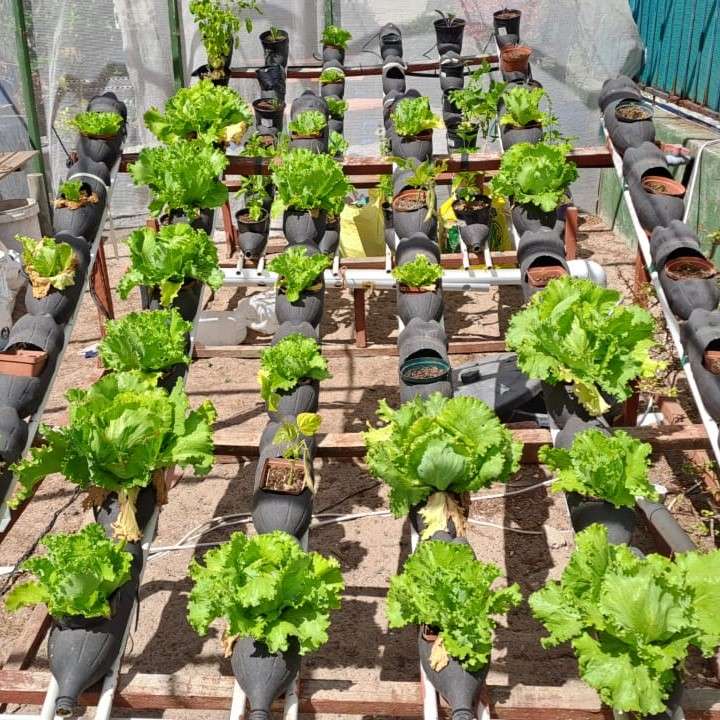
These factors make establishing a predictable and profitable lettuce farming operation difficult. Conventional methods often require substantial land, intensive labour, and significant inputs, with yields remaining vulnerable to environmental whims. The need for a more controlled, efficient, and resilient farming system is evident.
Hydroponics is revolutionizing agriculture across Africa and the world, offering a sustainable and efficient way to grow crops without soil. One of the most promising applications of hydroponics is the cultivation of lettuce using Deep Water Culture (DWC) systems. This method not only maximizes space and resources but also ensures faster growth and higher yields.
II. The Solution: Deep Water Culture (DWC) Hydroponics

Hydroponics offers a compelling alternative by growing plants without soil, using nutrient-rich water solutions. Among the various hydroponic systems, Deep Water Culture (DWC) stands out for its simplicity, efficiency, and suitability for a wide range of crops, including lettuce.
In a DWC system, plant roots are suspended directly in a reservoir of nutrient-rich, oxygenated water. This direct access to nutrients and oxygen promotes rapid growth and healthier plants.
For African contexts, DWC presents several key advantages:
- Water Efficiency: DWC systems use significantly less water than traditional agriculture, as water is recirculated and evaporation is minimised. This is crucial in water-scarce regions.
- Reduced Land Footprint: DWC can be set up vertically or in compact configurations, allowing for high-density production in small areas, ideal for urban farming or regions with limited arable land.
- Controlled Environment: By managing the nutrient solution, pH, and oxygen levels, growers can create an optimal environment for plant growth, mitigating the impact of external climate variability and reducing pest/disease pressure.
- Faster Growth & Higher Yields: With direct access to all necessary nutrients and ample oxygen, plants in DWC systems often grow faster and produce higher yields compared to soil-grown counterparts.
- Simplified Nutrient Management: Precise control over nutrient delivery means plants receive exactly what they need, when they need it, leading to healthier, more robust growth and better quality produce.
III. Understanding the DWC System Components
A basic DWC system is deceptively simple but requires careful assembly and management. Key components include:
1. Reservoir: This is the container holding the nutrient solution. Food-grade plastic tubs, buckets, or custom-built tanks are commonly used. The size depends on the scale of operation and the number of plants. It must be opaque to prevent light from reaching the nutrient solution, which can encourage algae growth.
2. Net Pots: Small plastic mesh pots that hold the plants and growing medium. They allow the roots to grow down into the nutrient solution.
3. Growing Medium: An inert material that supports the plant in the net pot and allows roots to grow through. Options include rockwool cubes, coco coir, perlite, or clay pebbles (hydroton). The medium should provide initial support and allow for root penetration.
4. Lid/Support Structure: This sits atop the reservoir and has holes cut to hold the net pots. It supports the plants and keeps light out of the reservoir.
5. Air Pump: This device pumps air into the reservoir.
6. Air Stone: Connected to the air pump via airline tubing, the air stone diffuses the air into tiny bubbles, increasing the surface area for oxygen transfer into the water. This is critical for root health.
7. Airline Tubing: Connects the air pump to the air stone.
8. Nutrient Solution: A carefully balanced mixture of water and hydroponic nutrients specifically formulated for leafy greens. This solution provides all the essential macro- and micro-nutrients required for plant growth.
9. pH Meter and EC/TDS Meter: Essential tools for monitoring and adjusting the nutrient solution. The pH meter measures acidity/alkalinity, and the EC/TDS meter measures the concentration of dissolved nutrients.
IV. Setting Up Your DWC System: A Step-by-Step Guide
Setting up a DWC system for lettuce is straightforward, even for beginners.
1. Prepare the Reservoir and Lid:
Clean the reservoir thoroughly.
Cut holes in the lid to snugly fit your net pots. Spacing depends on the mature size of your lettuce variety – typically 15-25 cm apart for standard lettuce.
Ensure the lid fits securely on the reservoir.
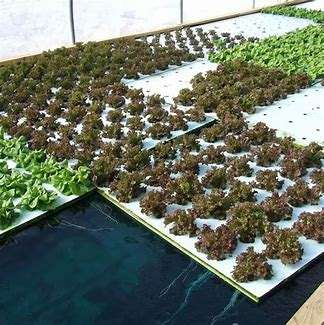
2. Install Aeration:
Place the air stone at the bottom of the reservoir.
Connect the air stone to the air pump using airline tubing. Ensure the air pump is positioned above the water level to prevent back-siphoning in case of a power outage.
| Channel Surface Area | Recommended Airstones | Minimum Total Airflow |
|---|---|---|
| 2 – 4 m² | 1 x 4-5 LPM stone | 4-5 LPM |
| 4 – 8 m² | 2 x 4-5 LPM stones | 8-10 LPM |
| 8 – 12 m² | 3 x 4-5 LPM stones | 12-15 LPM |
3. Prepare the Nutrient Solution:
Fill the reservoir with clean, preferably filtered or dechlorinated water.
Add hydroponic nutrients according to the manufacturer’s instructions. It’s best to add nutrients one part at a time, mixing thoroughly after each addition, especially for multi-part nutrient solutions.
Use your EC/TDS meter to measure the nutrient concentration. For lettuce, a target EC of 0.7-1.2 mS/cm is generally suitable, but this can vary by variety and growth stage. For higher temperature zones use a lower EC reservoir strength, increasing in winter/cooler months.
Use your pH meter to measure the pH. For lettuce, a pH range of 5.5-6.2 is optimal for nutrient uptake. Adjust pH using pH Up or pH Down solutions sparingly, mixing well and re-measuring after each adjustment.
4. Prepare Seedlings/Transplants:
Start lettuce seeds in rockwool cubes, coco coir plugs, or similar inert starter media. Keep them moist and warm until germination and the first true leaves appear.
Once seedlings have a good root system emerging from the starter cube, they are ready for transplanting. Gently place the starter cube into a net pot.
Fill any remaining space in the net pot with your chosen growing medium to support the starter cube and the seedling. Ensure the stem is supported but not buried too deeply.
5. Transplant and Initiate System:
Place the prepared net pots with seedlings into the holes in the reservoir lid.
Ensure the bottom of the net pot (and ideally the seedling roots) is submerged in the nutrient solution.
Turn on the air pump to begin oxygenating the solution.
V. Operating and Maintaining Your DWC System
Consistent monitoring and maintenance are key to a successful DWC operation.
| Parameter | Target for Lettuce Seedlings | Tool Needed |
|---|---|---|
| pH | 5.5 – 6.0 | pH Meter |
| EC | 0.8 – 1.2 mS/cm | EC/TDS Meter |
| Water Temp | 18 – 22°C (65 – 72°F) | Thermometer |
| Aeration | Vigorous “boiling” surface | Visual Check |
Monitor Nutrient Solution Levels: As plants grow and transpire, the water level in the reservoir will drop. Top up the reservoir regularly with fresh, pH-adjusted water. If topping up frequently, consider adding a diluted nutrient solution to maintain EC levels.
Monitor and Adjust pH: Check the pH daily or every other day. It tends to drift, especially as plants absorb nutrients. Maintain the optimal range of 5.5-6.2.
Monitor and Adjust EC/TDS: Check the EC/TDS level every few days. If it rises significantly, it might indicate the plants are drinking more water than they are absorbing nutrients, or the solution is too concentrated. If it drops, plants are absorbing nutrients faster than water. Adjust by adding water or a more concentrated nutrient solution as needed.
Complete Nutrient Solution Change: It is recommended to completely drain and replace the nutrient solution every 3 weeks, depending on system size, plant density, and environmental conditions. Start a new crop with new nutrient solution – this prevents nutrient imbalances and buildup of pathogens. Clean the reservoir during a full change.
Check Aeration: Ensure the air pump is running continuously and the air stone is producing a vigorous bubbling action. Clogged air stones should be cleaned or replaced.
Temperature Control: Ideal water temperature for lettuce DWC is between 18-22°C (65-72°F). Higher temperatures reduce dissolved oxygen, stressing roots and promoting pathogens. In hot climates, consider methods to cool the reservoir, such as insulation, shading, or even small chillers for larger systems. This is most probably the biggest stumbling block, maintaining temperature below 23°C to prevent bolting.
Light Requirements: Lettuce needs adequate light for healthy growth, typically 12-16 hours per day. Supplemental lighting (LED grow lights are efficient) may be necessary in areas with insufficient natural light or during shorter days. It is advised to grow cooler weather varieties in winter as they happy with shorter days.
VI. Troubleshooting Common Issues
Even with careful management, problems can arise.
| Symptom | Most Likely Cause | Immediate Action |
|---|---|---|
| Brown, Slimy Roots | High Water Temp / Low O₂ | Check temp; Verify aeration |
| Yellowing Leaves | pH Lockout / Low EC | Test and adjust pH & EC |
| Green Slime in Tank | Light Leak | Cover all light sources |
| Plants Wilting | Air Pump Failure | Check pump & power supply |
| Central stalk elongates, bitter taste | High Air/Root Temp, Wrong Variety | Verify variety is bolt-resistant; Implement shade/cladding; Cool reservoir |
Yellowing Leaves: Can indicate nutrient deficiency (check pH and EC first, then nutrient levels), insufficient light, or root issues due to low oxygen or high temperatures.
Wilting: Often caused by lack of oxygen to roots (check aeration), root rot (due to high temperatures or pathogens), or insufficient nutrient solution levels.
Root Rot: Characterised by brown, slimy, or mushy roots with a foul odour. Caused by low dissolved oxygen, high water temperatures, or pathogens. A complete solution change, reservoir cleaning, and improving aeration/temperature are crucial. Hydrogen peroxide (food grade) can sometimes be used to combat root rot, but with caution.
Algae Growth: Green slime in the reservoir or on the lid. Caused by light exposure to the nutrient solution. Ensure the reservoir is opaque and the lid fits snugly. Remove algae manually during solution changes.
Stunted Growth: Can be a symptom of nutrient imbalance, incorrect pH, insufficient light, or poor root health.
VII. Conclusion: A Sustainable Path to Greens
Deep Water Culture hydroponics offers a robust and efficient method for growing lettuce in diverse African conditions. By providing a controlled environment, conserving water, and delivering precise nutrition, DWC systems can overcome many of the limitations faced by traditional agriculture.
The principles are straightforward: a well-aerated, nutrient-balanced water reservoir, a stable growing medium, and consistent monitoring. While initial setup requires attention to detail, the ongoing operation is manageable, leading to predictable harvests of high-quality lettuce.
Implementing DWC hydroponics is not just about growing lettuce; it’s about cultivating food security, reducing reliance on chemical inputs, and fostering sustainable agricultural practices in regions where they are most needed. It represents a practical engineering solution to a persistent challenge, bringing fresh, nutritious greens within reach.
The key takeaways for your commercial success are:
- Aerate by Surface Area: 4+ LPM per 2-4 m².
- Keep the Reservoir Cool: 18-22°C is non-negotiable for healthy roots and to keep from bolting
- Manage Your Chemistry: Consistent pH and EC monitoring is the foundation of plant health.
- Be Proactive, Not Reactive: A strict weekly maintenance schedule prevents nearly all common problems.
This tutorial provides the foundation. Your experience and observation will now be your best tools for refinement and scaling. We wish you the greatest success in your hydroponic journey.
🌱Let’s embark on this journey together and discover the future of lettuce farming in Africa!
-
STS
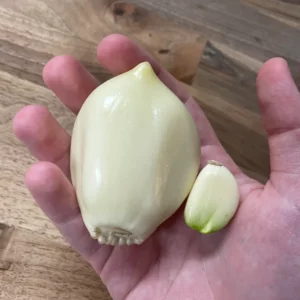
Elephant Garlic Tincture (1:5 AGE Extract ) | 20.4% ABV
Original price was: R450.R295Current price is: R295. Add to basket🛠️Concentrated, Biologically Active Phytochemical Extract
🛠️ Optimized 1o-Min Air-activated Allicin window (AGE)
🛠️1:5 Fresh Organic Garlic Ratio
🛠️Stable 20% ABV Matrix – Long shelf life -
STS
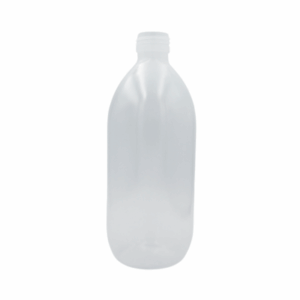
Alpha & Omega [Kratky & Passive Hydro] Nutrient Kit – 2x 500ml
Original price was: R195.R95Current price is: R95. Add to basket🛠 Dual-part liquid Kratky hydroponic nutrient concentrates
🛠 Refined Hoagland solution pre-dissolved in 2x 500ml UV-opaque white bottles
🛠 perfect for passive indoor herb gardens — Just Dose and Grow -
STS
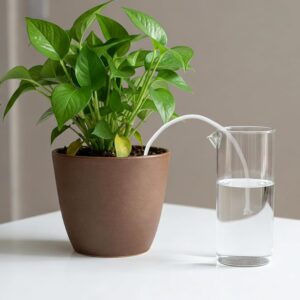
Self-Irrigating Capillary Wicking Cord – 10 meter
Original price was: R140.R115Current price is: R115. Add to basket🌱 High-performance 4mm capillary cord.
🌱 Consistent, self-watering moisture delivery.
🌱 Wicking water in self-watering planters, hydroponic seedlings
🌱 Automation-free vacation watering. -
STS
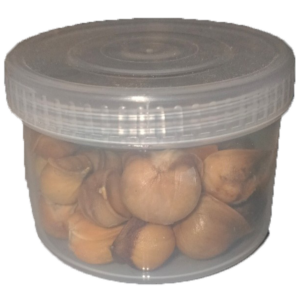
Kashmiri Pearl Poppers & Fermented SAC Extract (270g)
Original price was: R349.R245Current price is: R245. Made to Order🍽️ Lacto-fermented Kashmiri corms in active brine
🍽️ High-potency bio-available S-allyl-cysteine
🍽️ Crunchy whole corms with SAC postbiotic tonic
🍽️Pure shelf-stable dual-action garlic elixir
Socratic Questions:
1. What are the main challenges for lettuce farming in Africa?
2. How does DWC hydroponics conserve water resources?
3. What is the ideal pH for DWC lettuce nutrient solution?
4. How can root rot be prevented in DWC systems?
5. What are the benefits of DWC over soil-based farming?