AGE is a field extraction method designed to capture the transient sulfur chemistry of Garlic,
Summary
generated immediately after crushing elephant garlic (Allium ampeloprasum var. ampeloprasum). We document a controlled “activation window” approach where enzymatic conversion is allowed to proceed briefly before hydroalcoholic stabilization. The process targets the post-crush biochemical phase, including allicin formation and early sulfur transformation products.
1. Introduction
Garlic has long been used as a biological agent in traditional systems due to its rapid sulfur-based reactivity when mechanically disrupted. However, most conventional extraction methods fail to account for a critical feature of Allium chemistry: the majority of biologically relevant sulfur compounds are not present in intact tissue. Instead, they are generated dynamically through enzymatic conversion after cellular damage.
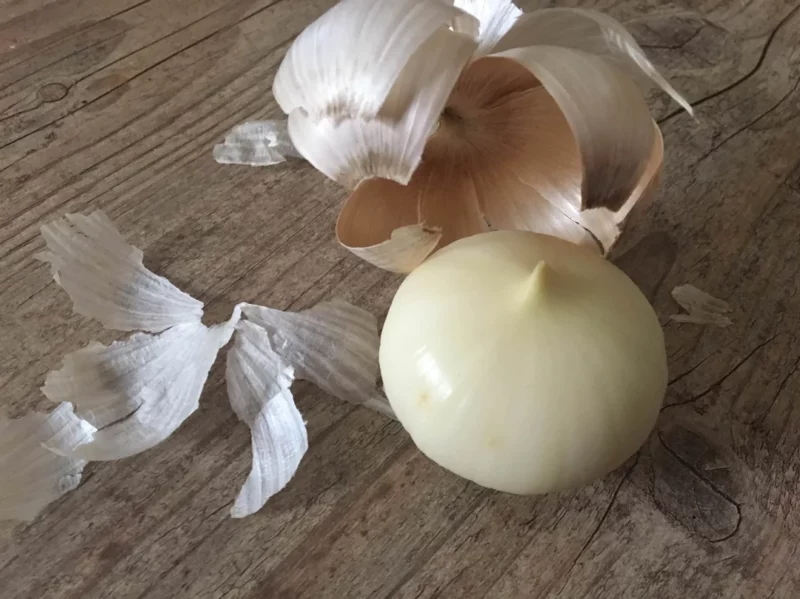
This STS Lab Note introduces Activated Elephant Garlic Extract (AGE) as a controlled field method for capturing this transient biochemical state. The focus is not on isolating a single molecule such as allicin, but on stabilising the broader sulfur-rich phase produced immediately after crushing.
2. Biological Background: The Allium Reaction System
In intact garlic, key precursor compounds are physically separated:
- Alliin (stable sulfur precursor)
- Alliinase (enzyme stored in vacuoles)
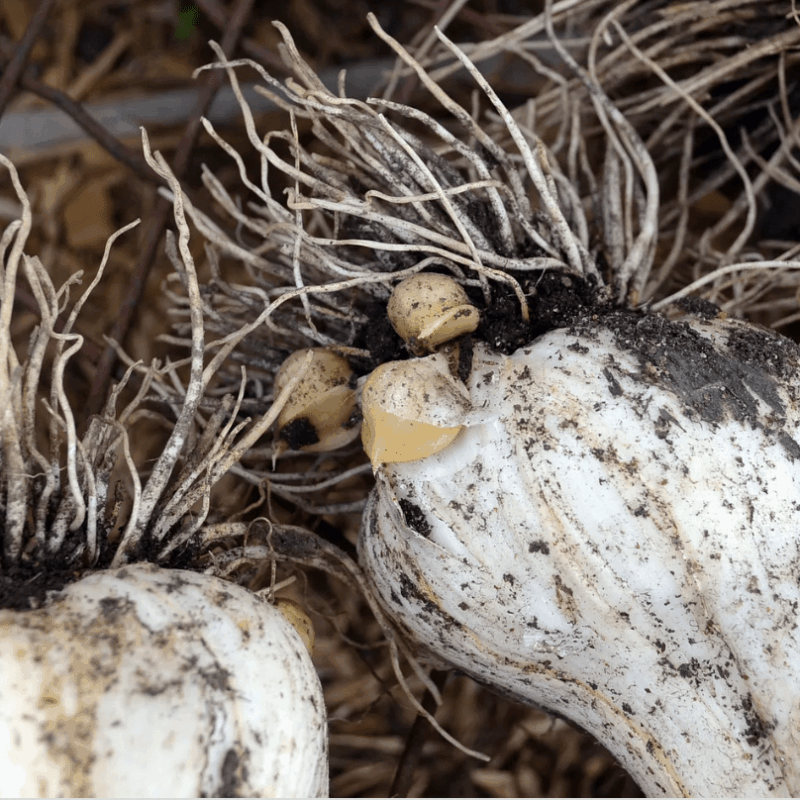
When the tissue structure is disrupted through crushing or blending, these compartments collapse, allowing enzyme-substrate interaction. This initiates a rapid conversion cascade:
Alliin → (alliinase) → Allicin → downstream sulfur transformation products
Allicin is highly reactive and short-lived. It rapidly transforms into a range of secondary sulfur compounds including ajoene, diallyl sulfides, and related organosulfur derivatives. These transformations begin within minutes and continue depending on environmental conditions such as oxygen exposure, temperature, and solvent environment.
This makes timing the central variable in any extraction process.
3. Problem Statement
Conventional garlic extraction methods typically fail in one of two ways:
- Immediate solvent capture
- Alcohol or oil is added immediately
- Enzymatic conversion is partially suppressed
- Low yield of activated sulfur compounds
- Delayed processing or heat-based extraction
- Enzymes are denatured before full conversion
- Allicin formation is reduced or bypassed
- Resulting extract is chemically shifted toward degradation products
Both approaches fail to intentionally control the activation window, which is the short period where the highest concentration of reactive sulfur species exists.
4. AeGE Concept: The Activation Window Model
Activated Elephant Garlic Extract (AeGE) is based on a controlled two-phase model:
Phase 1: Biological Activation (Time-Dependent)
Mechanical disruption initiates enzymatic conversion. A short controlled exposure period allows peak formation of allicin and related sulfur intermediates.
Phase 2: Chemical Stabilisation (Solvent Quenching)
A hydroalcoholic solvent is introduced to arrest further enzymatic activity and preserve the chemically active mixture in a stabilised form.

The key engineering principle is:
The extract is not formed by dissolution alone, but by capturing a transient biochemical event.
Timing Is Everything: The “Activation Window
When you crush or chop elephant garlic, it triggers a burst of chemical reactions. The most important step is the 10-minute waiting period after chopping:
This allows the enzyme alliinase to turn alliin into allicin and other sulfur-rich compounds.
These actives reach their peak at around 10 minutes, but then start to fade quickly—so you have a short window!
5. Materials and Method
5.1 Raw Material
Fresh elephant garlic (Allium ampeloprasum var. ampeloprasum)
5.2 Equipment
- Mechanical crusher or blender
- Glass vessel (amber preferred)
- Vodka (approx. 40% ethanol)
- Filtration medium (cloth or fine mesh)
5.3 Procedure
Step 1: Mechanical Activation
Crush or blend fresh elephant garlic corms until full tissue rupture is achieved. The objective is complete exposure of intracellular enzymes and precursor compounds to air.
Step 2: Controlled Activation Window
Allow the crushed material to stand exposed to air for approximately 10 minutes.
During this period:
- alliinase converts alliin into allicin
- early-stage sulfur transformation begins
- peak reactive sulfur concentration develops
This window is critical for determining final extract potency profile.
Step 3: Hydroalcoholic Stabilisation
Add vodka at approximately 2.5× the mass of the crushed garlic slurry.
The ethanol-water mixture serves three functions:
- chemically quenches the Allium reaction system
- solubilisation of sulfur compounds
- microbial stabilisation for storage
Step 4: Filtration and Storage
Filter the mixture to remove solid plant matter. Store in a sealed amber container at ambient temperature away from direct light.
6. Mechanistic Interpretation
AeGE is best understood as a chemically arrested reaction system rather than a conventional botanical extract.
Three interacting mechanisms define the final composition:
6.1 Enzymatic Conversion Phase
Short-lived enzymatic activity generates allicin and related sulfur intermediates.
6.2 Oxidative Transformation Phase
Post-formation allicin begins spontaneous conversion into secondary sulfur compounds depending on oxygen exposure and time delay before stabilisation.
6.3 Solvent Stabilisation Phase
Ethanol-water mixture reduces enzymatic activity and slows further transformation, effectively preserving a snapshot of the reaction mixture at the time of quenching.
7. Key Insight: Temporal Chemistry
The defining characteristic of Allium extraction systems is that chemical composition is time-dependent.
Unlike static plant compounds, sulfur chemistry in garlic exists as a dynamic sequence:
- precursor storage phase (stable)
- activation phase (rapid conversion)
- transformation phase (unstable cascade)
AeGE intentionally targets the transition between activation and transformation.
This makes timing a critical engineering variable rather than a passive step.
8. Practical Implications
The AeGE method suggests several operational implications for field-based extraction systems:
- Potency is strongly dependent on crushing uniformity
- Activation time must be controlled within a narrow window
- Immediate solvent addition suppresses full enzymatic conversion
- Delayed solvent addition risks loss of transient compounds
- Alcohol concentration determines long-term stability profile
Therefore, consistency in timing and ratio is more important than raw material quantity.
9. Limitations
AeGE does not isolate or preserve pure allicin as a stable compound. Allicin remains chemically reactive and continues to transform over time even in hydroalcoholic solution.
The extract should therefore be understood as:
a stabilised sulfur phytochemical system derived from activated garlic tissue
rather than a single-compound preparation.
10. Conclusion
Activated Elephant Garlic Extract (AeGE) represents a shift in botanical extraction methodology from static compound isolation to controlled biochemical event capture.
By introducing a defined activation window prior to hydroalcoholic stabilisation, AeGE captures the transient sulfur chemistry produced during garlic tissue disruption. This includes allicin formation and early transformation products within a stabilised extract matrix.
The method reframes garlic processing as a time-dependent reaction system, where biological activation is as important as extraction itself.
This approach may be extended to other Allium species and similar enzymatically active botanical systems where compound formation is triggered by mechanical disruption.
Why Not Just Use Regular Garlic?
| Zone of Inhibition (diameter in mm) against C.albicans | ||||||
| 24hours | 48hours | |||||
| Conc. (mg/ml) | EG | NG | p-value | EG | NG | p-value |
| 40 | 13.3±0.33 | 10±0 | 0.01 | 10.7±0.67 | 0±0 | 0.004 |
| 60 | 14.7±0.88 | 12±1 | 0.208 | 13±0.58 | 0±0 | 0.002 |
| 80 | 16.7±0.88 | 14.7±1.2 | 0.423 | 14±0.58 | 0±0 | 0.002 |
| 100 | 17.7±0.88 | 17.3±1.2 | 0.868 | 16±0.58 | 9.7±5.04 | 0.366 |
| 200 | 19±0.58 | 21±0.58 | 0.074 | 18.3±0.33 | 16.3±1.2 | 0.321 |
The Operational Analysis: At standard field-application and biological consumption strengths (40 mg/ml to 80 mg/ml), common garlic’s defensive capacity drops to absolute zero after 48 hours (In Vitro). Conversely, the Elephant Garlic extract maintains an aggressive, highly active zone of inhibition (10.7 mm to 14.0 mm). It functions as a true slow-release bio-shield.
TLC-based fingerprinting to show that these corms are significantly more enriched with S-allyl-L-cysteine (SAC) and Saponins than normal garlic.
- Saponins in this specific variety have shown aggressive activity against resistant fungal strains.
- SAC is a powerful polar organosulfur compound known for its high bioavailability and heart-protective qualities.
| Phyto-constituents | Kashmiri Garlic | Normal Garlic |
| Carbohydrates | + | + |
| Glycosides | ++ | + |
| Alkaloids | + | ++ |
| Saponins | +++ | + |
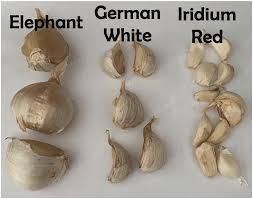
What Is AeGE
Activated Elephant Garlic Extract (AeGE) is a shelf-stable, alcohol-based extract made to preserve the full spectrum of elephant garlic’s natural defenses. By capturing the “post-crush” phase at its peak, AeGE gives you a more powerful and longer-lasting garlic extract than extracts made from regular garlic.
Scientific Reference: This article is based on the research paper: “Nutritional, Preliminary Phytochemical and In-vitro Antifungal Profile of Elephant Garlic Corms from the Himalayas” published by the Defence Institute of High Altitude Research (DIHAR) and Panjab University.
View Original Study on ResearchGate Click on thumbnail to read →
-
STS
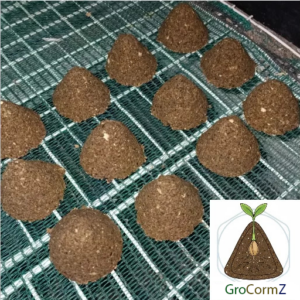
Elephant Garlic Seed Bio-pod | GroCormZ
Price range: R50 through R149 Select options This product has multiple variants. The options may be chosen on the product page🛠 Engineered Conical Bio-Pod
🛠 Soil Biome Infused VitaVermi BAM! Matrix
🛠Hygroscopic Terra Pre… -
STS
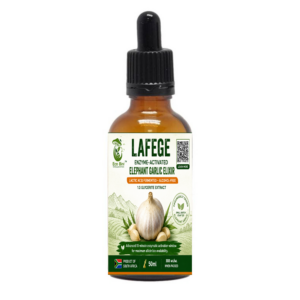
Enzyme-Activated Elephant Garlic Elixir | 50ml ...
Original price was: R325.R195Current price is: R195. Add to basket🧄 Proprietary LAFEGE fermented Elephant Garlic botanical extract
🌿 Enzyme-activated and natur… -
STS
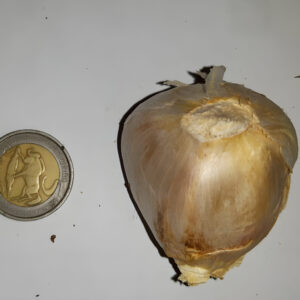
Organic Elephant Garlic Cloves – Vernalized
Original price was: R350.R295Current price is: R295. Add to basket🌱 Large, mild-flavoured cloves
🌱 10 Elephant Garlic Organic seeds
🌱 Vernalized for immediat… -
STS
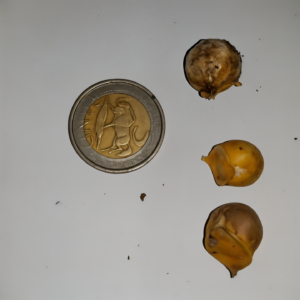
Organic Elephant Garlic Corms (Heirloom)
Original price was: R135.R95Current price is: R95. Add to basket🌱 Start your Elephant Garlic journey.
🌱 Grows into Ajo Macho Solo Round.
🌱 Perennial plant …
Socratic Questions
- “Elephant garlic extract benefits vs normal garlic”
- “S-allyl-L-cysteine in elephant garlic”
- “How to extract allicin from elephant garlic”
- “Elephant garlic corm antimicrobial properties”
- “Activated elephant garlic extract”