Unlike traditional liquid culture (LC), Liquid Inoculant (LI) is engineered for metabolic slowing,
Summary
allowing for long-term genetic preservation without the rapid nutrient depletion found in standard sugar-based broths. Master the art of mycelium preservation using high-stability Liquid Inoculants. This post provides the technical framework for creating and using LI to safeguard your genetics and streamline the inoculation of large-scale substrates.
Introduction
When it comes to mushroom cultivation, the art of preserving mycelium is just as critical as growing it. For decades, cultivators have relied on agar slants or liquid cultures (LC) to store their favourite strains, but these traditional methods come with challenges—contamination risk, short shelf life, and the need for refrigeration. Enter Liquid Inoculant with Nutrients (VermiLIN): a game-changing approach that’s setting a new standard for long-term, reliable mycelium preservation.

1. Unmatched Sterility: The Science Behind LI
What sets VermiLIN apart is its foundation—Castellani’s distilled water technique, enhanced with Essential Salts (such as those found in LIN Concentrate). Unlike liquid cultures, which often use sugary or nutrient-rich organic broths that can easily become a breeding ground for bacteria and mould, LI’s salt-based formula is highly selective. It provides just enough nitrogen, phosphorus, and potassium to keep the mycelium viable, but no organics for contaminant microbes to thrive on.
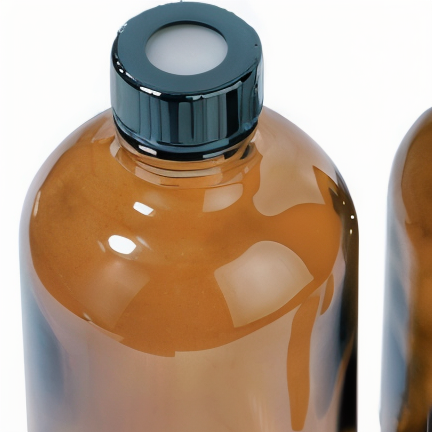
Eco Bini™ Culture Bottle with 3mm Septum (SHIP)
High-quality screw-cap culture bottle with a built-in Self-Healing Injection Port (SHIP). Ideal for liquid inoculants and DIY microbiology. Pre-autoclaved, available as single units or bulk 4-packs.
The result? Low-nutrient, long-term storage. We’ve successfully revived strains like Pink Oyster and Reishi after five years in LI standing on the shelf—an achievement almost impossible with traditional agar slants, especially for tropical species that don’t tolerate refrigeration well. With LI, your genetics can survive 4–7 years at room temperature, ready for action whenever you need them.
2. Low-Tech, Scalable & User-Friendly
One of the most appealing aspects of LI is its accessibility. You don’t need high-end lab equipment to get started. Simply use McCartney bottles equipped with a Self-Healing Injection Port (SHIP) for easy, sterile extractions. Just a few drops (4 for agar, or 5ml per kilogram for grain spawn) is all it takes to kickstart your next project.
As working with liquid your sterilization techniques are much more effective, and a household Pressure Cooker can be used, just increase the sterilization time to 30-40 minutes.
Best of all, you don’t need an expensive autoclave—your regular pressure cooker is more than adequate to sterilize your setup. As working with liquid your sterilization techniques are much more effective, and a household Pressure Cooker can be used, just increase the sterilization time to 30-40 minutes.
This makes LI perfect for small-scale IMBY (In My Back Yard) cultivators and commercial growers alike. Its simplicity and scalability open the doors to anyone serious about sustainable mushroom cultivation.

Eco Bini™ VermiLIN Concentrate (500ml) | Mycelial Vitality & Anti-Senescence
Stop losing genetics to senescence! This proprietary 500ml concentrate extends the lifespan of liquid cultures and slants. Provides a mineral foundation that supports fungi without feeding contaminants.
3. Sustainability & Reliability for Every Grower
LI isn’t just about convenience—it’s a leap forward for sustainable gardening. By preserving mycelium for years without refrigeration or repeated subculturing, you cut down on waste and ensure year-round availability for your Bundu Tek or other low-tech setups. VermiLIN-based LI remains robust and virile even after years of storage, so you don’t sacrifice performance for longevity.
This approach moves us beyond the Green Revolution’s obsession with sterility for its own sake. Instead, LI offers a practical, reliable, and eco-friendly preservation method that empowers growers at every scale.
4. Molecular Inoculation: From Preservation to Propulsion
The final piece of the Liquid Inoculant (LI) puzzle isn’t just about survival—it’s about high-velocity deployment. Using Reverse Spherification, we can now take your preserved Liquid Inoculant and transform it into Molecular Pods (Black Pearls).
By mixing your LI with our Calcium-Carbon Master, you create “liquid-core” beads that encapsulate your genetics within a protective Alginate skin.
- The “Vault” Synergy: This enables the Bundu-Castellani preservation method. Your strain isn’t just floating in water; it’s armored inside a nutrient-dense, carbon-fortified pod.
- Targeted Deployment: Instead of pouring liquid into a bag and hoping for coverage, you are “planting” hundreds of precision-engineered mycelial engines directly into your substrate – or grain.
- Zero Leakage: Unlike traditional “direct” gelling, our Molecular Inoculation process ensures that 100% of the nutrients stay inside the bead, fuelling the mushroom while leaving the surrounding environment “lean” and unfavourable for contaminants.
5. The “Mineral Economy”: Starving the Enemy
The secret to why this system is so robust lies in a shift from a “Sugar Economy” to a “Mineral Economy.” Most traditional inoculation systems rely on “Crude Organics” like Malt Extract (LME) or Dextrose. These are high-energy simple sugars—an “All-You-Can-Eat” buffet for bacteria and moulds. Our VermiLIN and Black Pearl systems utilize Post-Metabolic Mineralized Nutrition:
- Beyond Sugars: We use minerals (Ca, N, C, etc) already broken down into stable, plant-available forms. Think of this as the “output” of a high-functioning worm bin—the organic matter has already been processed.
- The “Contaminant Offal” Effect: These nutrients are the “end-of-the-road” for common contaminants. Molds and bacteria lack the specific machinery to thrive on these mineralized compounds; to them, it’s “offal.”
- High-Order Preference: Conversely, Higher Mycelium (like Pleurotus or Hericium) possesses the complex enzymatic tools to bridge these minerals, converting them into explosive cellular growth. You are feeding the “Architect” the bricks and mortar to build a house, rather than giving the “Pests” a bowl of sugar.
From the Lab to the Urban Farm
Because this system is chemically stable and “Bio-Static,” it removes the need for industrial-grade autoclaves. Every component—from the Black Pearl Master to the Settling Bath—is optimized for sterilization in a standard household Pressure Cooker (PC). By moving the “Selective Barrier” from the laboratory environment into the chemistry of the inoculant itself, we have moved high-tier spawn production from the ivory tower to the urban farm.
Ready to Futureproof Your Fungi?
If you’re ready to leave behind the headaches of contaminated LCs and short-lived agar plates, give Liquid Inoculant a try. It’s the path to pathogen-free, long-term preservation and a thriving, sustainable mushroom practice.
-
STS
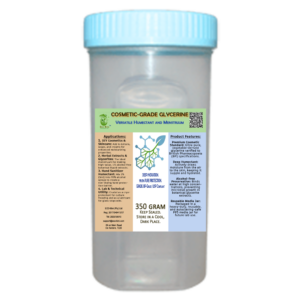
350g Pure Cosmetic-Grade Glycerine in Reusable 320ml PP Media Jar
Original price was: R159.R125Current price is: R125. Add to basket🧫Versatile 100% Humectant: Locks in moisture for skin care and DIY cosmetic formulations
🧫Shipped in a reusable, autocalvable, impact-resistant, gasketless double-seal laboratory Media Jar
🧫 Extraction Menstruum: The ideal alcohol-free carrier and preservative for 1:5 herbal glycerites
🧫Essential as a cell cryoprotectant, craft preservative, or glass lubricant -
STS
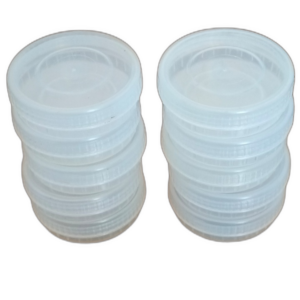
73mm Durable Autoclavable Petri Dishes for Lab Use
Price range: R20 through R135 Select options This product has multiple variants. The options may be chosen on the product page🧫 73mm screw-top Polypropylene Petri Dish.
🧫 Autoclavable and resists breakage.
🧫 Deep 20mm profile holds 3x more agar.
🧫 Screw Lid for easy access. -
STS
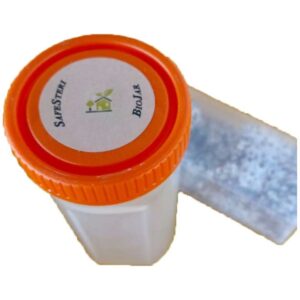
6-pack Mother Spawn BioJar | Reusable Polypropylene | Triple Filter
Original price was: R695.R395Current price is: R395. Add to basket🧫Shatterproof PP5 Construction
🧫Triple-Shield Filtration System
🧫Positive Seal Technology
🧫100% Reusable & Eco-Friendly -
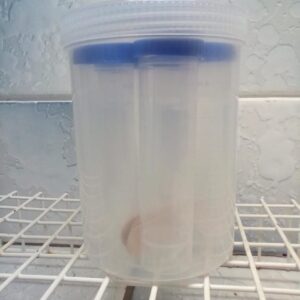
5× Genetics Preservation Kit | Freestanding 50 ml PP Vials
R249 Add to basket🧫 5 × 50 ml Freestanding PP Screw-Cap Vials
🛡️ Protective Full-Bore Polypropylene Storage Tub
🧬 Professional Mycelium Preservation System
Socratic Questions:
- How to make liquid inoculant for mushrooms?
- Difference between liquid culture and liquid inoculant?
- Best methods for preserving mycelium genetics?
- How to use liquid inoculant for bulk substrate?
- Long-term storage of fungal cultures in liquid media?