Maintaining stable humidity prevents “aborting” pins and provides metabolic water for the mycelium to support heavy flushes of fruiting bodies. Explore the technical methods used to balance and maintain optimal humidity levels within a dedicated grow room. This note covers the engineering of automated systems to sustain the precise environment mushrooms require.
Summary
Introduction
In Controlled Environment Agriculture (CEA), managing atmospheric moisture goes far beyond keeping the air “damp.” For specialty mushroom cultivators, humidity control requires an engineered understanding of the inverse relationship between temperature and Relative Humidity (RH), sensor performance limitations under extreme moisture saturation, and the physical dynamics of the crop’s lifecycle.
Failing to maintain these precise environmental windows results in immediate financial losses: low humidity stalls primordial development and aborts pins, while unmanaged condensation creates stagnant anaerobic environments that invite bacterial blotch and competitive green molds (Trichoderma).
Humidity Dynamics Across the Fungal Lifecycle
Mushrooms are structurally distinct from photosynthetic plants. Lacking a protective waxy cuticle or vascular root networks, they rely entirely on their immediate environment for metabolic water. Their atmospheric requirements shift dramatically as they transition from vegetative mycelial growth to reproductive fruiting.
| Environmental Parameter | Vegetative Stage (Mycelium Running) | Reproductive Stage (Fruiting / Pinning) |
| Target Relative Humidity | 95% to 100% RH | 80% to 90% RH (Species dependent) |
| CO2 Concentration | High (10,000 to 20,000 PPM) | Low (<1000 PPM) |
| Primary Physical Enclosure | Sealed spawn bags with filter patches | Open rooms / automated fruiting tents |
| Mycelial Objective | Biomass accumulation and substrate dominance | Micro-evaporation to trigger primordia |
The Mechanics of “Fruiting Conditions”
During the vegetative phase, the mycelium runs inside bags or containers, thriving in a high-moisture, high-CO2 microclimate. Exposing the substrate to fruiting conditions means deliberately breaking this stagnation.
When you open a grow bag or introduce fresh air into a grow room, you slash the ambient CO2 levels and slightly drop the relative humidity. This drop creates a crucial moisture gradient: water begins to evaporate from the surface of the substrate into the air. This surface micro-evaporation is the primary biochemical signal that tells the mycelium it has broken free of its underground or internal habitat, triggering it to form small mushroom primordia (pins).
The Psychrometric Trap: Temperature vs. Relative Humidity

One of the most common points of failure in commercial setups is ignoring psychrometrics—the physical laws governing gas-vapor mixtures. Relative Humidity is not an absolute measurement of water volume; it is a ratio of the current water vapor in the air relative to the maximum amount of water vapor that same air can hold at its current temperature.
As air warms, its capacity to hold water increases exponentially. This means that if the absolute amount of moisture in your grow room remains constant but the ambient temperature rises, your Relative Humidity will plummet.
The 14:00 to 16:00 Spike: Cultivators working in regions with high solar gain experience this daily. Between 14:00 and 16:00, ambient outdoor temperatures peak. If sunlight hits your grow room walls, the internal air temperature climbs. Even if your humidifier runs constantly, the rising temperature shifts the psychrometric curve, stripping the air of its relative humidity and drying out vulnerable pinheads.
Strategic Infrastructure Countermeasures
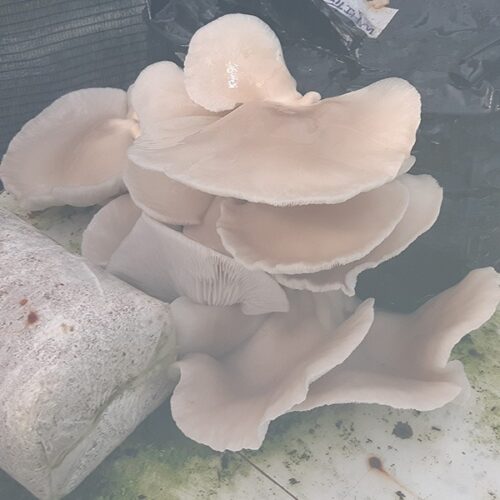
- Thermal Mass & Orientation: Whenever possible, position standalone outdoor grow structures on the shaded side of an existing building. In the Southern Hemisphere, this means utilizing the South side of structures to block direct afternoon solar radiation (or the North side in the Northern Hemisphere). Underground tunnels, basements, or highly insulated cold rooms naturally isolate the environment from these devastating daytime temperature swings.
- Evaporative Pre-cooling: While standard evaporative desert coolers are typically limited to achieving roughly 60% RH on their own, running them to treat intake air cools the incoming air volume. When this pre-cooled air enters the grow room and is hit by an internal ultrasonic fogger, the lower temperature allows the air to reach stable, high-saturation zones (85% to 95% RH) with significantly less mechanical stress on your equipment.
Engineering the Automation Loop: Sensor Pitfalls
An automated environmental system is only as reliable as its input data. In high-humidity cultivation, standard consumer-grade electronic components experience rapid, permanent sensor drift or outright failure.
The High-RH Sensor Standard
Many entry-level controllers sold locally (such as basic versions of the XH-W3005, low-cost thermostat/hygrometer combos or Sonoff ) ship standard with basic DHT-11 sensor probes. These sensors utilize a resistive plastic strip that degrades almost immediately when exposed to environments consistently exceeding 80% RH. Within weeks, the sensor becomes saturated, reading 100% RH continuously while your grow room sits dangerously dry.
For commercial reliability, your automation array must utilize capacitive or digital chipsets protected by hydrophobic membranes:
- The Entry Baseline (DHT-22 / AM2302): A significant upgrade over the DHT-11, offering a functional operational window up to 99% RH with an accuracy tolerance of 2%. Can be simply swopped.
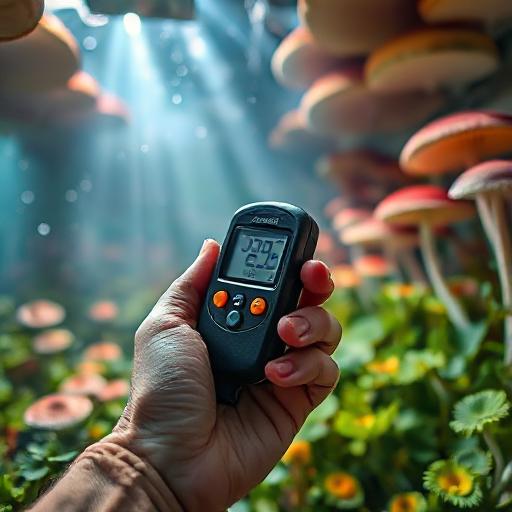
- The Commercial Standard (SHT30 / SHT35): These digital Swiss-engineered sensors utilize a sintered protective cap or a specialized hydrophobic membrane. They are specifically built to withstand constant, near-condensation environments without locking up, making them the standard choice for professional control units.
NOTE: Most of the systems in South Africa come with the DHT-11 sensor… be careful!
Scaling Your Humidity Infrastructure
The mechanical method you choose to maintain your moisture levels depends directly on the total cubic volume of your cultivation space.
1. Low-Volume / Hobby Arrays: Shotgun Fruiting Chambers (SGFC)
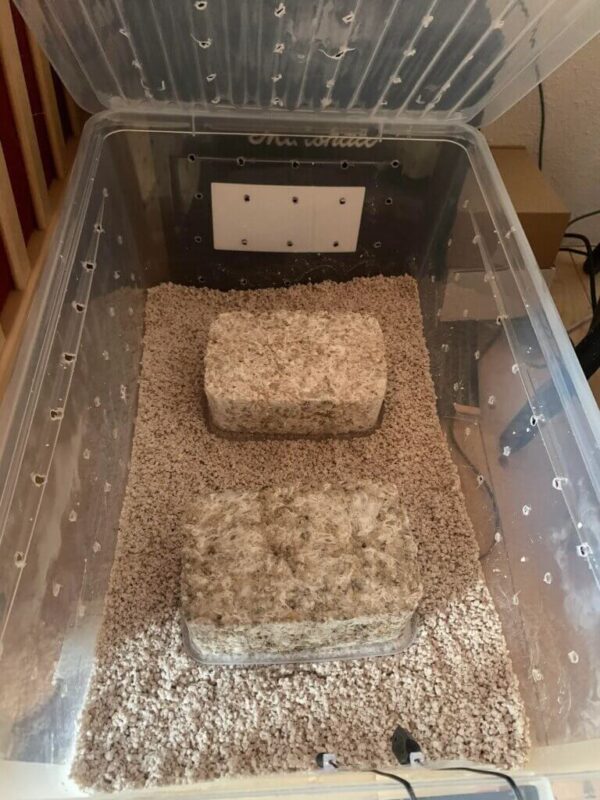
For small-scale evaluation or localized strain isolation, a mechanical humidifier isn’t strictly necessary. A standard SGFC utilizes a thick layer (75mm to 100mm) of coarse perlite saturated in water at the bottom of a clear plastic tote.
Perlite has an incredibly high surface-area-to-volume ratio. By drilling 6mm holes spaced 50mm apart on all six sides of the container, you create a natural chimney effect: as cool, humid air rises off the damp perlite, it draws fresh oxygen through the top and sides while venting CO2 out the bottom. However, this manual system requires daily monitoring and hand-misting to offset ambient fluctuations.
2. Mid-to-Large Scale CEA: Integrated IoT Ultrasonic Arrays
For commercial spaces exceeding 30m3 (a standard 3×4 meter room), automated ultrasonic humidification combined with a dedicated circulation network is mandatory.
[IoT/Smart Controller (SHT35 Probe)]
             |
             +---> [Multi-Disc Ultrasonic Fogger] ---> [Overhead PVC Manifold]
             |
             +---> [Low-Level Intake/Extraction Fans] ---> [Timed CO2 Venting]
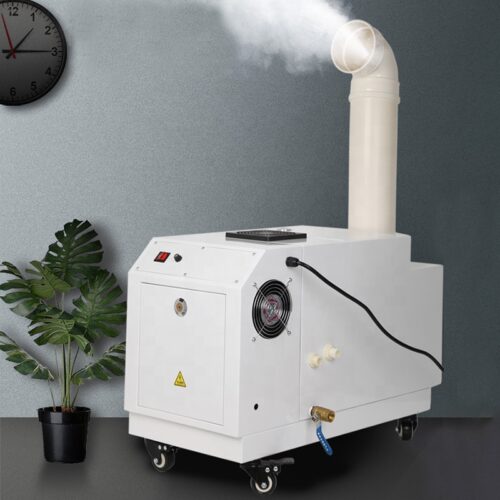
By connecting a smart controller to a multi-disc ultrasonic mist maker submerged in a float-valve-regulated reservoir, you achieve an automated feedback loop. The digital probe senses a drop below your target setpoint (e.g., 84% RH), firing the transducer array instantly.
Integrating a low-wattage circulation fan into the fog delivery manifold ensures this micro-mist is distributed evenly throughout your vertical racking space, eliminating stagnant pockets and ensuring consistent flush weights from every single shelf.
🍄Happy cultivating!
-
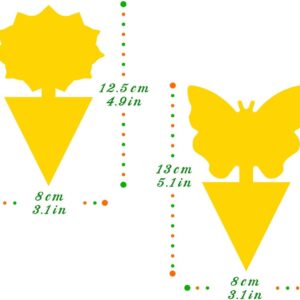
Yellow Sticky Fruit Fly & Fungus Gnat Traps
R11 Select options This product has multiple variants. The options may be chosen on the product page🏗️Bright yellow colour attract flying insects
🏗️Odourless, Safe and Non-toxic
🏗️Durable – UV resistant and Waterproof
🏗️Easy to Use, Plant and Peel -
STS

STS “Buffer-Charge” | Professional 5kg Coco Coir Conditioner
Original price was: R39.R30Current price is: R30. Add to basket Stop “washing” your coir and start charging it.
Pre-measured, dry-sachet conditioning system.
Removes the natural sodium and potassium salts in coco coir.
Provides an engineered environment for your plants to thrive from day one. -
STS
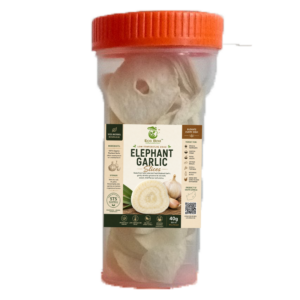
Low-Temperature Dried Elephant Garlic Slices | 40g
Original price was: R115.R95Current price is: R95. Add to basket🧄Organically Grown Elephant Garlic
🧄Low-Temperature Dried to preserve flavour, aroma and quality
🧄Perfect for Braais, Soups, Pasta, Pizza, Marinades & Garlic Infusions
🧄Small-Batch Crafted in South Africa • No Preservatives • 40g -
STS
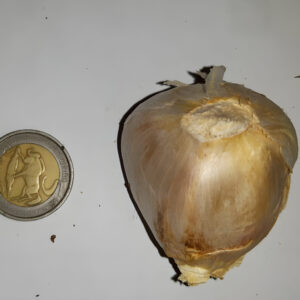
Organic Elephant Garlic Cloves – Vernalized
Original price was: R695.R495Current price is: R495. Add to basket🌱 Large, mild-flavoured cloves
🌱 10 Elephant Garlic Organic seeds
🌱 Vernalized for immediate planting
🌱 Seasonal – limited Stock
Socratic Questions:
- How to maintain constant humidity for mushroom fruiting?
- What are the best humidity sensors for grow rooms?
- How to prevent pinning failure due to low humidity?
- DIY grow room environmental control strategies?
- Balancing air exchange and humidity in small spaces?