
Every regenerative ecosystem hinges on one remarkable natural feat: the capture of sunlight.
Unlike fungi and microorganisms, plants are nature’s primary solar infrastructure, manufacturing new biological energy from atmospheric carbon dioxide, water, and sunlight. Every leaf, stem, root, fruit, and seed begins as a transformation of atmospheric carbon into living biomass through photosynthesis.
Within the Bundu Teq framework, the Plantae Kingdom functions as our primary energy producer and carbon fixer. It ingeniously captures solar energy, stores it as biological carbon, and generates the essential biomass that ultimately fuels the Monera (microbes) and Fungi kingdoms through a vital, reciprocal exchange.

Without plants, the entire biological cycle falters. They are the initiators:
- Without plants, there is no primary food source.
- Without plants, there is no organic biomass to fuel decomposition.
- Without plants, there is no foundation for the regenerative cycle.
Without plants there is no biological cycle.
Three Kingdoms – One Natural Refinery
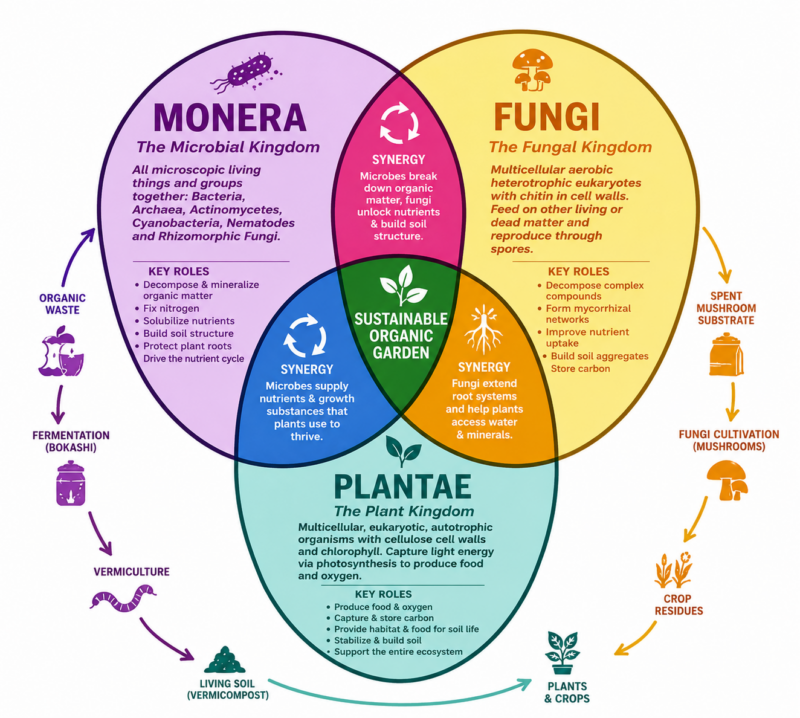
Monera — The Biological Workforce
Monera acts as the essential biological patch cable, bridging nutrient cycles between raw organic inputs and the uptake pathways of Plantae and Fungi. Through processes like N-fixation, mineralization, and fermentation, they make locked-up energy and matter available to higher life forms, enabling closed-loop productivity and system resilience. This kingdom is the primary processor, transforming waste into bio-available fuel.
Fungi — Nature’s Carbon Architects
Fungi are nature’s indispensable carbon architects, uniquely breaking down recalcitrant materials like wood and straw. They unlock vast reservoirs of carbon and stored solar energy, making them accessible to other life forms. Fungi extend biology into places microbes alone cannot reach, forming crucial subterranean networks that facilitate nutrient transport and support plant growth, thereby completing the carbon cycle.
Plantae — The Solar Harvesters
Plants are nature’s primary solar infrastructure, capturing sunlight and atmospheric carbon dioxide to manufacture new biomass. Every leaf, stem, root, fruit, and seed is a product of photosynthesis. This biomass fuels the entire biological cycle, providing the energy and foundation for both Monera and Fungi kingdoms. They are the crucial link converting raw solar energy into usable biological matter.
Together these three kingdoms form a continuous regenerative engine where every output becomes the next biological input.
Plants Harvest Energy — They Don’t Create Fertility
Plants Harvest Energy—They Don’t Create Fertility. A significant misconception in modern agriculture is that organic matter or compost directly feeds plants. They do not.
They do not.
Plants absorb nutrients only after they have been mineralized into water-soluble ionic forms. This critical conversion is performed by the Monera kingdom—the microbial workforce—which breaks down organic compounds and transports essential elements to the plant roots. This is the essence of our First Paradigm Shift: Plants cannot access compost; they depend on microbes to unlock it. Healthy plants are the result of these vital biological relationships, where plants provide carbon to the microbes, and microbes, in turn, provide the harvestable nutrients. Our approach focuses on engineering the root biome, ensuring the plant receives the nutrients it needs through these natural, symbiotic processes.
🚀 Paradigm Shift #1: Plants cannot access compost
Old Thinking: Plants feed directly on raw compost.
Paradigm: Plants cannot directly process solid organic molecules. Microbial life breaks down inputs into highly bioavailable, ionic forms. VermiPonics does not mimic nature—it builds a functional, concentrated biological engine—based on the natural Soil Biome.

Healthy plants therefore depend not simply upon nutrients, but upon healthy biological relationships.
The plant is the harvester.
The biology supplies the harvest.
Beyond Conventional Hydroponics
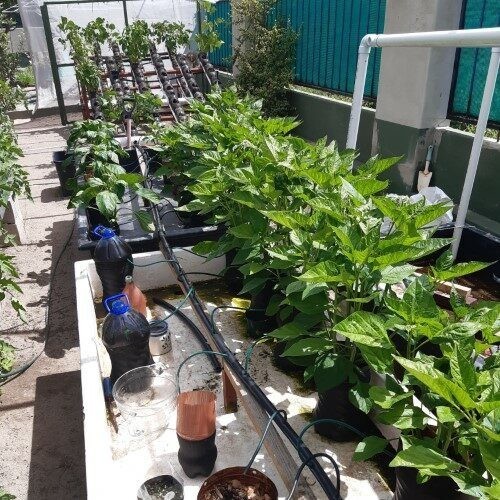
Hydroponics revolutionized food production by demonstrating that plants thrive on dissolved mineral nutrients rather than soil. However, conventional hydroponics often bypasses biology, relying on synthetic chemical salts that create dependence on external supply chains and electricity. At the STS, we asked a different question: Instead of removing biology from hydroponics, could biology become the hydroponic system?
This led us to VermiPonics, an organic approach that engineers the root biome. Rather than feeding plants manufactured solutions, we cultivate living microbial communities that continuously mineralize nutrients, creating a resilient, low-input system directly connected to the broader Bundu Teq biological cycle.
It’s not about replacing nature, but about concentrating its most effective biological processes.
The STS Perspective
At the Sustainability Testing Station we asked a different question.
Instead of removing biology from hydroponics…
Could biology become the hydroponic system?
That question eventually led to the development of Passive Organic VermiPonics.
Rather than feeding plants manufactured nutrient solutions, the root zone becomes an active biological ecosystem where microbial communities continually mineralise nutrients supplied by the Monera Kingdom.
The water simply becomes the transport medium.
The biology performs the work. Transforming the organics into plant available nutrients through a Symbiotic relationship – plants feed the soil Biome in exchange for nutrients.
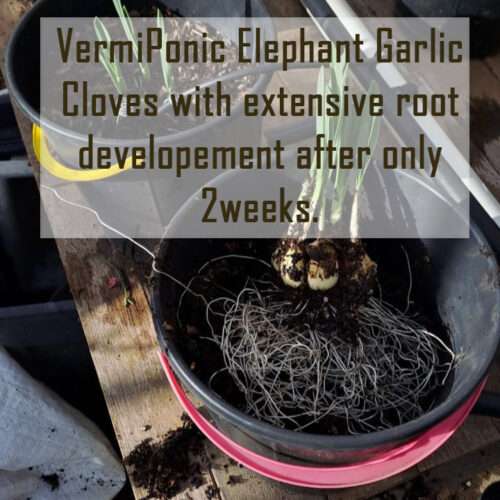
Passive Organic VermiPonics
VermiPonics combines the water efficiency of passive hydroponics with the biological resilience of living soils.

Instead of sterile growing media, the root zone contains a biologically active media matrix inoculated with beneficial microorganisms derived from healthy vermicompost.
Capillary wicking continuously supplies moisture from below while maintaining excellent root aeration.
The result is a highly stable growing environment requiring very little intervention while remaining connected to the broader Bundu Teq biological cycle.
Rather than replacing nature…
VermiPonics concentrates it.
Engineering the Root Biome
The most important component of any growing system is not the container.
But the engineering of the root biome.
Healthy root systems thrive within an active microbial community that continuously exchanges nutrients, produces plant growth regulators, suppresses pathogens, and maintains long-term resilience. The goal of VermiPonics is therefore not merely to keep roots moist, but to engineer a living root biome that actively manages its own nutrient supply and defense.

From Waste to Harvest
The Plantae Kingdom sits at the centre of the Bundu Teq cycle.
The Monera Kingdom supplies living biology and mineralised nutrients.
Plants convert sunlight into fresh biomass.
Crop residues return to the Monera Kingdom through fermentation and vermiculture.
Woody materials become feedstock for the Fungi Kingdom.
Spent mushroom substrate returns to the worms.
Nothing leaves the system.
Together, these three kingdoms form a continuous regenerative engine, engineered for a perpetual cycle. Every biological output becomes the next biological input, creating a truly closed-loop system where nothing is wasted, and every harvest strengthens the subsequent cycle.”
STS Research
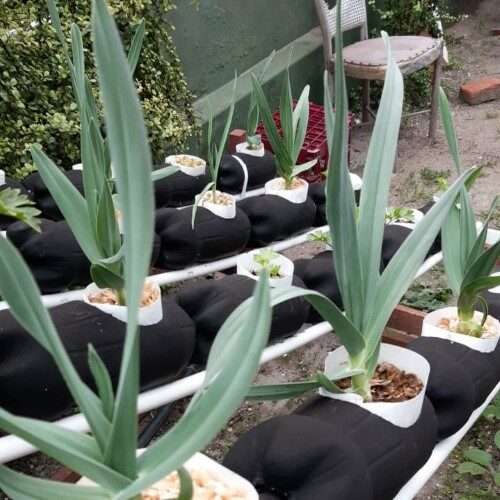
Many of the technologies developed at the Sustainability Testing Station focus on strengthening the biological relationship between plants and the surrounding ecosystem.
Projects such as Passive Organic VermiPonics, Double-Tap Biochar, Terra Preta BAM!, Alpha²Omega, VitaVermi, and the VermiCore Media Matrix all seek the same objective:
To reduce dependence on external inputs by allowing biological systems to perform the work that conventional agriculture attempts to replace with chemistry.
The Future of Growing
The future of food production is unlikely to be found at either extreme.
It is not conventional soil cultivation.
Nor is it completely sterile hydroponics.
The future lies in engineering resilient biological systems that combine the efficiency of Controlled Environment Agriculture with the intelligence of natural ecosystems.
Related Content:
- Tier 1: Waste Recycling – Deep dive on microbial magic.
- Tier 3: Mushroom Cultivation – Source SMS for Vermiponics.
- Back to Bundu Teq Introduction or Our Story.
-
STS
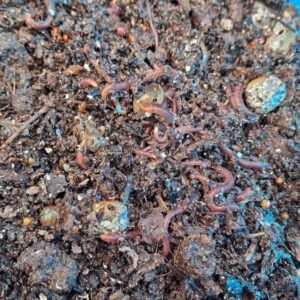
Vermicomposting Starter Kit – Easy!
Original price was: R300.R250Current price is: R250. Add to basket🪱 Includes 300-600 healthy Red Wigglers
🪱 In a breathable 1L Polypropylene screw-tub,.
🪱 320ml VermiBoost bio-enriched stabilizer.
🪱 Easy and eco-friendly. -
STS
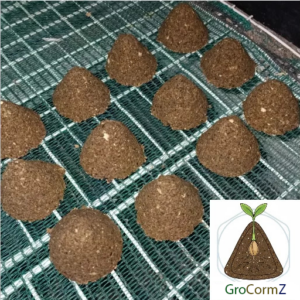
Elephant Garlic Start Kit | GroCormZ
Original price was: R75.R49Current price is: R49. Add to basket🌱 Produces Authentic Ajo Macho (Solo Garlic)
🌱 Encapsulated Elephant Garlic Corm Included
🦠 Terra Preta Nova Biological Grow Ball
💧 Just Plant, Water & Grow — Pointy Side Up! -
STS
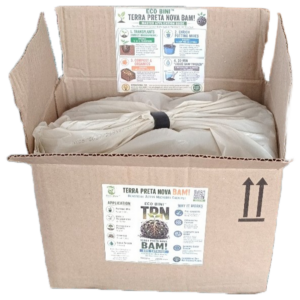
Eco Bini™ Terra Preta Nova BAM! Soil Catalyst | 5 Litre
Original price was: R340.R239Current price is: R239. Add to basket🛠️ Biologically pre-charged Terra Preta Nova Soil Catalyst
🛠️ Premium macadamia shell Granular Activated Carbon (GAC)
🛠️ Beneficial Active Microbes (BAM!)
🛠️ Zero nutrient lockout • Permanent microbial habitat • Ready to use -
STS
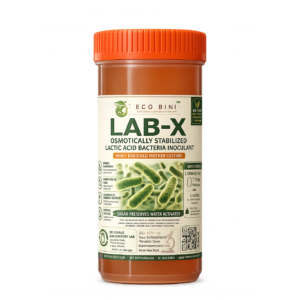
LAB-X: Concentrated Lactic Acid Bacteria Serum
Original price was: R395.R225Current price is: R225. Add to basket🧫Nature’s Preservation Powerhouse
🧫Boosts Soil, Compost & Ferments
🧫Suppresses Odours & Spoilage
🧫Shelf-stable, High-Density Culture